


Secondary sourcePhotographearly 20th century
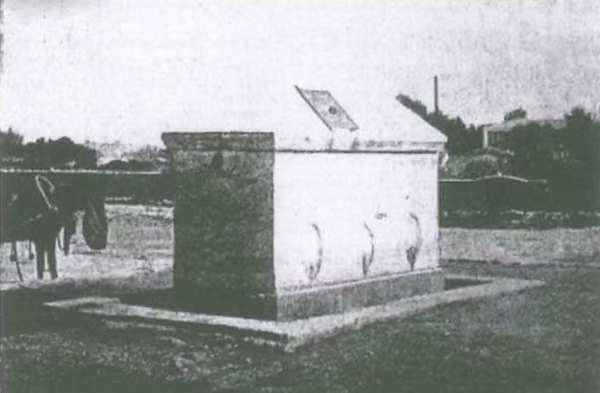
Sarcophagus of Basil II
Macridy & Ebersolt · early 20th century
An early-20th-century photograph of a stone sarcophagus believed to have belonged to Basil II, now lost.
This photograph documents a sarcophagus thought to be Basil II's, linked to his unusual burial site at the Hebdomon.
About this source
What it is
This black-and-white photograph, taken by Macridy and Ebersolt in the early twentieth century, records a stone sarcophagus with a flat sloped lid, thought at the time to belong to Basil II. The sarcophagus itself has since been lost.
Why it matters
Basil II was buried outside the usual imperial mausoleum at the Church of the Holy Apostles, instead being laid to rest at the Hebdomon, reflecting his own wishes about how he should be remembered. This photograph is now one of the few surviving records of the monument associated with his burial.
Look closer
- Why might a photograph matter more once the object itself is lost?
- What does an unusual burial choice suggest about how a ruler wanted to be remembered?
- What can't a photograph tell us about an object that we might want to know?
This photograph is part of the curated material that grounds the AI version of Basil II on Humy.ai — when students ask about related events, the AI can quote it and cite it.
More Basil II sources
Browse all 71 →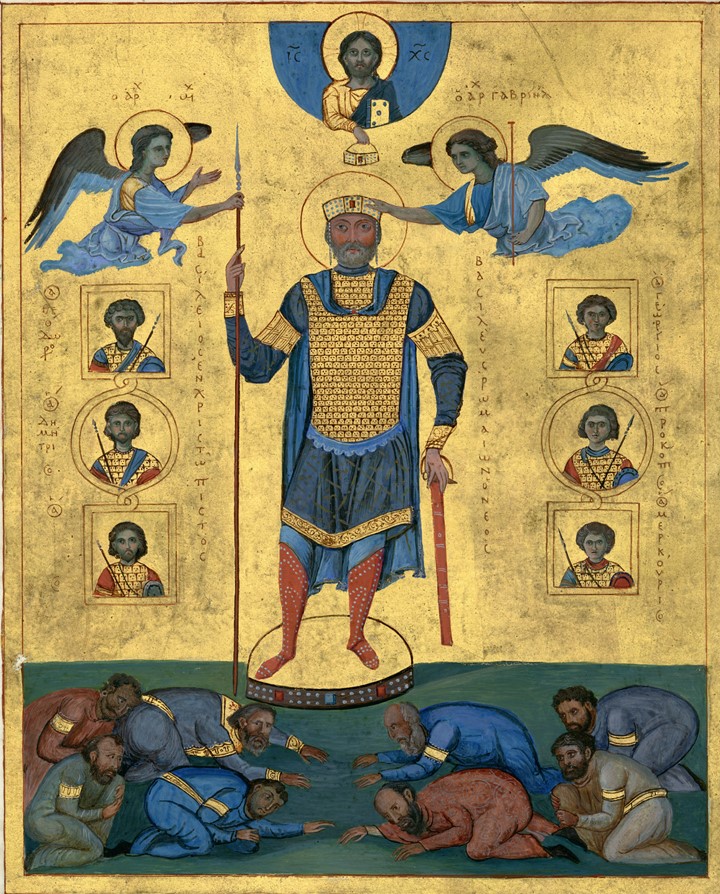 Painting
Primary source
Portrait of Basil II
Unknown Byzantine artist · early 11th century
 Painting
Secondary source
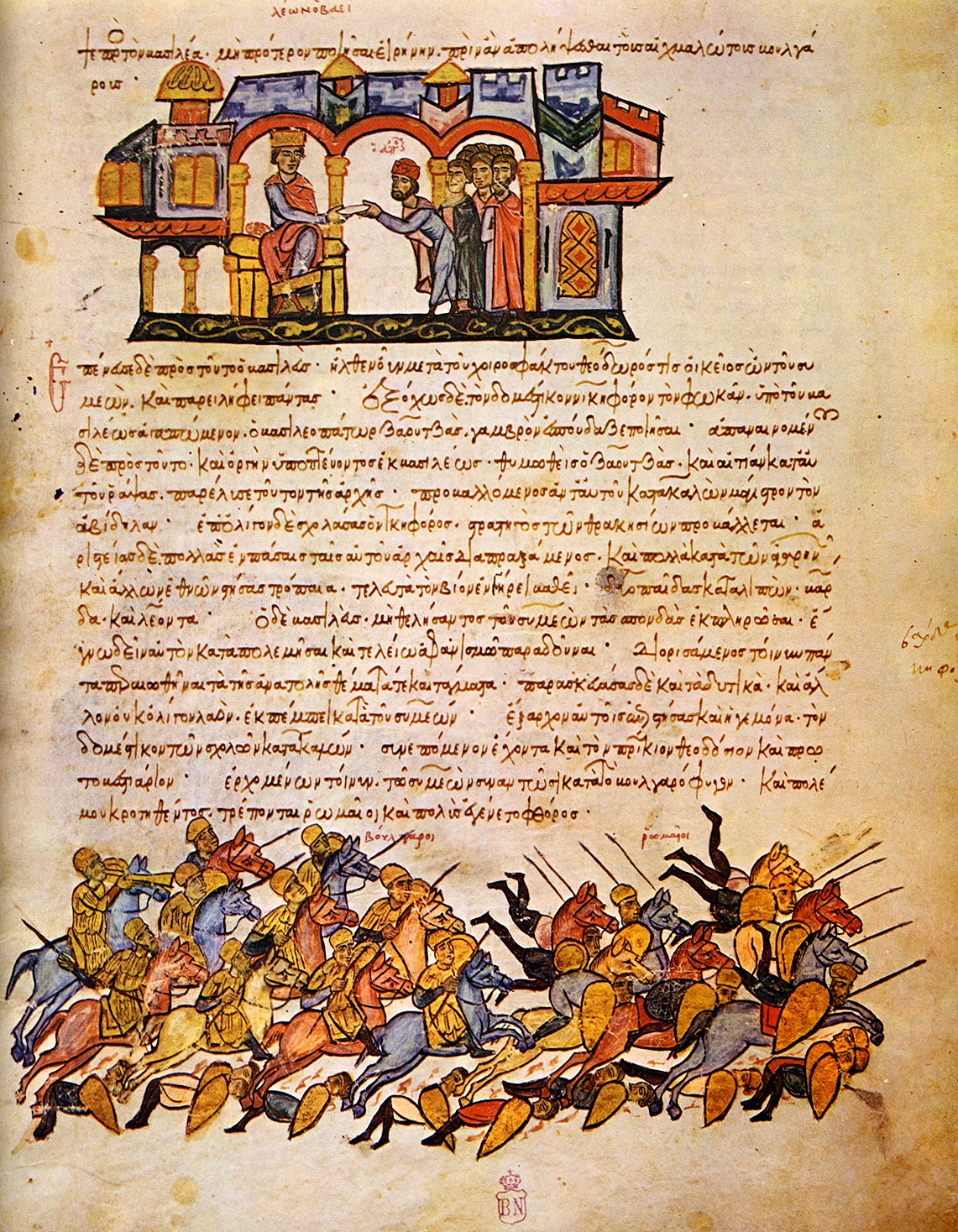
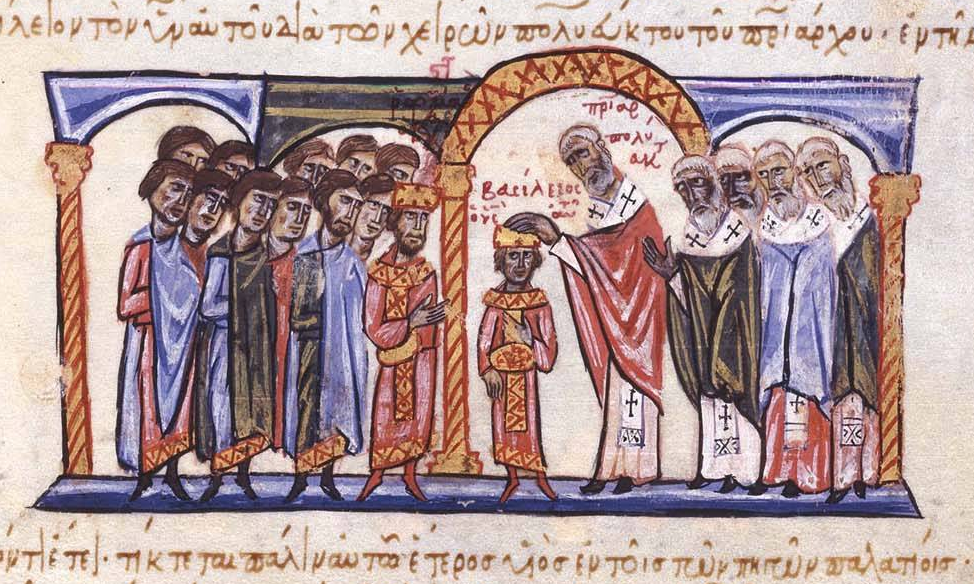
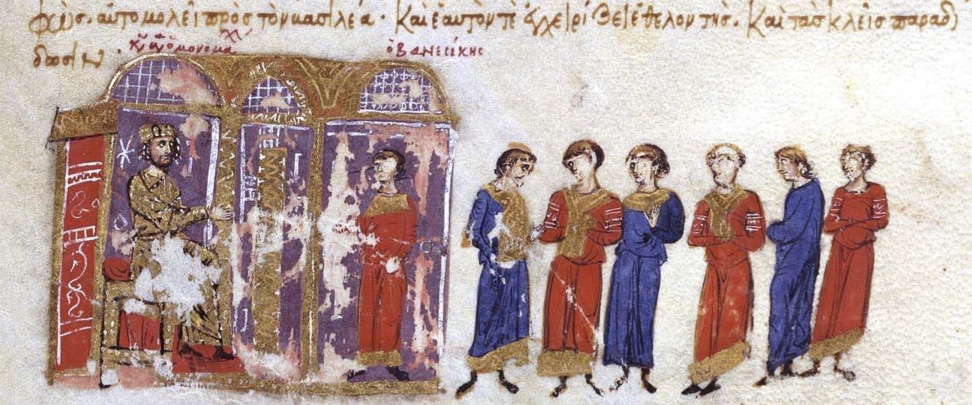
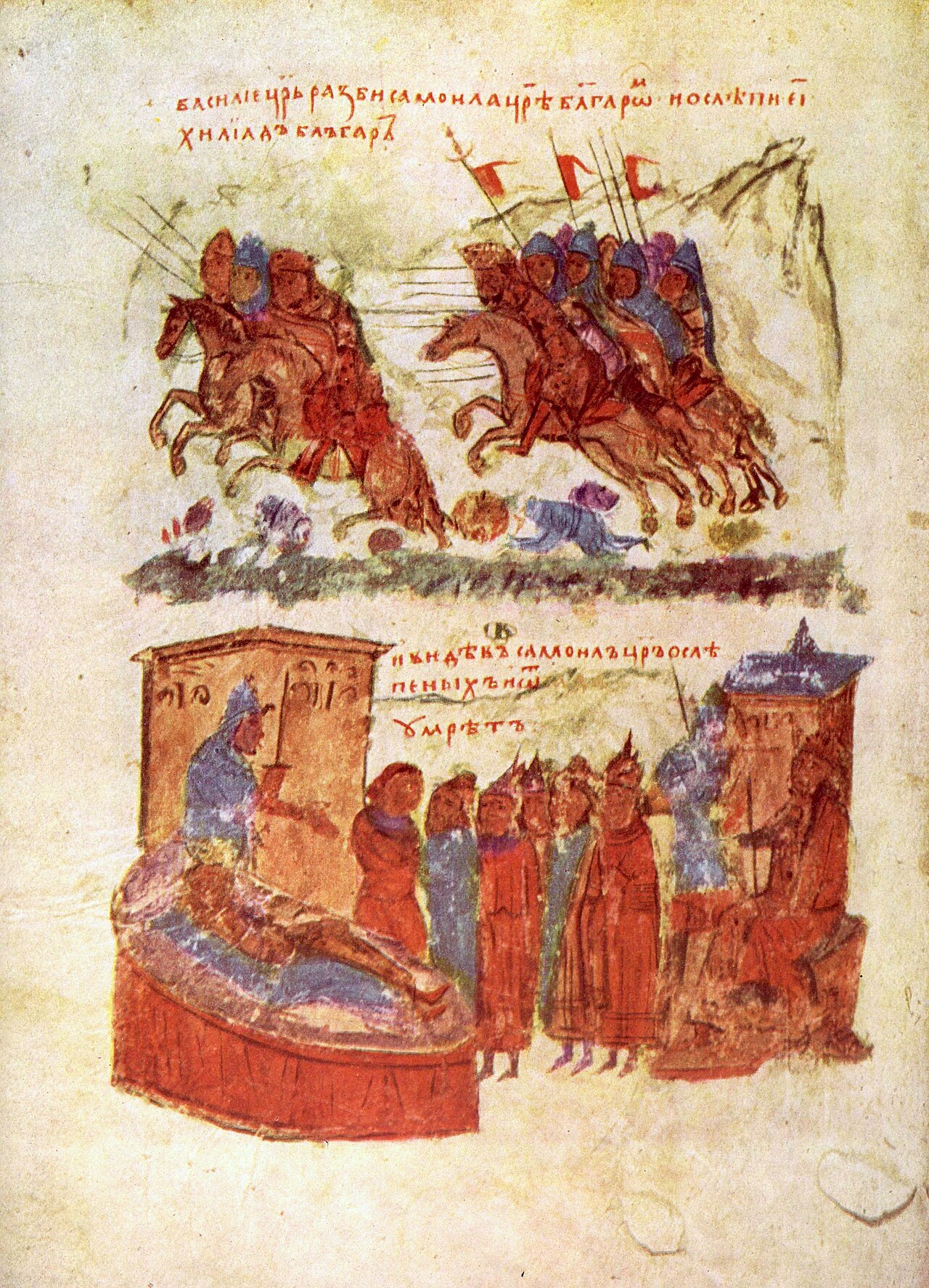
Madrid Skylitzes
John Skylitzes · 12th century
 Book
Primary source
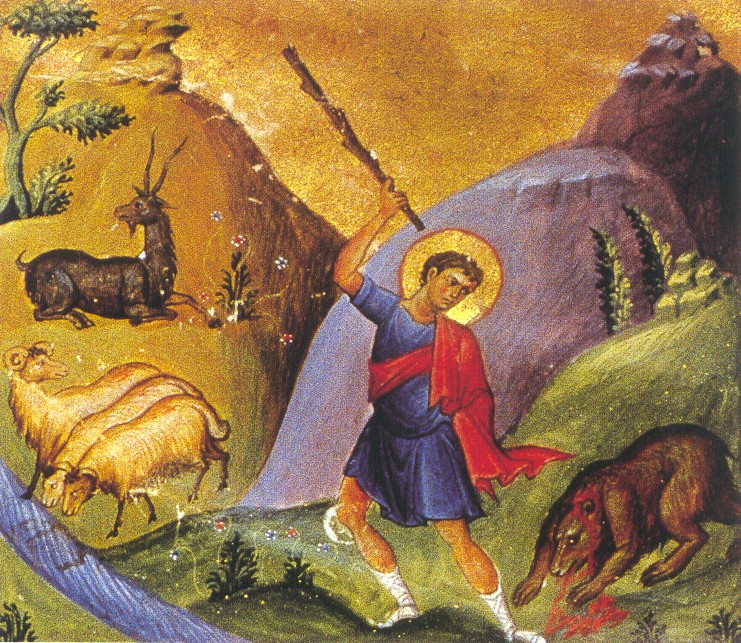
Psalter of Basil II
Unknown Byzantine artist · 1017
 Artifact
Primary source
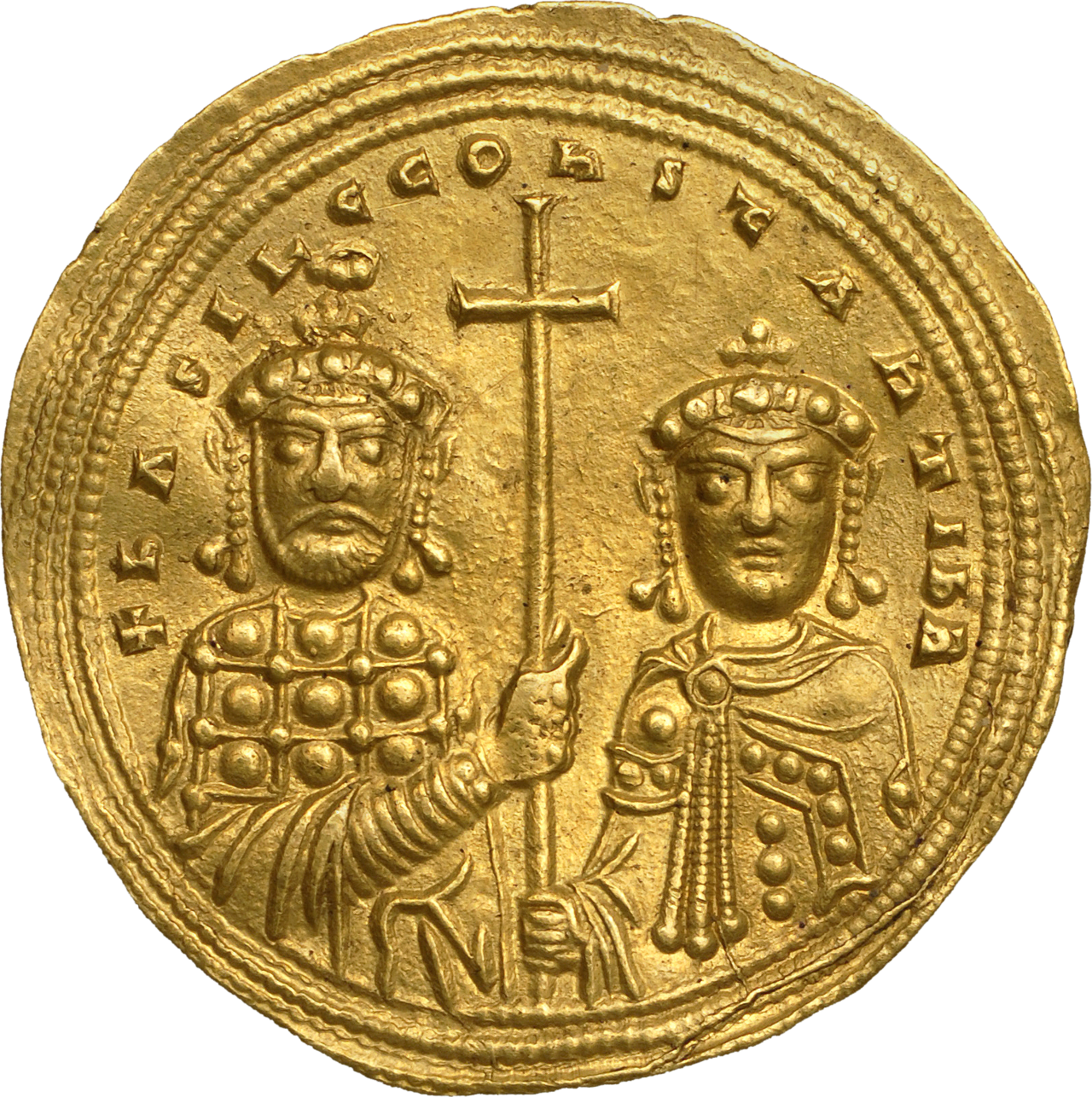
Gold histamenon of Basil II and Constantine VIII
Constantinople mint · 976–1025
Free account
Read every Basil II source
Sign up free →
Ready when you are
Start chatting with Basil II now.
20 messages free · No credit card · Available in 50+ languages.