


Secondary sourceDocument1988
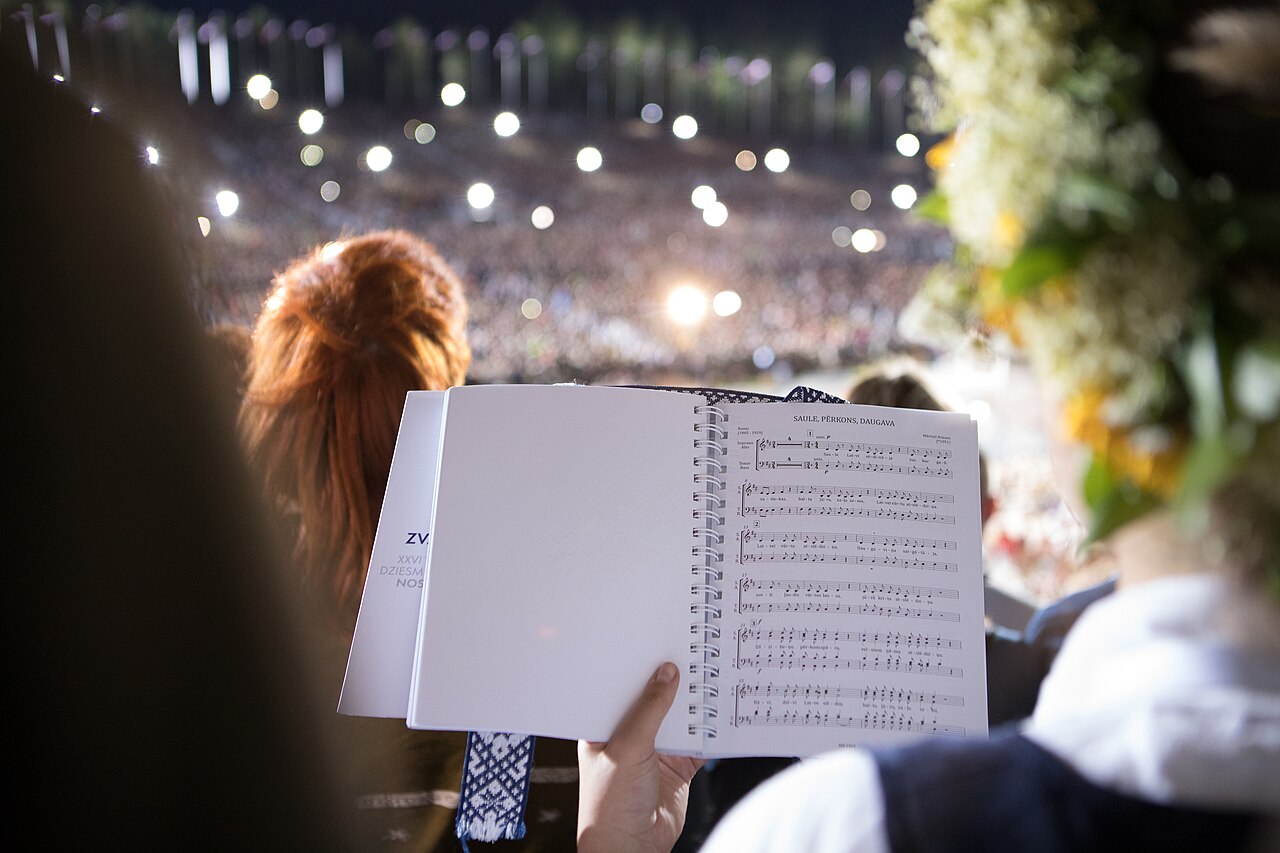
Saule, Pērkons, Daugava
Mārtiņš Brauns · 1988
A 1988 choir song by Mārtiņš Brauns setting Rainis's 1916 poem Daugava, which became an anthem of Latvia's Singing Revolution.
The song's lyrics come from Rainis's poem, showing how his verse was revived as a symbol of Latvian national identity.
About this source
What it is
This is a Latvian choir song composed by Mārtiņš Brauns in 1988, using text from Rainis's 1916 poem Daugava. It was first performed at the Valmiera Drama Theatre and later sung at the Latvian Song and Dance Festival in 1990.
Why it matters
The song fused Rainis's old national symbolism with new music during the late-1980s push for Latvian independence, becoming a rallying song of the Singing Revolution. It shows how a poet's words could be reused generations later to express national feeling, and it remained so popular that people later discussed making it the national anthem. A version even inspired an anthem for the Catalan independence movement.
Look closer
- Why might a poem written decades earlier feel relevant to people in the 1980s?
- What does it tell us about Rainis's reputation that his words were set to music for a political movement?
- What is left out when a historical text is adapted for a new cause?
This document is part of the curated material that grounds the AI version of Rainis on Humy.ai — when students ask about related events, the AI can quote it and cite it.
More Rainis sources
Browse all 55 →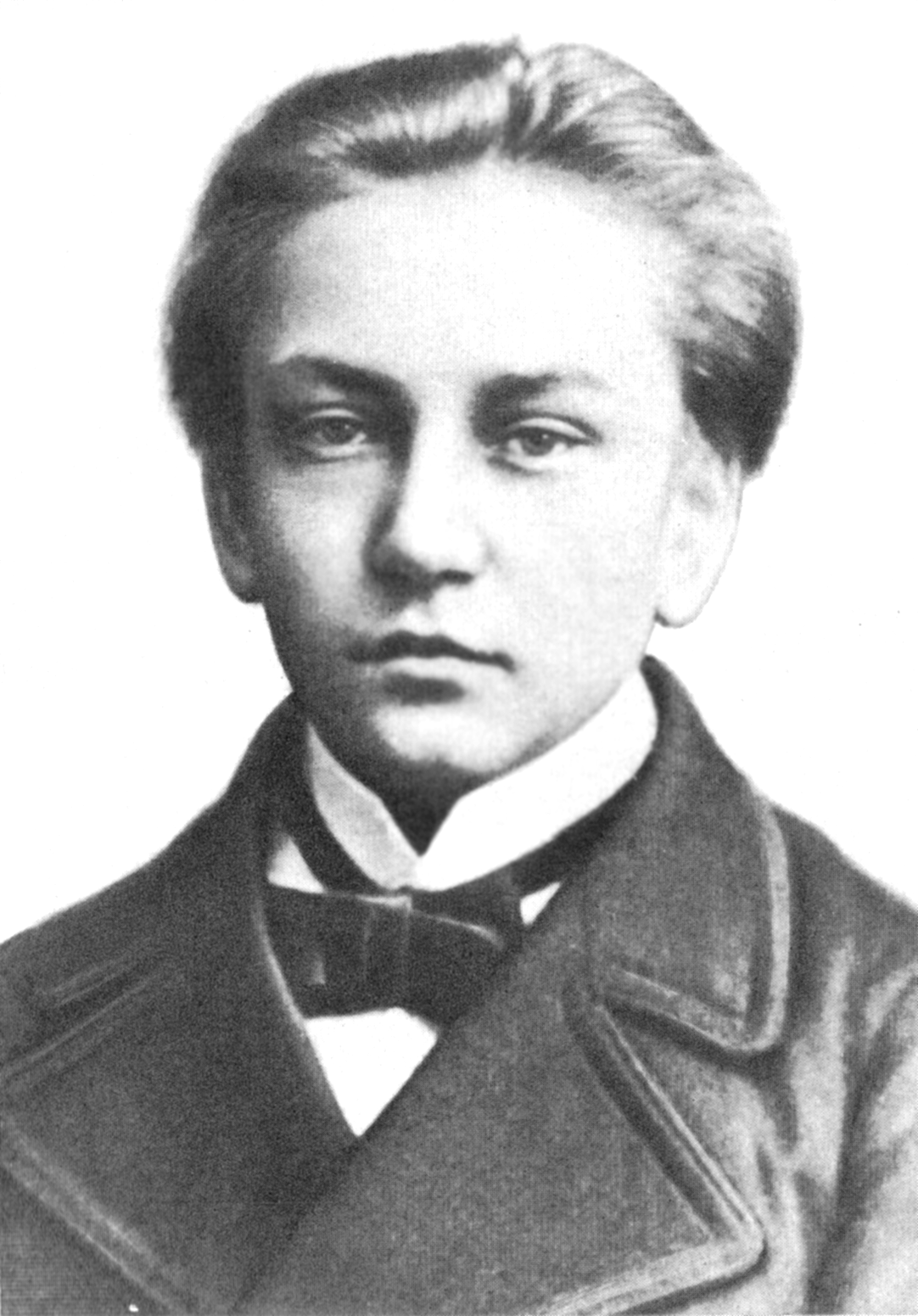 Photograph
Primary source
Rainis in 1880 by Robert Borchardt
Robert Michael Borchardt · 1880
 Book
Primary source
Faust, Parts I and II
Johann Wolfgang von Goethe · 1908
 Photograph
Primary source
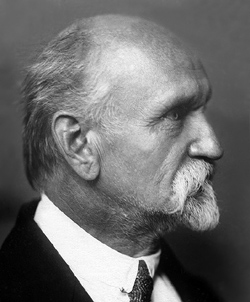
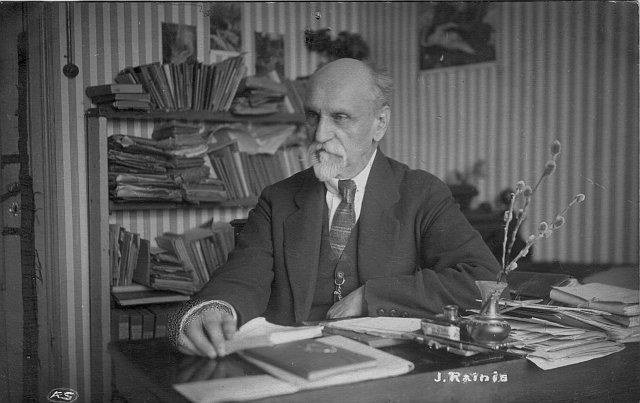
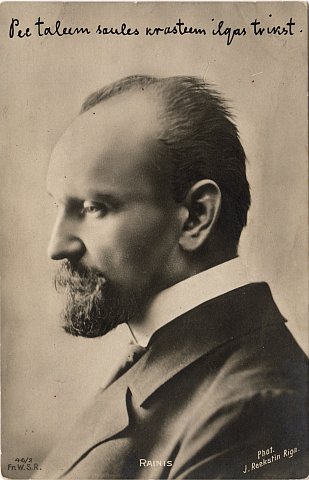
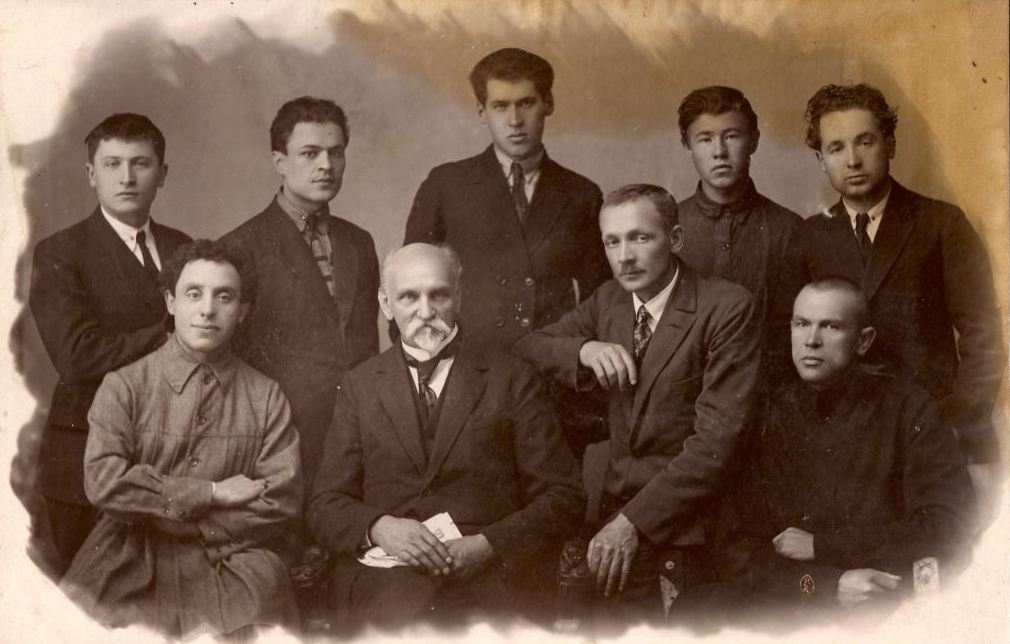
Portrait of Rainis
 Book
Primary source
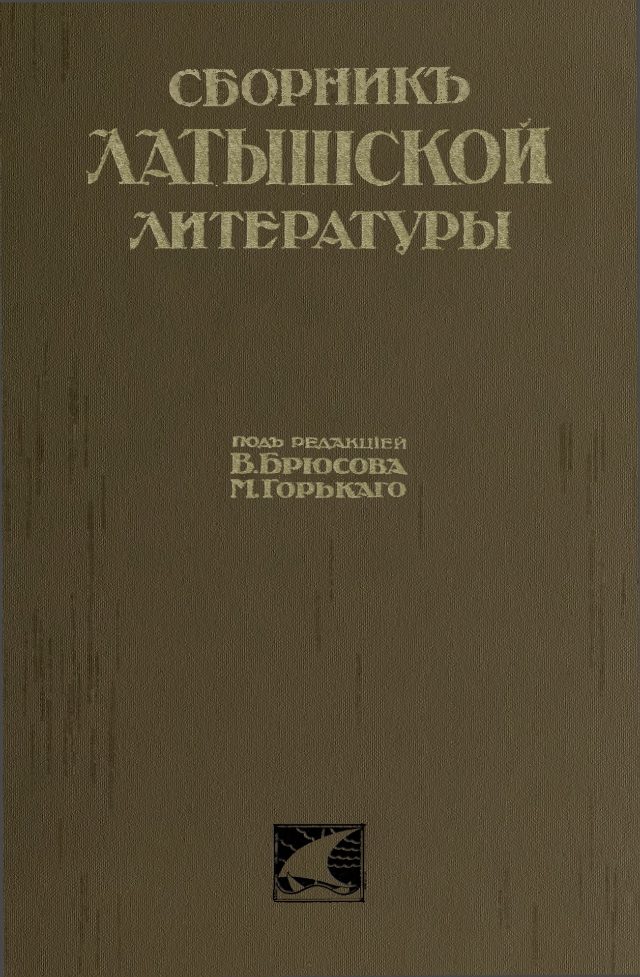
Anthology of Latvian Literature
Valery Bryusov (editor) · 1916
Free account
Read every Rainis source
Sign up free →
Ready when you are
Start chatting with Rainis now.
20 messages free · No credit card · Available in 50+ languages.