


Primary sourcePainting11th century, repainted in 1699
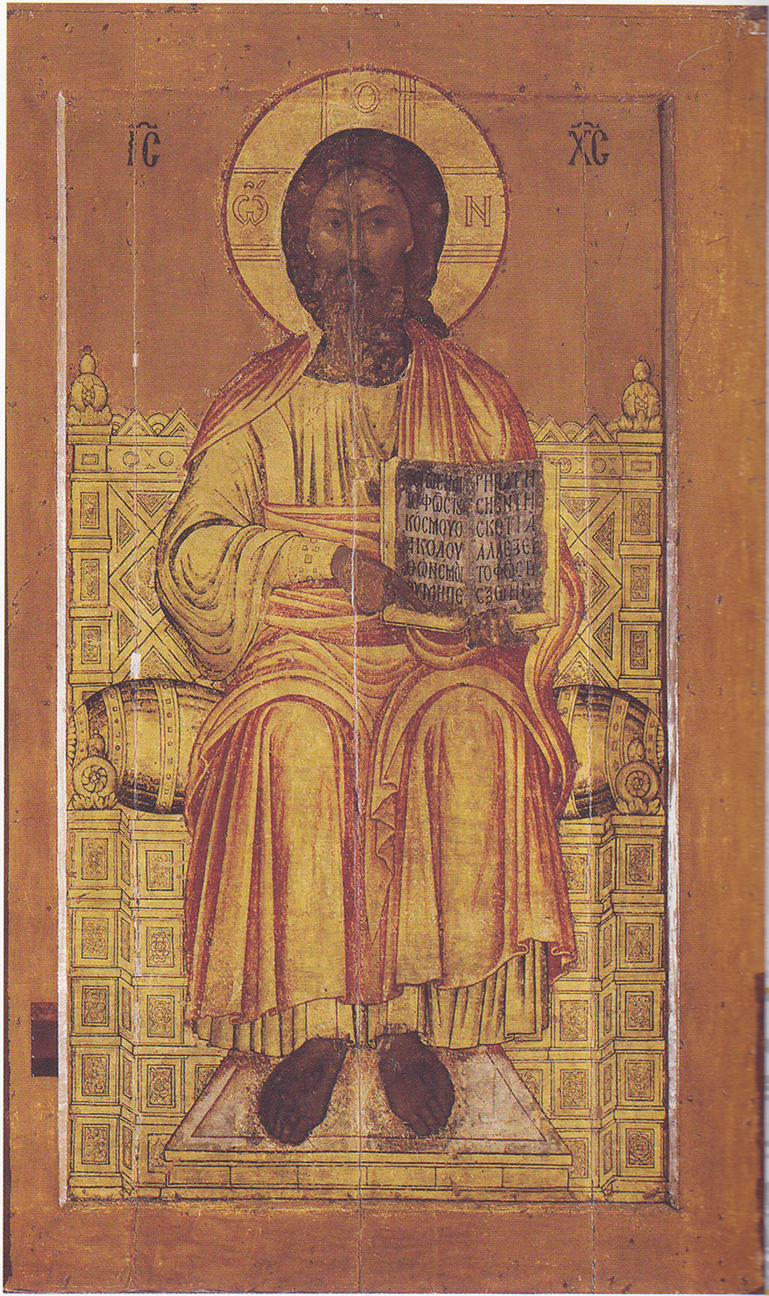
Savior in a Golden Robe Icon from St Sophia Cathedral, Novgorod
Unknown author · 11th century, repainted in 1699
An 11th-century icon of Christ from St Sophia Cathedral in Novgorod, the church at the center of the city Alexander Nevsky ruled.
A centuries-old icon in the cathedral of Novgorod, the city Nevsky governed, showing the faith central to his rule.
About this source
What it is
This large icon, known as the Savior in a Golden Robe, shows Christ enthroned and was painted in the 11th century for St Sophia Cathedral in Novgorod. It was repainted in 1699.
Why it matters
St Sophia Cathedral was the heart of religious and political life in Novgorod, the city Alexander Nevsky ruled as prince. This icon, already centuries old by Nevsky's time, would have been part of the sacred space he and his people worshipped in, showing the deep Christian faith that shaped Rus' identity.
Look closer
- What details — the throne, the robe, the book — show how the icon presents Christ as a ruler?
- Why might rulers like Nevsky want to be closely linked to a powerful religious image like this?
- How might the 1699 repainting have changed what we see compared to the original?
This painting is part of the curated material that grounds the AI version of Alexander Nevsky on Humy.ai — when students ask about related events, the AI can quote it and cite it.
More Alexander Nevsky sources
Browse all 93 →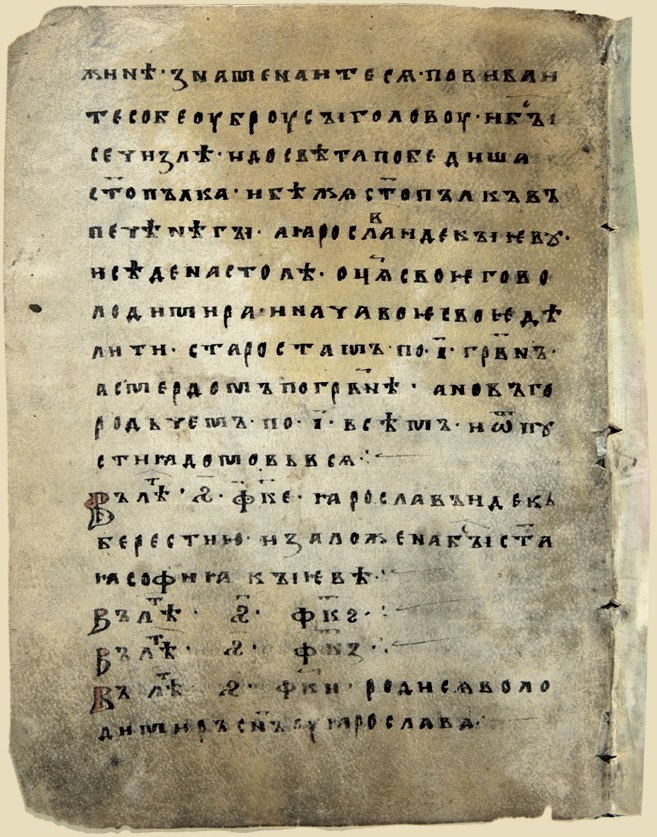 Document
Primary source
Novgorod First Chronicle
13th century (covering events from 1016)
 Document
Secondary source
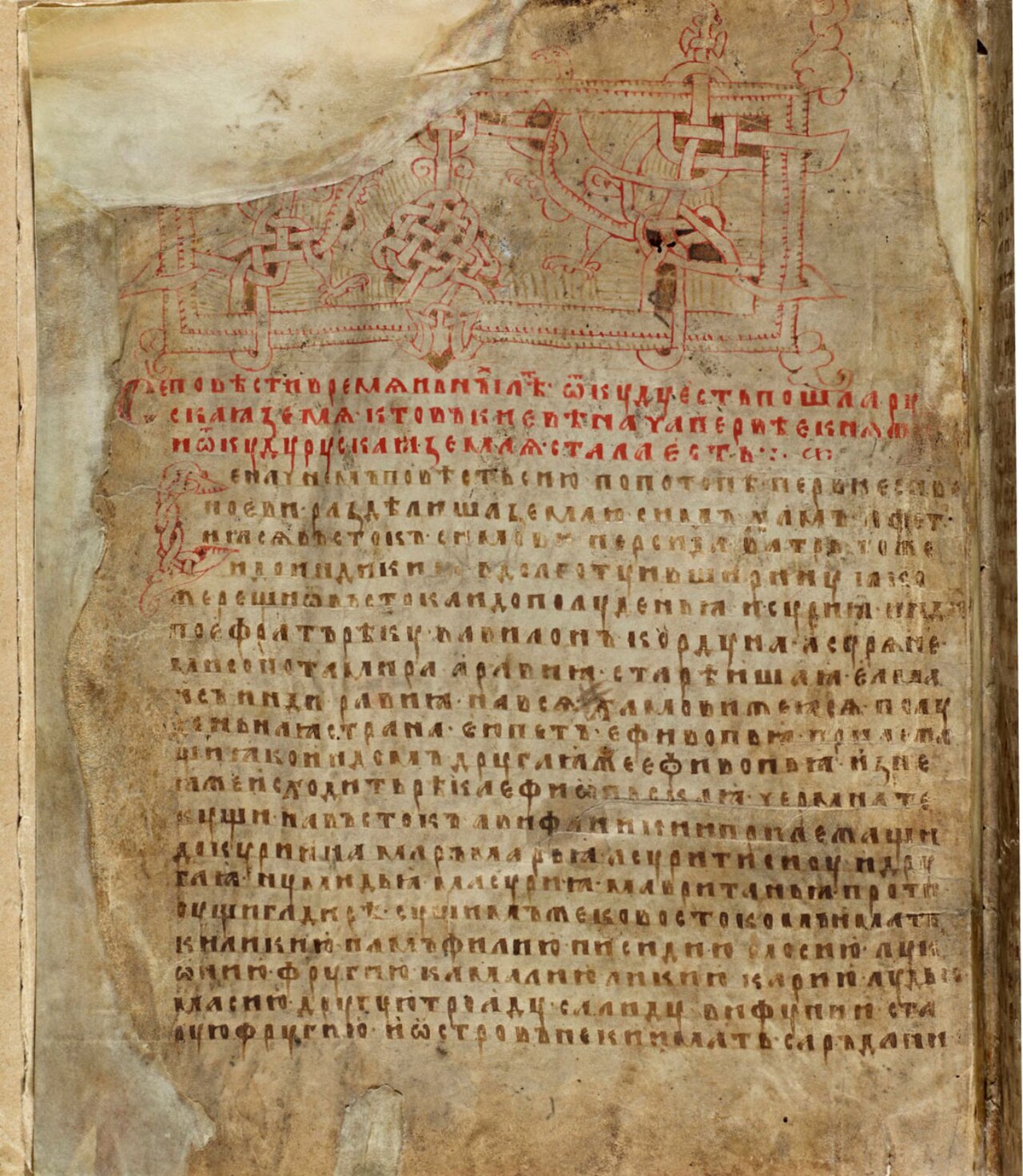
Laurentian Codex
Laurentius · 1377
 Artifact
Primary source
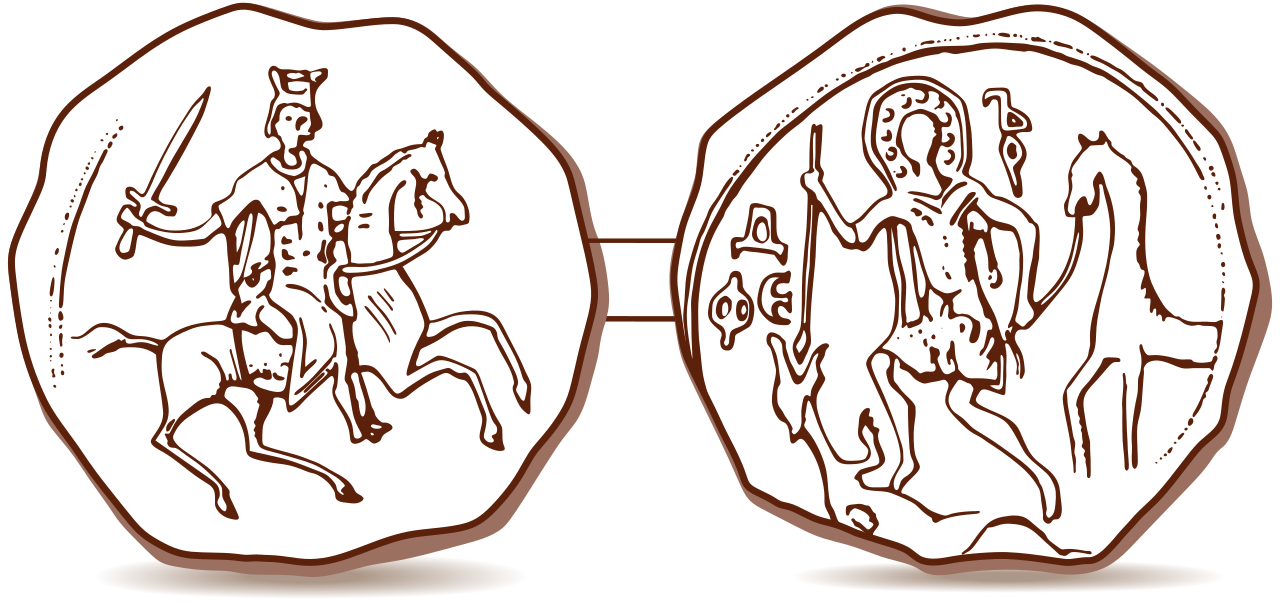
Seal of Alexander Nevsky
13th century
 Artifact
Primary source
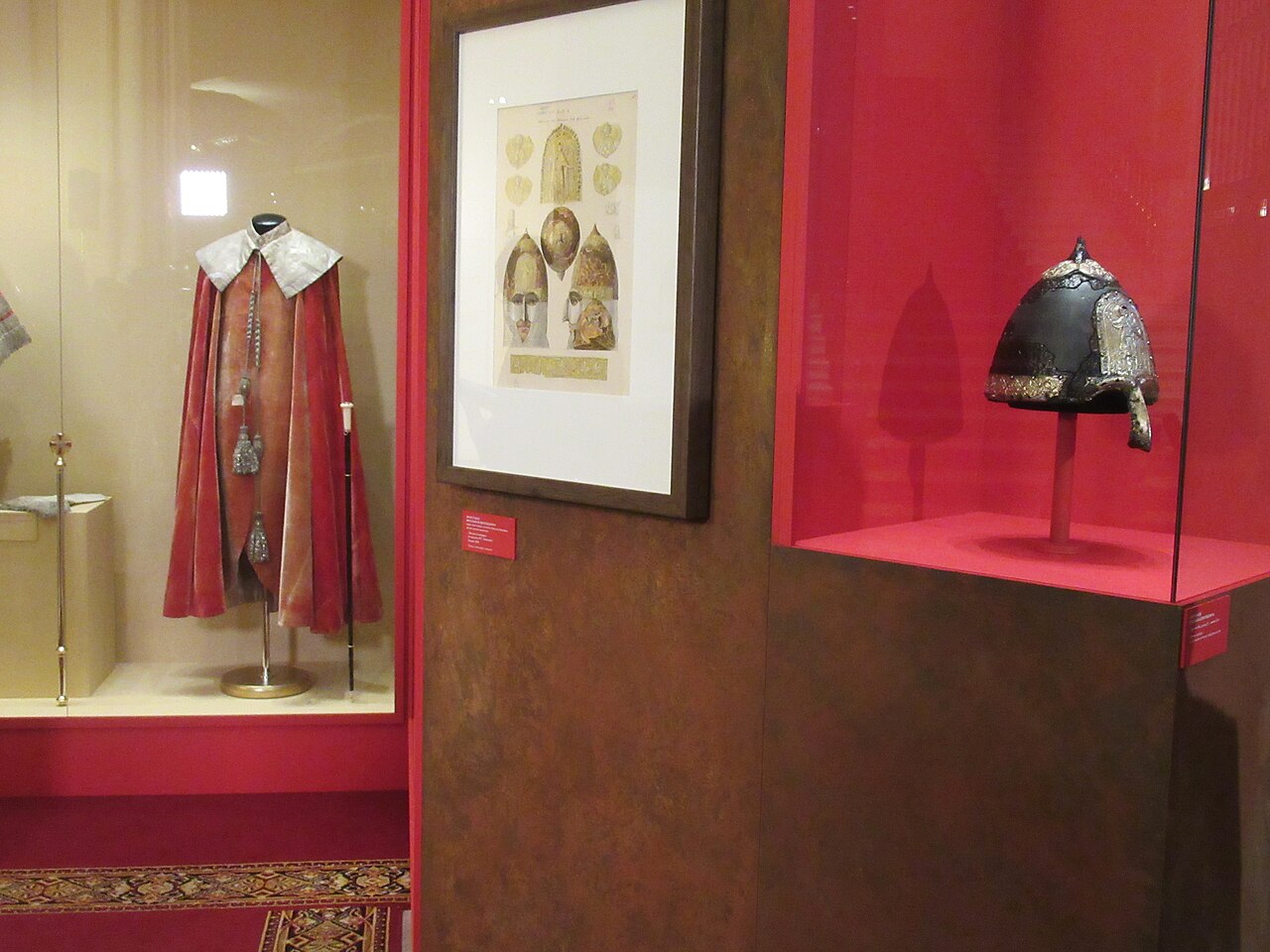
Helmet of Yaroslav Vsevolodovich
Rus' armourers · early 13th century

Free account
Read every Alexander Nevsky source
Sign up free →
Ready when you are
Start chatting with Alexander Nevsky now.
20 messages free · No credit card · Available in 50+ languages.