


Primary sourcePainting1866, reworked 1880-81 and 1897
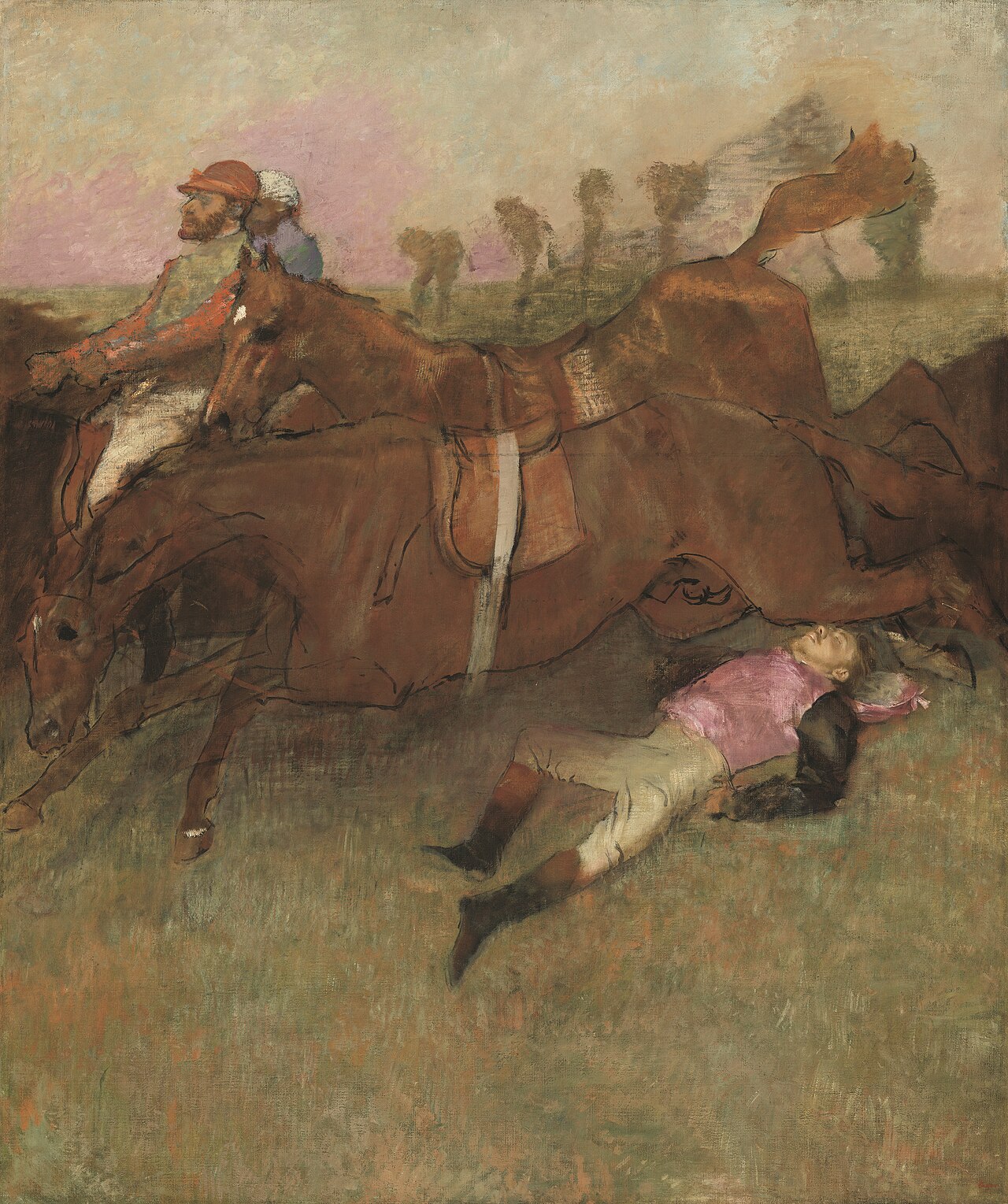
Scene from the Steeplechase: The Fallen Jockey
Edgar Degas · 1866, reworked 1880-81 and 1897
An oil painting by Edgar Degas of a steeplechase race with a jockey fallen on the ground, marking his shift to modern subjects.
Painted and reworked by Degas, this canvas shows his lifelong interest in horse racing and his move to modern subjects.
About this source
What it is
Painted by Edgar Degas in 1866 and reworked later in his life, this large oil painting is now in the National Gallery of Art, Washington, D.C. It shows horses racing across a steeplechase course while one jockey lies fallen and motionless in the foreground. It was exhibited at the Paris Salon of 1866.
Why it matters
This painting marked Degas's shift away from historical subjects toward contemporary, fashionable scenes like horse racing. Some scholars believe the fallen jockey may have been modeled on Degas's own brother, raising questions about personal meaning behind the image. Critics at the time were unimpressed, and Degas later admitted he did not fully understand horse anatomy when he painted it, prompting him to rework the canvas twice more.
Look closer
- Why do you think Degas chose to leave out spectators and focus only on the horses and jockey?
- What does the empty space around the fallen jockey make you wonder about his fate?
- How did Degas use brushstrokes to suggest speed and movement?
This painting is part of the curated material that grounds the AI version of Edgar Degas on Humy.ai — when students ask about related events, the AI can quote it and cite it.
More Edgar Degas sources
Browse all 94 →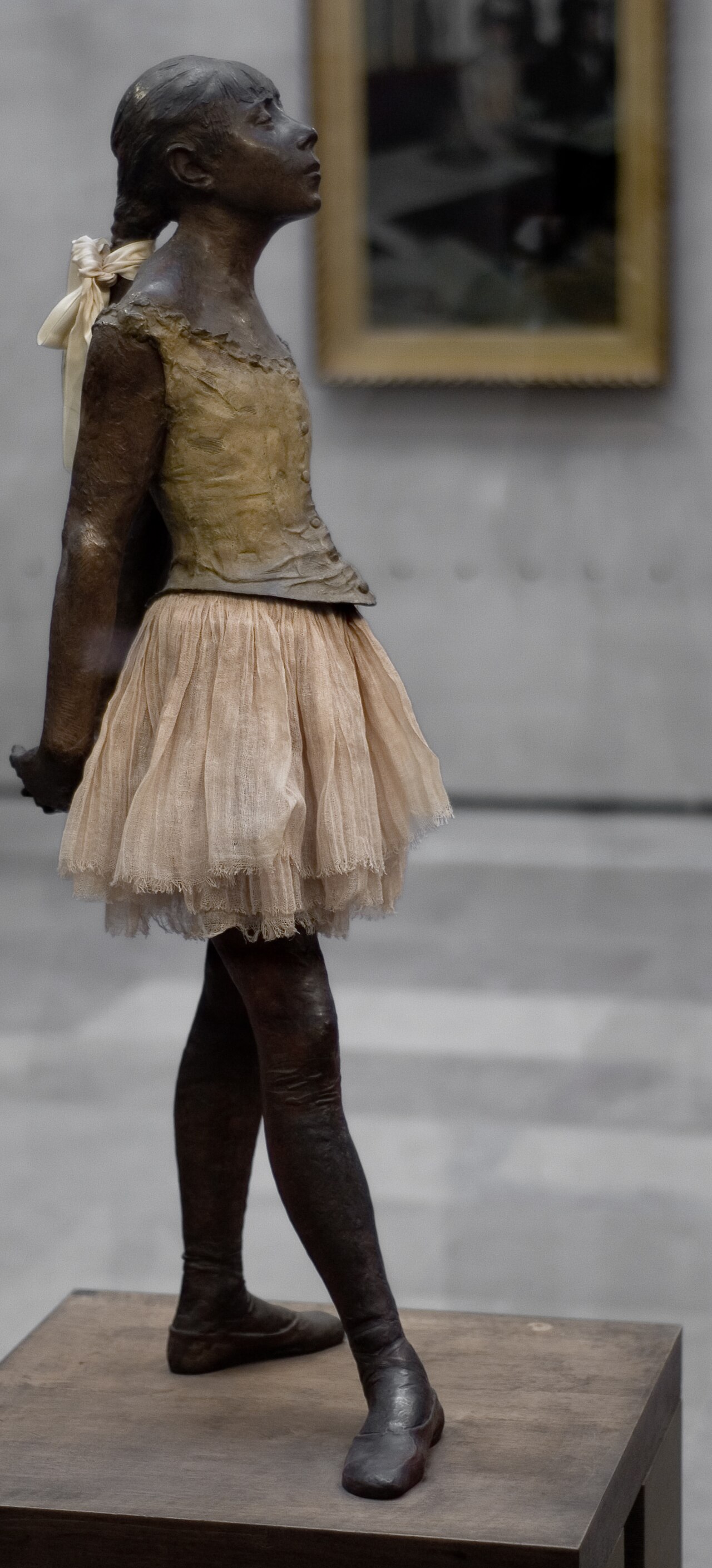 Sculpture
Primary source
Little Dancer of Fourteen Years
Edgar Degas · 1881
 Painting
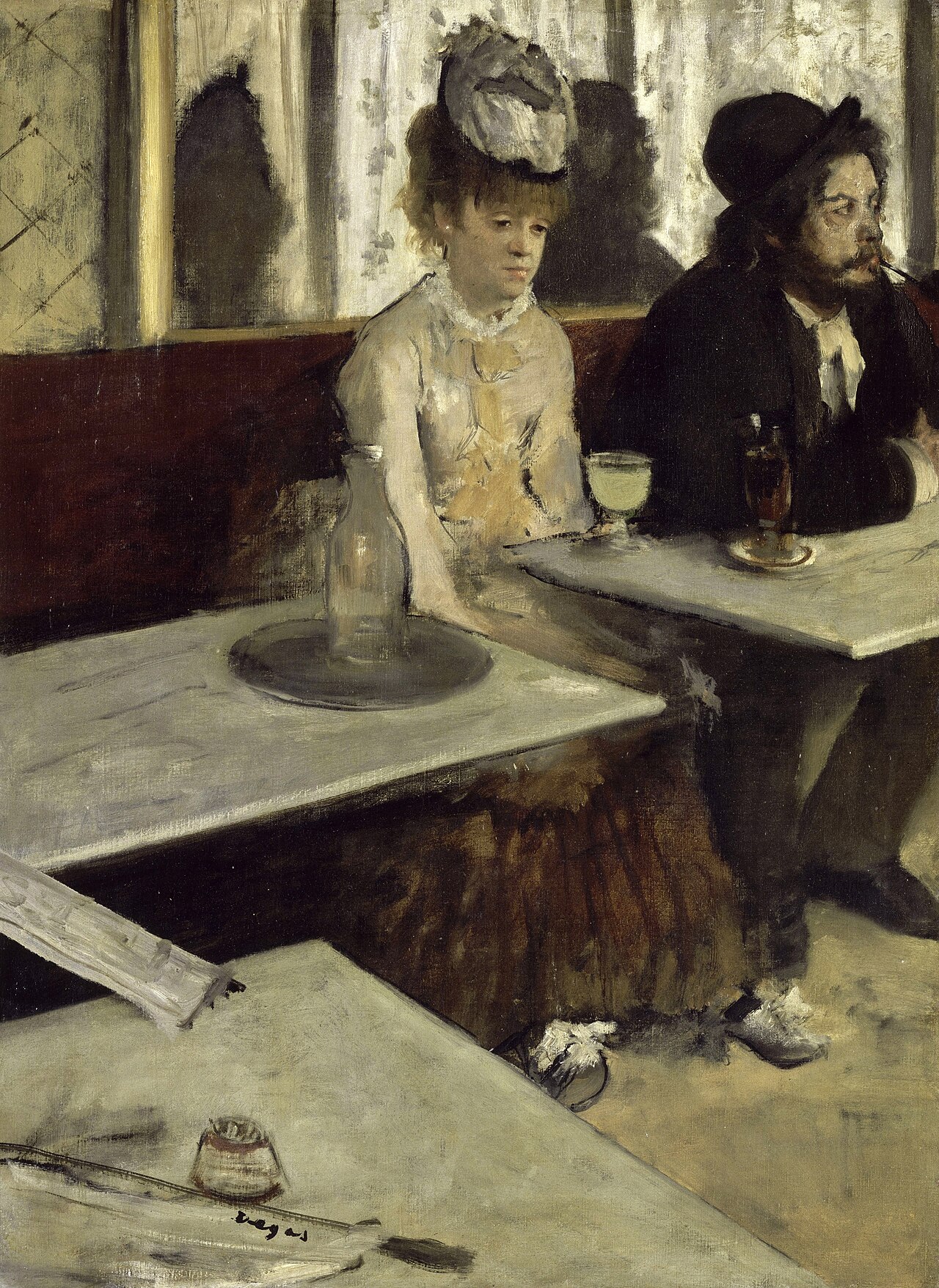
Primary source
L'Absinthe
Edgar Degas · 1875-1876
 Painting
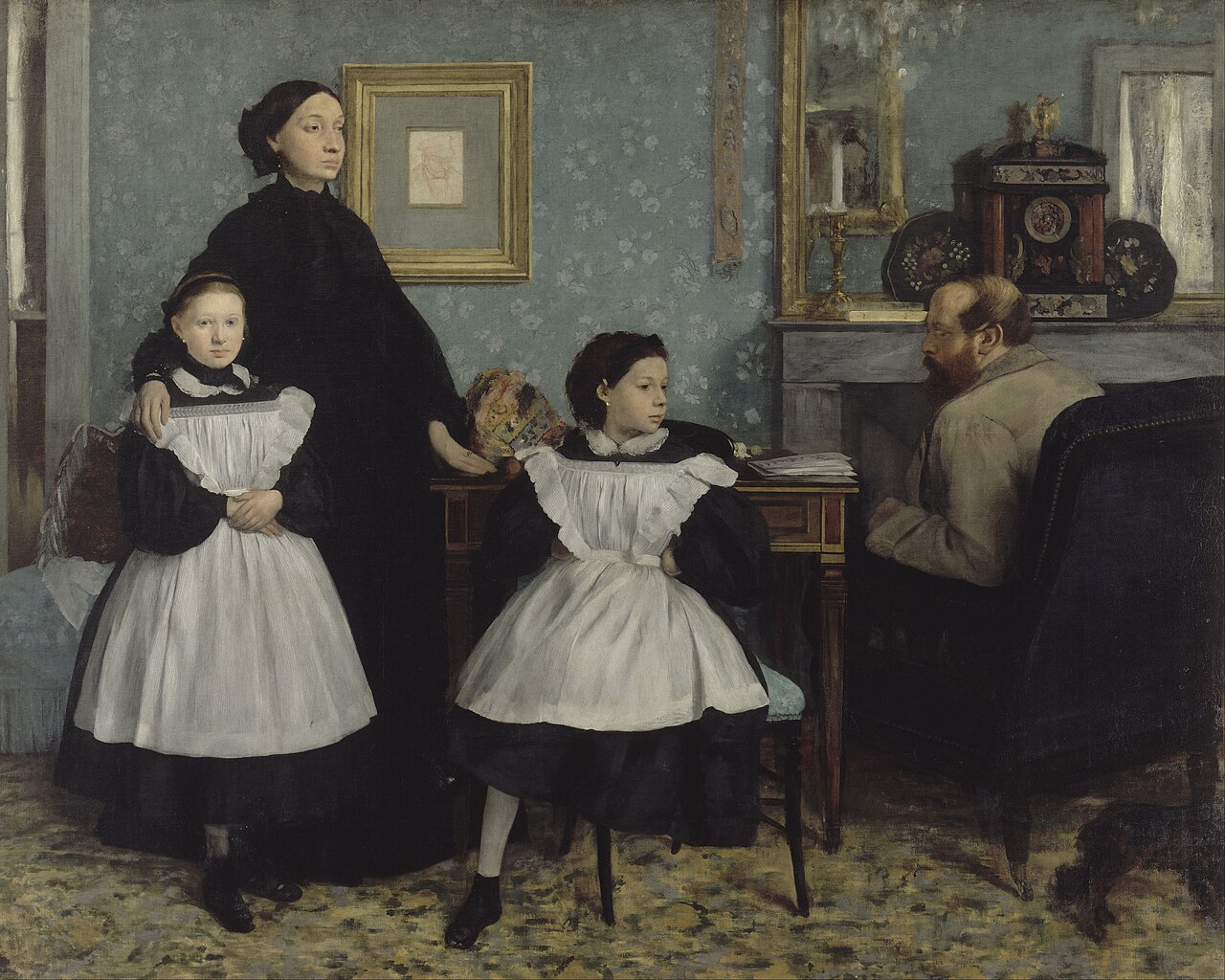
Primary source
The Bellelli Family
Edgar Degas · c. 1858-1867
 Painting
Primary source
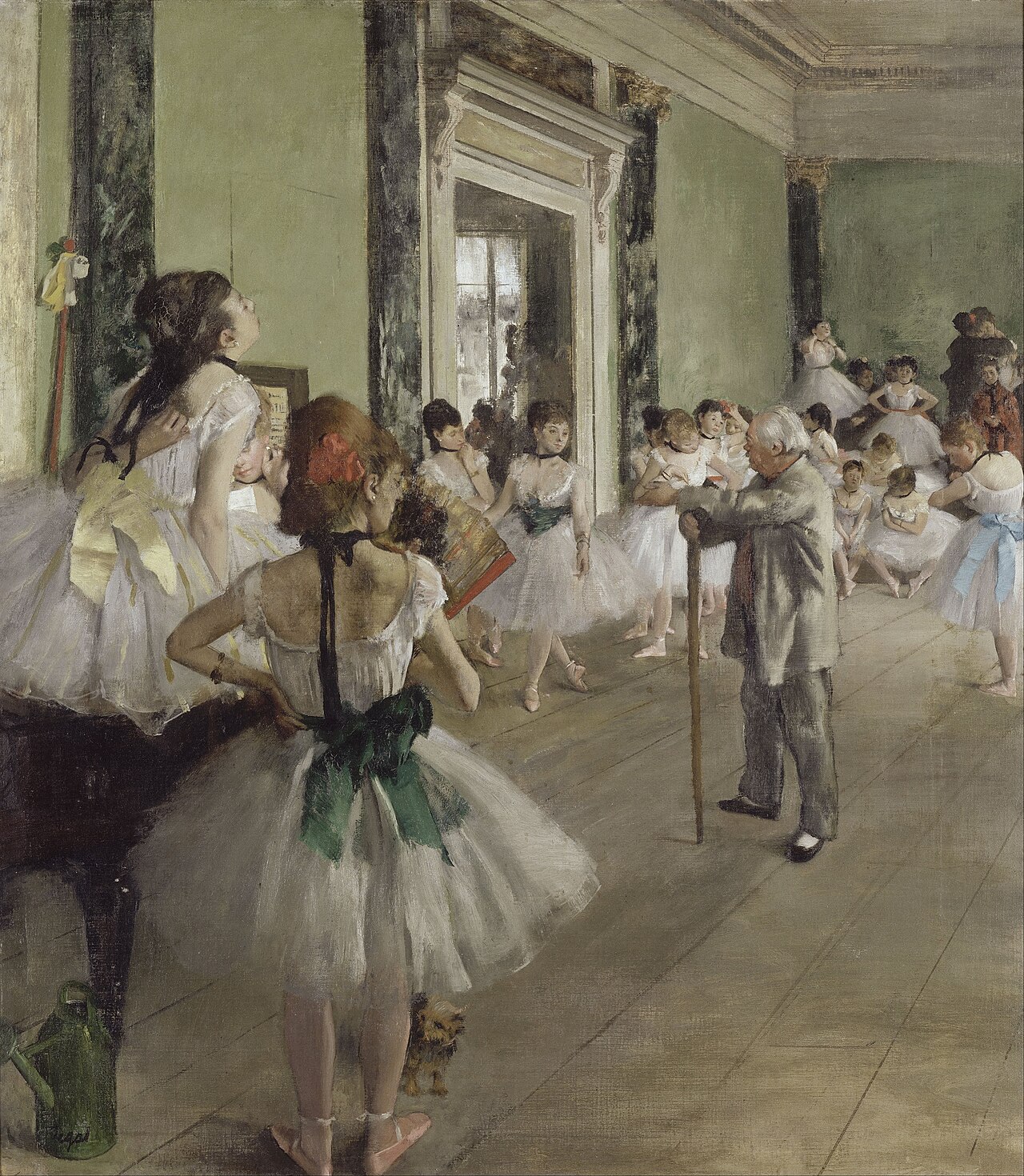
The Ballet Class
Edgar Degas · 1874-1876
Free account
Read every Edgar Degas source
Sign up free →
Ready when you are
Start chatting with Edgar Degas now.
20 messages free · No credit card · Available in 50+ languages.