


Tertiary sourcePhotograph
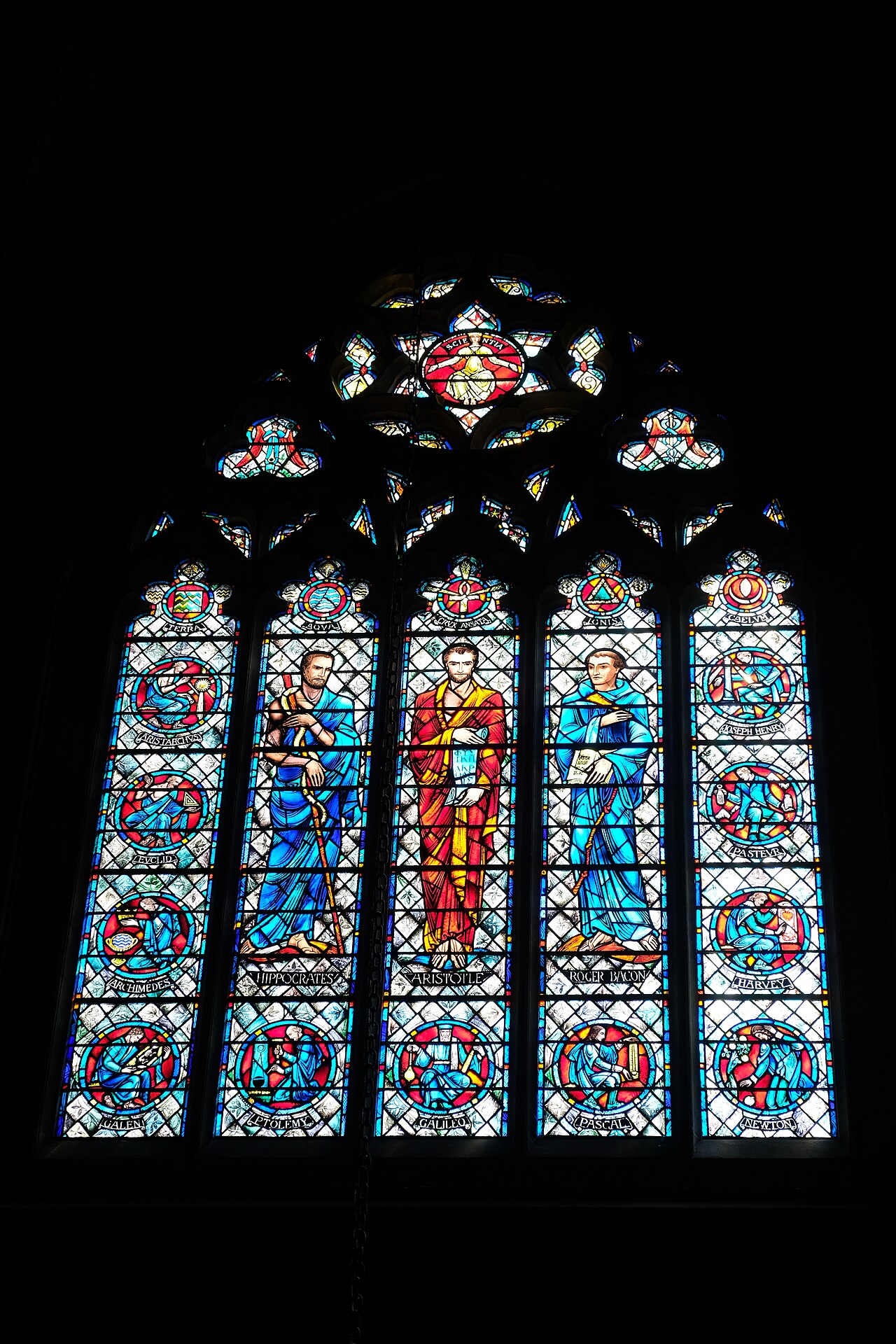
Science Window, Princeton University Chapel
David Keddie
A stained-glass window at Princeton University Chapel honoring great scientists, created to commemorate Henry's legacy there.
This window at Princeton, where Henry worked before leading the Smithsonian, commemorates his place in the history of science.
About this source
What it is
This photograph shows a tall Gothic stained-glass window in the Princeton University Chapel. It depicts historical figures of science, including Hippocrates, Aristotle, Roger Bacon, and roundels of Archimedes, Galileo, Pascal, Harvey, and Newton, topped with a rose window.
Why it matters
Joseph Henry taught and conducted important research at what later became Princeton University before leading the Smithsonian Institution. This window situates him within a larger tradition of scientific achievement honored by the university, showing how institutions commemorate scientists as part of a long historical lineage.
Look closer
- Why might a university chapel choose to honor scientists in its stained-glass windows?
- What does placing historical scientists together in one window suggest about how we tell the story of science?
- What is left out of this kind of commemorative artwork?
This photograph is part of the curated material that grounds the AI version of Joseph Henry on Humy.ai — when students ask about related events, the AI can quote it and cite it.
More Joseph Henry sources
Browse all 69 →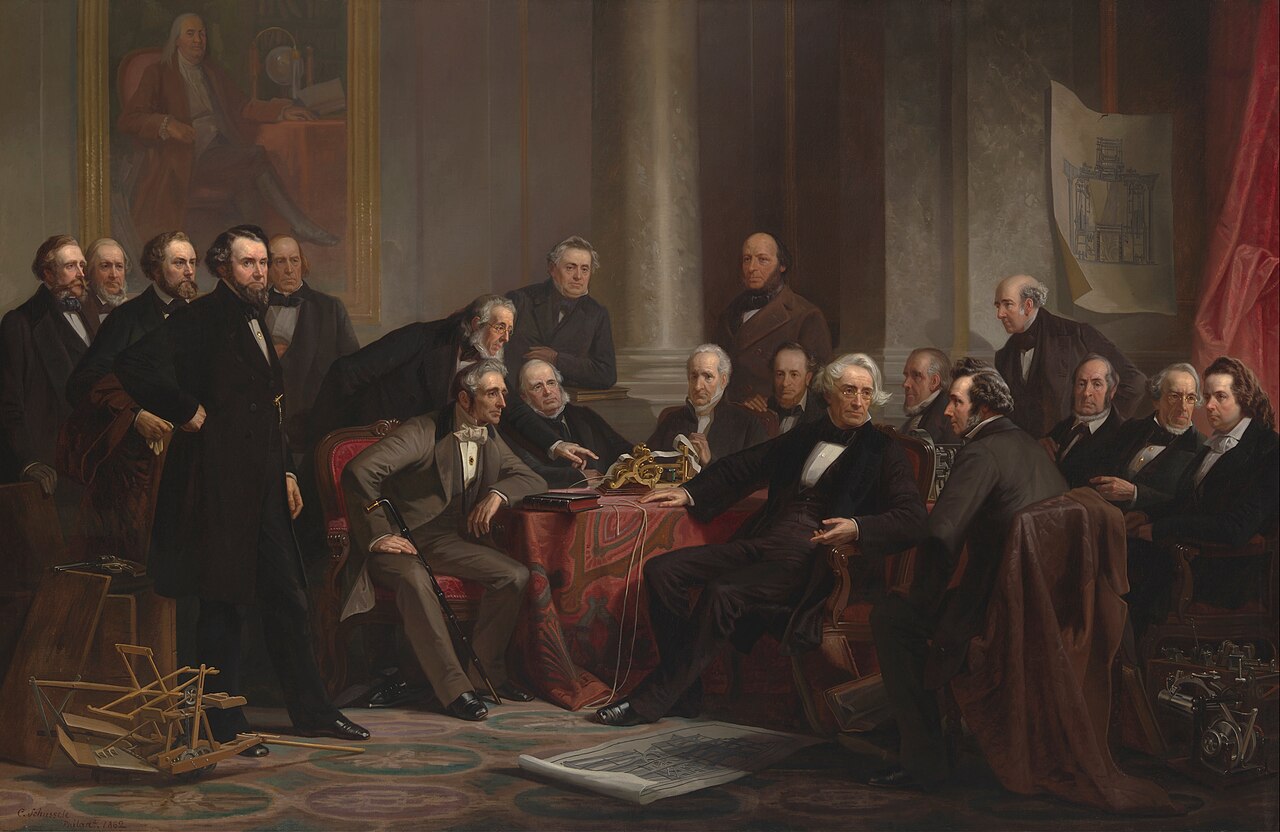 Painting
Secondary source
Men of Progress
Christian Schussele · 1862
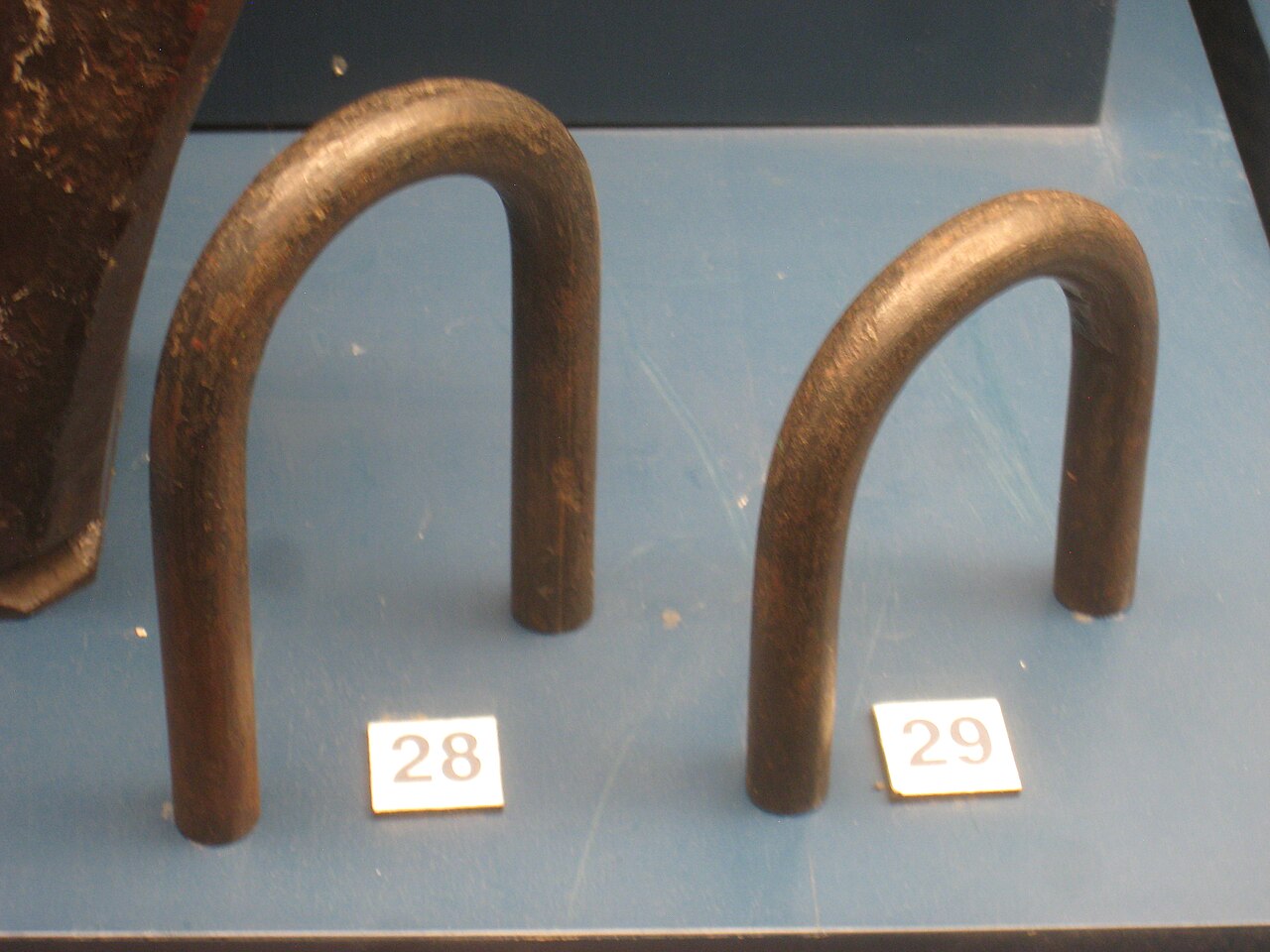 Artifact
Primary source
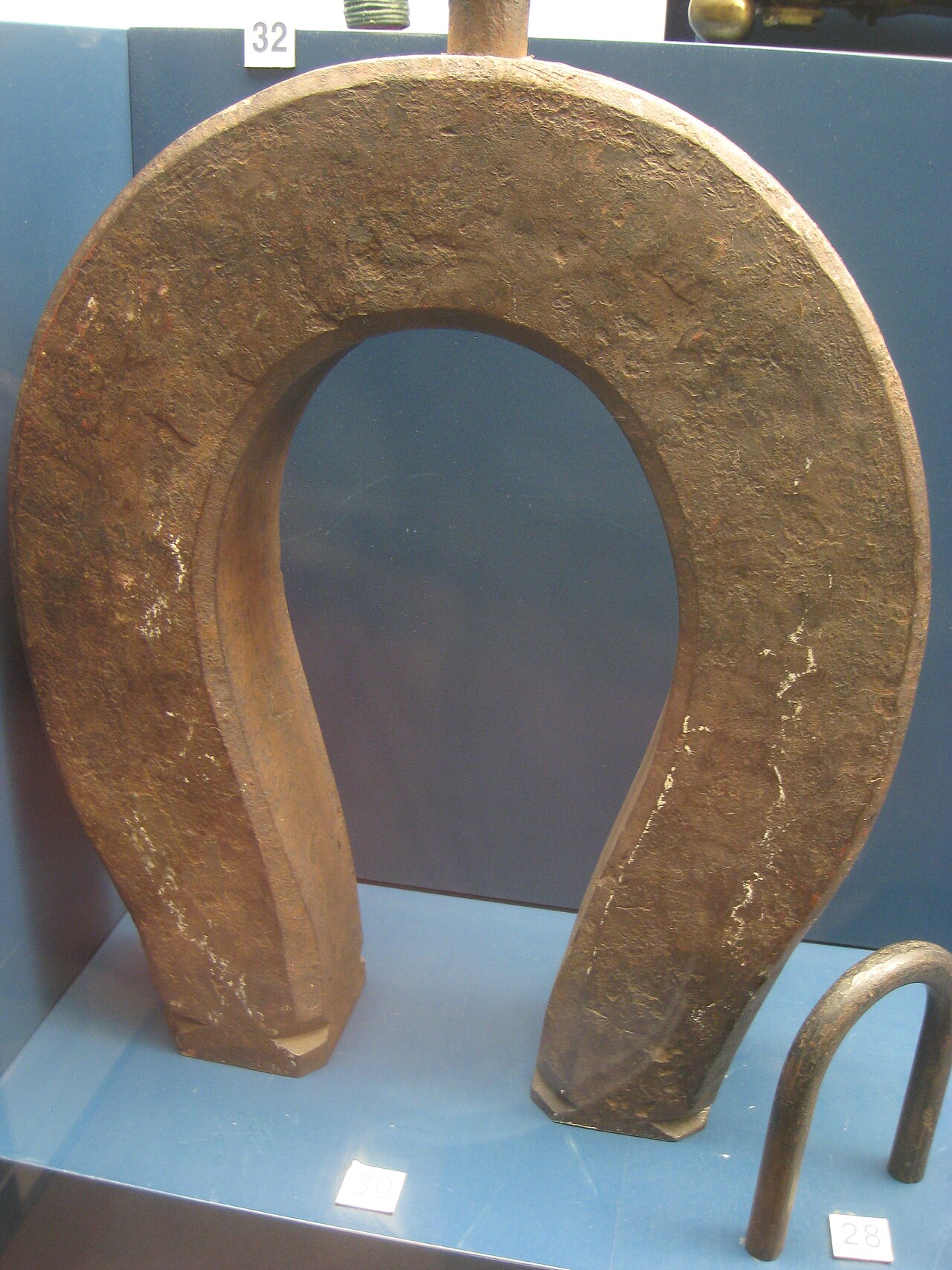
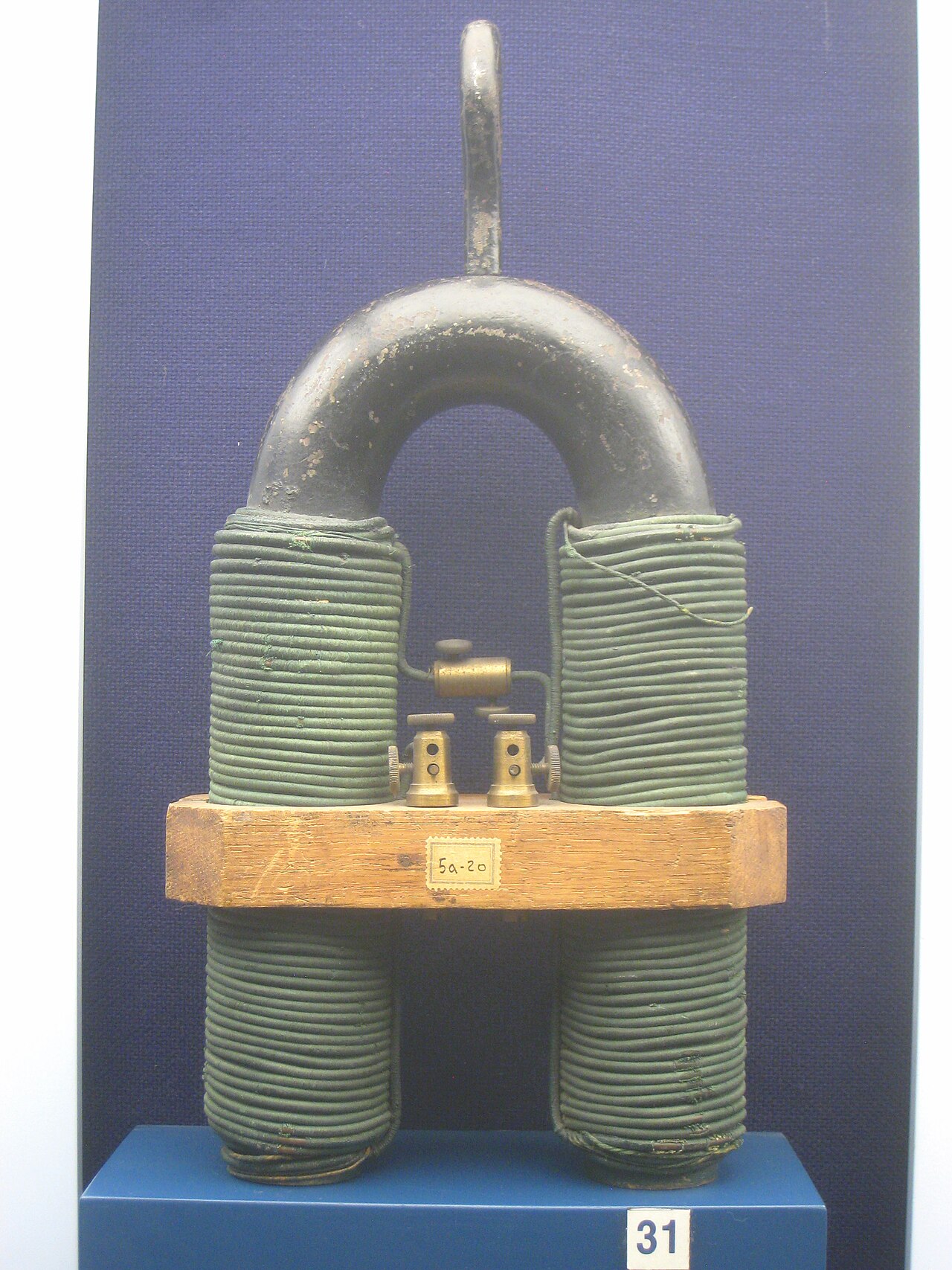
Magnet cores, 1827
Joseph Henry · 1827
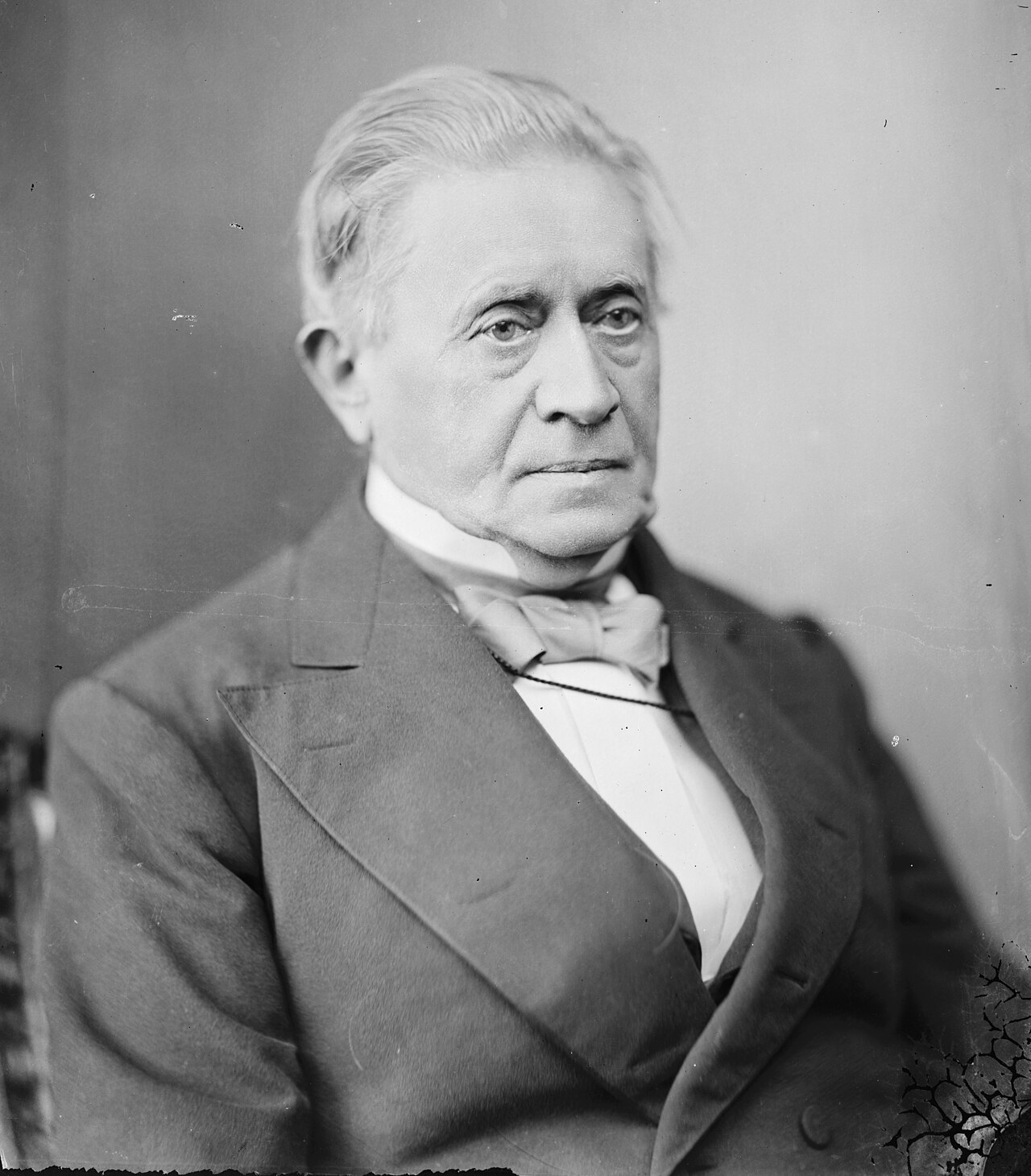 Photograph
Primary source
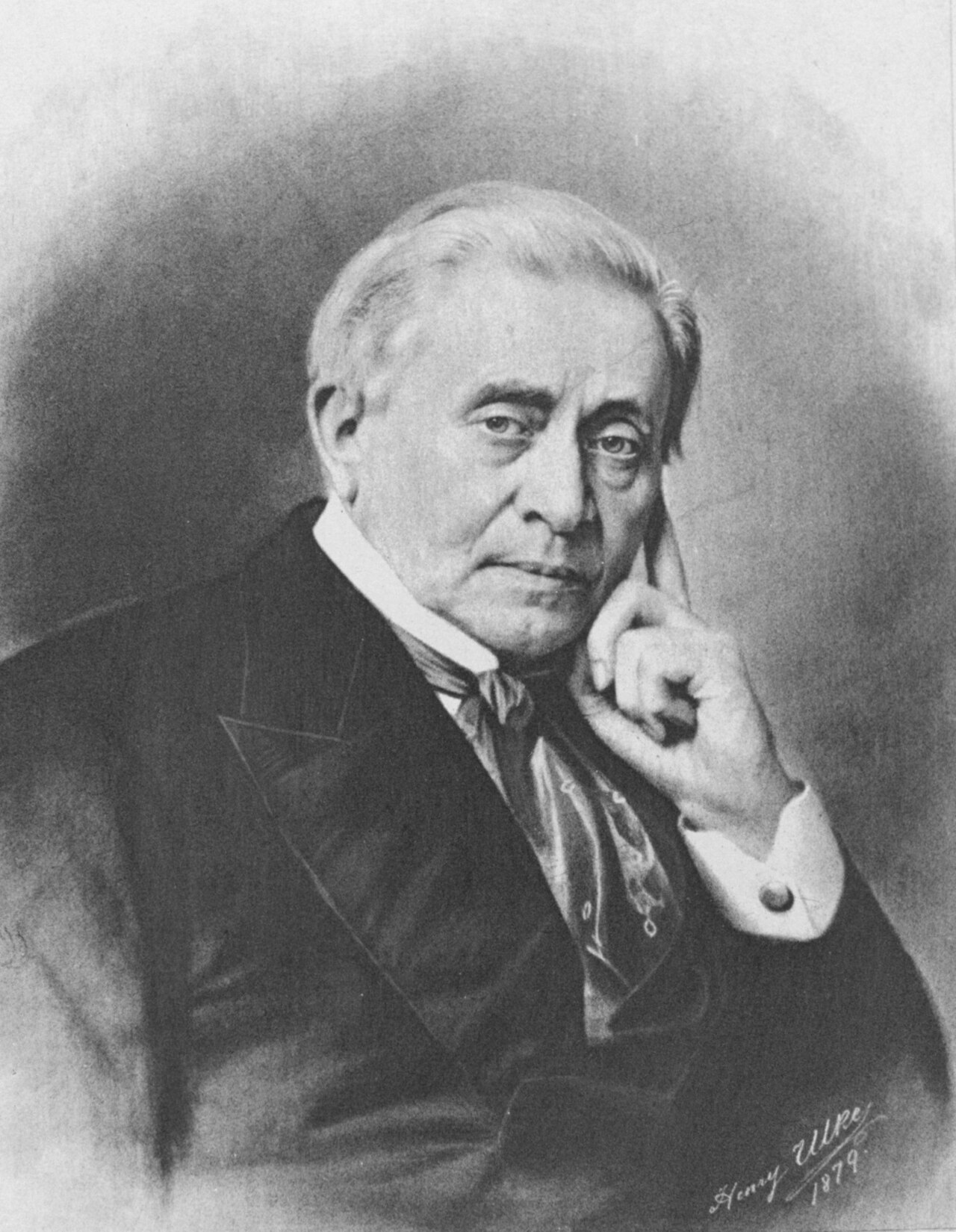
Joseph Henry - Brady-Handy
Mathew Brady or Levin Handy
 Artifact
Primary source
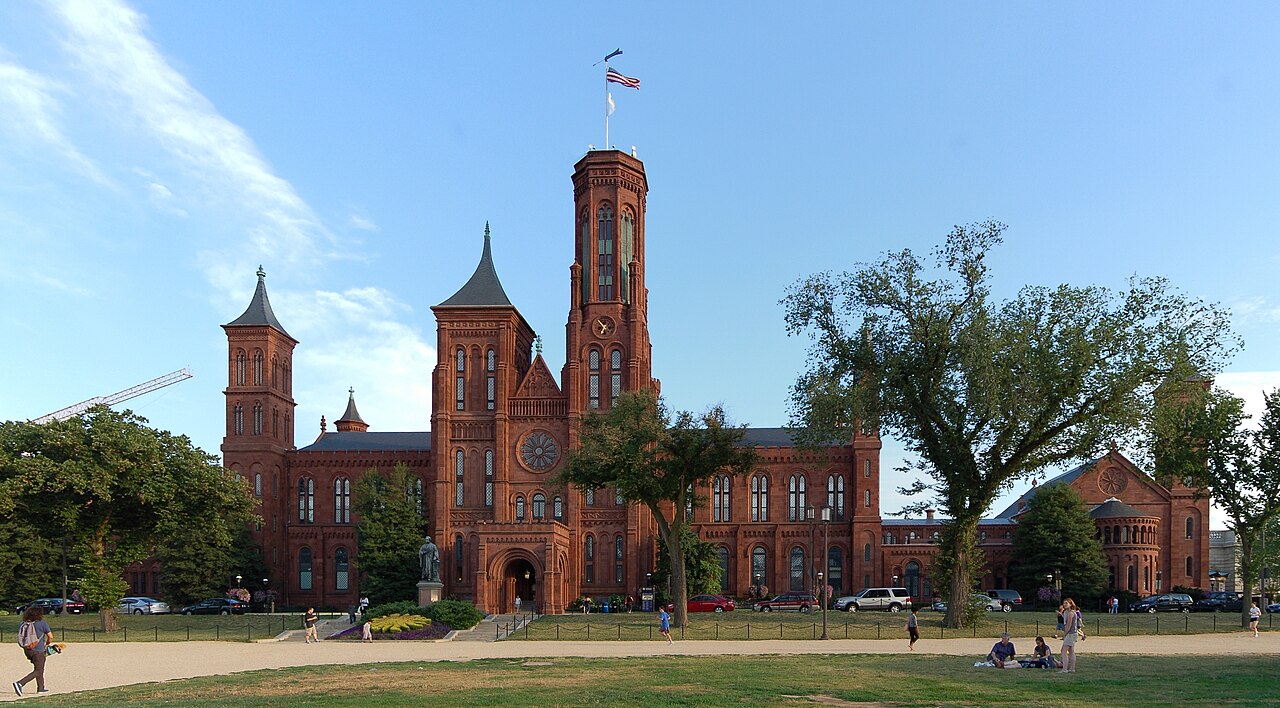
Smithsonian Institution Building
James Renwick Jr. · 1849
Free account
Read every Joseph Henry source
Sign up free →
Ready when you are
Start chatting with Joseph Henry now.
20 messages free · No credit card · Available in 50+ languages.