


Secondary sourcePaintingc. 1640
Scipio Returning the Spanish Bride
Follower of Rembrandt van Rijn · c. 1640
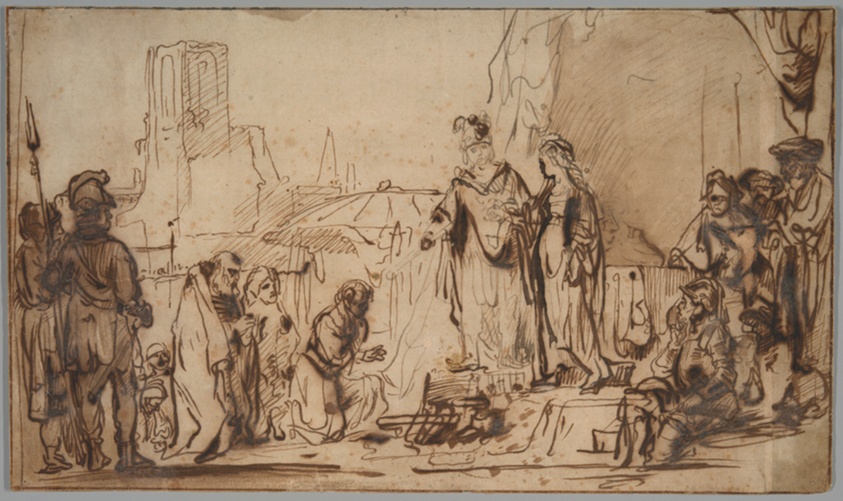
A Dutch pen and wash drawing from c. 1640 in the style of Rembrandt, showing Scipio restoring a captive bride to her family. It was made by an unnamed follower of Rembrandt.
The drawing depicts Scipio returning a captive bride, a story from his life, as imagined by a 17th-century Dutch artist.
About this source
What it is
This is a pen and brown ink drawing with brush and brown wash, with touches of graphite, on cream laid paper. It was made in the Netherlands around 1640 by a follower of Rembrandt van Rijn. The drawing shows a man in a cloak and a woman in a veiled headdress beside a brazier at the centre right. A kneeling man and other figures gather on the left, and a soldier with a spear stands at the far left. Ruined buildings and a tower appear in the background. The Art Institute of Chicago holds it.
Why it matters
The curator describes the drawing as showing Scipio restoring a captive bride to her family. Scipio Africanus lived from 235 to 183 BCE, so the drawing is almost eighteen centuries later and shows how a 17th-century Dutch artist pictured the story. Its style follows Rembrandt, whose name is used to describe the follower's manner. The drawing shows how artists copied and adapted the work of a famous master.
Look closer
- How does the artist use wash and the brazier to guide your eye across the scene?
- Which figure seems to be the central one, and what is the relationship between the man and the woman?
- Why might an artist working in another artist's style not sign the work?
This painting is part of the curated material that grounds the AI version of Scipio Africanus on Humy.ai — when students ask about related events, the AI can quote it and cite it.
More Scipio Africanus sources
Browse all 94 →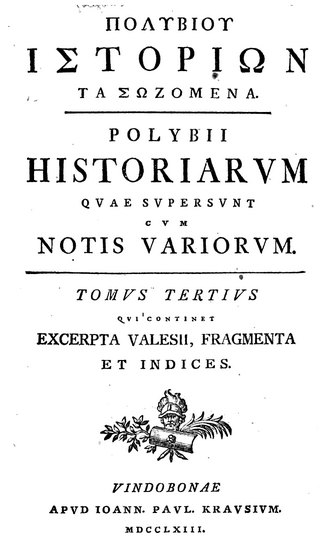 Book
Secondary source
The Histories
Polybius · c. 150 BCE
 Book
Primary source
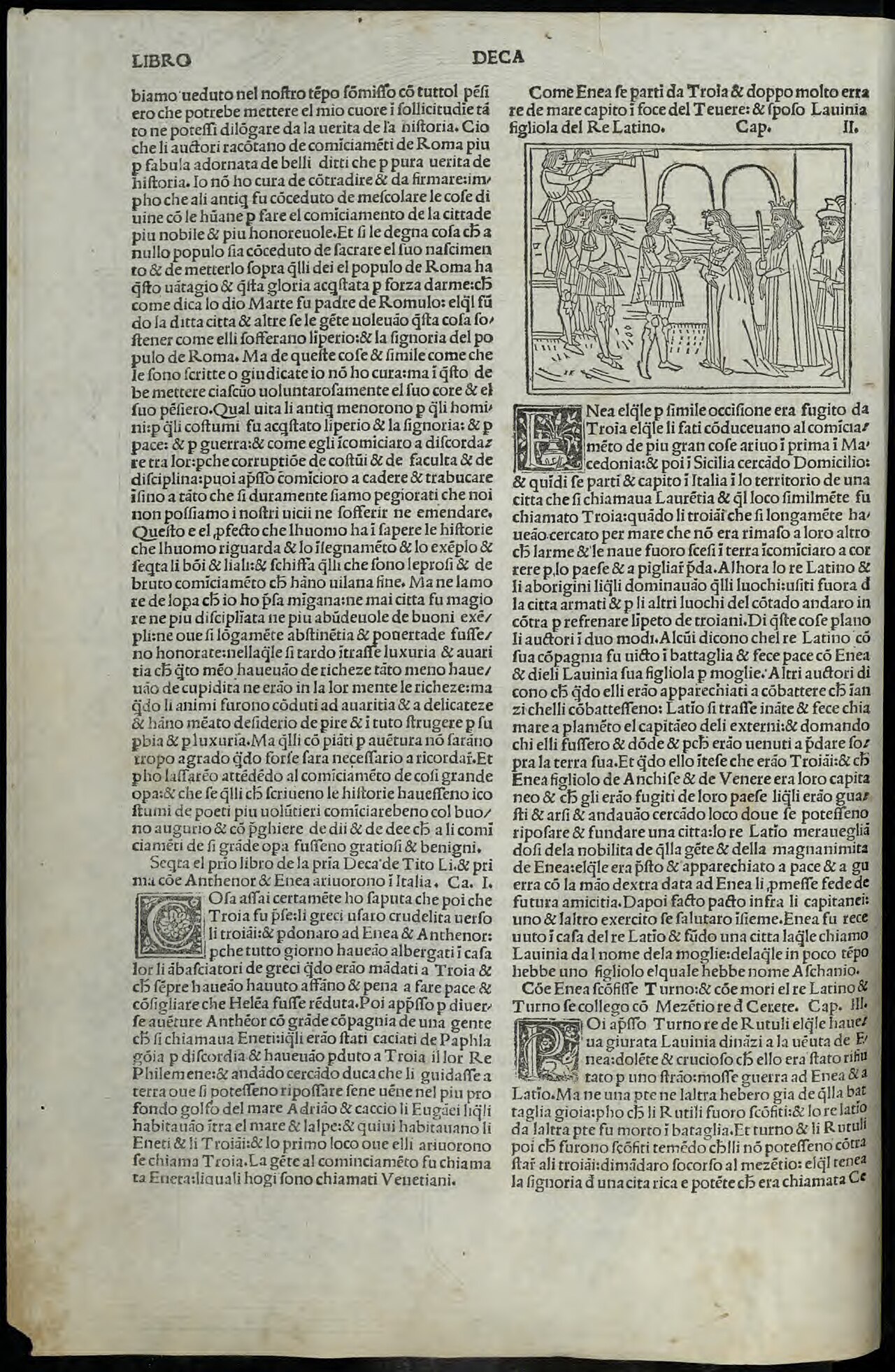
History of Rome
Titus Livius · 27-9 BC
 Book
Secondary source
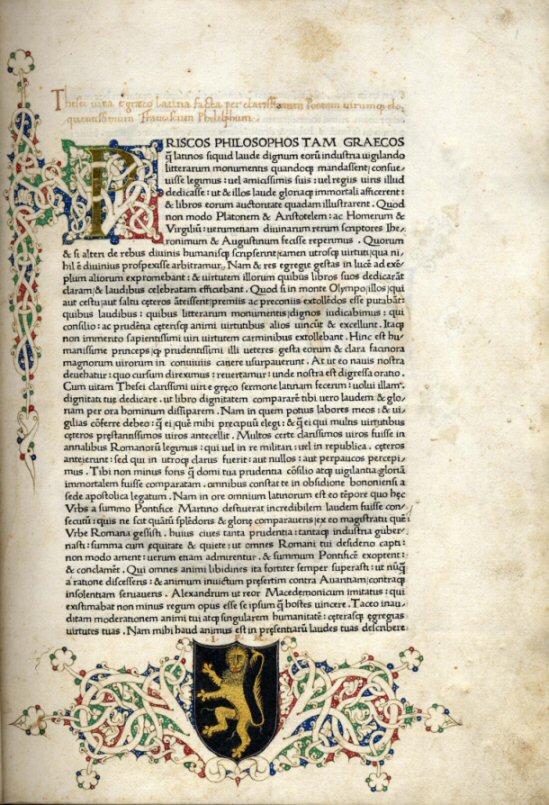
Parallel Lives
Plutarch · c. 100-120 AD
 Letter
Primary source
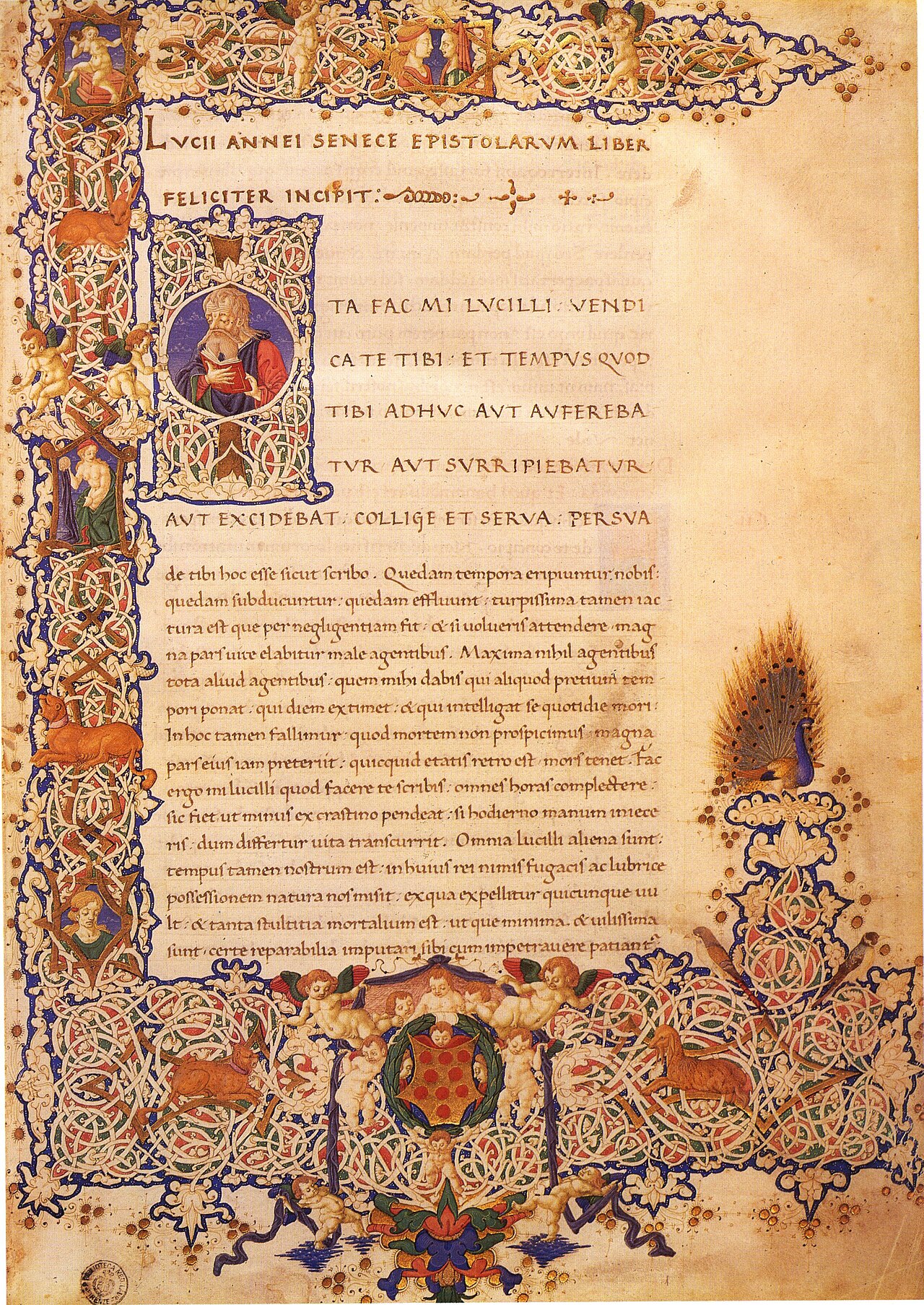
Epistulae Morales ad Lucilium
Seneca · c. 62-65 CE
Free account
Read every Scipio Africanus source
Sign up free →
Ready when you are
Start chatting with Scipio Africanus now.
20 messages free · No credit card · Available in 50+ languages.