


Secondary sourceDocument1726
Scipione
George Frideric Handel · 1726
An opera by George Frideric Handel dramatizing Scipio Africanus's famous act of mercy toward a captive, first staged in London in 1726.
This opera dramatizes Scipio's legendary act of mercy, showing how his reputation for virtue shaped art centuries later.
About this source
What it is
Scipione is an opera seria composed by George Frideric Handel with a libretto by Paolo Antonio Rolli, first performed at the King's Theatre, Haymarket in 1726 for the Royal Academy of Music.
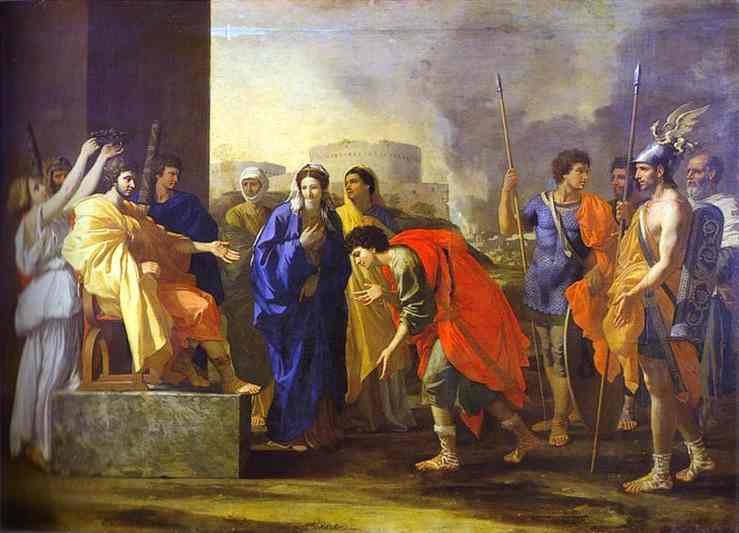
The story is set after the Roman army, led by Scipione, captures New Carthage, and follows his decision to give up a captive woman he loves so she can marry the man she is promised to.
Why it matters
The opera shows how the legend of Scipio Africanus's self-restraint and generosity continued to inspire artists nearly two thousand years after his life. It reveals how 18th-century London audiences used ancient Roman stories to think about virtue, power, and self-control.
The opera's slow march later became associated with British ceremonial tradition, showing how far Scipio's story traveled into modern culture.
Look closer
- Why might Handel and his audience have found a story about a general giving up personal desire so appealing?
- How does turning history into opera change the way we understand Scipio?
- What does the opera leave out about the real historical Scipio?
This document is part of the curated material that grounds the AI version of Scipio Africanus and George Frideric Handel on Humy.ai — when students ask about related events, the AI can quote it and cite it.
More Scipio Africanus sources
Browse all 94 → Book
Secondary source
The Histories
Polybius · c. 150 BCE
 Book
Primary source
History of Rome
Titus Livius · 27-9 BC
 Book
Secondary source
Parallel Lives
Plutarch · c. 100-120 AD
 Letter
Primary source
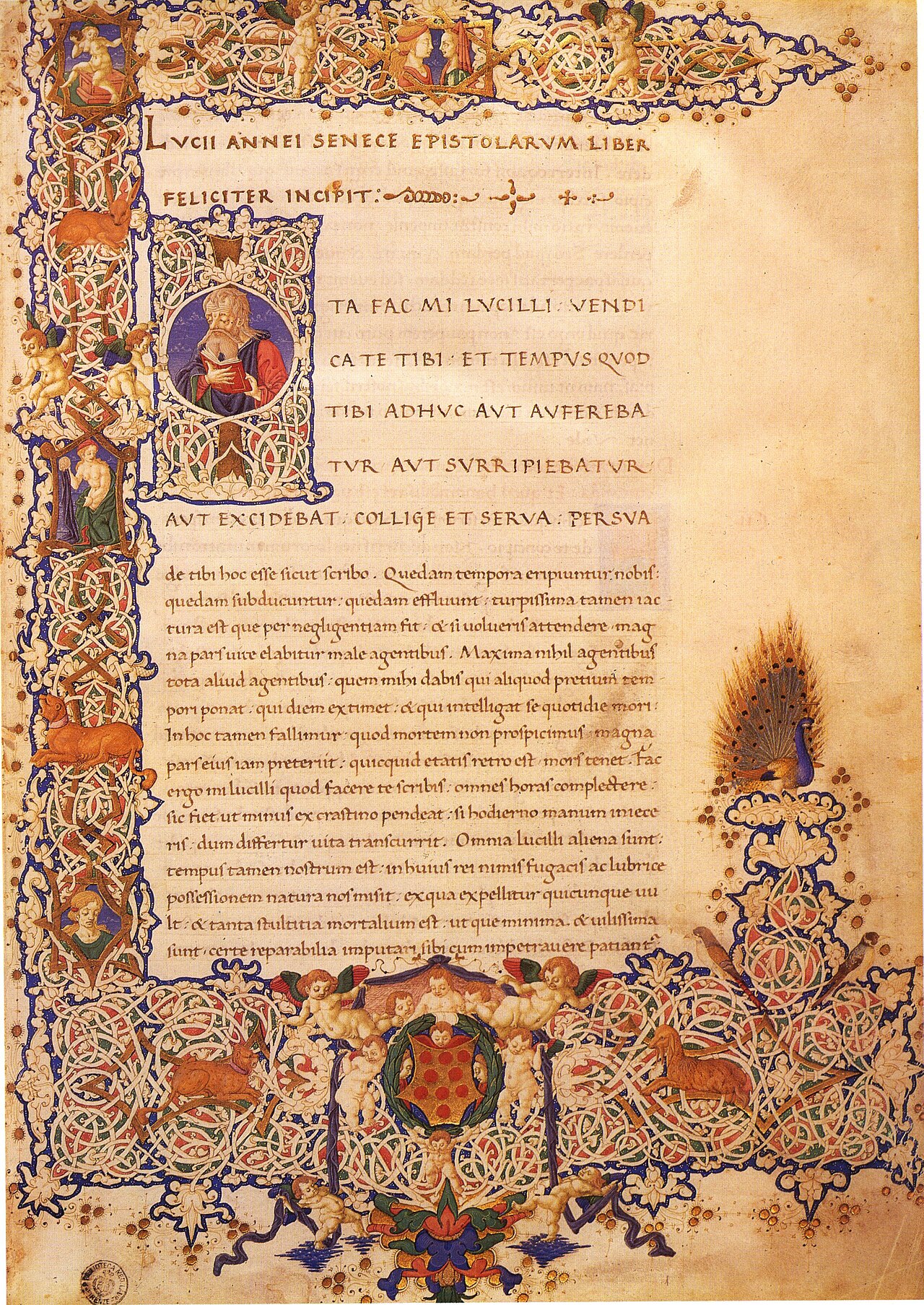
Epistulae Morales ad Lucilium
Seneca · c. 62-65 CE
Free account
Read every Scipio Africanus source
Sign up free →
Ready when you are
Start chatting with Scipio Africanus now.
20 messages free · No credit card · Available in 50+ languages.