


Secondary sourcePhotographca. 1859
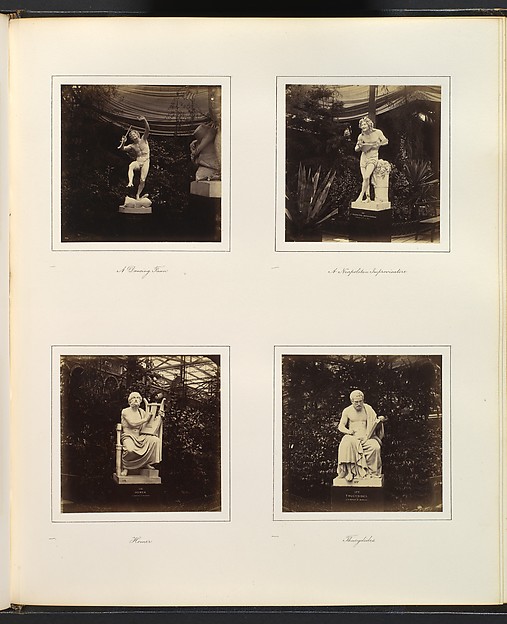
Sculptures of a Dancing Faun, a Neapolitan Improvisatore, Homer, and Thucydides
Philip Henry Delamotte · ca. 1859
An 1859-era albumen photograph by Philip Henry Delamotte showing a marble statue of Thucydides beside other sculptures. It records a later sculpture rather than the historian himself.
Shows a later marble sculpture of Thucydides, placed in a photographed group of sculptures, so students can see how he was visually remembered.
About this source
What it is
This is an albumen print made from a glass negative by Philip Henry Delamotte, dated around 1859. It shows an album page with four sepia photographs of white marble sculptures set in a glasshouse with plants: a dancing faun, a Neapolitan improvisatore, a seated Homer, and a seated Thucydides holding a scroll, labeled beneath. The print is held by The Metropolitan Museum of Art and came to the museum through the Gilman Collection in 2005.
Why it matters
The photograph does not show Thucydides as he was. The statue it records was made more than two thousand years after his lifetime, so the image is a secondary source. It shows how nineteenth-century people chose to display and imagine ancient Greek writers, placing Thucydides beside Homer in a collection of sculptures. Images like this helped shape how later readers pictured the authors whose works they studied.
Look closer
- What does the scroll in the seated Thucydides suggest about how he is meant to be understood?
- Why might a photographer around 1859 have chosen to show sculptures in a glasshouse full of plants?
- What does the photograph leave out about the sculptor, and about the people who first displayed these works?
This photograph is part of the curated material that grounds the AI version of Thucydides on Humy.ai — when students ask about related events, the AI can quote it and cite it.
More Thucydides sources
Browse all 71 →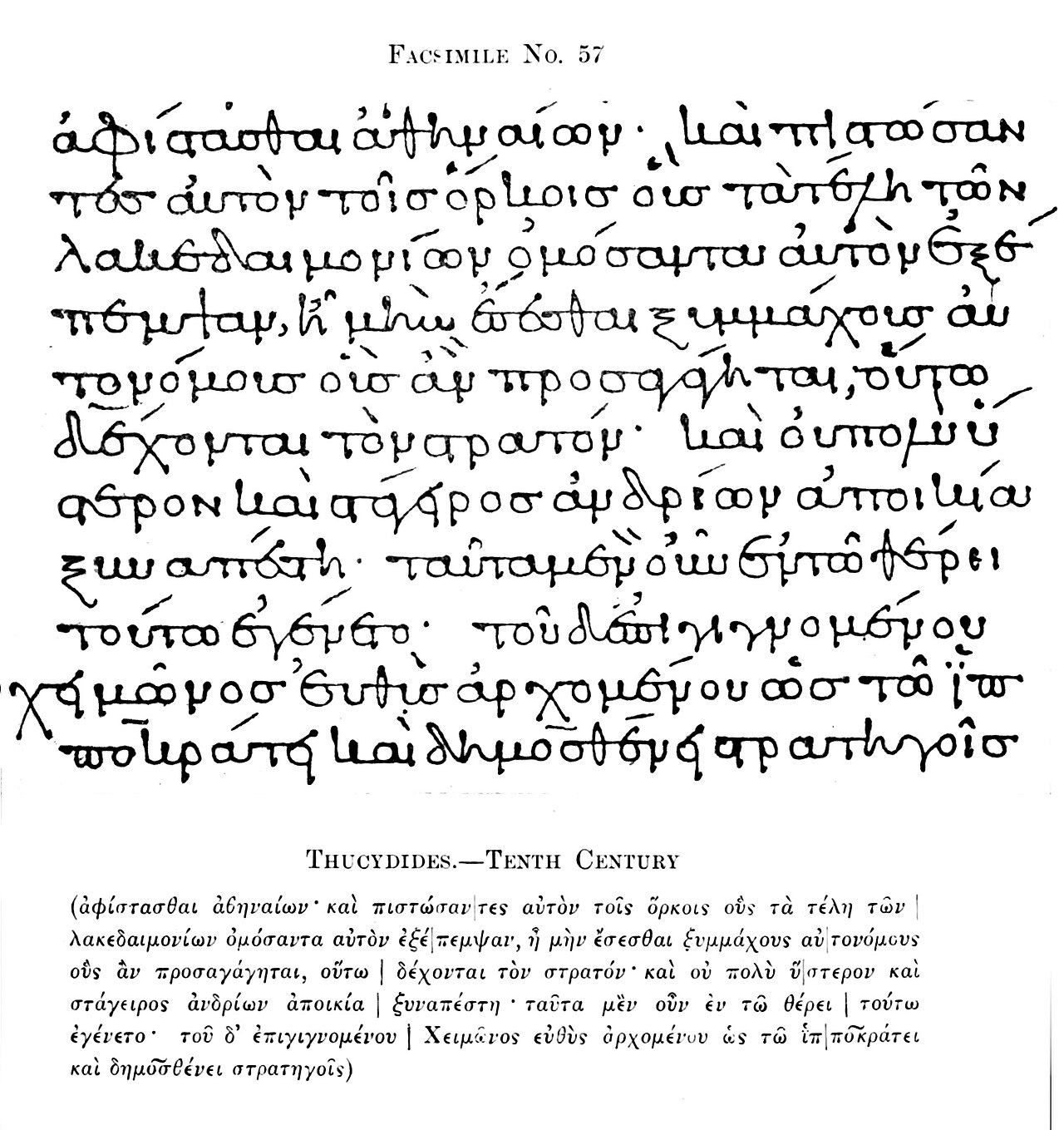 Book
Primary source
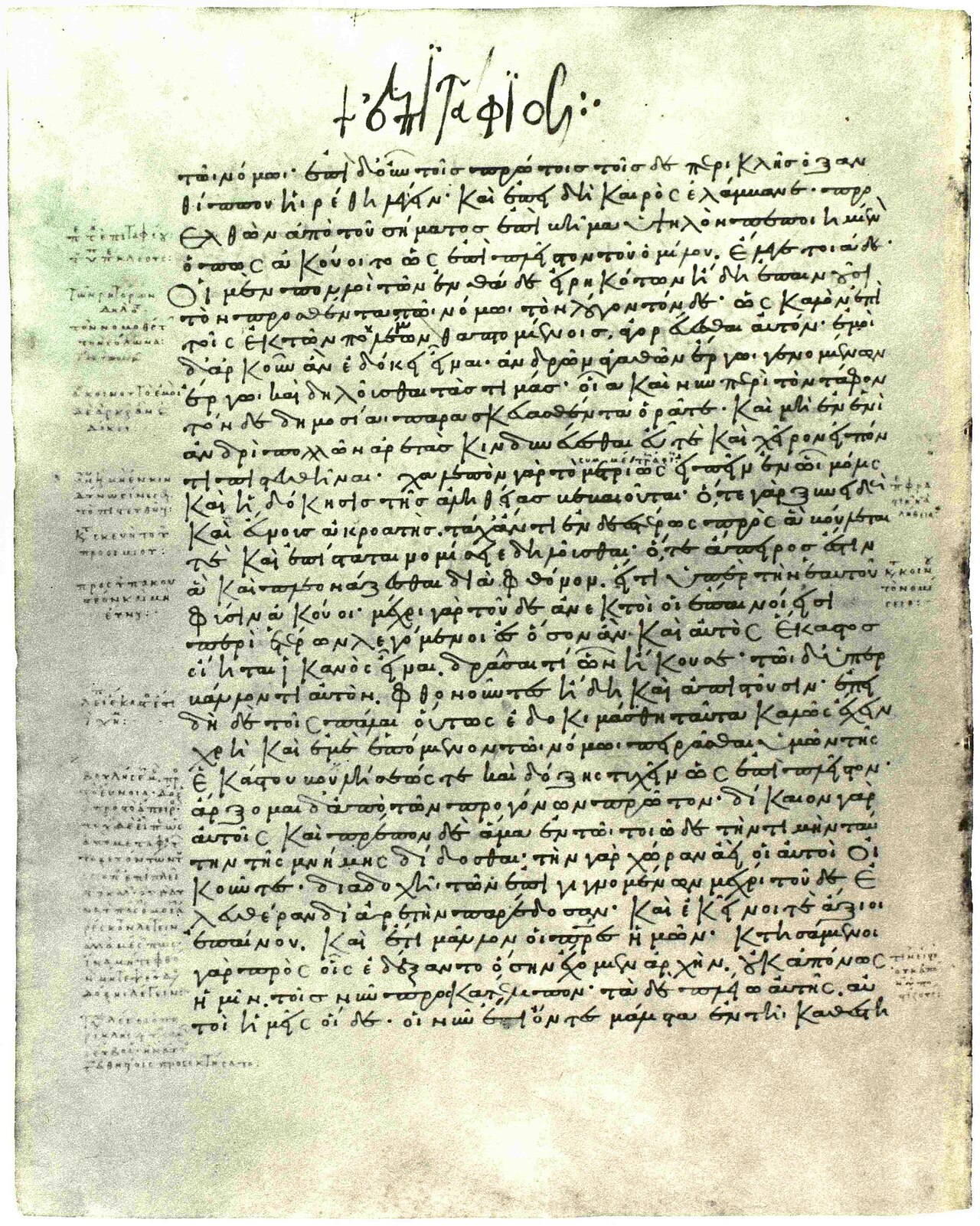
History of the Peloponnesian War
Thucydides · 5th century BCE
 Speech
Secondary source
Pericles' Funeral Oration
Thucydides · 431/430 BCE
 Document
Secondary source
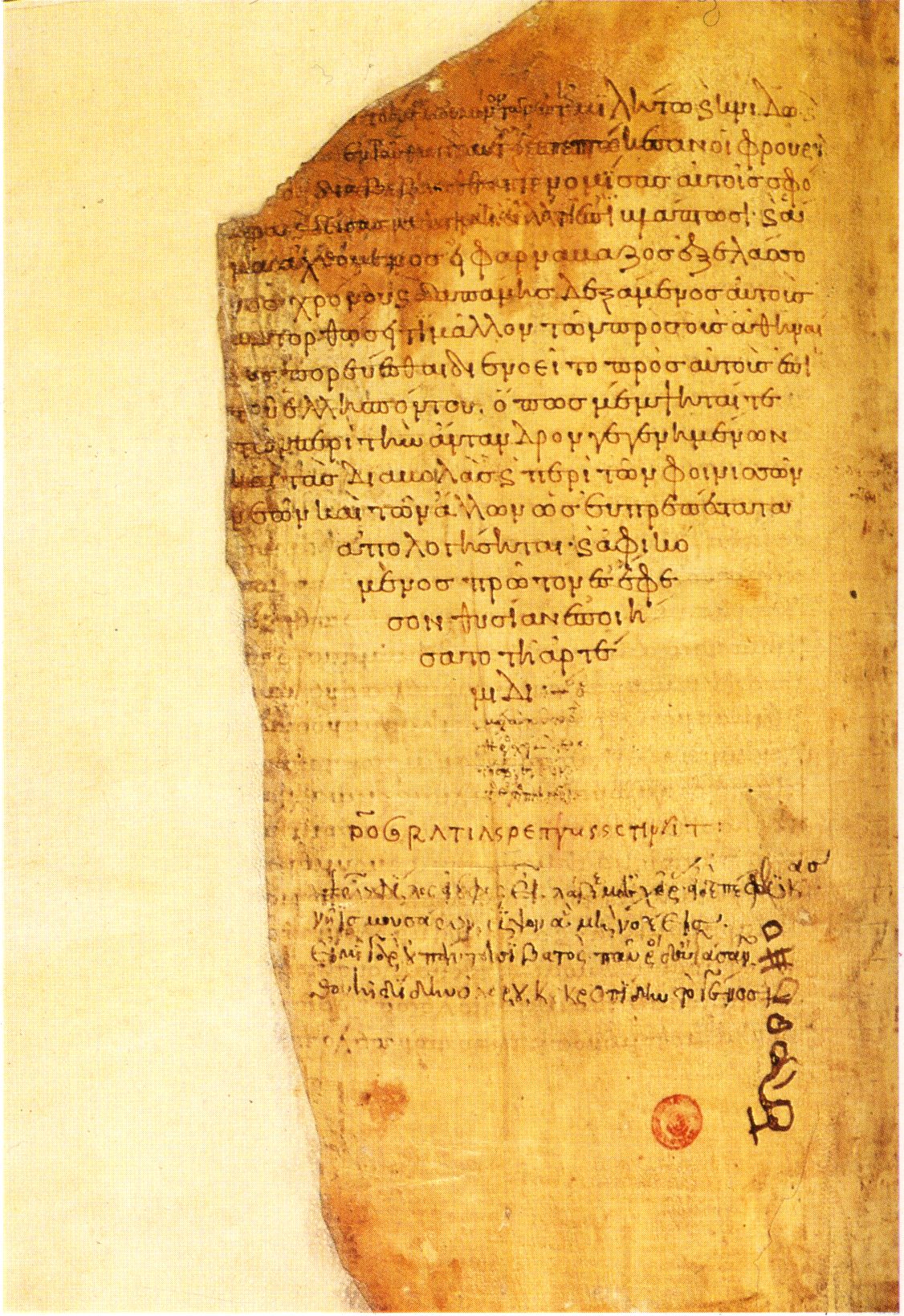
Thucydides, Florence, Plut. 69.2
10th century AD
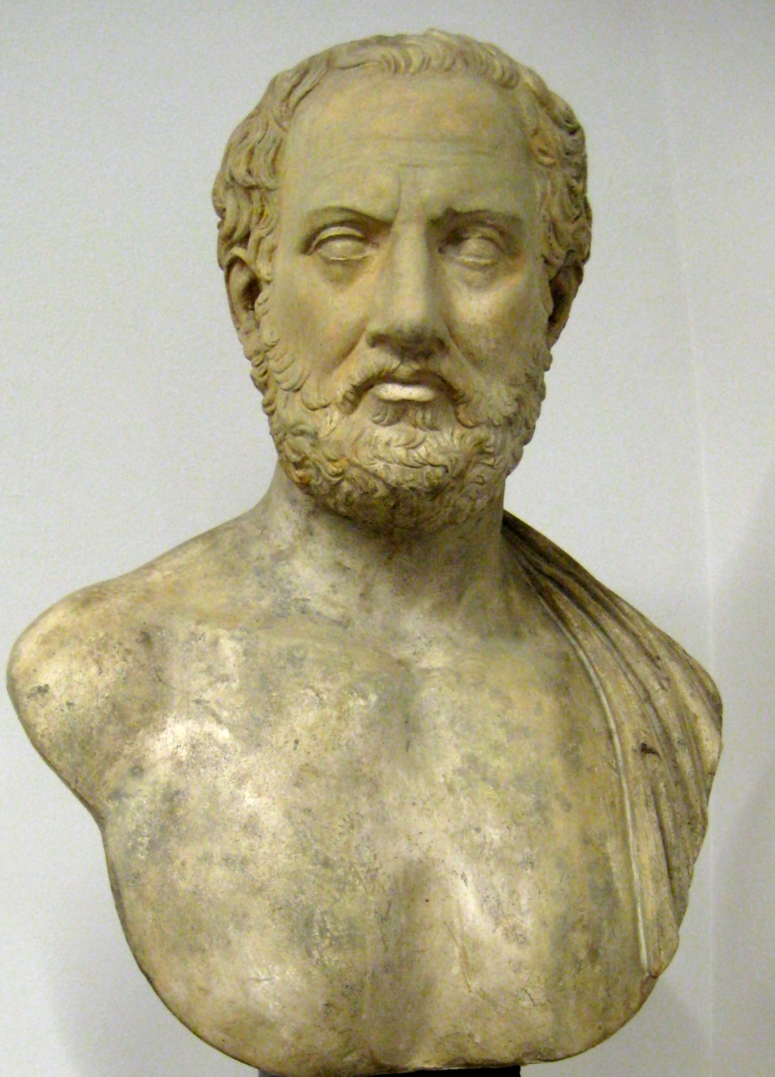 Sculpture
Secondary source
Portrait of Thucydides
Unknown Roman sculptor (after a Greek original) · Roman copy c. 100 CE of a Greek original of the early 4th century BCE; this cast early 20th century
Free account
Read every Thucydides source
Sign up free →
Ready when you are
Start chatting with Thucydides now.
20 messages free · No credit card · Available in 50+ languages.