


Secondary sourceSculpture
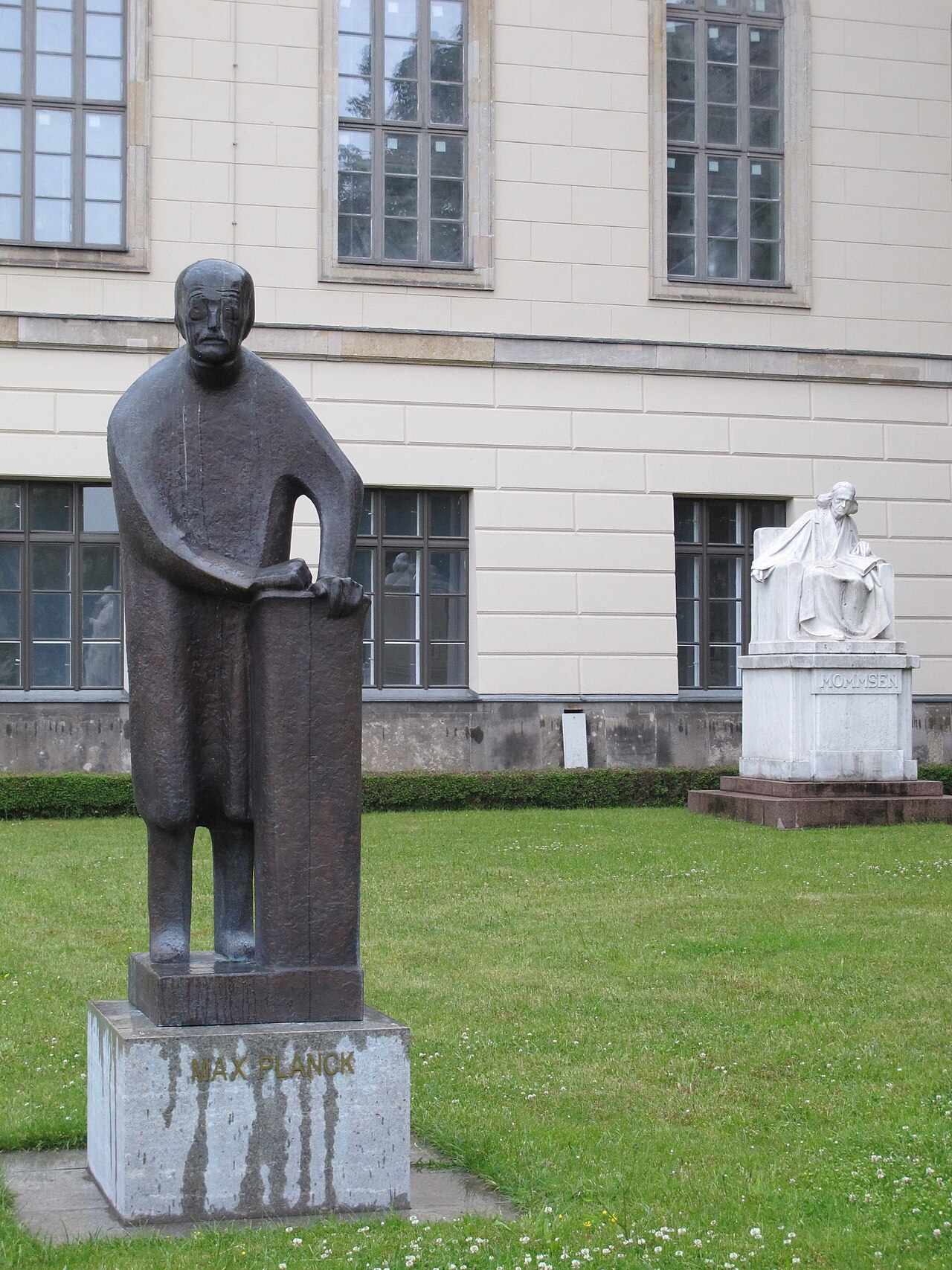
Sculptures of Max Planck and Theodor Mommsen, Berlin
A 2012 photograph of a bronze statue of Max Planck beside a marble statue of Theodor Mommsen in Berlin. Both are shown in front of a cream-colored building.
A later bronze statue of Planck in Berlin, shown beside a memorial to the historian Theodor Mommsen.
About this source
What it is
This is a 2012 photograph of two sculptures in Berlin. A bronze statue of Max Planck stands beside a pedestal with his name engraved on the stone base, on a lawn in front of a cream-colored building. On the right, a white marble statue of Theodor Mommsen sits and reads, labeled MOMMSEN. The photo was taken on 6 June 2012. The facts do not name the sculptors.
Why it matters
Placing Planck beside Mommsen groups a scientist with a historian in one public space. The pairing suggests that the city values both research and scholarship. Public sculptures like these show which people a society chooses to remember and how it presents them.
Look closer
- Why do you think Planck and Mommsen are placed side by side?
- How does the difference between bronze and marble change how each man is presented?
- Which people are missing from this kind of public memorial, and why?
This sculpture is part of the curated material that grounds the AI version of Max Planck on Humy.ai — when students ask about related events, the AI can quote it and cite it.
More Max Planck sources
Browse all 95 →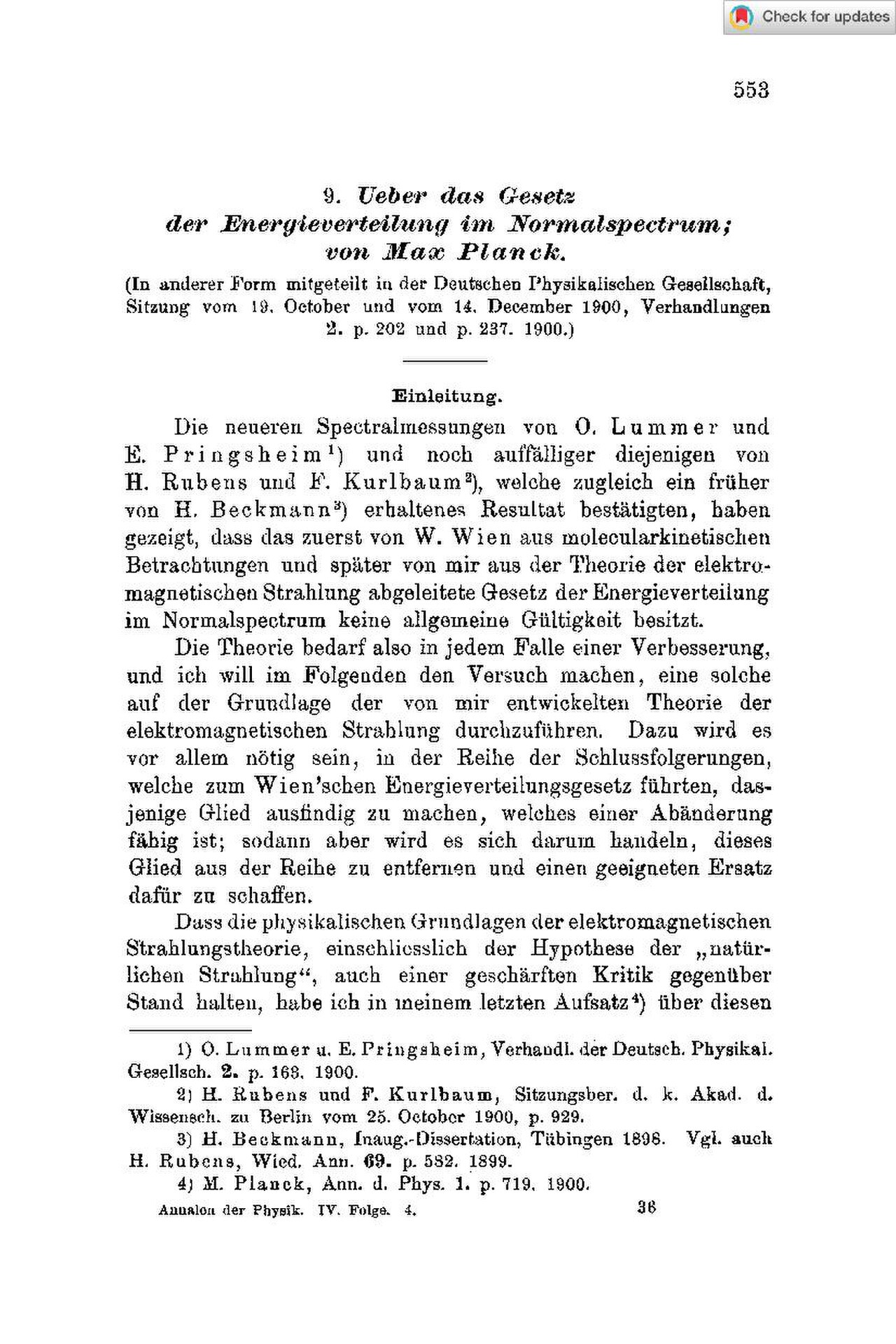 Document
Primary source
On the Law of Energy Distribution in the Normal Spectrum
Max Planck · 1901
Primary source
The Origin and Development of the Quantum Theory
Max Planck · 1920 (delivered); published 1922
 Photograph
Primary source
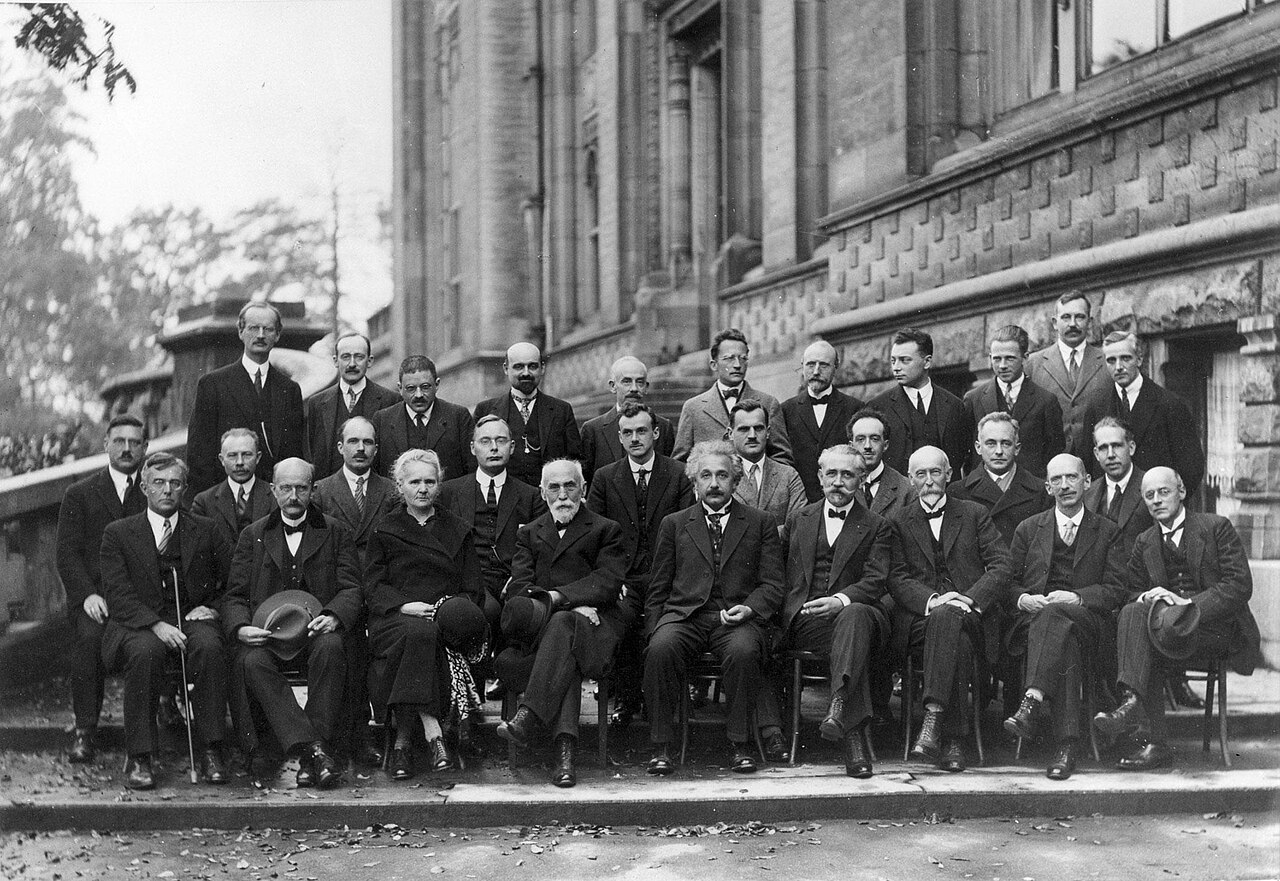
Solvay Conference 1927 Group Photograph
Benjamin Couprie · 1927
 Book
Primary source
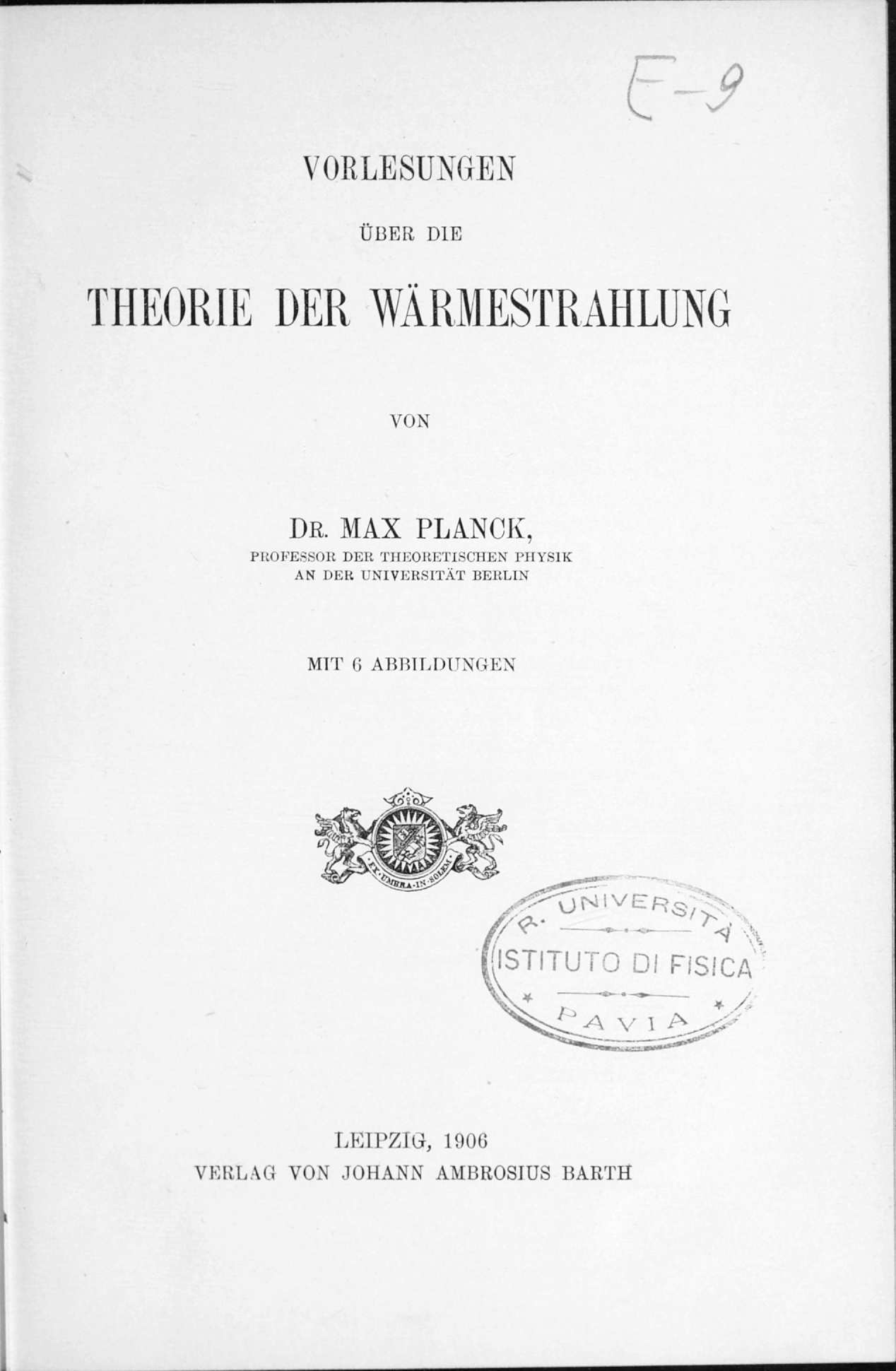
Vorlesungen über die Theorie der Wärmestrahlung
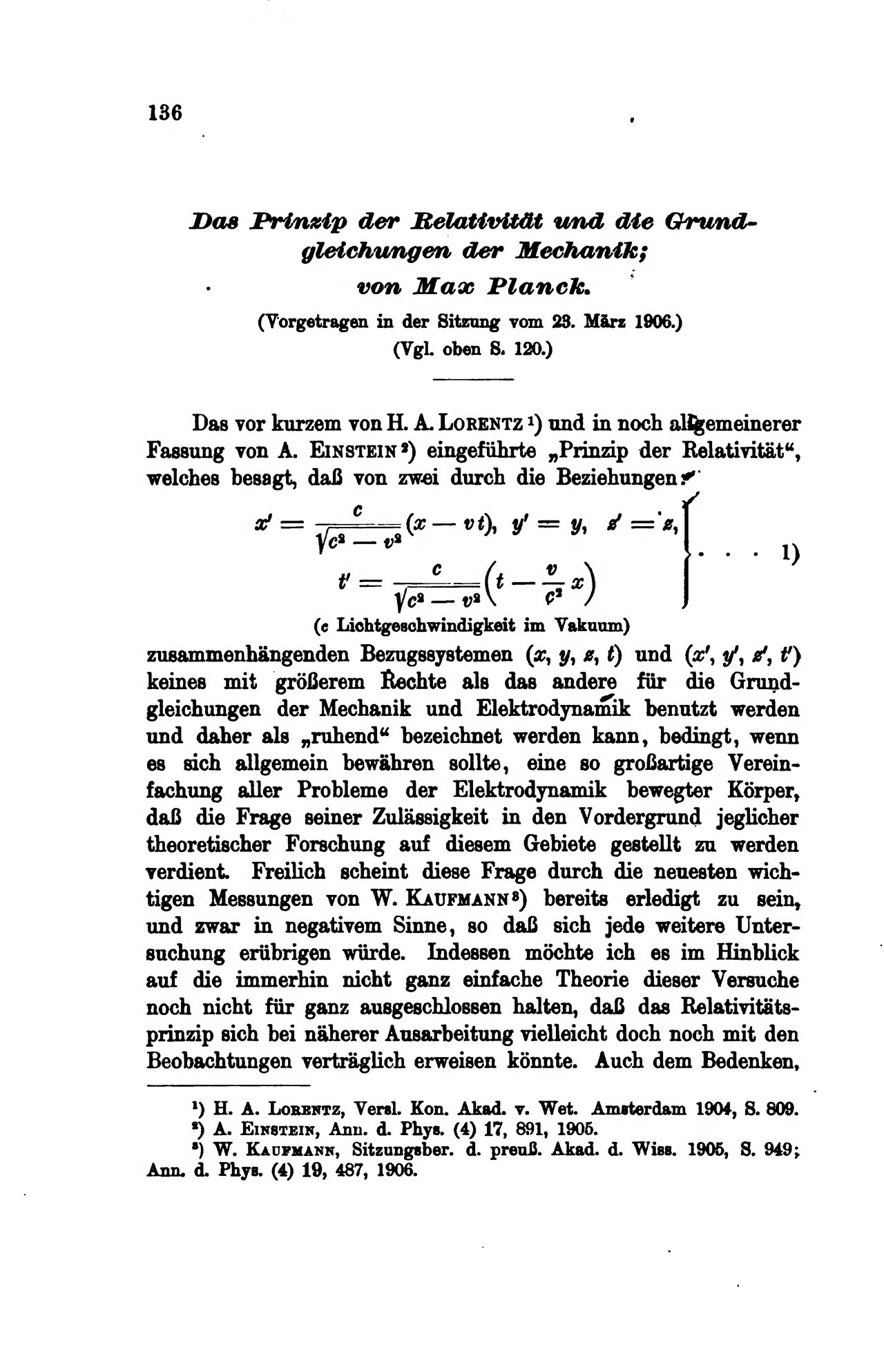
Max Planck · 1906
Free account
Read every Max Planck source
Sign up free →
Ready when you are
Start chatting with Max Planck now.
20 messages free · No credit card · Available in 50+ languages.