


Primary sourceArtifact1751
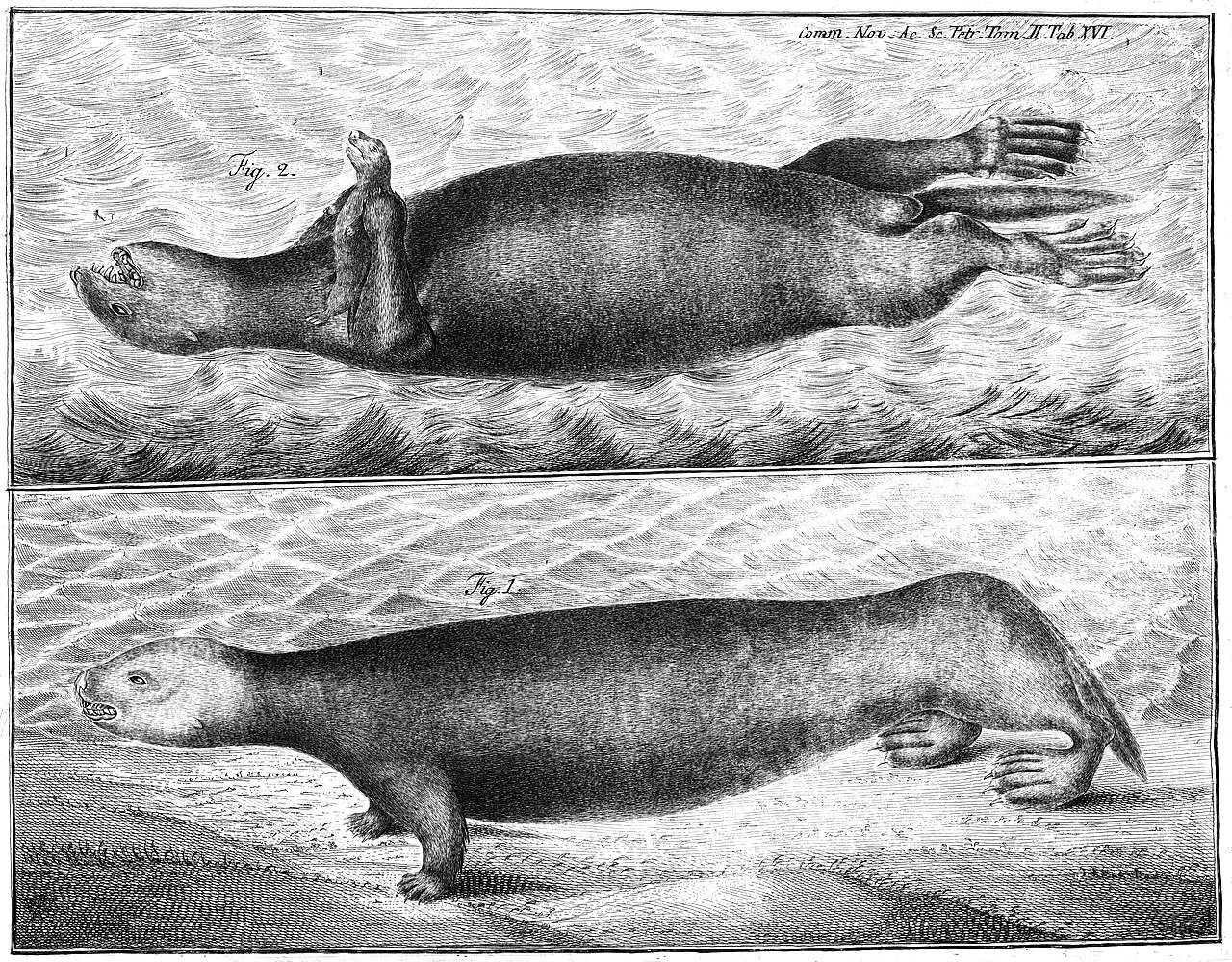
Sea Otter Illustration from De Bestiis Marinis
Georg Wilhelm Steller · 1751
An engraved plate of sea otters from Georg Steller's 1751 scientific study, based on observations made during Bering's expedition.
Produced by the naturalist on Bering's Second Kamchatka Expedition, showing the scientific results of his voyage.
About this source
What it is
This engraving, based on a drawing by naturalist Georg Wilhelm Steller, appeared in his 1751 publication on marine mammals. It shows a sea otter walking on land and another swimming on its back with a pup.
Why it matters
Steller was the naturalist on the Second Kamchatka Expedition, the voyage led by Vitus Bering that reached Alaska. Steller's scientific observations, made during and after the expedition, became some of the earliest Western descriptions of North Pacific wildlife. This illustration shows how the expedition produced valuable scientific knowledge alongside geographic discovery.
Look closer
- What details in the drawing suggest careful firsthand observation?
- Why would a scientist like Steller have joined an expedition led by an explorer like Bering?
- What does this source tell us about the expedition's purpose beyond just exploration?
This artifact is part of the curated material that grounds the AI version of Vitus Bering on Humy.ai — when students ask about related events, the AI can quote it and cite it.
More Vitus Bering sources
Meet the AI Vitus Bering →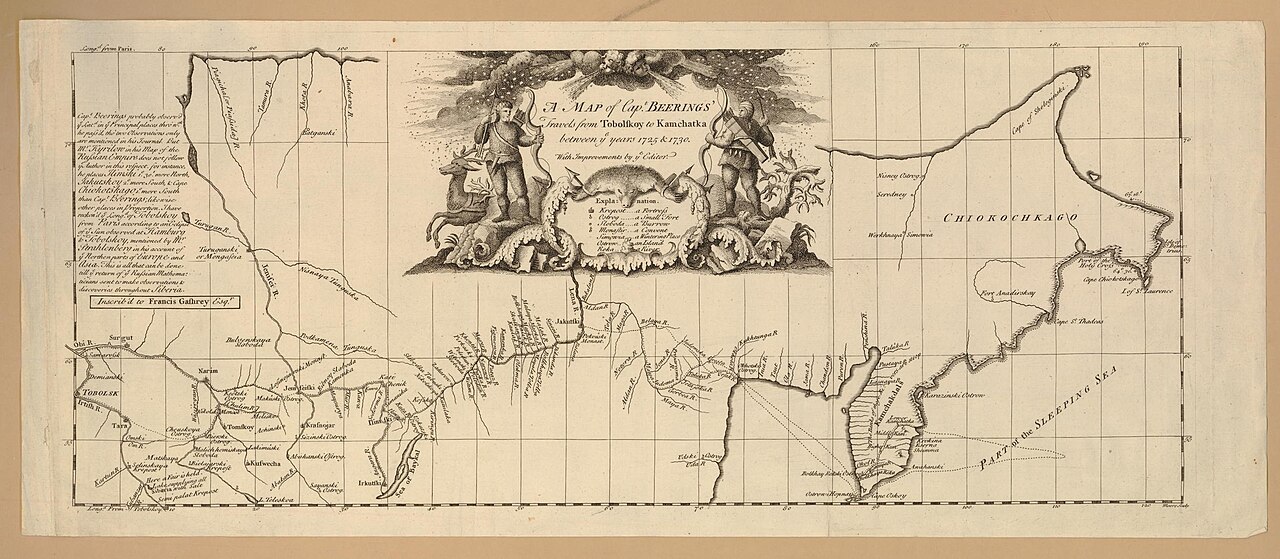 Document
Secondary source
Map of Captain Beerings' Travels from Tobolskoy to Kamchatka
between 1725 and 1730 (printed later)
 Book
Secondary source
Bering's Voyages: An Account of the Efforts of the Russians to Determine the Relation of Asia and America
Frank A. Golder · 1922–1925
 Book
Secondary source
Vitus Bering: the Discoverer of Bering Strait
Peter Lauridsen · 1889
Primary source
Early Expeditions to the Region of Bering Sea and Strait
Vitus Bering · 1891 (translation of earlier reports)
 Document
Primary source
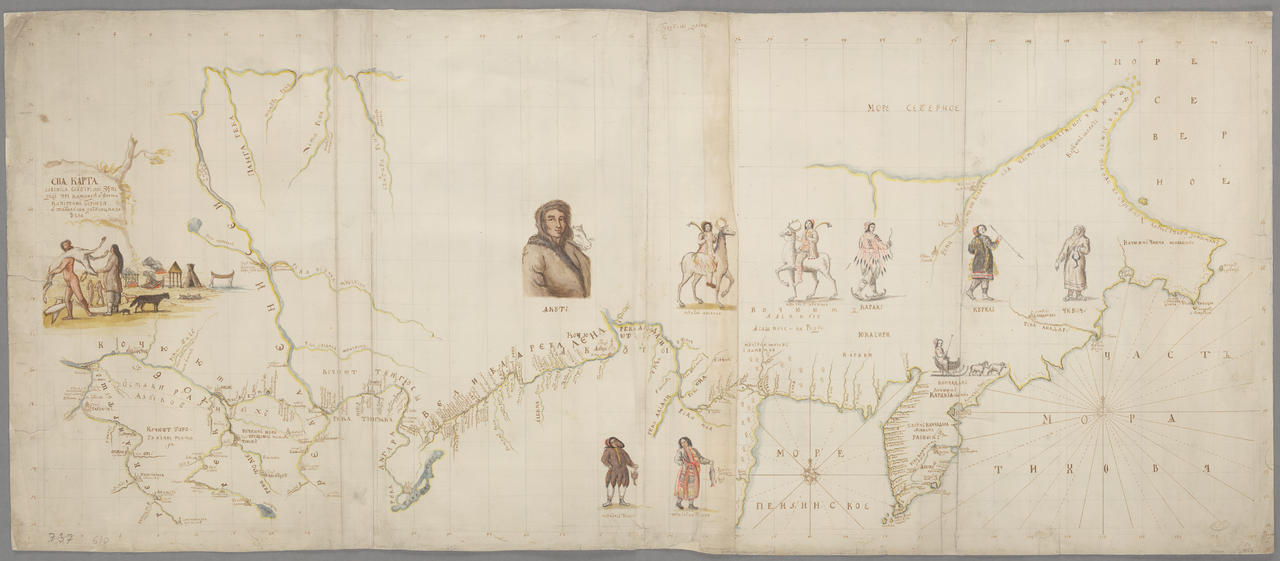
Chart of the Siberian Expedition under Bering, Tobolsk to Chukotka
Vitus Jonassen Bering · between 1725 and 1730
Ready when you are
Start chatting with Vitus Bering now.
20 messages free · No credit card · Available in 50+ languages.