


Primary sourceArtifact
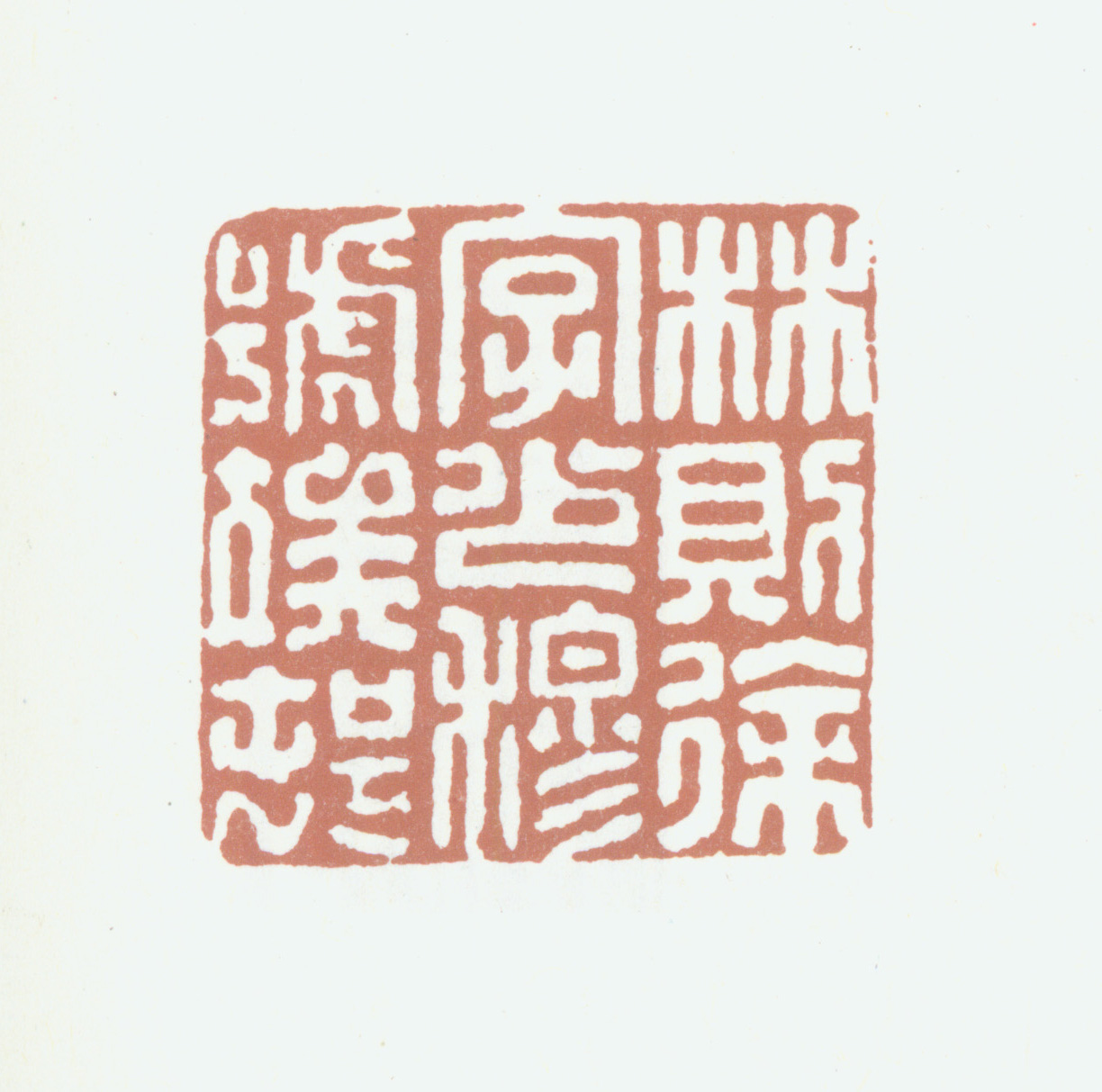
Seal: Lin Tse-hsu's Courtesy Name and Sobriquet
A seal recording Lin Tse-hsu's courtesy name and sobriquet, reflecting Chinese literati naming customs.
This seal records Lin Tse-hsu's own courtesy name and sobriquet.
About this source
What it is
This personal seal of Lin Tse-hsu records his courtesy name and his sobriquet (a chosen literary nickname). The image shows a red ink impression with white carved characters arranged in a grid, within a rounded square border.
Why it matters
Educated men in imperial China often had several names: a birth name, a courtesy name used by peers, and a sobriquet chosen to express personal taste or philosophy. This seal illustrates that custom and shows how Lin, like other literati, used such names to express identity beyond his official title.
Look closer
- Why might someone use different names in different contexts rather than just one?
- What does the careful seal-script carving suggest about the value placed on personal names?
- What might a sobriquet reveal about a person's self-image that an official title would not?
This artifact is part of the curated material that grounds the AI version of Viceroy Lin Zexu on Humy.ai — when students ask about related events, the AI can quote it and cite it.
More Viceroy Lin Zexu sources
Browse all 97 →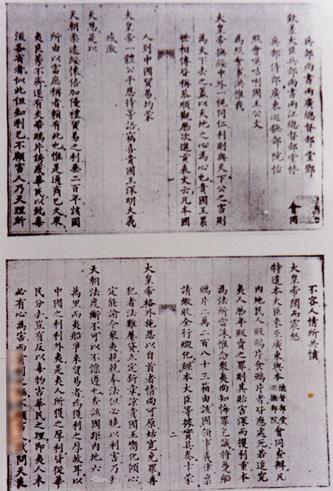 Letter
Primary source
Letter to Queen Victoria
Lin Tse-hsu · 1839
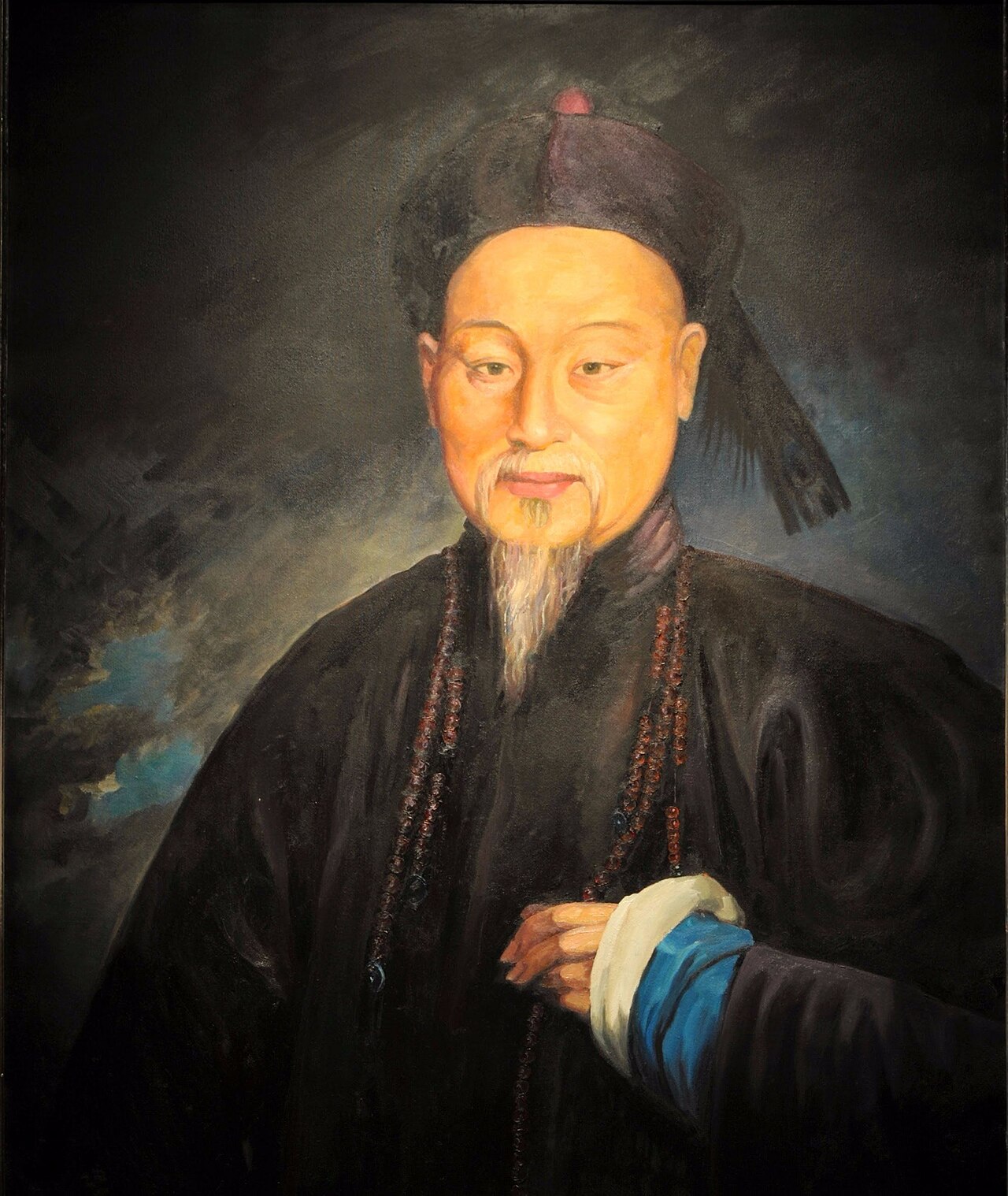
 Painting
Primary source
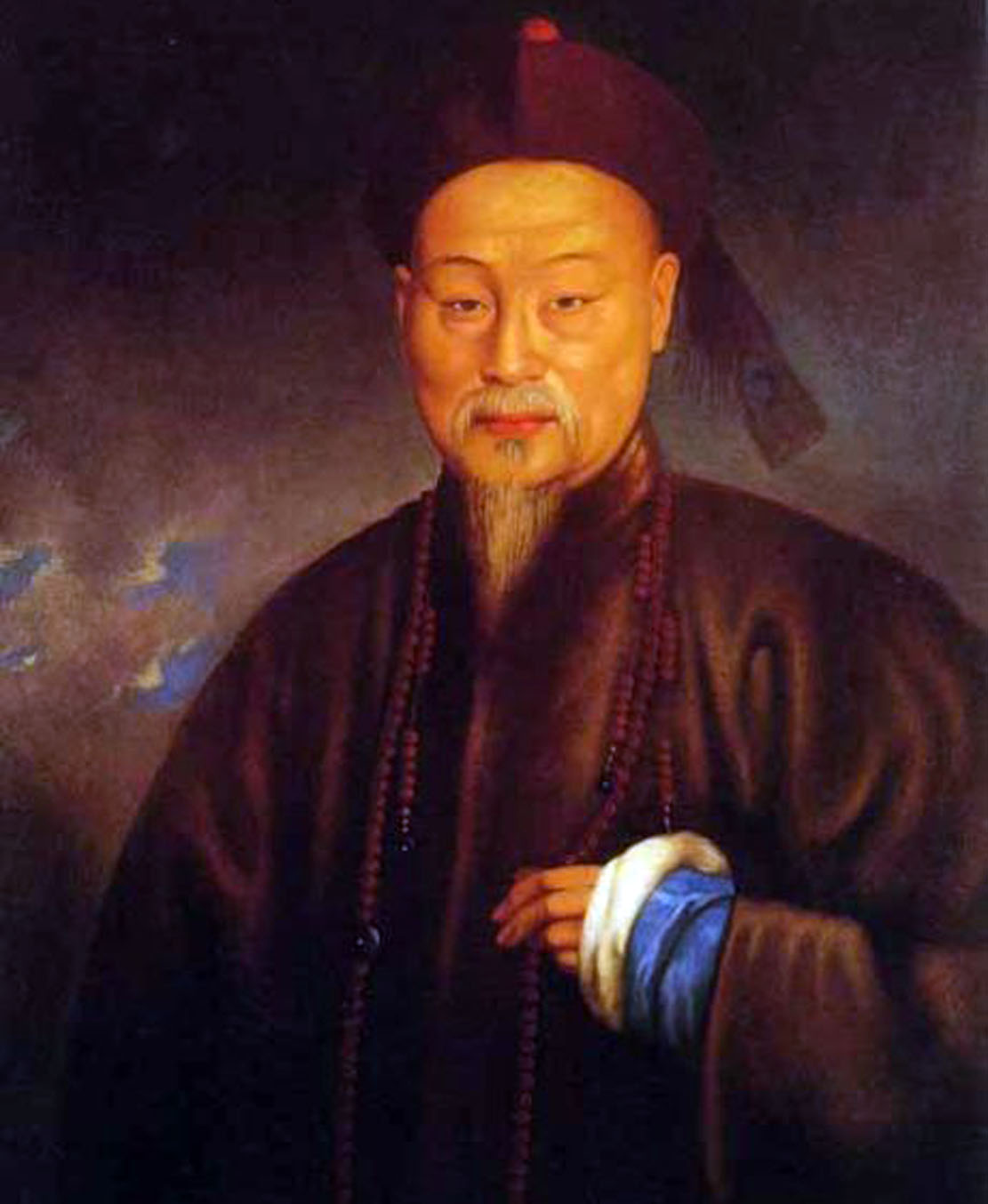
Lin Zexu Portrait by Lamqua
Lamqua (attributed)
 Book
Secondary source
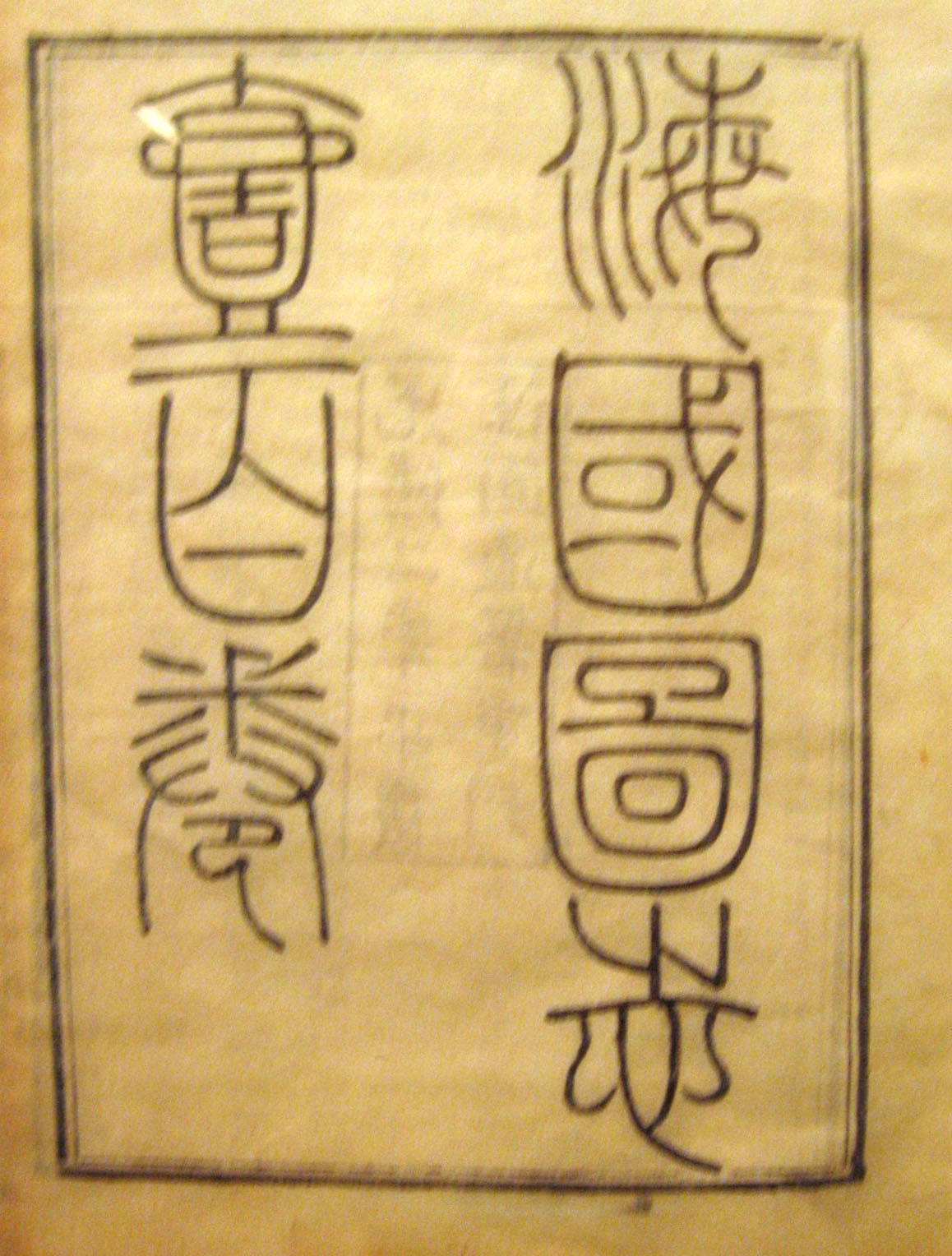
Illustrated Treatise on the Maritime Kingdoms
Wei Yuan · 1843 (first edition)
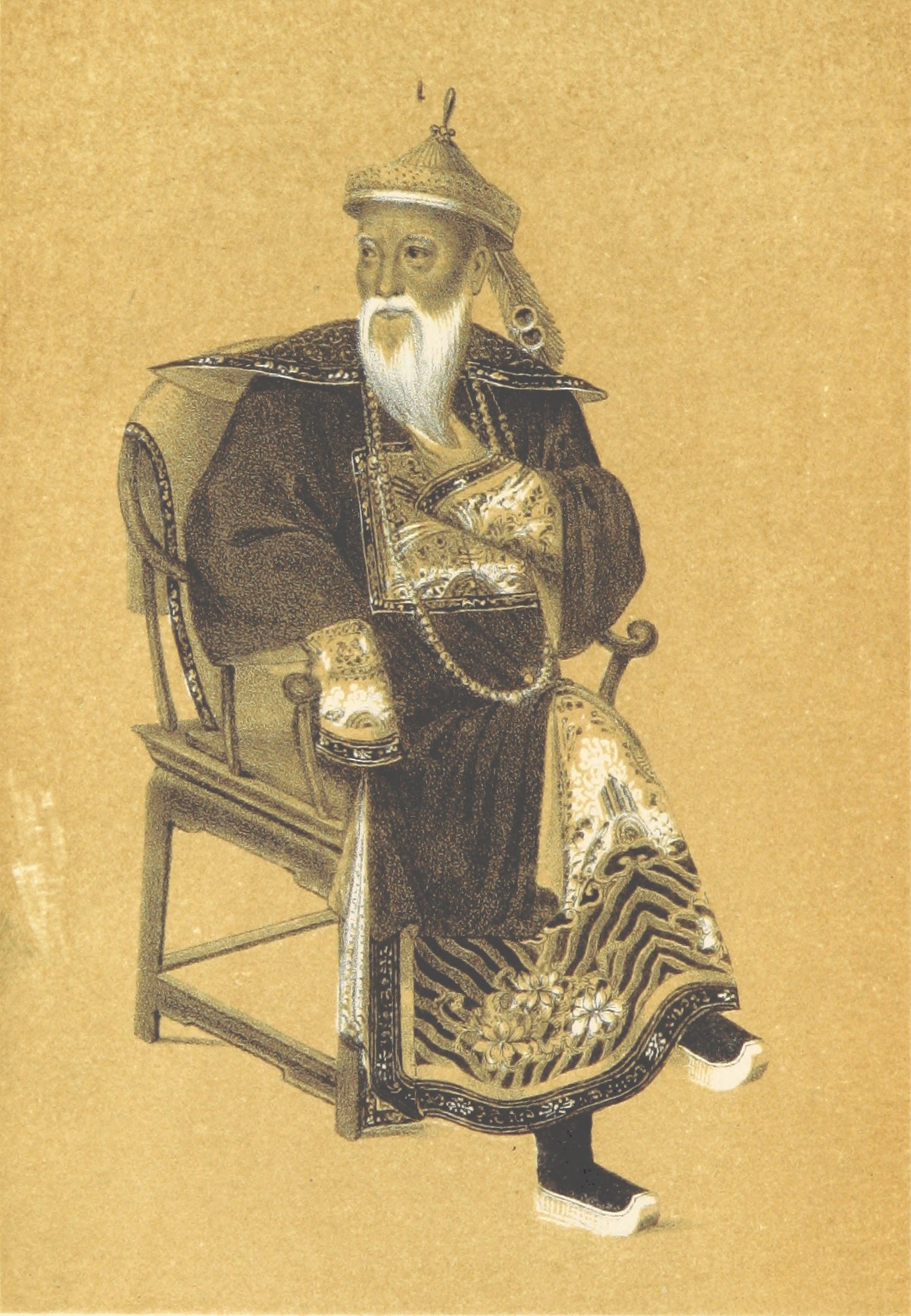 Painting
Primary source
Commissioner Lin Zexu
Unknown (native artist)
Free account
Read every Viceroy Lin Zexu source
Sign up free →
Ready when you are
Start chatting with Viceroy Lin Zexu now.
20 messages free · No credit card · Available in 50+ languages.