


Primary sourceArtifact
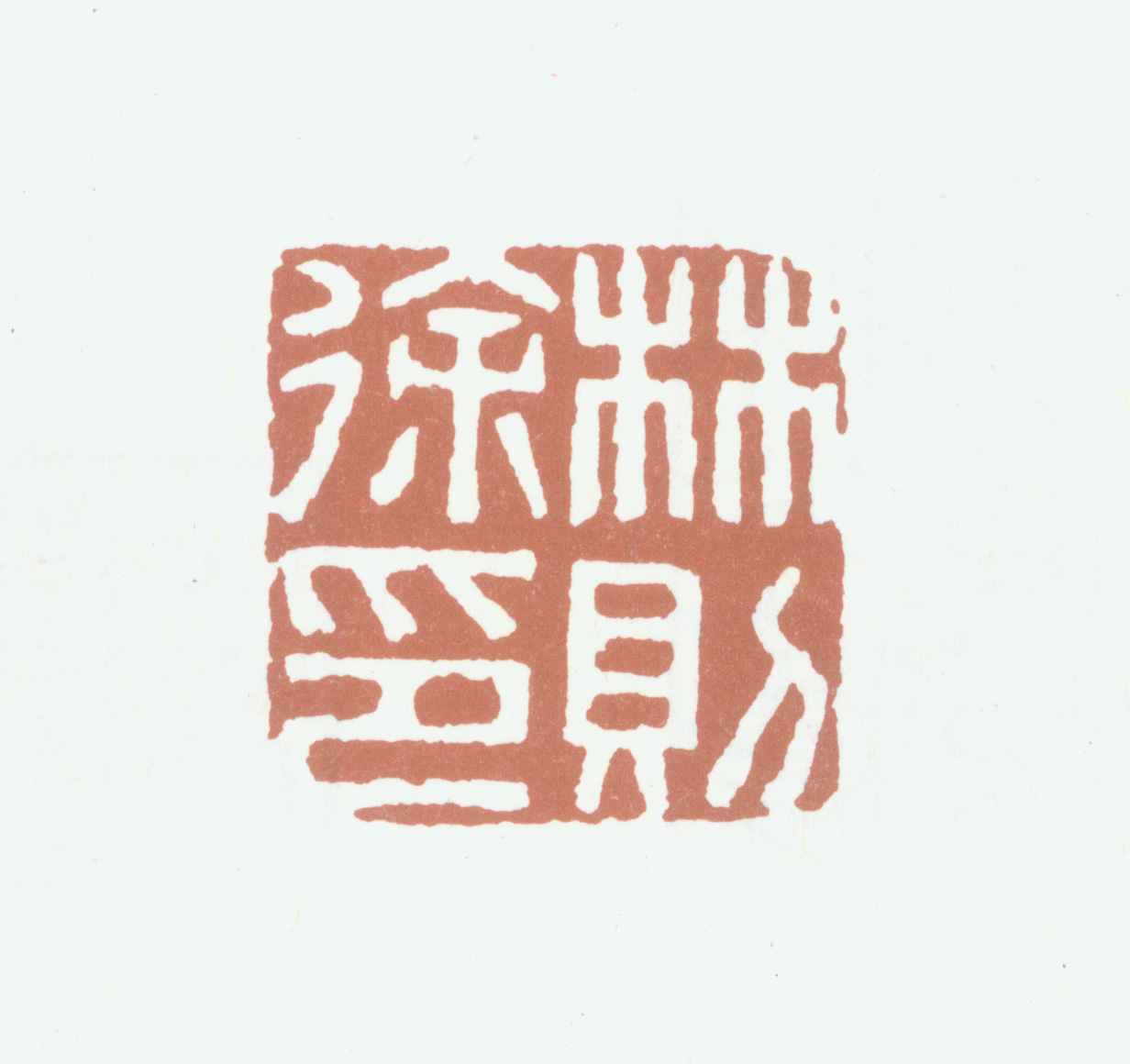
Seal: Lin Tse-hsu's Name Seal
Lin Tse-hsu's personal name seal, used to authenticate his calligraphy and official documents.
This is Lin Tse-hsu's own personal name seal, used to authenticate his writing and documents.
About this source
What it is
This is a personal name seal belonging to Lin Tse-hsu. The image is a red ink impression of the stamp, showing four Chinese characters carved in white against a red square, bordered in seal-script style.
Why it matters
In imperial China, seals functioned like signatures. Officials and scholars stamped their seals on letters, paintings, and official papers to show authorship or approval. This seal is Lin's personal mark, the one he would have used to authenticate his own writing and calligraphy, connecting any document bearing it directly to him.
Look closer
- Why would a stamped seal be considered as reliable as a signature?
- What does the careful, formal seal-script style suggest about the importance given to seals?
- What can't a seal tell us about the document it was stamped on?
This artifact is part of the curated material that grounds the AI version of Viceroy Lin Zexu on Humy.ai — when students ask about related events, the AI can quote it and cite it.
More Viceroy Lin Zexu sources
Browse all 97 →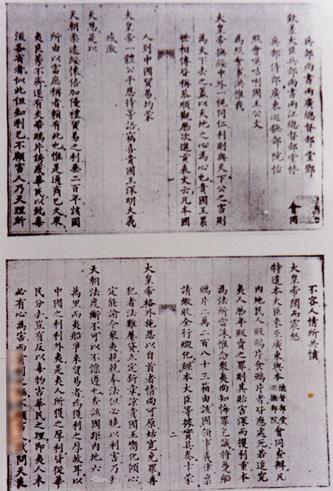 Letter
Primary source
Letter to Queen Victoria
Lin Tse-hsu · 1839
 Painting
Primary source
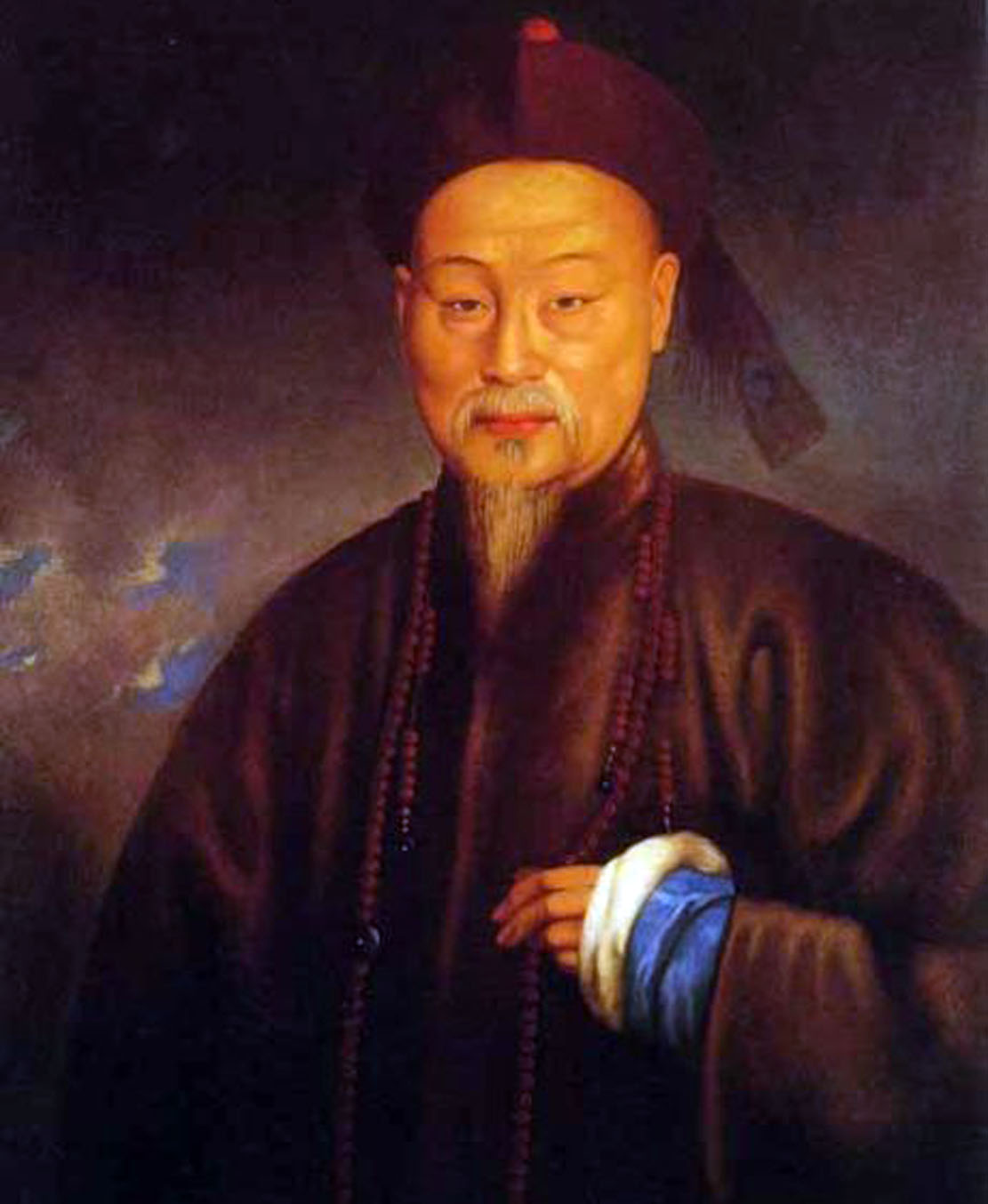
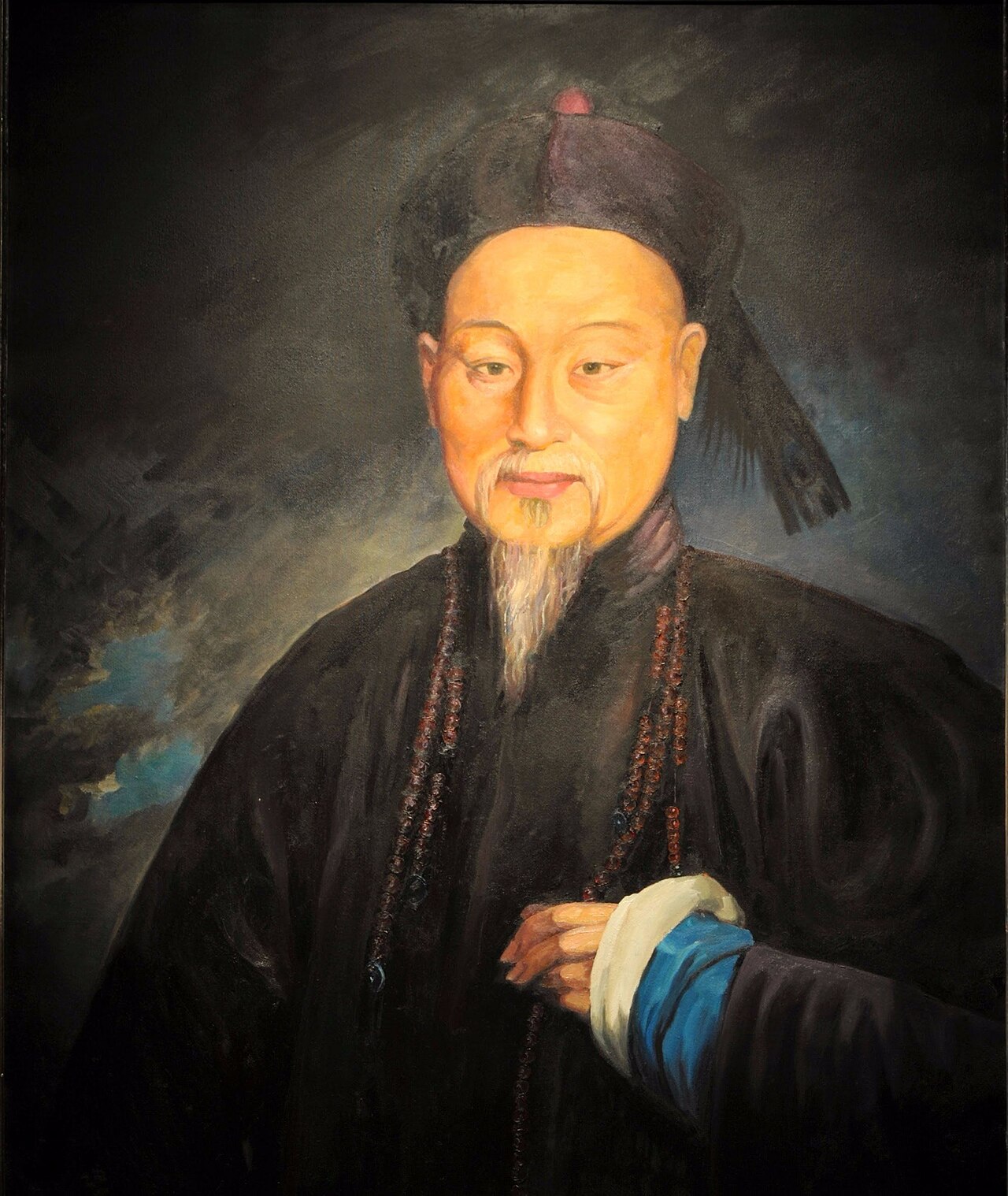
Lin Zexu Portrait by Lamqua
Lamqua (attributed)
 Book
Secondary source
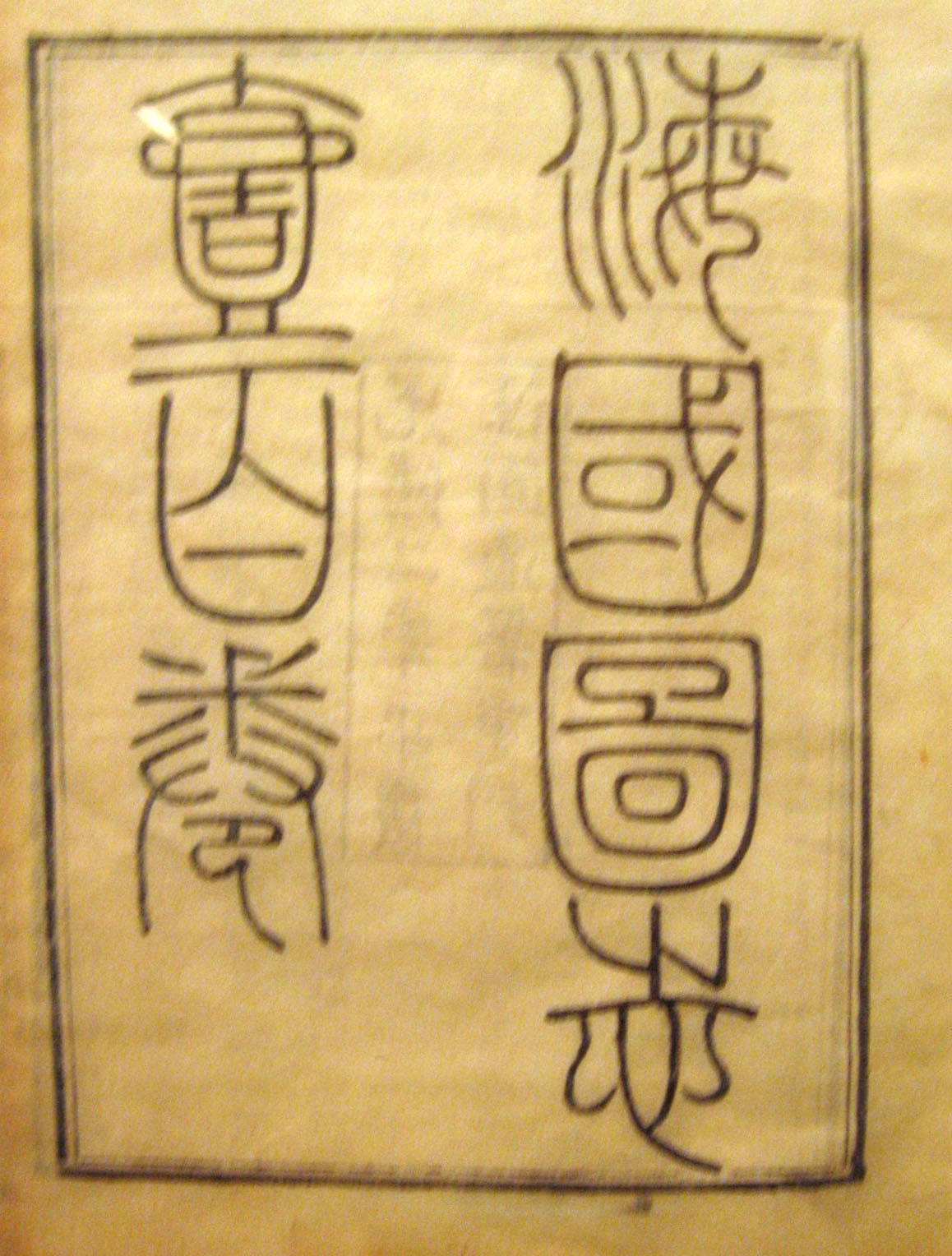
Illustrated Treatise on the Maritime Kingdoms
Wei Yuan · 1843 (first edition)
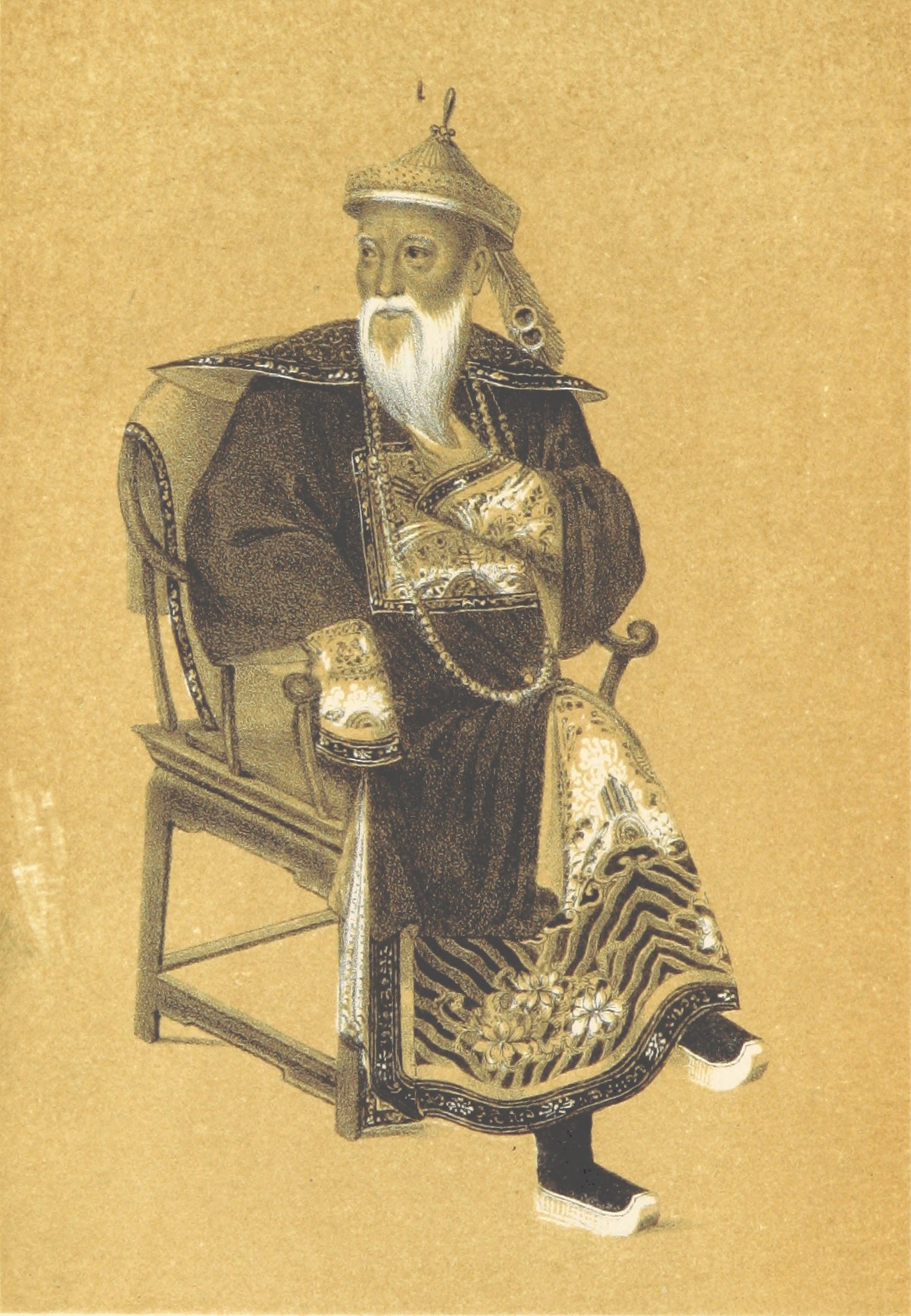 Painting
Primary source
Commissioner Lin Zexu
Unknown (native artist)
Free account
Read every Viceroy Lin Zexu source
Sign up free →
Ready when you are
Start chatting with Viceroy Lin Zexu now.
20 messages free · No credit card · Available in 50+ languages.