


Primary sourceArtifactAkkadian period
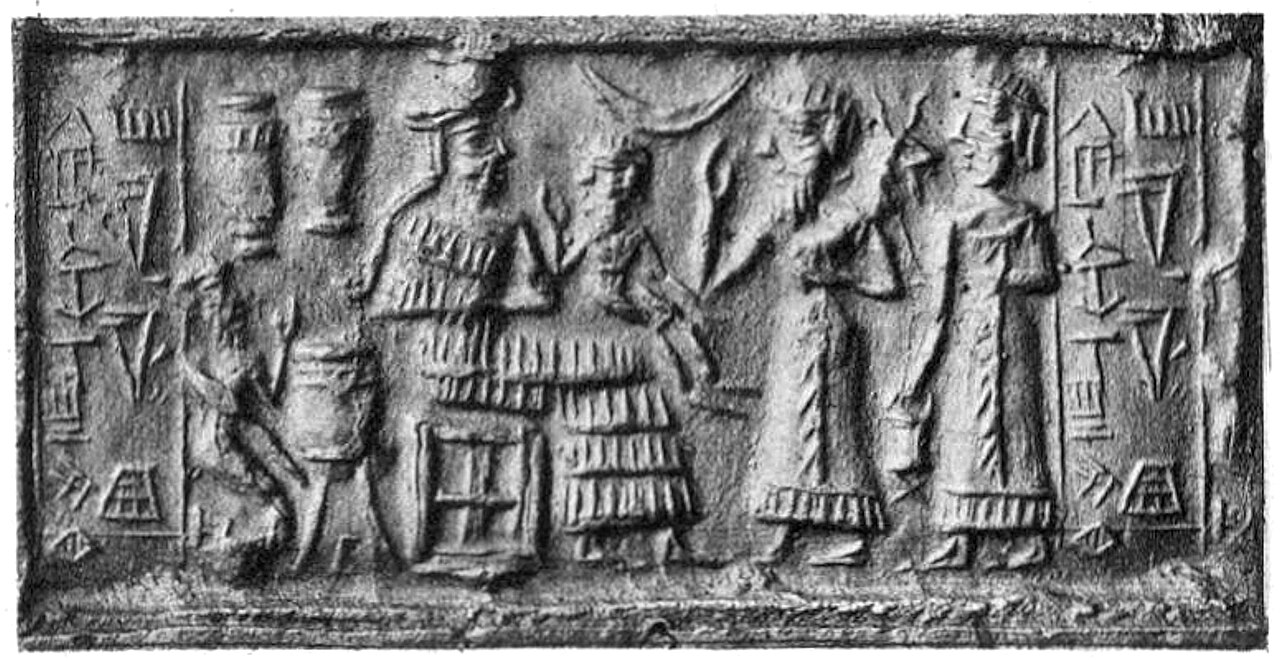
Seal of Shu-ilishu, Interpreter of the Meluhhan Language
Akkadian period
An inscribed Akkadian seal belonging to a royal official and interpreter, showing the administration active during Sargon's dynasty.
This official's seal shows the kind of administration and foreign contacts that existed under the empire Sargon founded.
About this source
What it is
This photograph shows the impression of an Akkadian cylinder seal inscribed with the name Shu-ilishu, described as an interpreter of the Meluhhan language. The seal is held at the Louvre Museum. The carved scene includes several figures and cuneiform inscriptions running along the edges.
Why it matters
This seal belonged to an official who worked as a translator, showing that the Akkadian Empire dealt with distant peoples and languages, likely including trading partners from the Indus Valley region known as Meluhha. It reflects the administrative structure that grew out of the empire Sargon founded.
Look closer
- What does needing an interpreter for a foreign language tell you about the empire's reach?
- Who do you think the different figures in the carved scene might represent?
- What does the cuneiform inscription add that the images alone cannot tell us?
This artifact is part of the curated material that grounds the AI version of Sargon of Akkad on Humy.ai — when students ask about related events, the AI can quote it and cite it.
More Sargon of Akkad sources
Browse all 41 →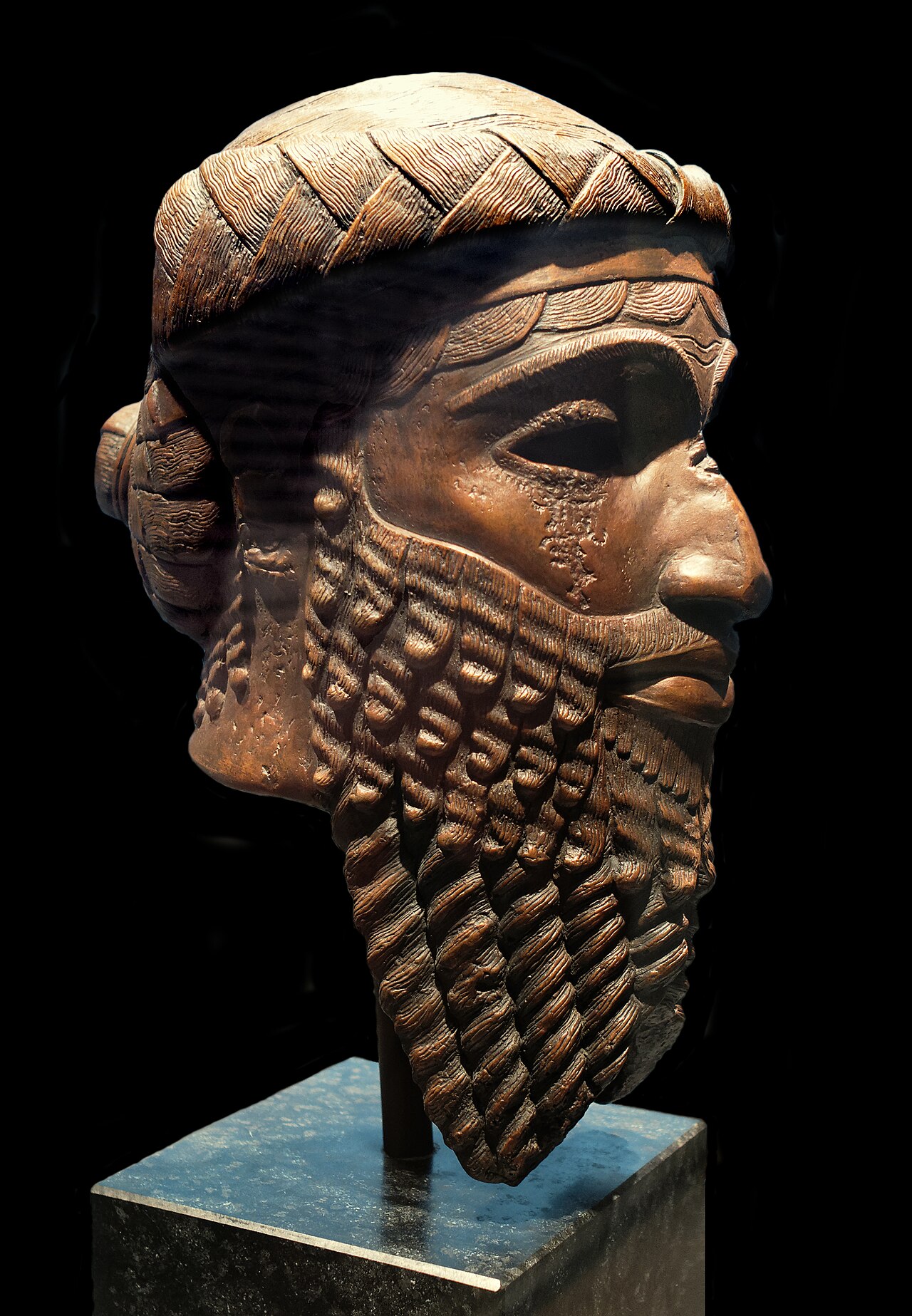 Sculpture
Primary source
Head of an Akkadian Ruler
c. 2300 BCE
 Sculpture
Primary source
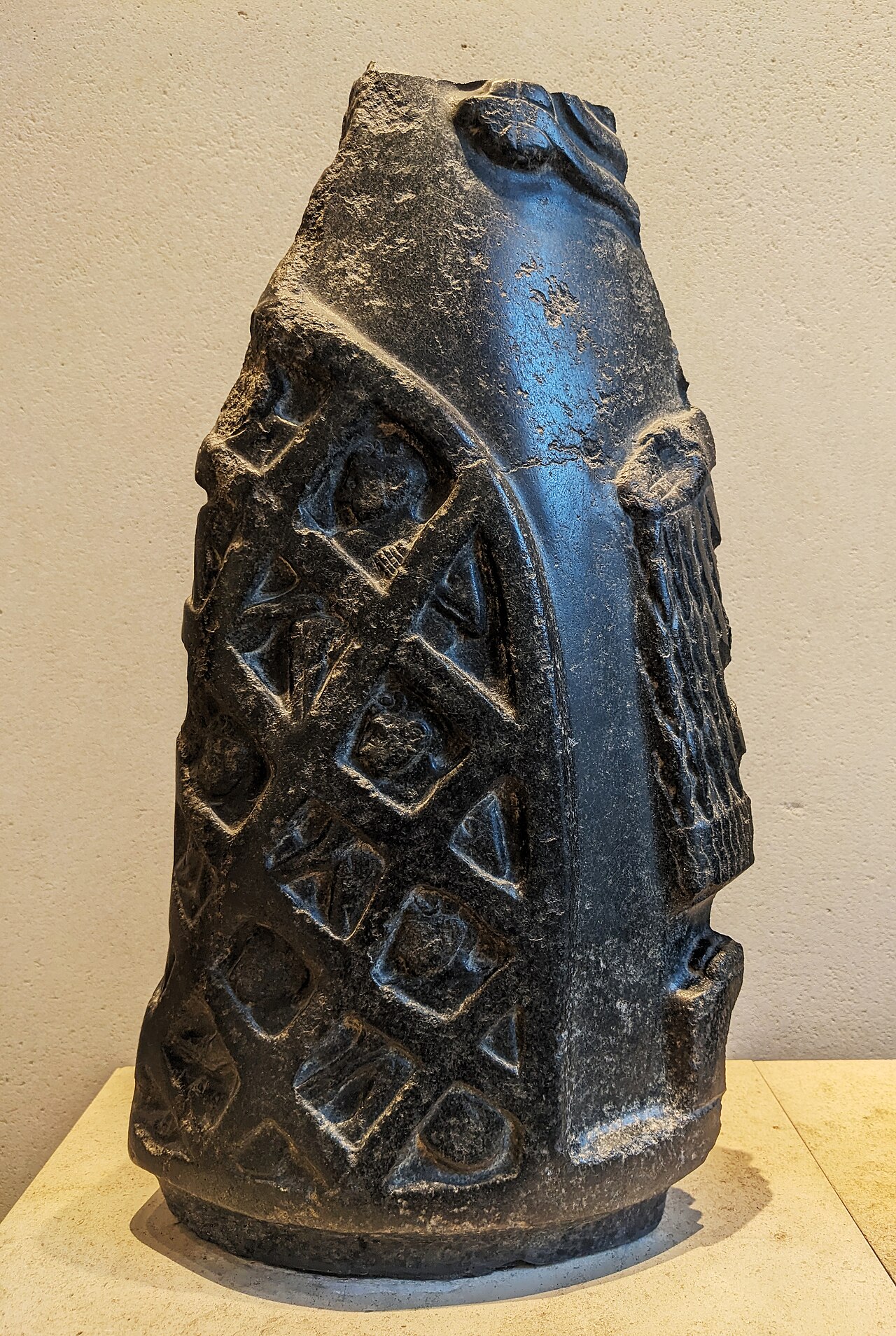
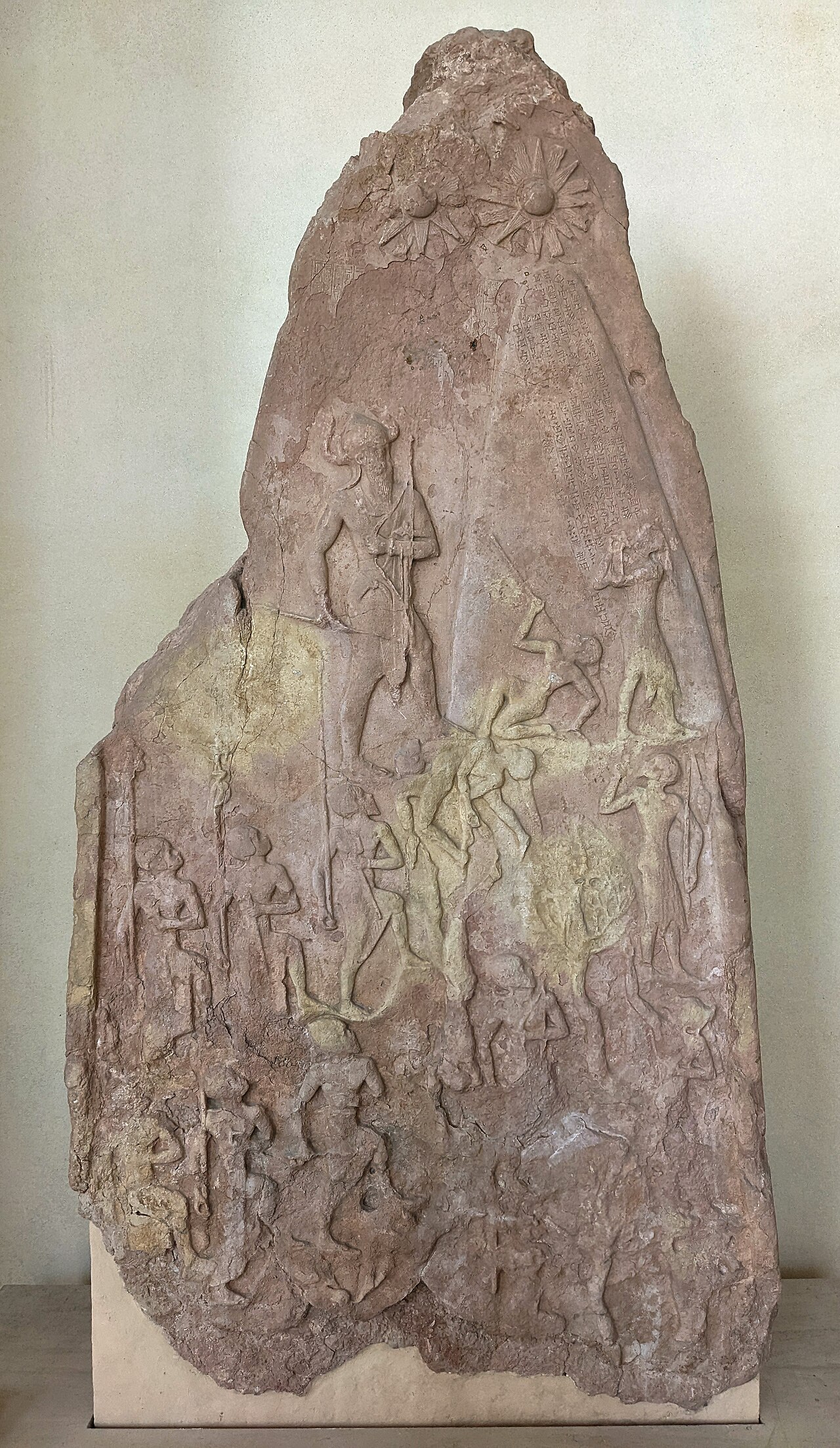
Victory Stele of Sargon
Akkadian royal workshop · c. 2300 BCE
 Document
Secondary source
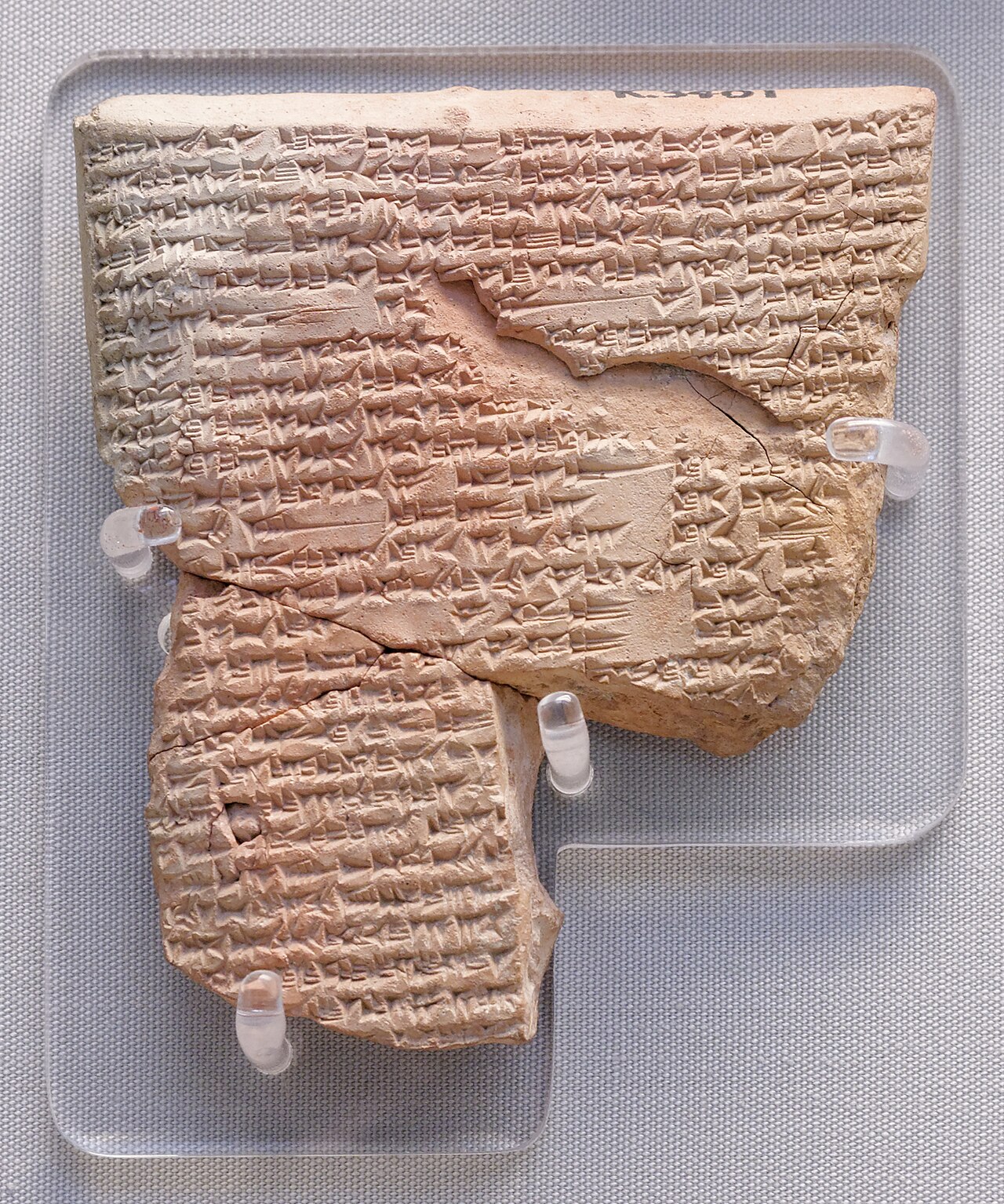
Birth of Sargon (Sargon Birth Legend Tablet)
Neo-Assyrian period
 Document
Secondary source
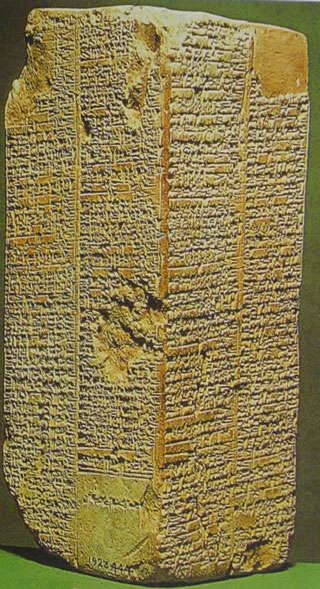
Weld-Blundell Prism
c. 1820 BCE
Free account
Read every Sargon of Akkad source
Sign up free →
Ready when you are
Start chatting with Sargon of Akkad now.
20 messages free · No credit card · Available in 50+ languages.