


Primary sourceArtifact15th century
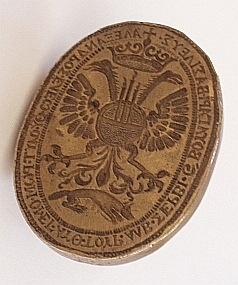
Seal of Skanderbeg
15th century
A metal seal attributed to Skanderbeg, bearing a double-headed eagle, used to authenticate his official acts as ruler.
This seal, attributed to Skanderbeg, was used to authenticate his acts as ruler.
About this source
What it is
This is a brownish-gold oval seal stamped with a double-headed eagle holding a shield, surrounded by raised Latin lettering and leafy decoration. It is attributed to Skanderbeg and is now held in Copenhagen.
Why it matters
Seals like this were used by rulers to stamp and authenticate official documents, standing in for a personal signature on acts of government. The double-headed eagle and Latin title linked to Skanderbeg connect him to wider European and Byzantine traditions of rulership, showing how he presented his authority to other powers.
Look closer
- Why would a ruler need an official seal in addition to a signature?
- What might the choice of a double-headed eagle symbol suggest about the traditions Skanderbeg wanted to associate himself with?
- What does the survival of this object in a museum far from Albania suggest about how such artifacts travel over centuries?
This artifact is part of the curated material that grounds the AI version of Skanderbeg on Humy.ai — when students ask about related events, the AI can quote it and cite it.
More Skanderbeg sources
Browse all 89 →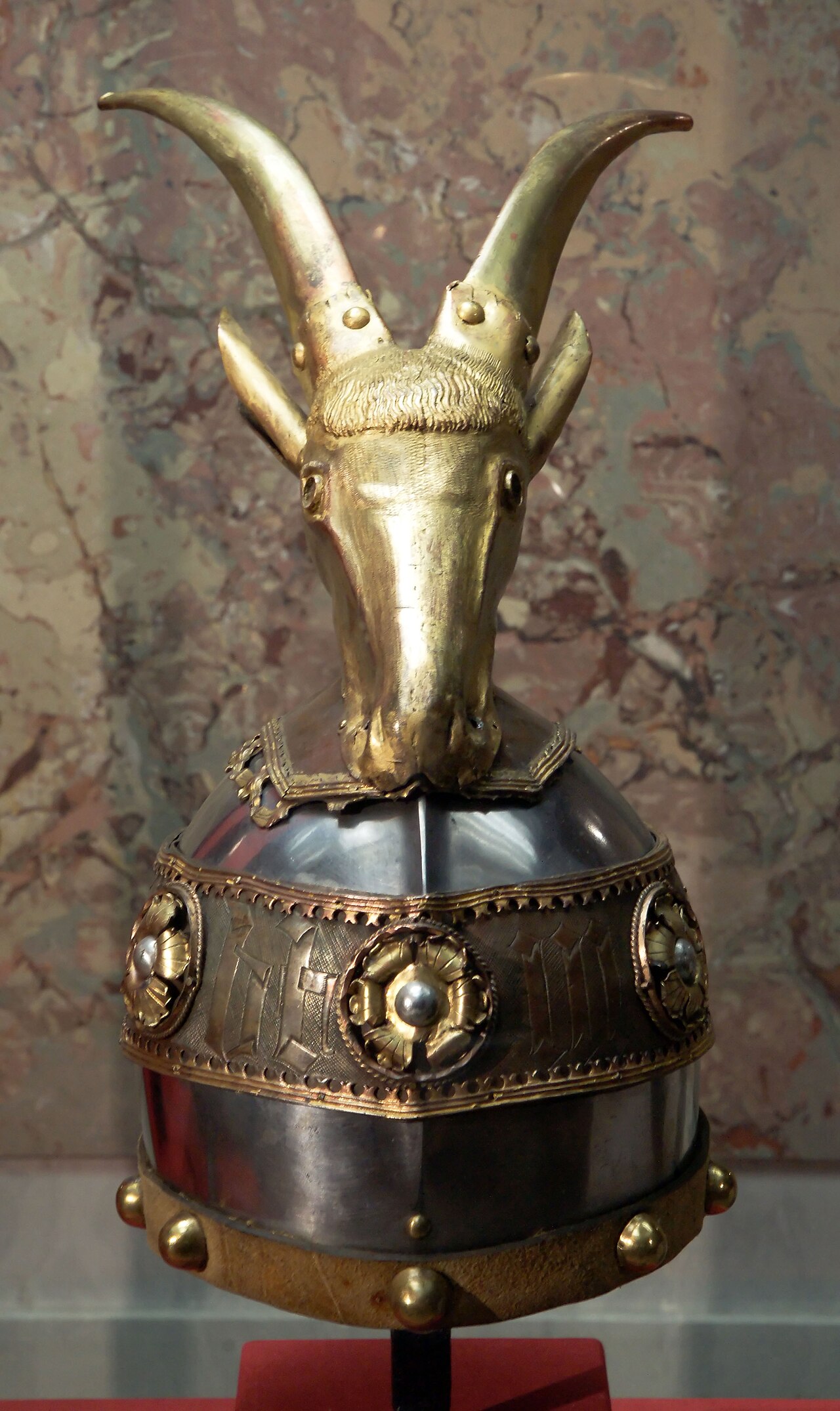 Artifact
Primary source
Helmet of Skanderbeg
c. 1460
 Document
Primary source
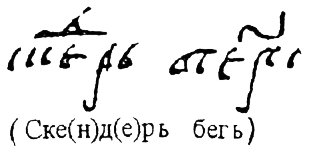
Signature of Skanderbeg
Skanderbeg · 15th century
 Artifact
Primary source
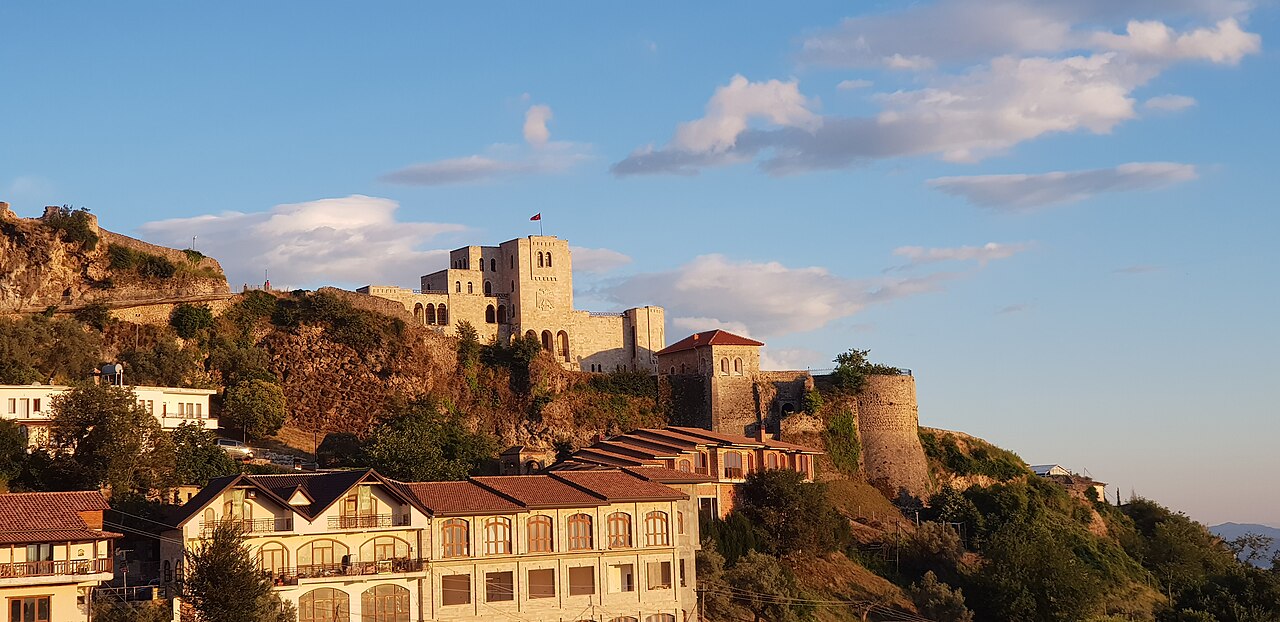
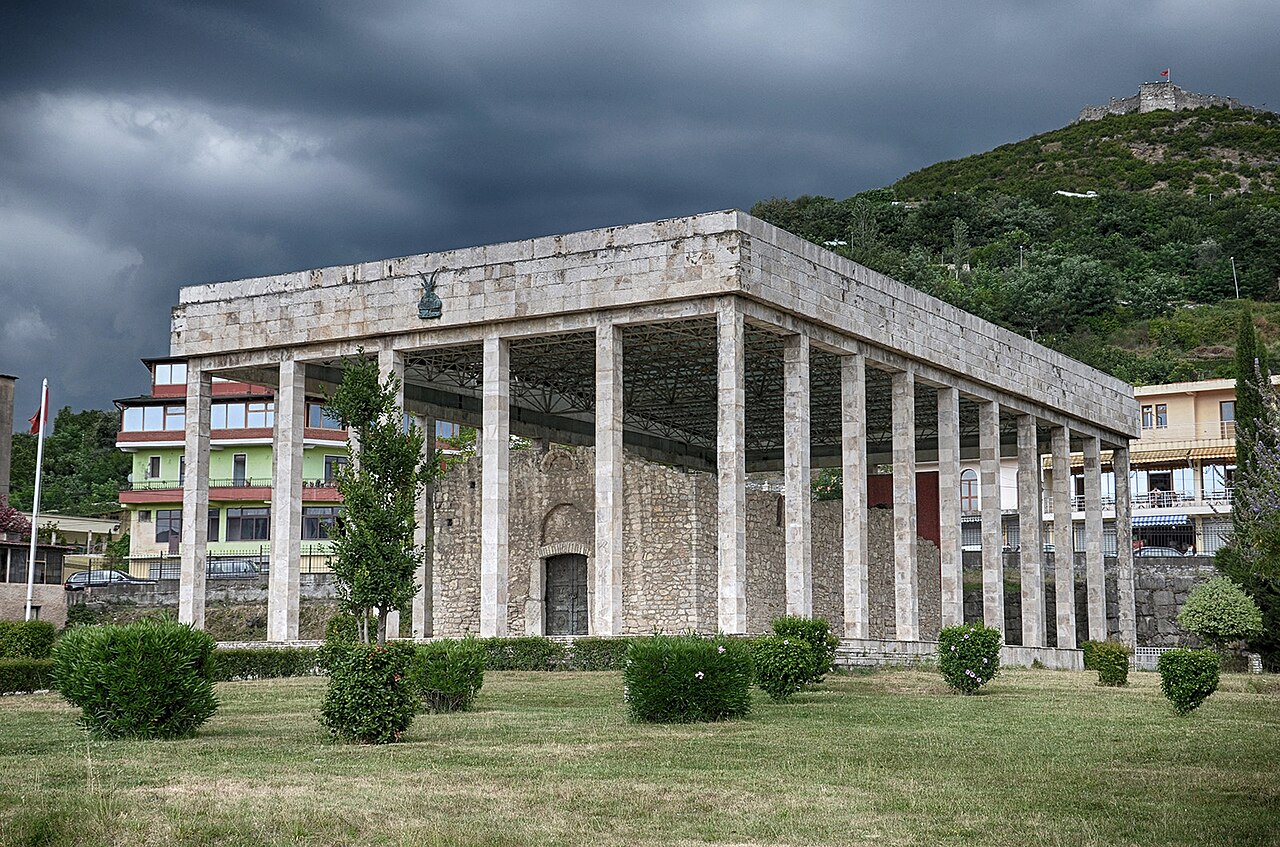
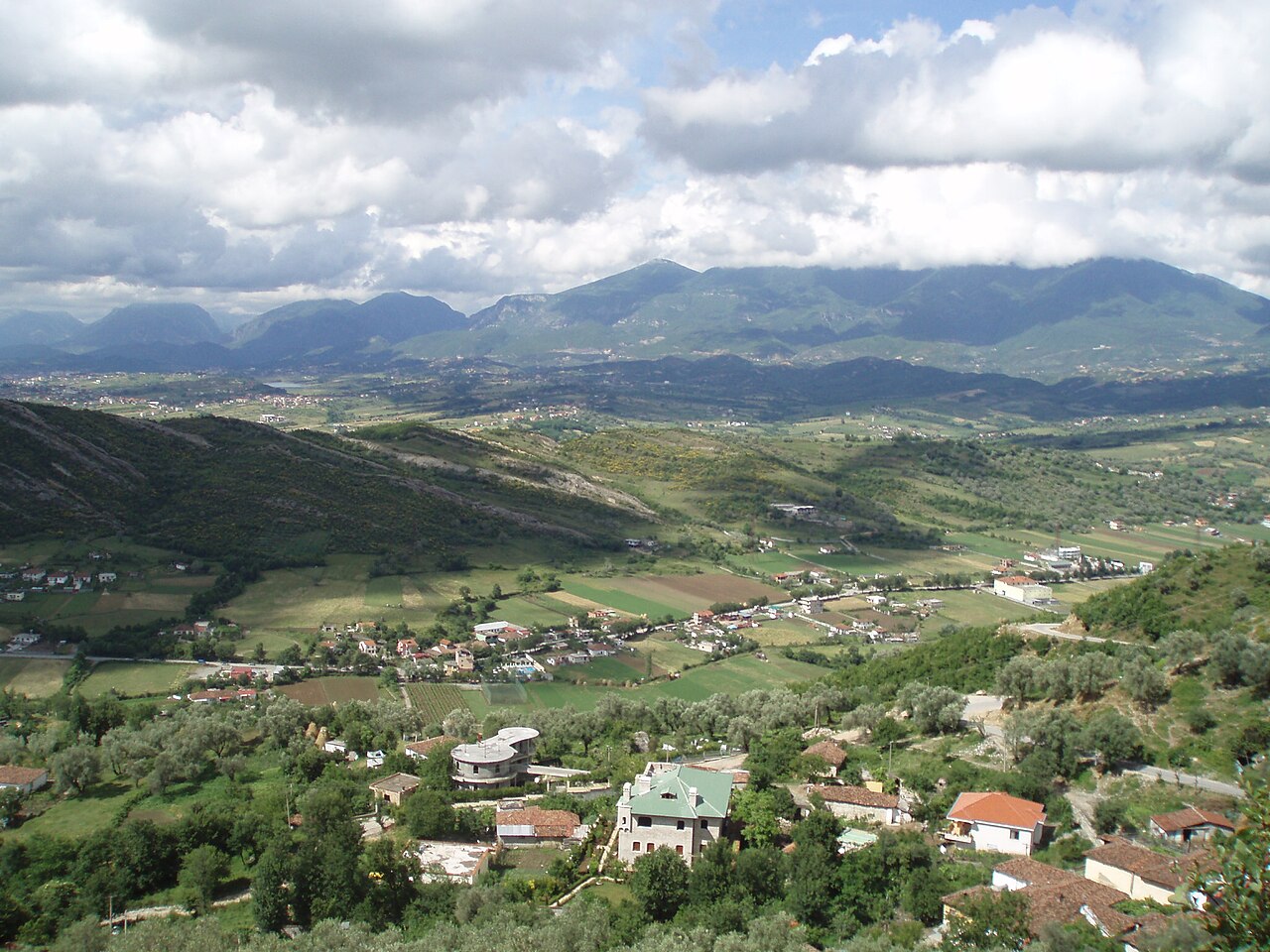
Krujë Castle
rebuilt and defended 1443–1468
 Artifact
Primary source
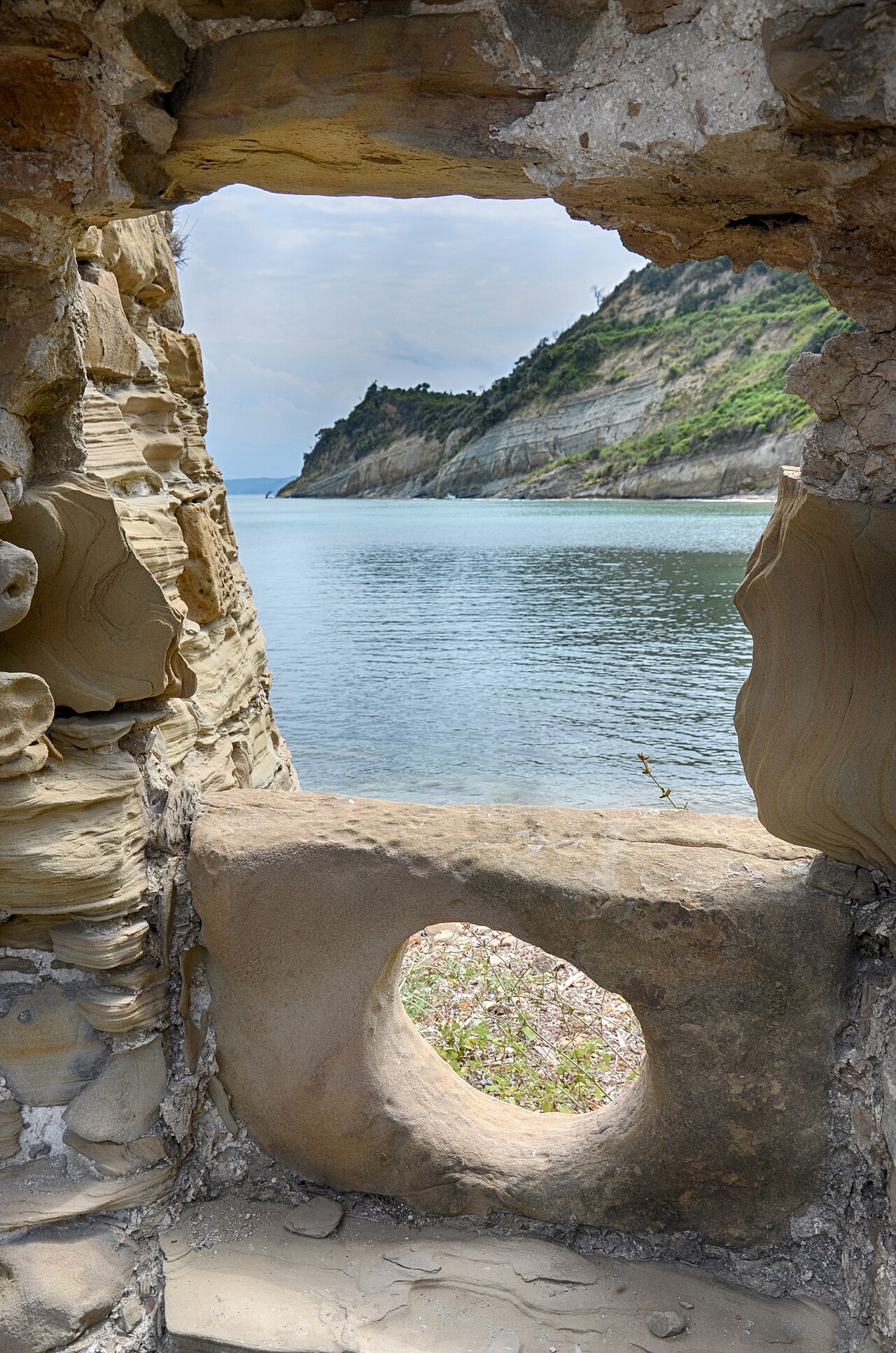
Rodon Castle
Skanderbeg · c. 1450s
Free account
Read every Skanderbeg source
Sign up free →
Ready when you are
Start chatting with Skanderbeg now.
20 messages free · No credit card · Available in 50+ languages.