


Primary sourceDocument15th century
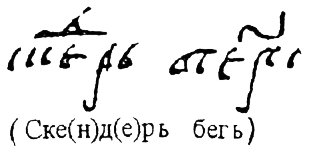
Signature of Skanderbeg
Skanderbeg · 15th century
Skanderbeg's own handwritten signature on a letter to the republic of Ragusa (Dubrovnik).
This is Skanderbeg's own autograph signature, showing his diplomatic dealings with Ragusa.
About this source
What it is
This is the autograph signature of Skanderbeg, written in a Cyrillic-style script, found on a letter he sent to the city-republic of Ragusa (modern Dubrovnik). Below the original signature a printed transliteration reads 'Skanderbeg'.
Why it matters
Letters like this one show Skanderbeg not only as a military leader but as a ruler managing diplomacy with neighbouring powers along the Adriatic coast. His signing style, including his use of the title 'Lord of Albania', reflects how he presented his authority in official correspondence.
Look closer
- What can a handwritten signature tell us that a printed name cannot?
- Why might a ruler fighting the Ottomans also need to keep good relations with a trading city like Ragusa?
- What does the flourish above the signature suggest about personal style in official documents of this time?
This document is part of the curated material that grounds the AI version of Skanderbeg on Humy.ai — when students ask about related events, the AI can quote it and cite it.
More Skanderbeg sources
Browse all 89 →

Ready when you are
Start chatting with Skanderbeg now.
20 messages free · No credit card · Available in 50+ languages.