


Secondary sourceBook
Second Alcibiades
attributed to Plato
A philosophical dialogue traditionally ascribed to Plato, showing Socrates warning Alcibiades about the dangers of careless prayer.
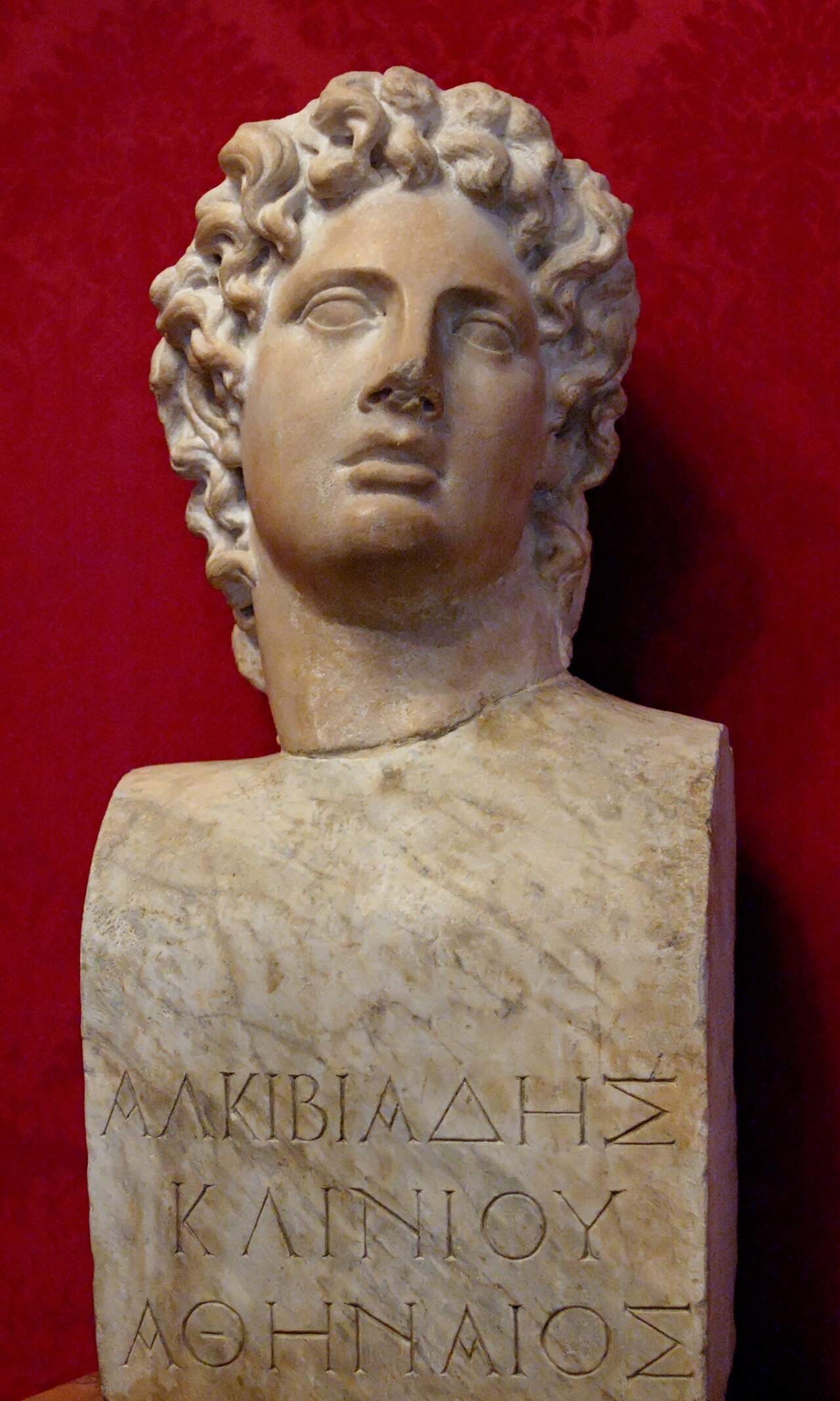
Alcibiades is the pupil-figure questioned by Socrates about prayer and wisdom in this dialogue.
Free Humy account · No credit card · 120,288 sources to read
About this source
What it is
The Second Alcibiades is a Greek dialogue traditionally attributed to Plato, though many scholars doubt he actually wrote it and date it later. It presents a conversation between Socrates and the young Alcibiades about the dangers of praying for things without knowing whether they are truly good.
Why it matters
The dialogue is part of the ancient tradition that paired Socrates and Alcibiades as teacher and ambitious pupil. Whether or not Plato wrote it, it shows how later Greek writers used Alcibiades as a stock figure for discussing ambition, ignorance, and the limits of human knowledge.
Look closer
- Why might ancient writers keep returning to the relationship between Socrates and Alcibiades?
- What does Alcibiades' reaction to Socrates' questions suggest about his character?
- Why do scholars doubt that Plato actually wrote this text?
This book is part of the curated material that grounds the AI version of Alcibiades on Humy.ai — when students ask about related events, the AI can quote it and cite it.
More Alcibiades sources
Browse all 94 →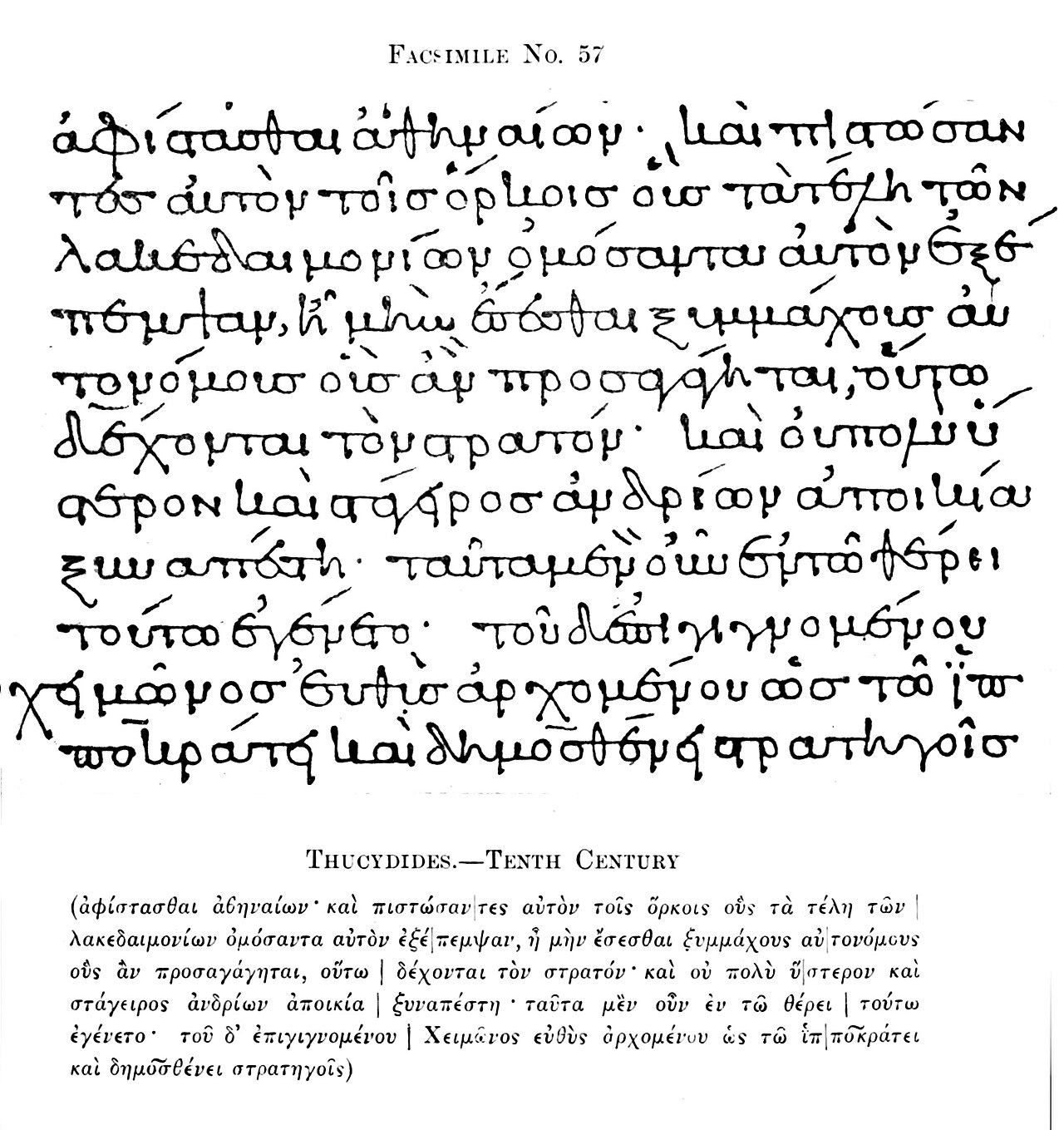 Book
Primary source
History of the Peloponnesian War
Thucydides · 5th century BCE
Secondary source
Life of Alcibiades
Plutarch
 Book
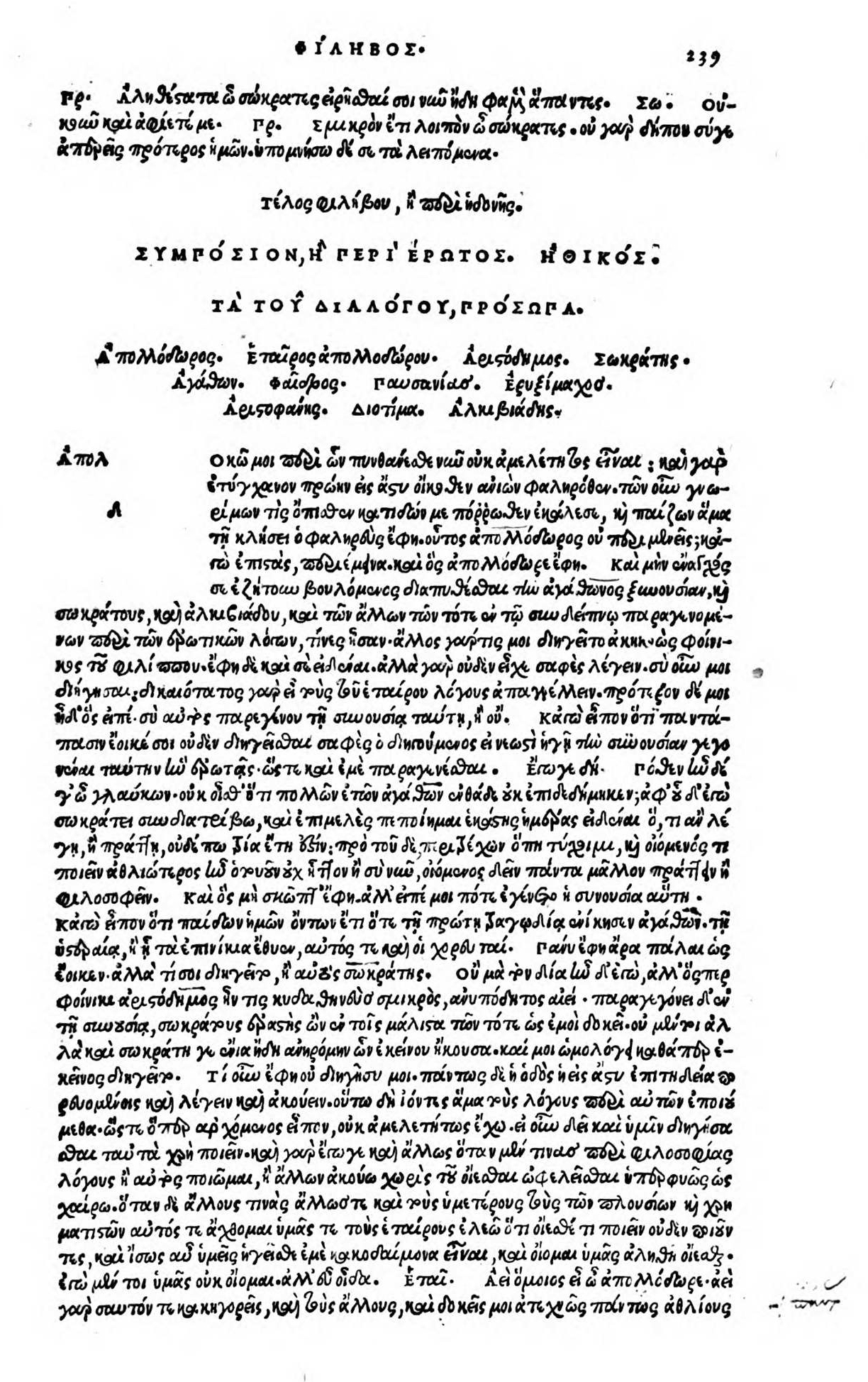
Secondary source
Symposium
Plato · c. 385-370 BC
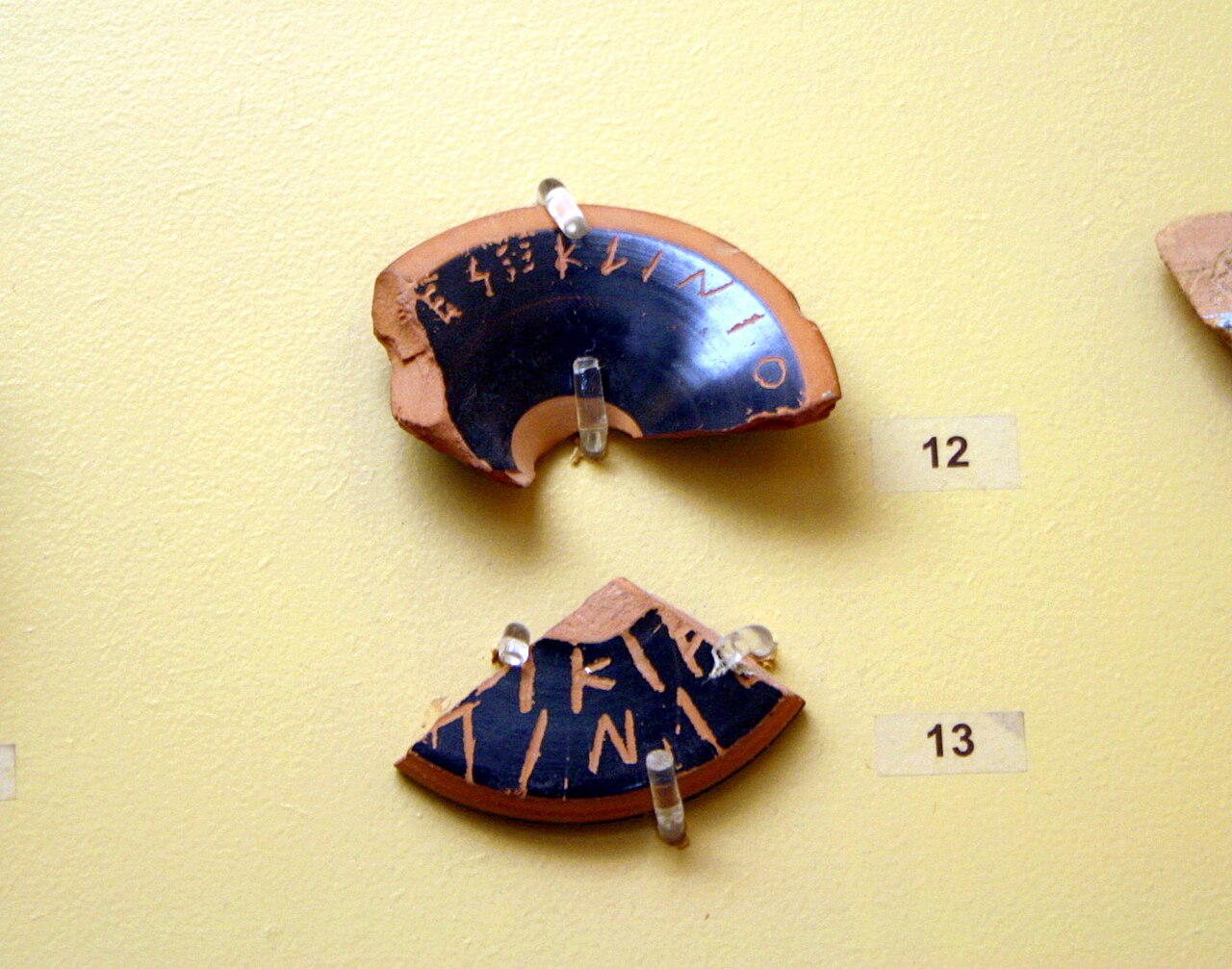 Artifact
Primary source
Ostraka inscribed with the name of Alcibiades
Athenian citizens · c. 416-415 BC
Free account
Read every Alcibiades source
Sign up free →
Ready when you are
Start chatting with Alcibiades now.
20 messages free · No credit card · Available in 50+ languages.