


Primary sourcePainting1911
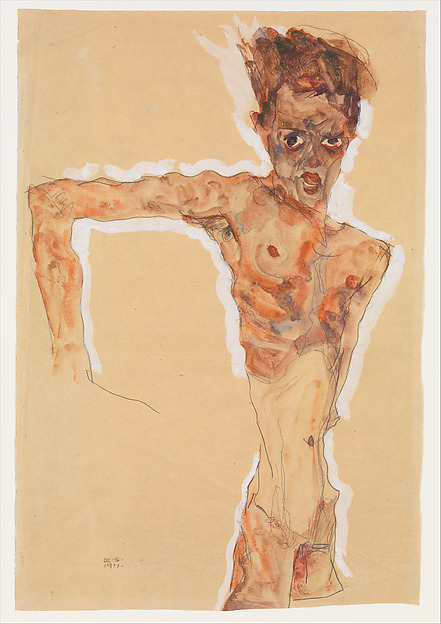
Self-Portrait, 1911
Egon Schiele · 1911
A 1911 watercolor and graphite self-portrait by Schiele, showing his thin nude figure in a characteristic pose.
A self-portrait made by Schiele himself, central to understanding his lifelong focus on depicting his own body.
About this source
What it is
This drawing is a self-portrait made by Egon Schiele in 1911 using watercolor, graphite, and gouache on paper. It is held today at the Metropolitan Museum of Art, part of the bequest of Scofield Thayer.
Why it matters
Self-portraits were central to Schiele's work; he returned to his own body again and again to explore identity, vulnerability, and raw emotional expression. This drawing, with its thin frame and unusual coloring, is a key example of the style that made him famous and controversial in his own time.
Look closer
- What do the color choices and the pale outline around the body add to the mood of the drawing?
- Why might an artist return to self-portraiture so often throughout his career?
- What is emphasized in this image, and what is left out?
This painting is part of the curated material that grounds the AI version of Egon Schiele on Humy.ai — when students ask about related events, the AI can quote it and cite it.
More Egon Schiele sources
Browse all 92 →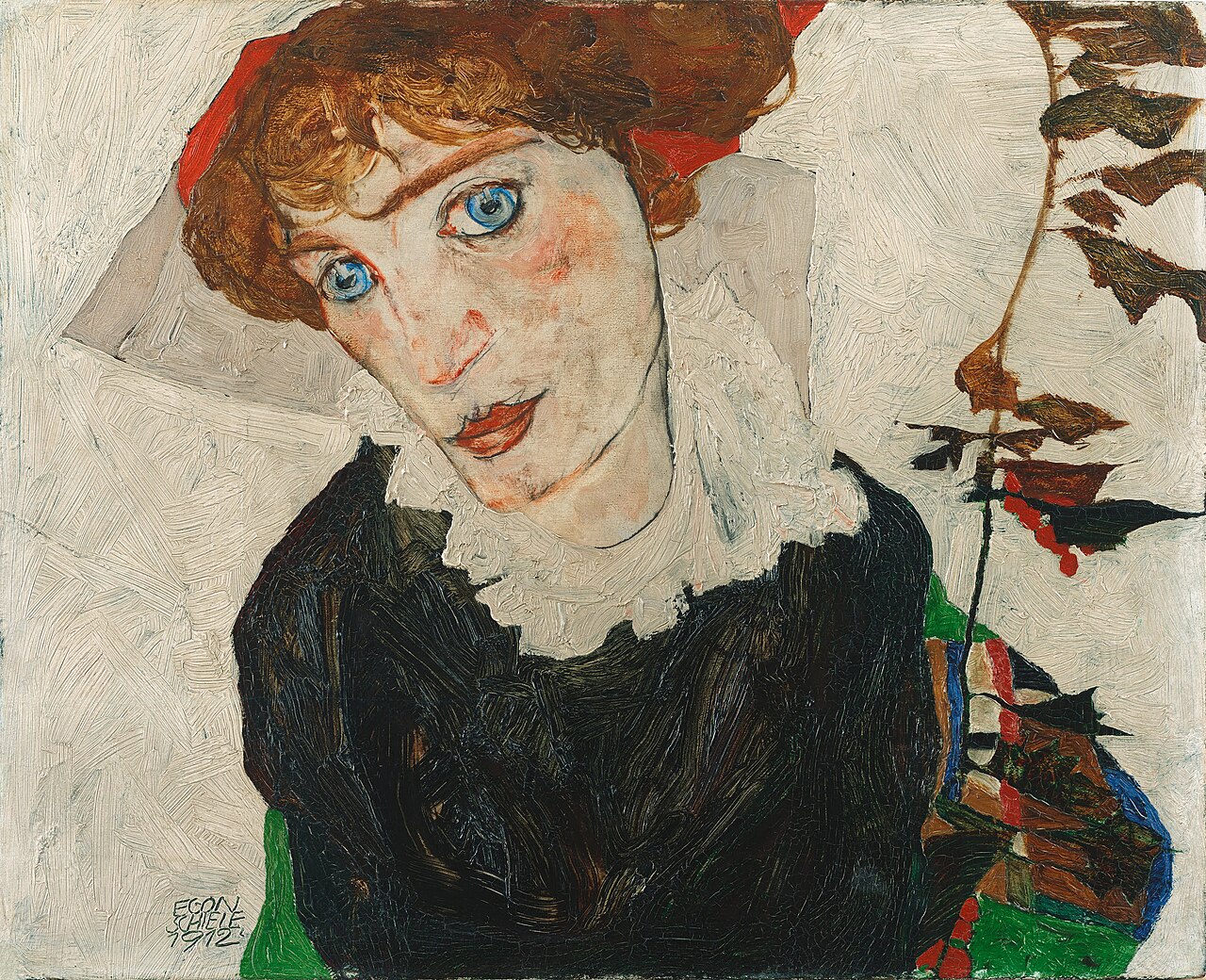 Painting
Primary source
Portrait of Wally
Egon Schiele · 1912
 Painting
Primary source
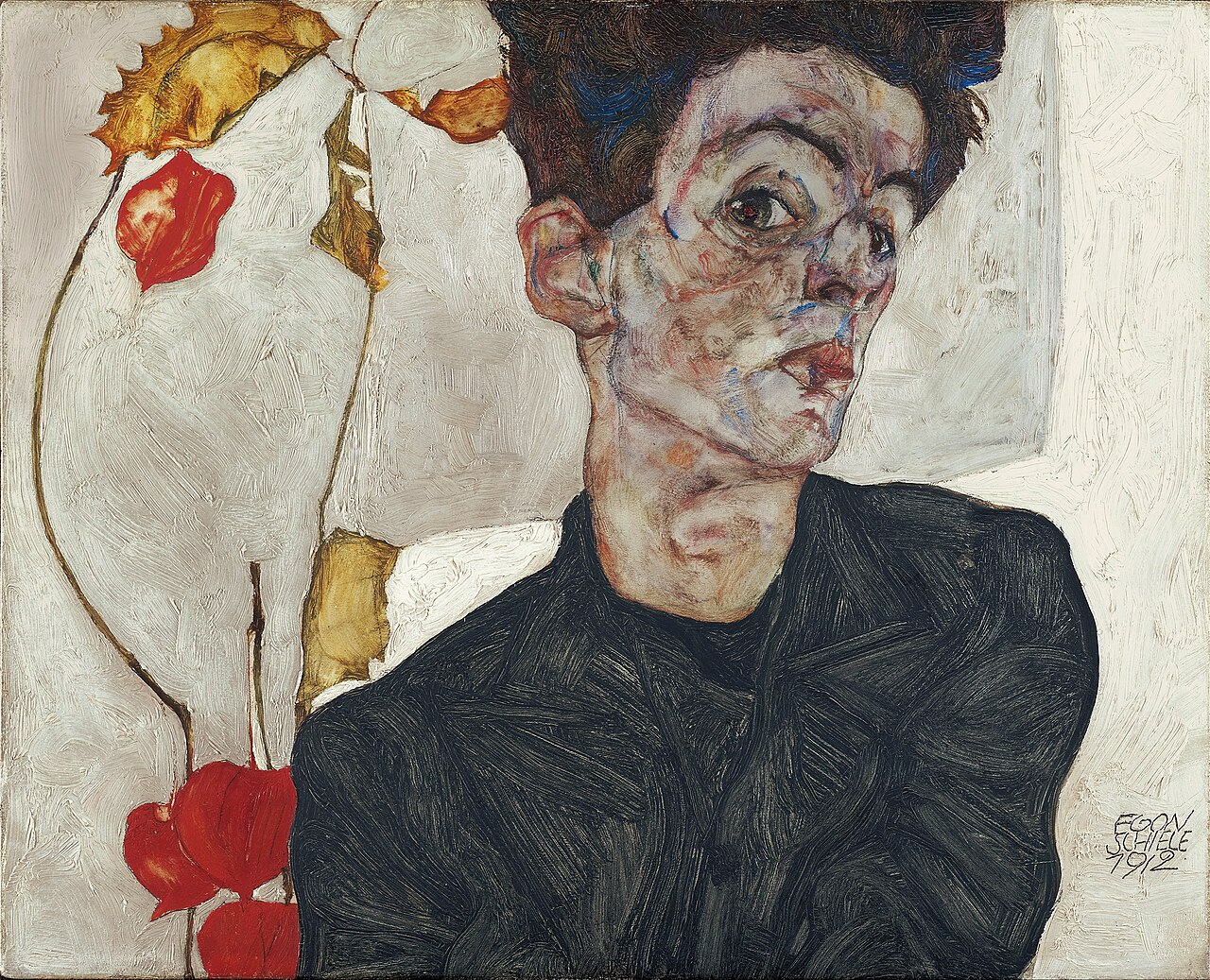
Self-Portrait with Physalis
Egon Schiele · 1912
 Painting
Primary source
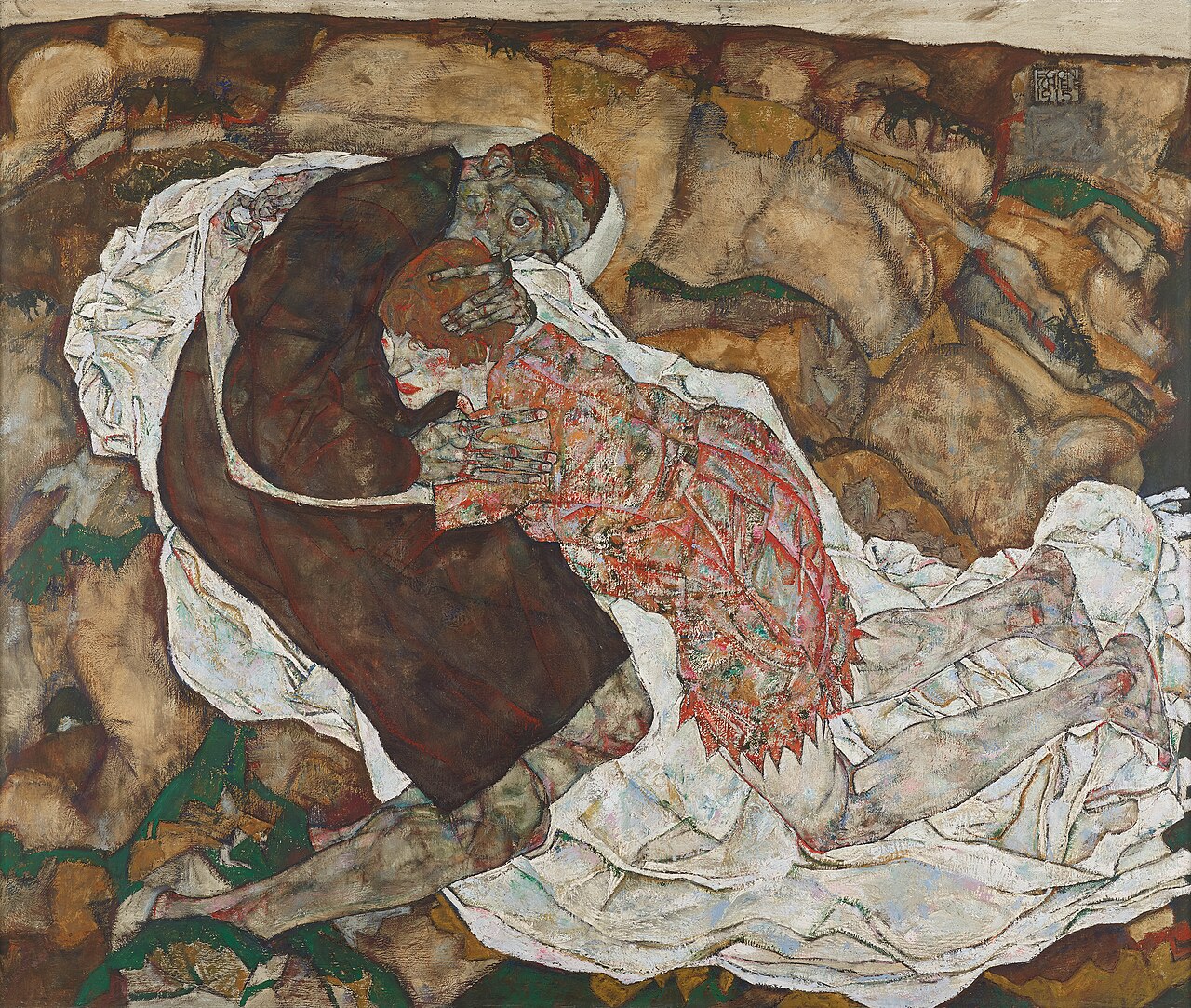
Death and the Maiden
Egon Schiele · 1915
 Painting
Primary source
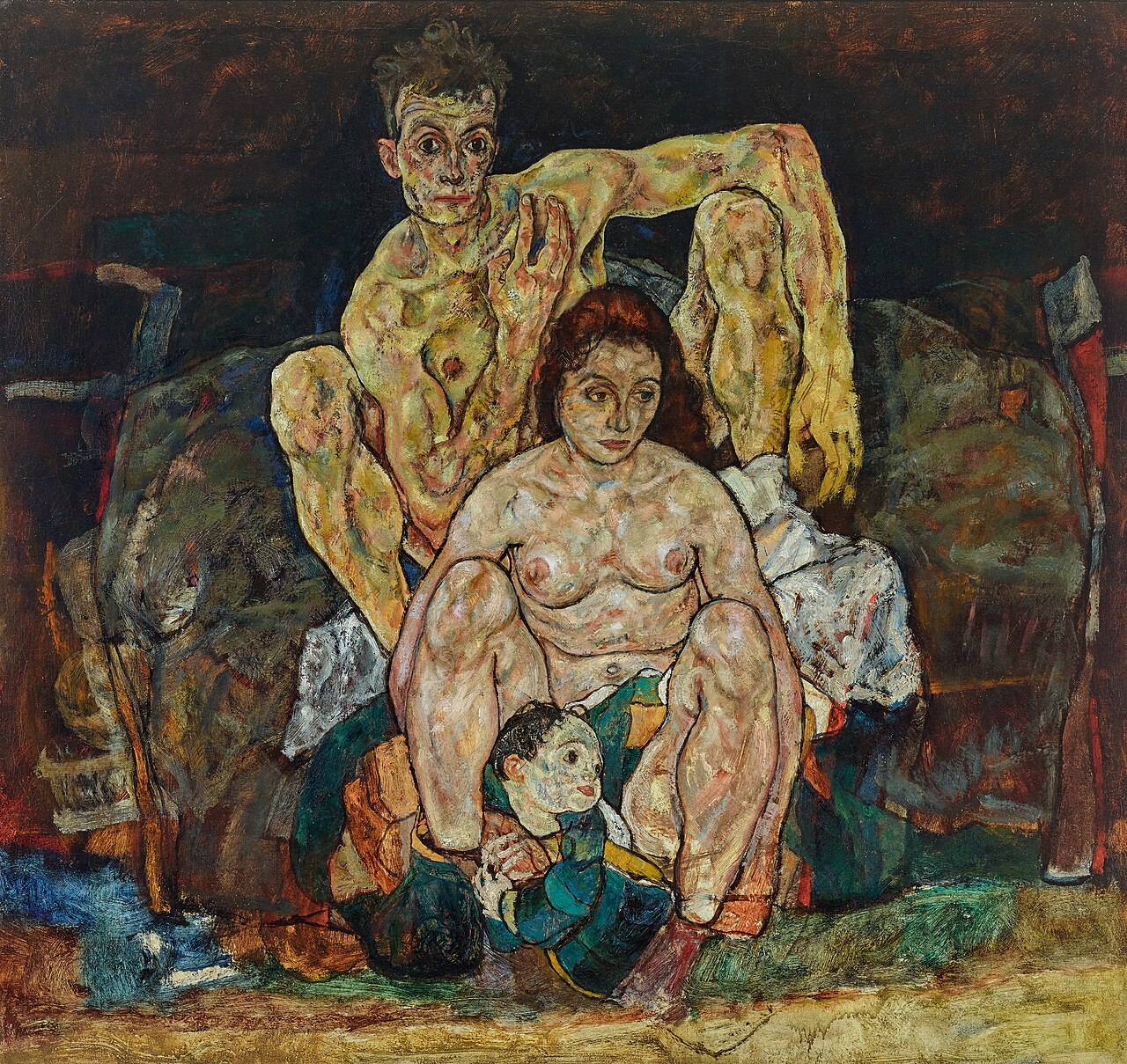
The Family
Egon Schiele · 1918
Free account
Read every Egon Schiele source
Sign up free →
Ready when you are
Start chatting with Egon Schiele now.
20 messages free · No credit card · Available in 50+ languages.