


Primary sourcePainting1873
Self-Portrait at Sainte-Pélagie
Gustave Courbet · 1873
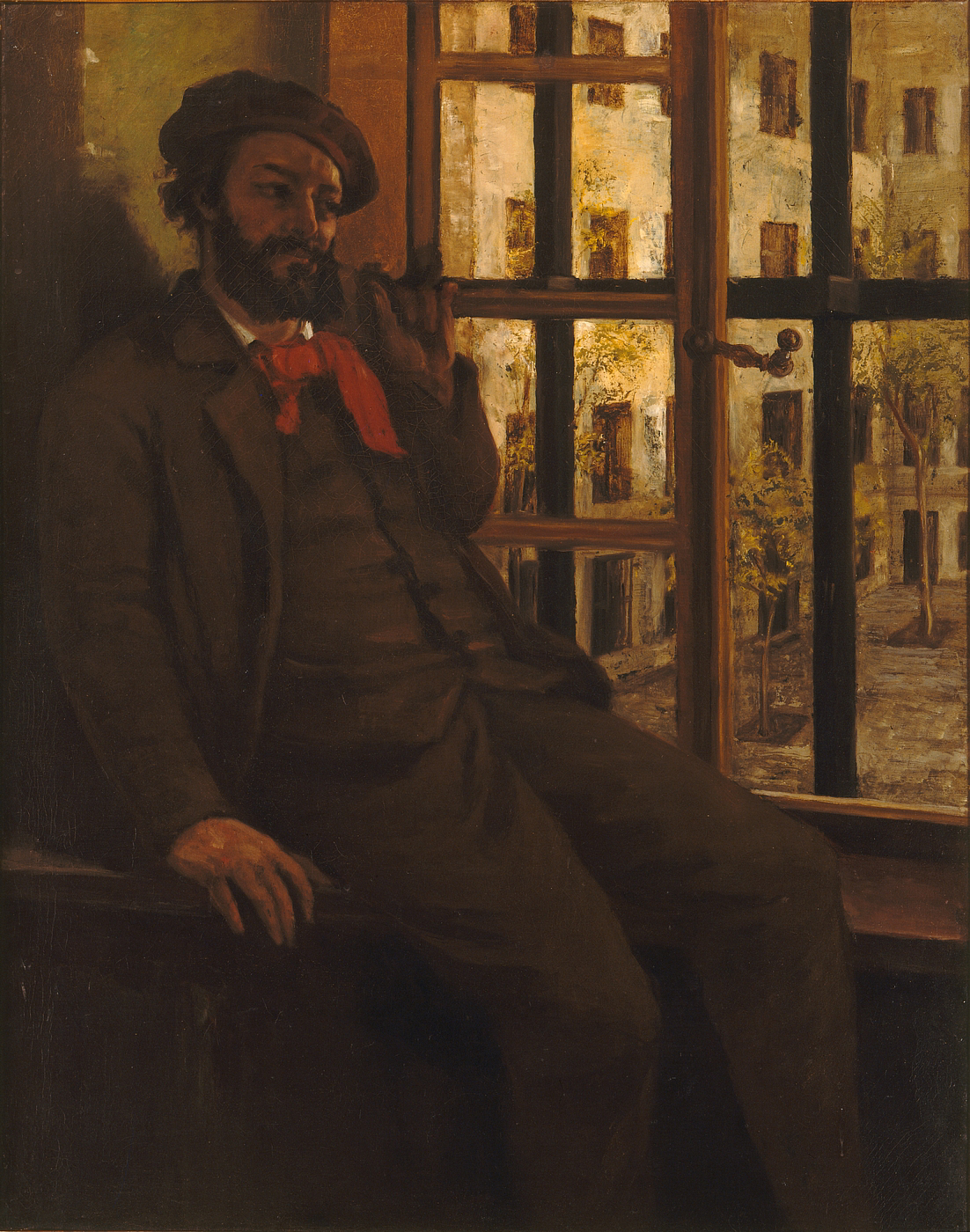
Courbet's 1873 self-portrait painted after his imprisonment following the Paris Commune, showing himself as a political prisoner.
Courbet painted himself here as a political prisoner, documenting his own imprisonment after the Paris Commune.
About this source
What it is
An oil-on-canvas self-portrait by Gustave Courbet, painted in 1873, showing him seated in a dark beret and coat beside a tall window overlooking a prison courtyard. It is held at the Musée Courbet.
Why it matters
The painting records Courbet's imprisonment at the Sainte-Pélagie prison following his involvement with the Paris Commune, when he was held responsible for the destruction of the Vendôme Column. By painting himself in this setting, Courbet presented himself deliberately as a political prisoner, using self-portraiture to shape how history would remember his politics and punishment.
Look closer
- What does Courbet's choice of clothing and pose suggest about how he wanted to be seen?
- Why might an artist choose to paint himself while imprisoned rather than avoid the subject?
- What does the view through the window tell us about his surroundings at the time?
This painting is part of the curated material that grounds the AI version of Gustave Courbet on Humy.ai — when students ask about related events, the AI can quote it and cite it.
More Gustave Courbet sources
Browse all 96 →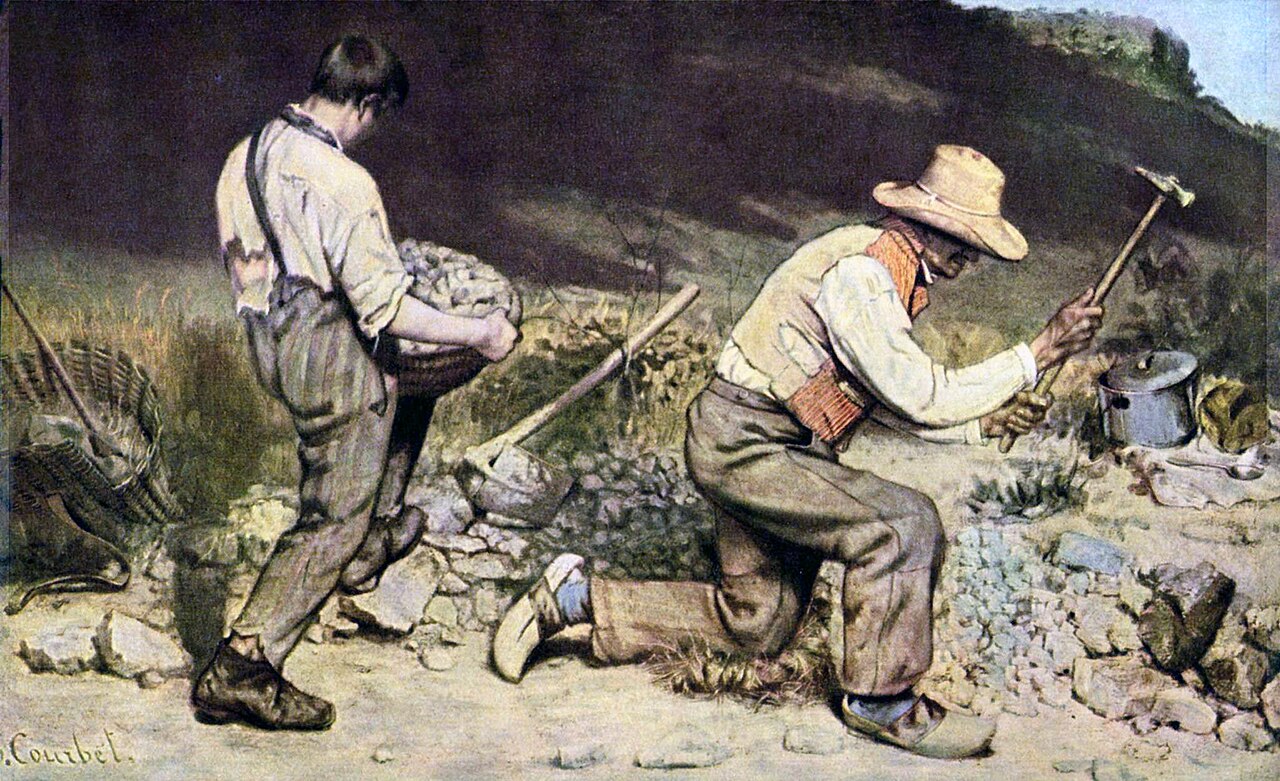 Painting
Primary source
The Stone Breakers
Gustave Courbet · 1849
 Painting
Primary source
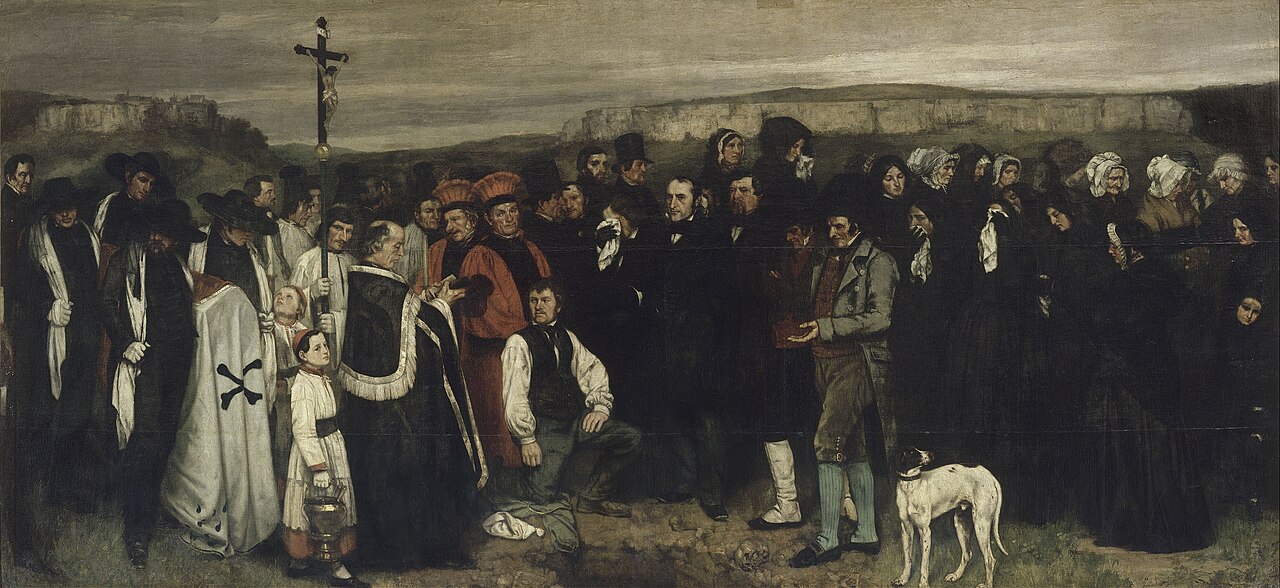
A Burial at Ornans
Gustave Courbet · 1849-1850
 Painting
Primary source
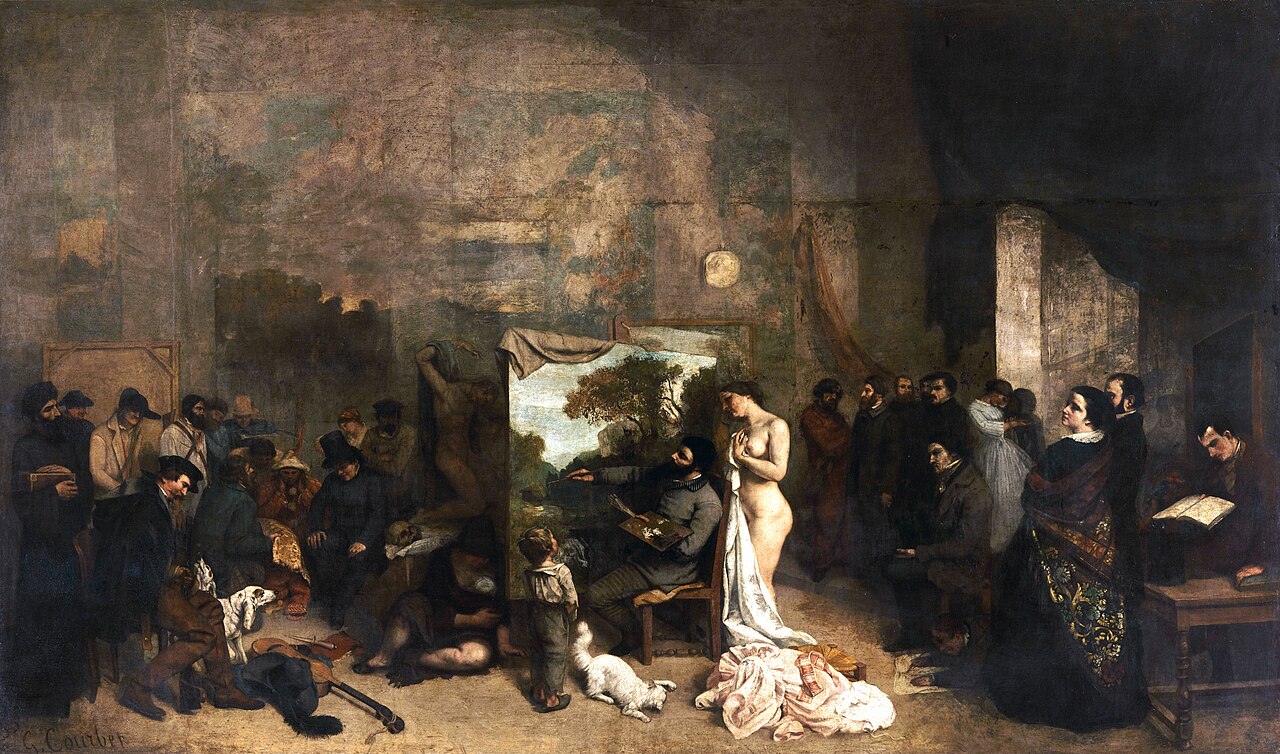
The Painter's Studio
Gustave Courbet · 1855
 Painting
Primary source
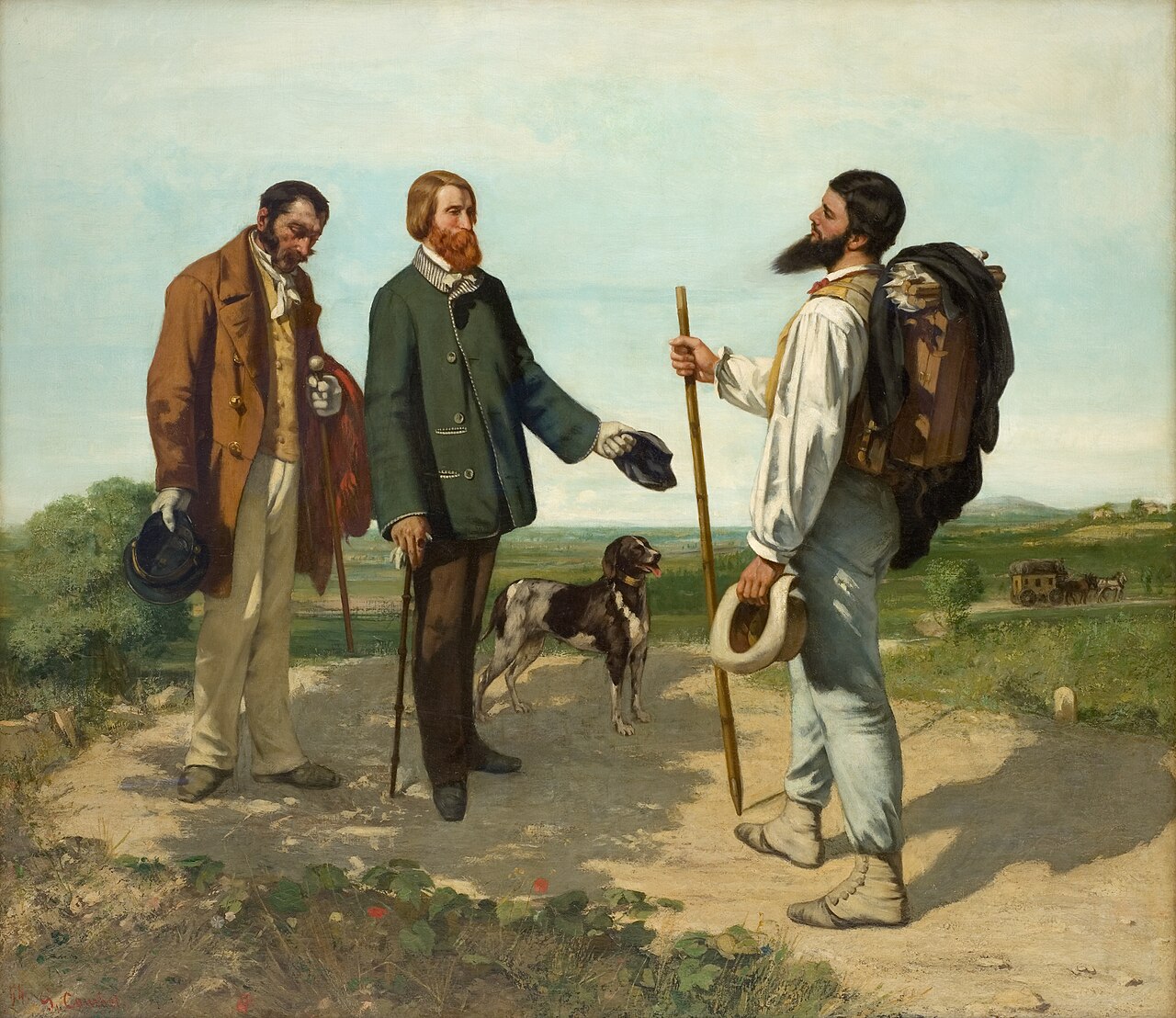
The Meeting, or Bonjour, Monsieur Courbet!
Gustave Courbet · 1854
Free account
Read every Gustave Courbet source
Sign up free →
Ready when you are
Start chatting with Gustave Courbet now.
20 messages free · No credit card · Available in 50+ languages.