


Primary sourcePaintingc. 1665-1669
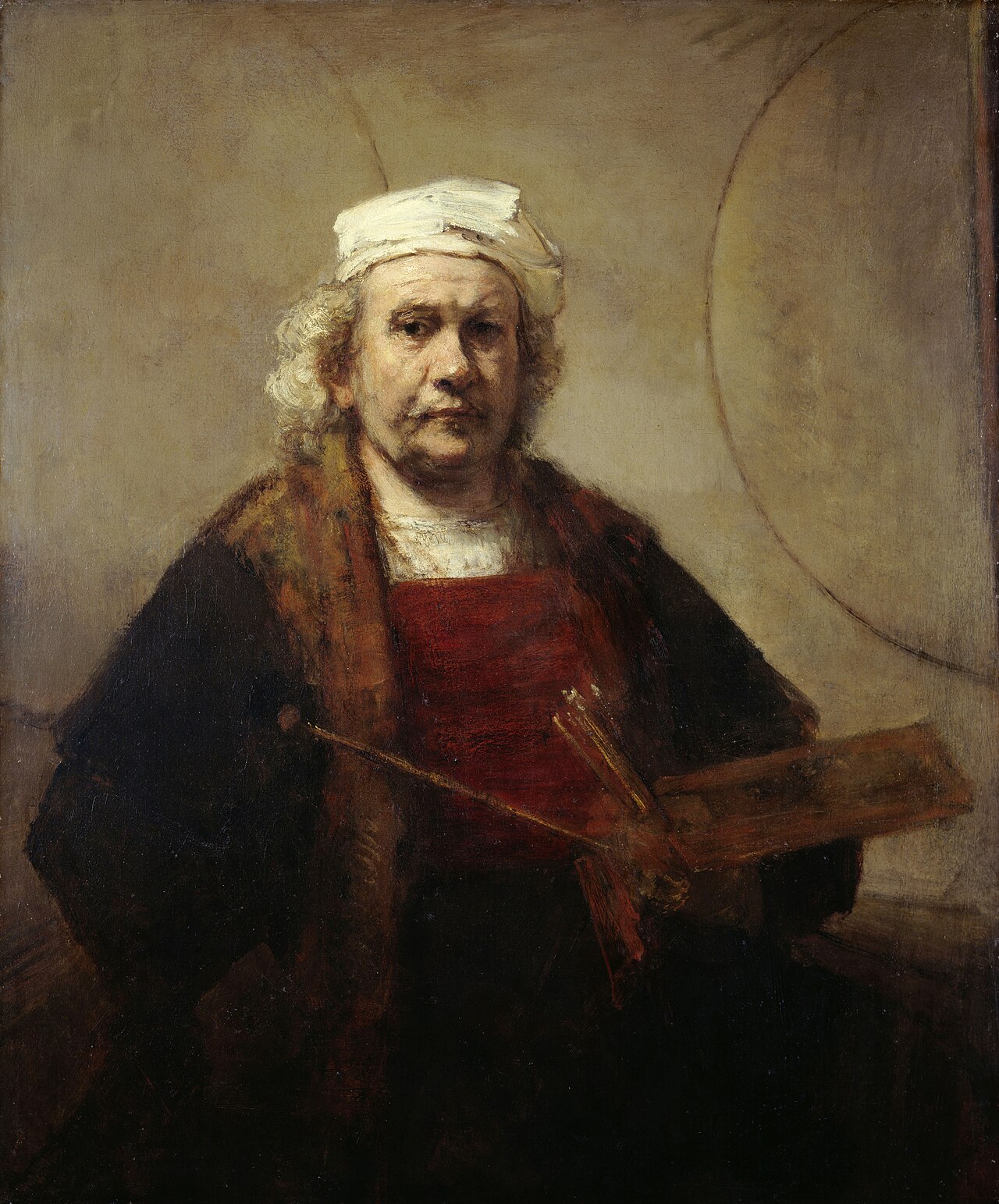
Self Portrait with Two Circles
Rembrandt · c. 1665-1669
A late self-portrait by Rembrandt showing him holding his palette and brushes before two mysterious circles.
A late self-portrait painted by Rembrandt himself, showing his sense of identity as an artist after losing his fortune.
About this source
What it is
This oil painting by Rembrandt, made around 1665–1669, shows the artist in old age holding his palette, brushes and maulstick. It is one of more than forty self-portraits he painted. It is held at Kenwood House (Iveagh Bequest).
Why it matters
The painting is famous for its bold, loose brushwork and for the two faint circles on the wall behind Rembrandt, whose meaning historians still debate. By this point in his life Rembrandt had lost much of his fortune, yet here he appears confident and even defiant, asserting his skill and identity as a painter.
Look closer
- What does Rembrandt's pose and expression suggest about how he saw himself late in life?
- Why might the unfinished-looking passages be left that way?
- What questions does the mysterious background raise, and why can't we be sure of its meaning?
This painting is part of the curated material that grounds the AI version of Rembrandt on Humy.ai — when students ask about related events, the AI can quote it and cite it.
More Rembrandt sources
Browse all 96 →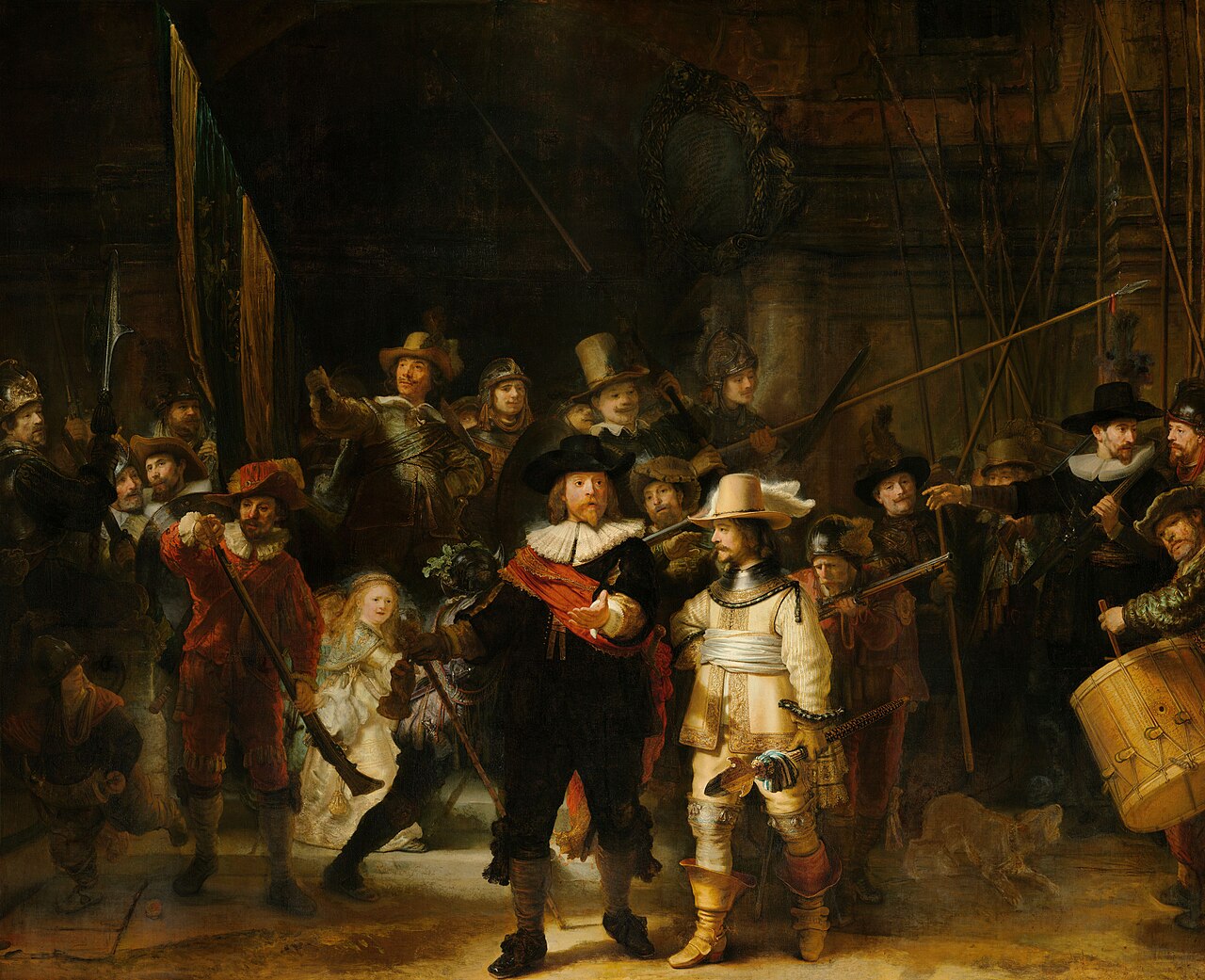 Painting
Primary source
The Night Watch
Rembrandt · 1642
 Painting
Primary source
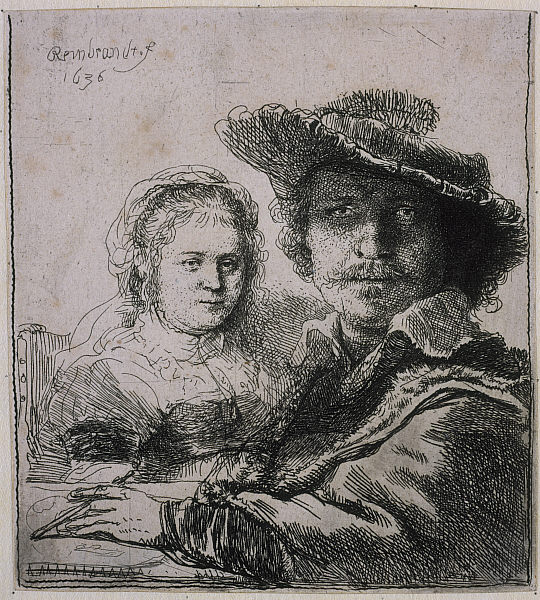
Self-Portrait with Saskia
Rembrandt van Rijn · 1636
 Painting
Secondary source
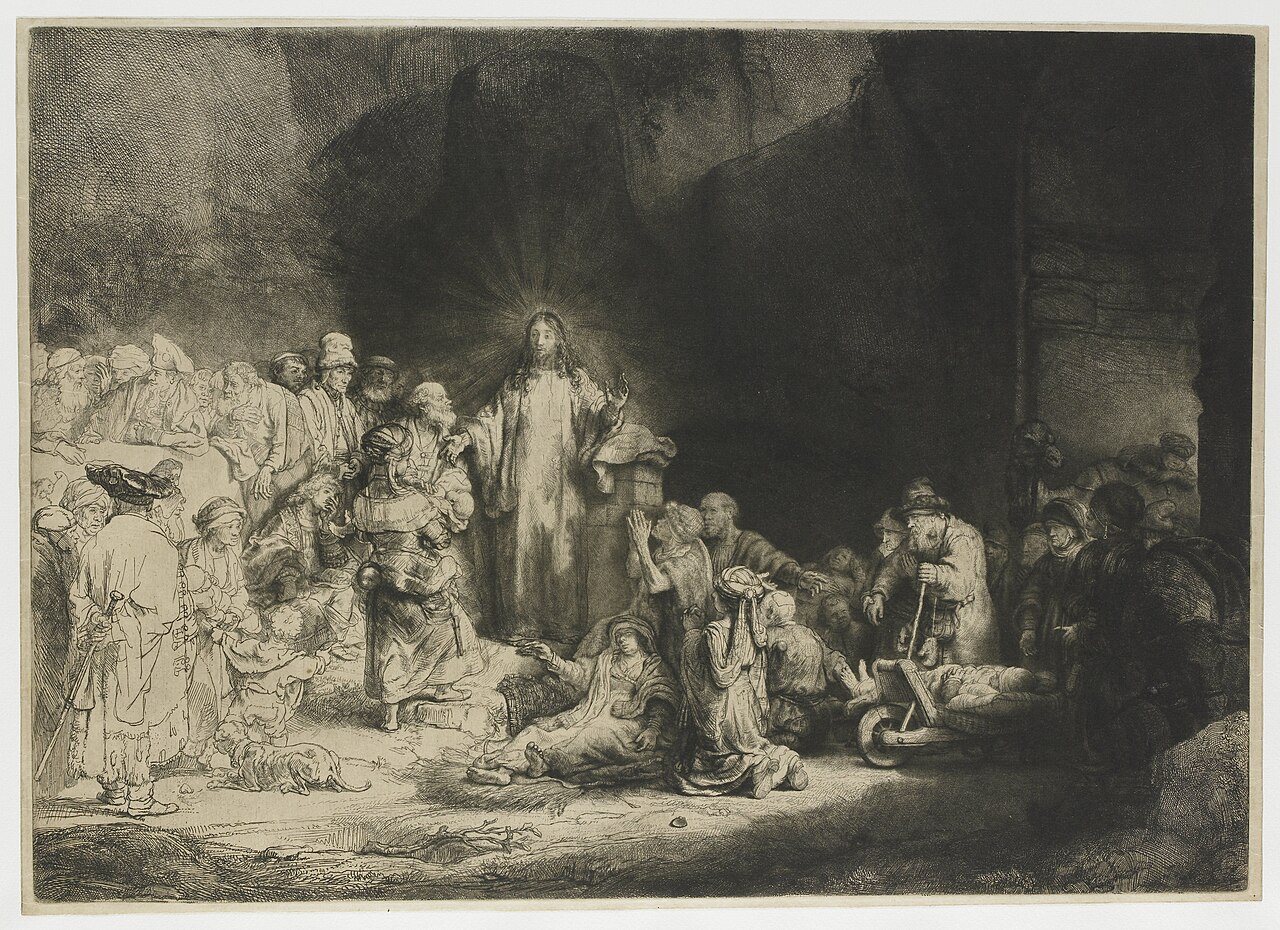
Christ Healing the Sick (Hundred Guilder Print)
Rembrandt · c. 1647-1649
 Painting
Primary source
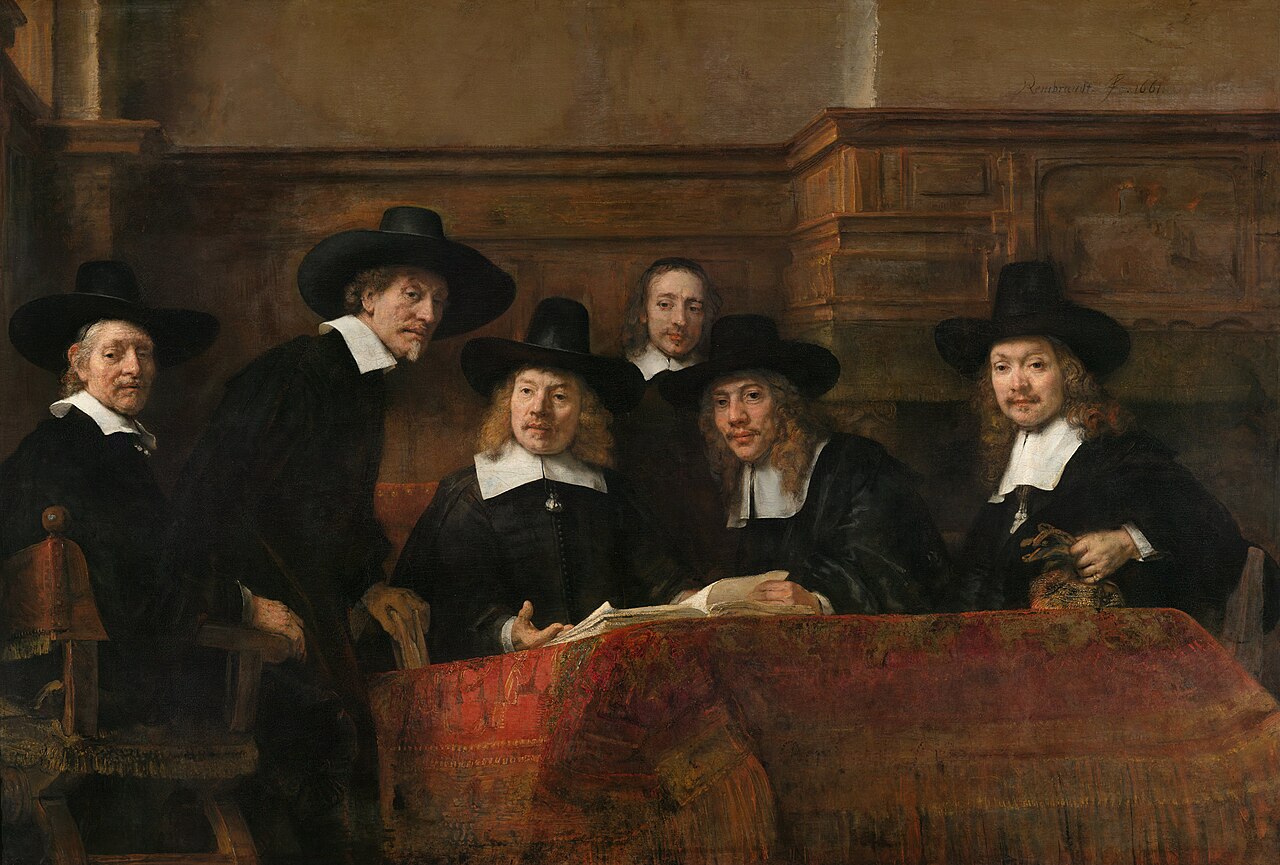
Syndics of the Drapers' Guild
Rembrandt · 1662
Free account
Read every Rembrandt source
Sign up free →
Ready when you are
Start chatting with Rembrandt now.
20 messages free · No credit card · Available in 50+ languages.