


Secondary sourceArtifact1876
Serenade for Strings Op. 22, Larghetto
Antonín Dvořák · 1876
A recording of the Larghetto, the fourth movement of Dvořák's Serenade for Strings, Op. 22, which he wrote in 1876.
Shows an early Dvořák work from 1876, the Serenade for Strings, heard through a later recording.
Free Humy account · No credit card · 120,912 sources to read
About this source
What it is
This is an audio recording of the fourth movement (Larghetto) of Dvořák's Serenade for Strings, Op. 22. Dvořák wrote the work in 1876. The archive record names the piece but does not identify the performers, so the recording is a later performance of his music rather than a sound made by the composer.
Why it matters
The Serenade for Strings is written for a string ensemble without wind or brass. Listening to a slow movement lets students hear how Dvořák used the strings to create a lyrical and calm sound. The date of composition, 1876, places the work early in his career.
Look closer
- How do the instruments of the string section work together to create the melody?
- Why might a composer write a piece for strings alone, and what would change with other instruments?
- What information about the performance is missing from this recording, and why does that matter?
This artifact is part of the curated material that grounds the AI version of Antonín Dvořák on Humy.ai — when students ask about related events, the AI can quote it and cite it.
More Antonín Dvořák sources
Browse all 96 →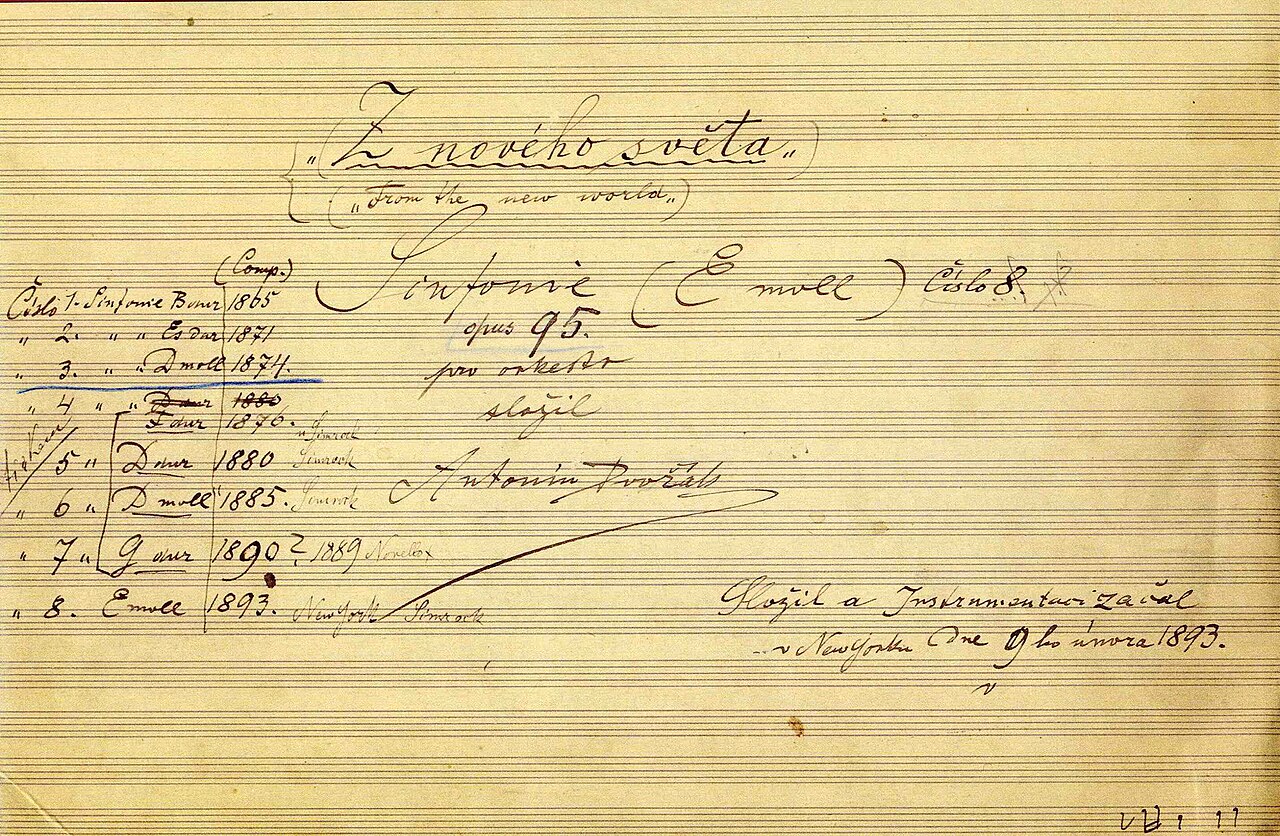 Document
Primary source
Symphony No. 9 'From the New World'
Antonín Dvořák · 1893
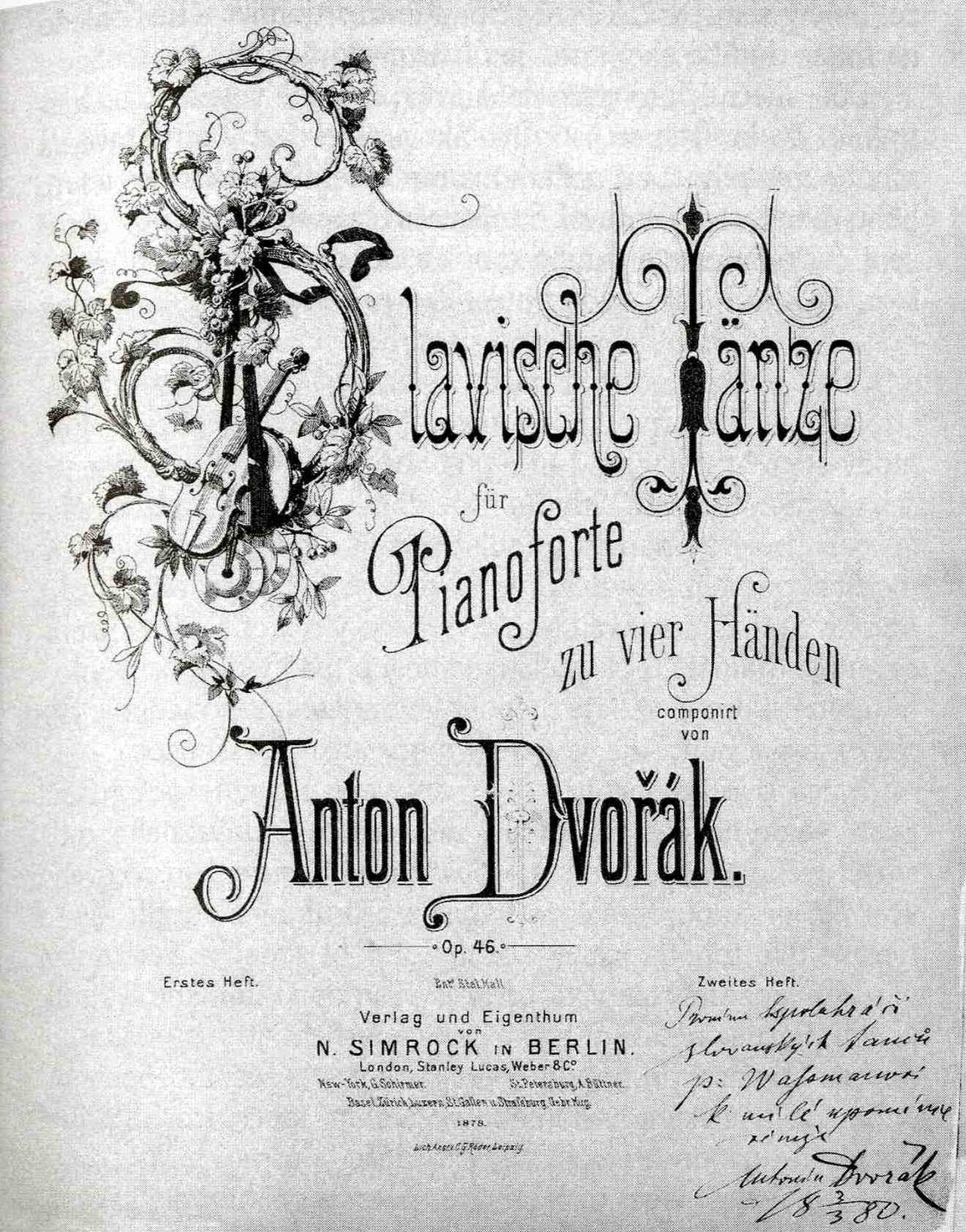 Document
Primary source
Slavonic Dances
Antonín Dvořák · 1878–1886
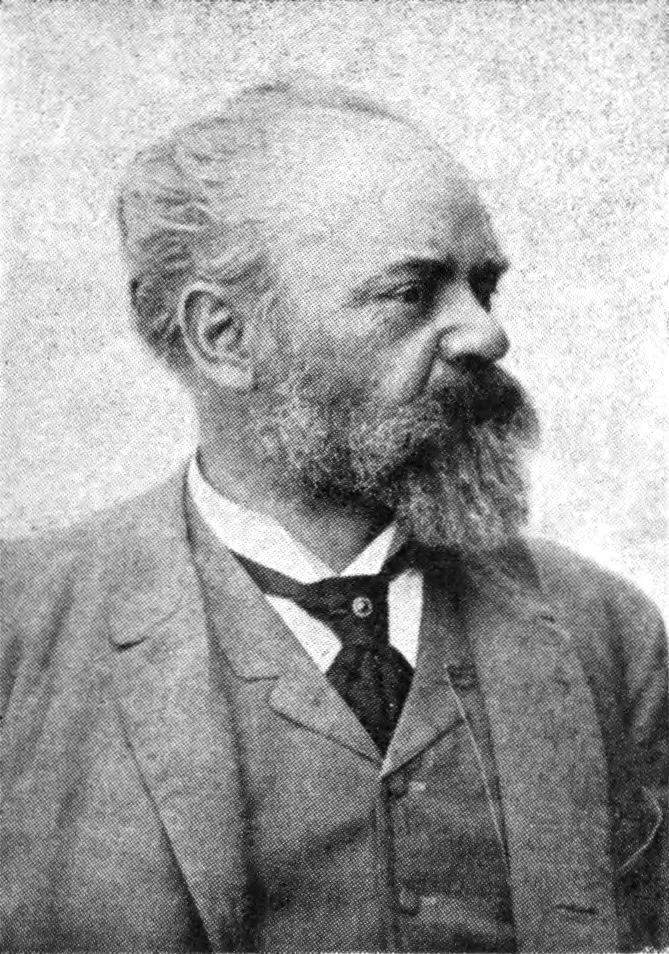 Document
Primary source
Cello Concerto in B minor
Antonín Dvořák · 1894–1895
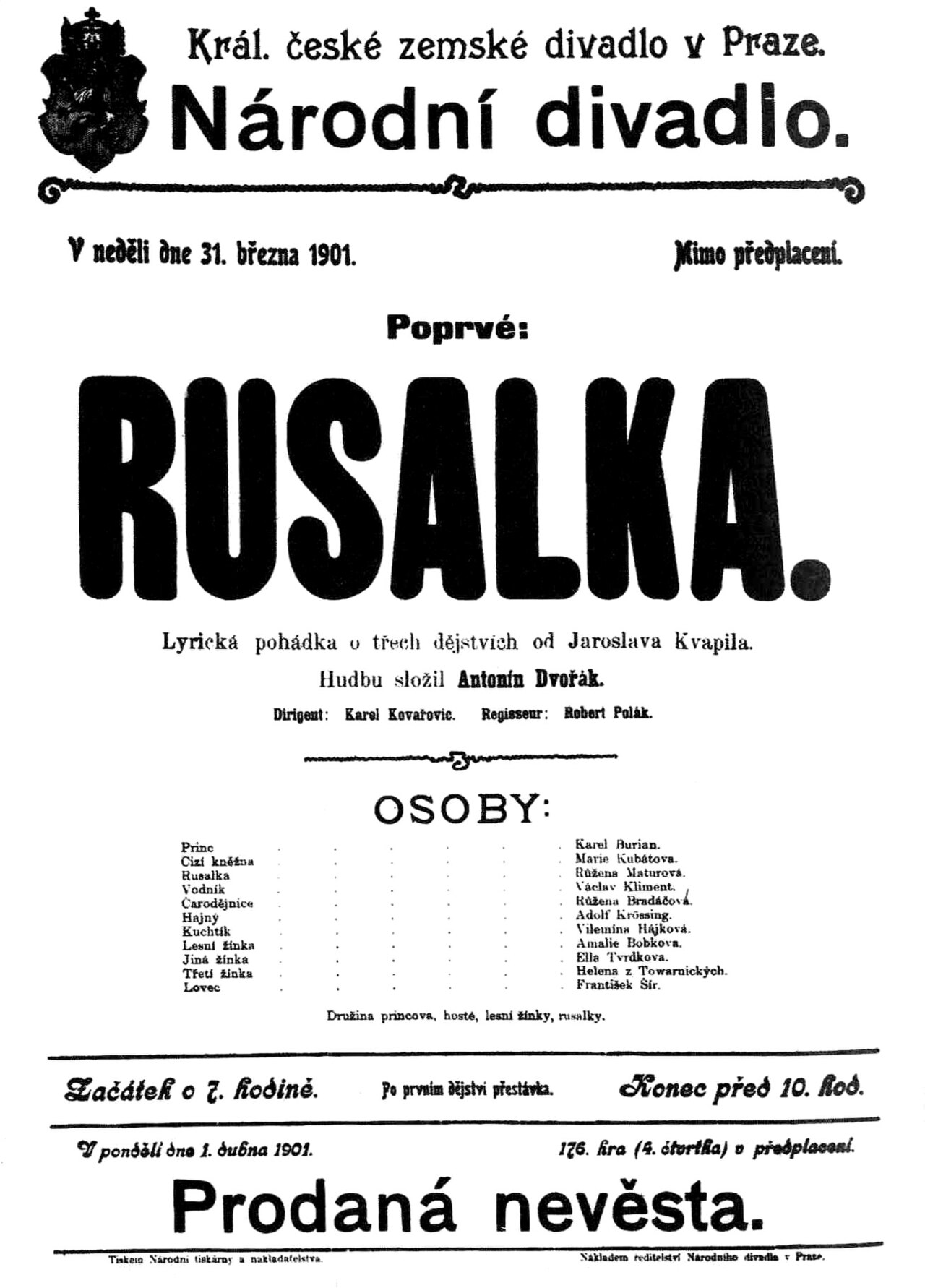 Document
Primary source
Rusalka
Antonín Dvořák · 1900–1901
Free account
Read every Antonín Dvořák source
Sign up free →
Ready when you are
Start chatting with Antonín Dvořák now.
20 messages free · No credit card · Available in 50+ languages.