


Primary sourceArtifactc. AD 141-143
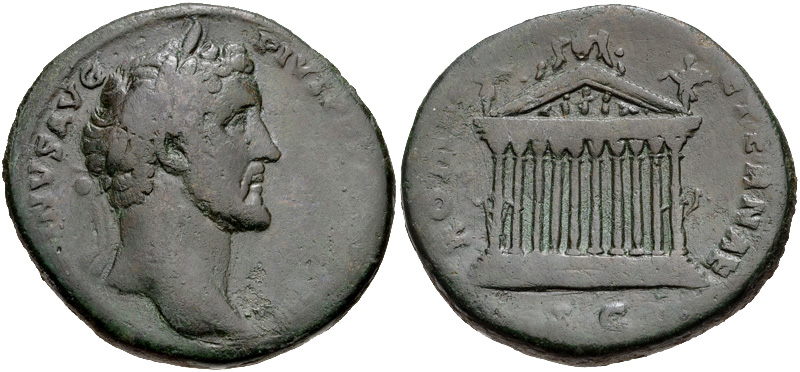
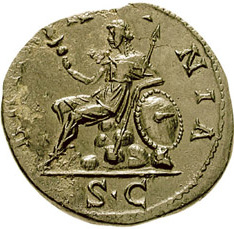
Sestertius of Antoninus Pius with Temple of Venus and Roma
Rome mint · c. AD 141-143
A bronze Roman coin from Rome showing Antoninus Pius's portrait and the great Temple of Venus and Roma on its reverse.
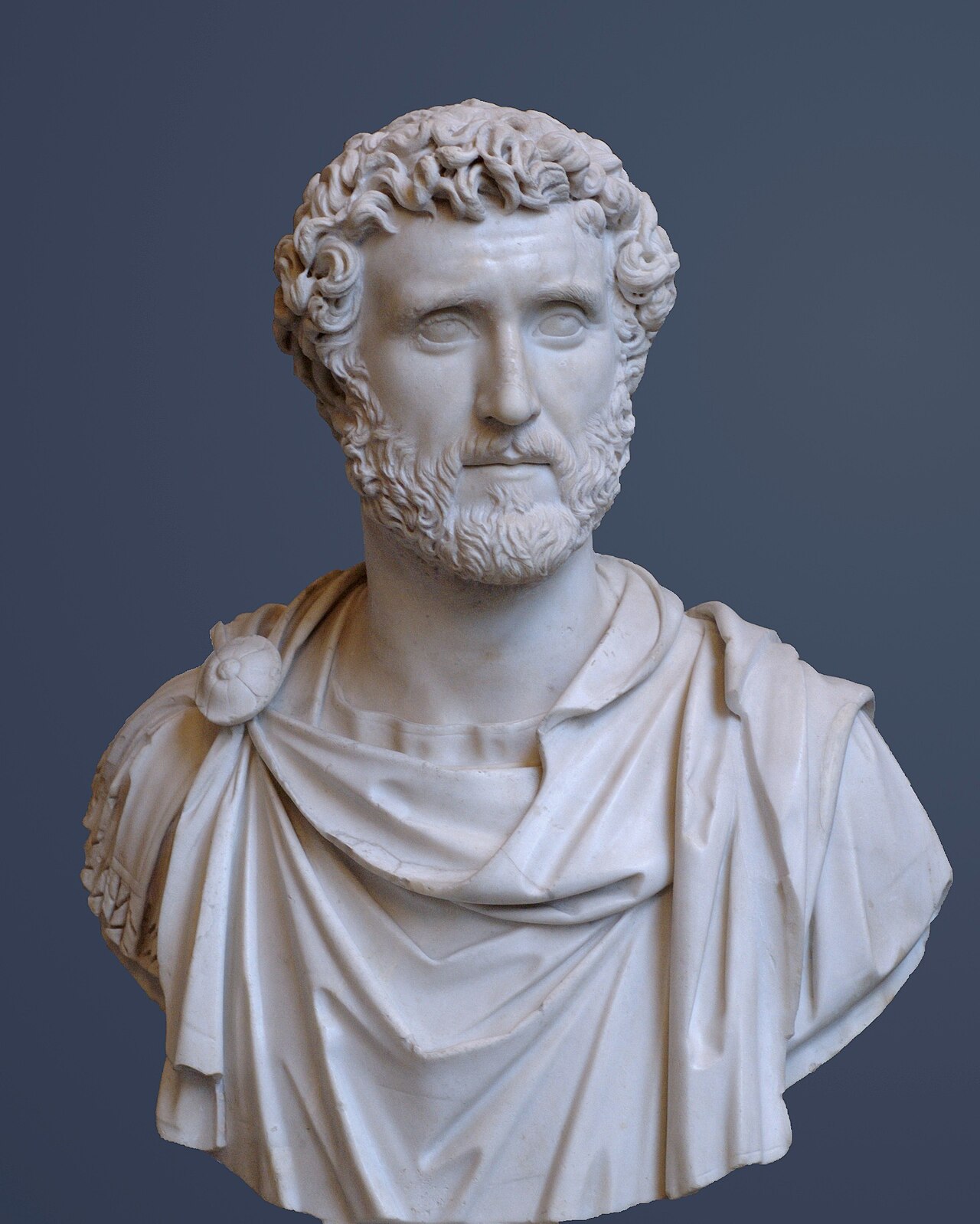
This coin carries Antoninus Pius's own portrait, minted during his reign to spread his image across the empire.
About this source
What it is
This is a bronze sestertius struck at the Rome mint around AD 141-143. One side shows the laureate head of the emperor Antoninus Pius with his titles. The other side shows the ten-columned Temple of Venus and Roma, with statues on its roof and pediment.
Why it matters
Roman coins were a way for emperors to spread images of themselves and their achievements across the empire. By putting a famous temple on his coinage, Antoninus Pius connected his reign to major building projects and to Rome's religious traditions.
Look closer
- Why would an emperor choose to put a building, rather than a person or event, on a coin?
- What does the detail on the temple tell us about how important it was considered?
- How might this coin have traveled and who would have seen it?
This artifact is part of the curated material that grounds the AI version of Antoninus Pius on Humy.ai — when students ask about related events, the AI can quote it and cite it.
More Antoninus Pius sources
Browse all 90 → Artifact
Primary source
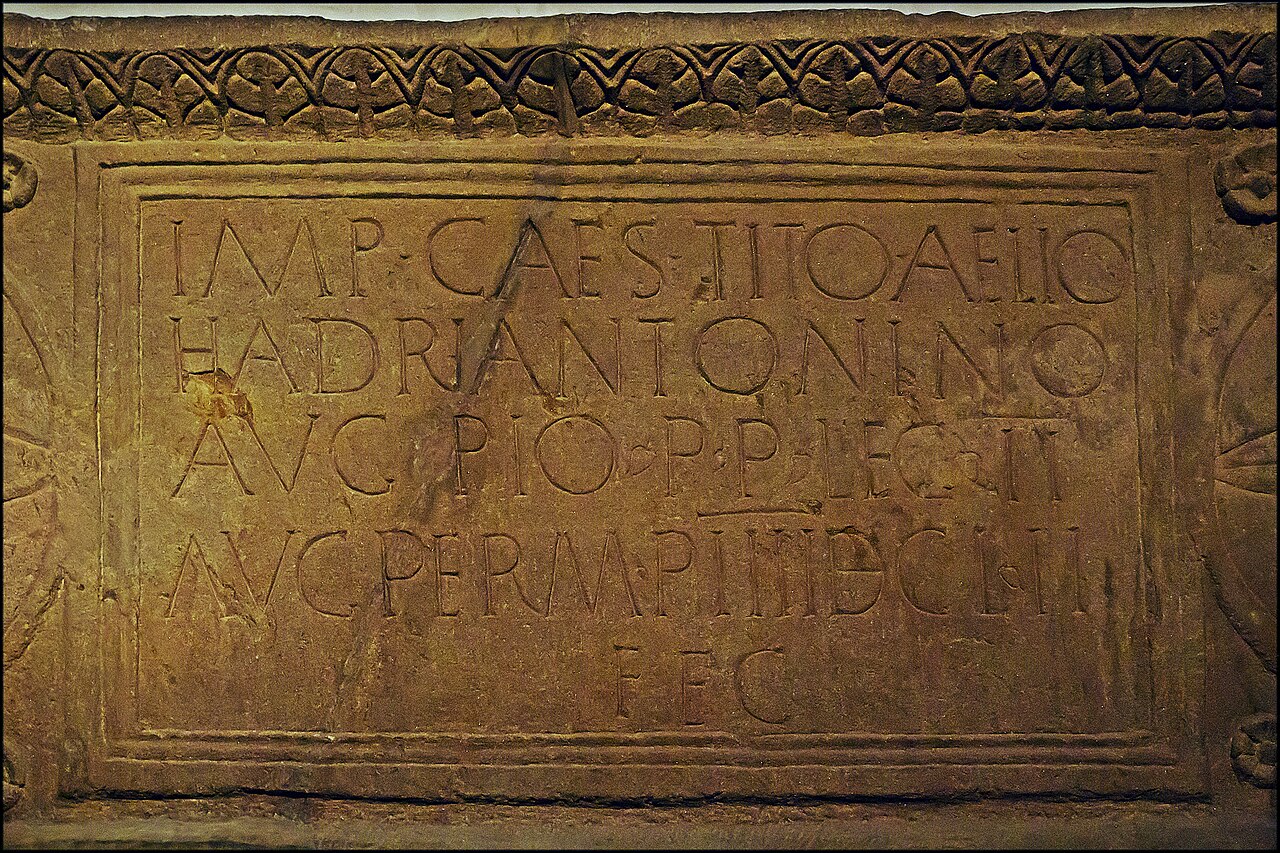
Antonine Wall
142 CE (begun)
 Artifact
Primary source
Bridgeness Slab
Legio II Augusta · c. 142 CE
 Sculpture
Primary source
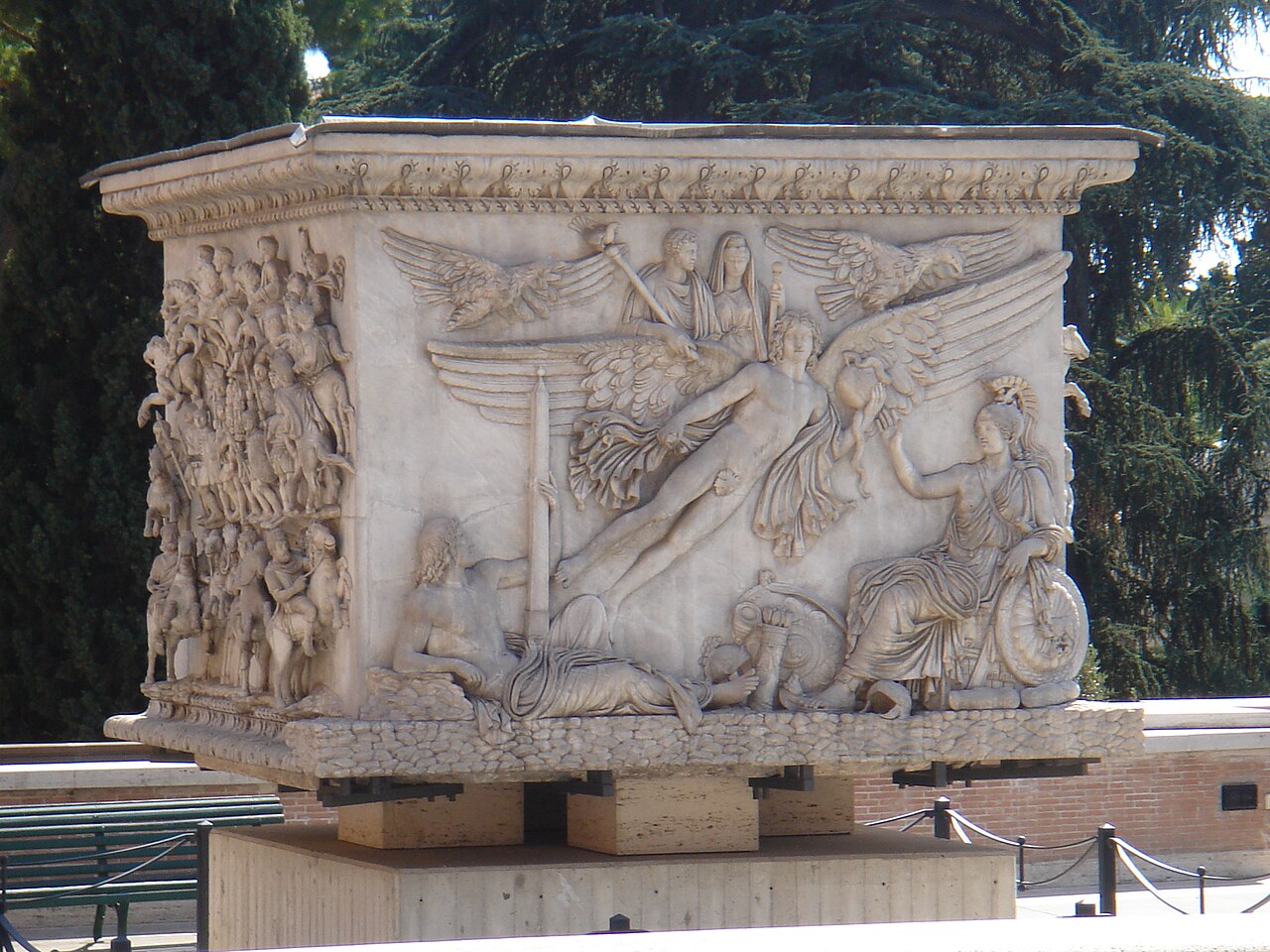
Column of Antoninus Pius
161
 Artifact
Primary source
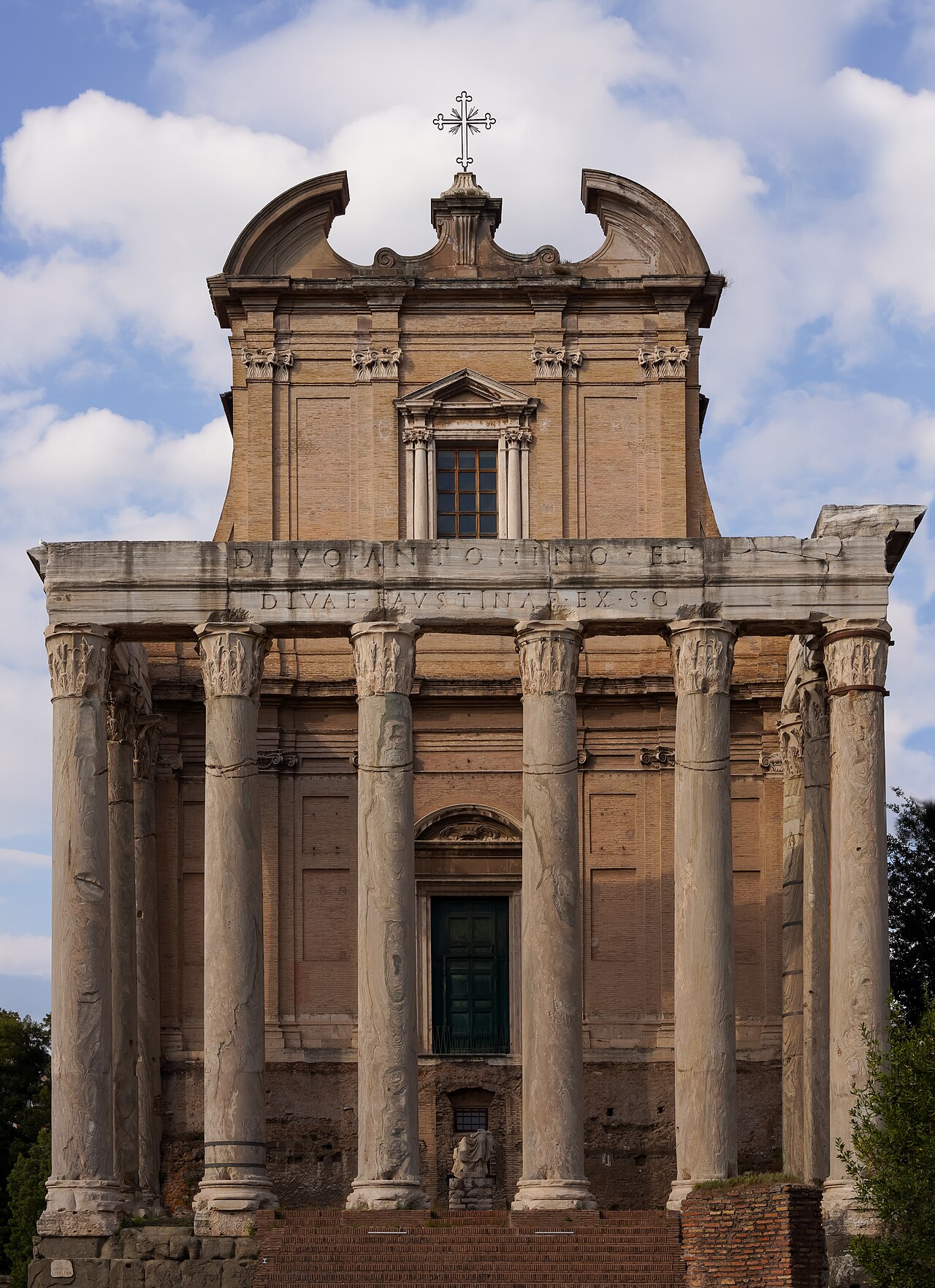
Temple of Antoninus and Faustina
begun 141-142 CE
Free account
Read every Antoninus Pius source
Sign up free →
Ready when you are
Start chatting with Antoninus Pius now.
20 messages free · No credit card · Available in 50+ languages.