


Primary sourceDocument28 September 1885
Sexagenary Law
Rodolfo Dantas · 28 September 1885
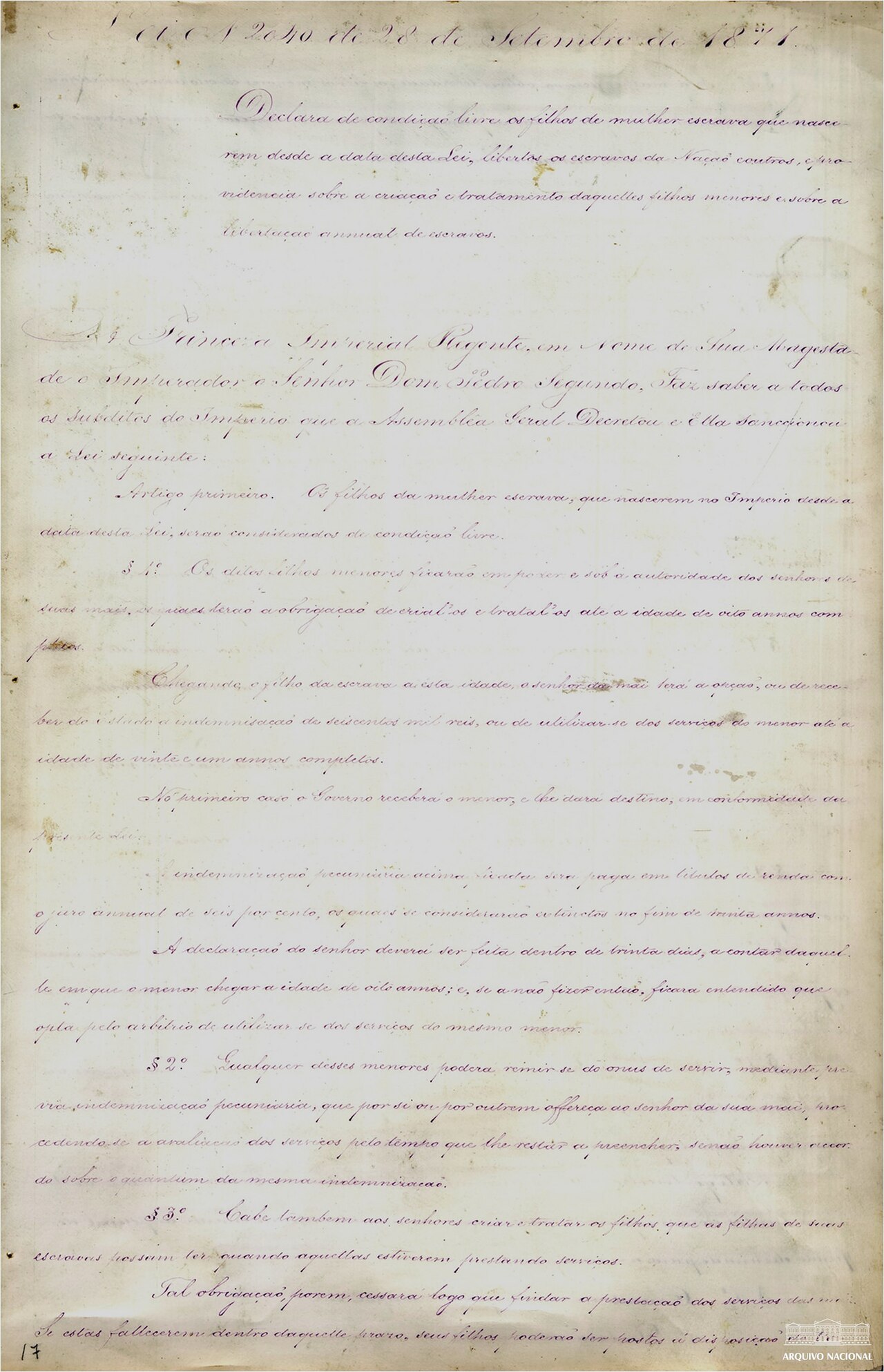
An 1885 Brazilian law freeing enslaved people over sixty, sanctioned by Emperor Pedro II as part of the gradual path toward abolition.
Pedro II sanctioned this law as part of his government's gradual approach to ending slavery in Brazil.
Free Humy account · No credit card · 120,912 sources to read
About this source
What it is
Officially Law No. 3,270 of 28 September 1885, the Sexagenarian Law granted freedom to enslaved people aged 60 or older, though it required years of unpaid service as compensation to slaveholders before release. It followed a political struggle in parliament between liberal minister Sousa Dantas, who first proposed freeing sexagenarians without compensation, and more conservative politicians who amended the bill. Emperor Pedro II sanctioned the final law.
Why it matters
The law had little practical effect, since it freed mainly older enslaved people who were already less valuable to their owners, and slaveholders resisted it fiercely. It followed earlier gradual measures such as the law ending the slave trade and the Free Womb Law, reflecting Pedro II's and his governments' cautious, incremental approach to abolition out of fear of economic disruption. Full abolition came only in 1888, under his daughter.
Look closer
- Why would a law that freed only older enslaved people be controversial among slaveholders?
- What does the gap between this law and full abolition three years later tell you about the pace of political change?
- Whose voices—enslaved people themselves—are missing from a law written by parliament and the emperor?
This document is part of the curated material that grounds the AI version of Pedro II of Brazil on Humy.ai — when students ask about related events, the AI can quote it and cite it.
More Pedro II of Brazil sources
Browse all 91 →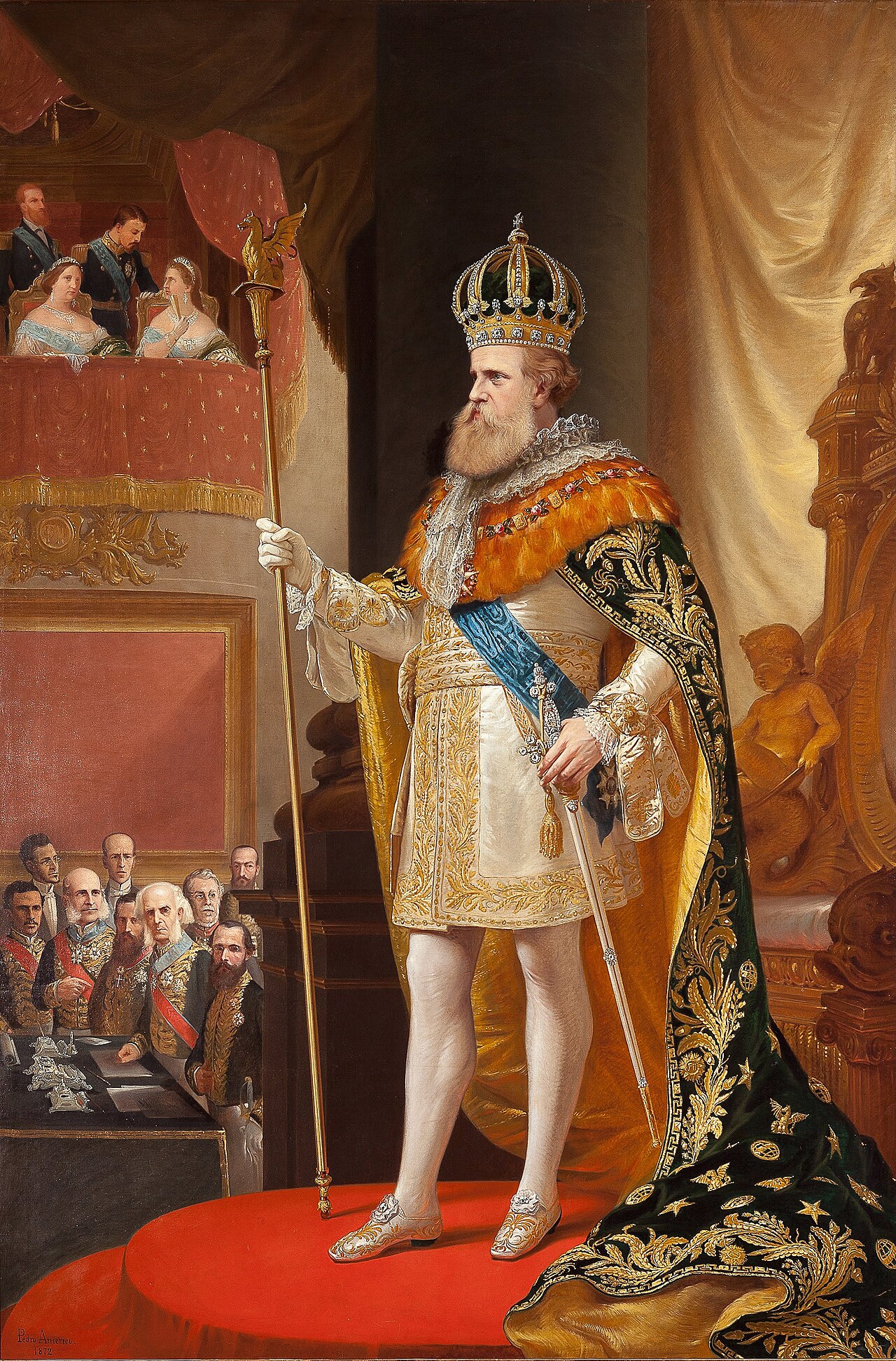 Painting
Secondary source
The Emperor's Speech from the Throne
Pedro Américo · 1872
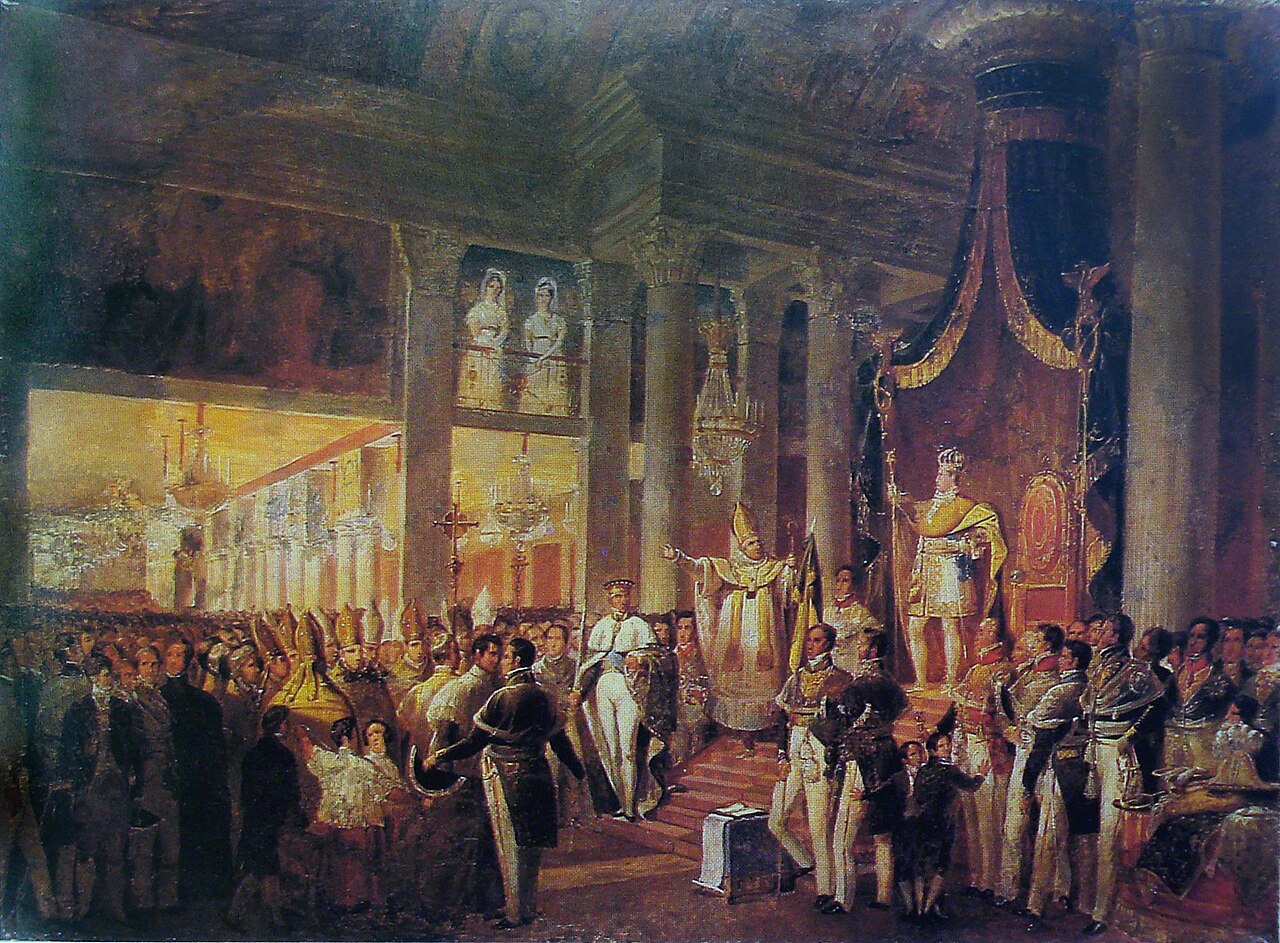 Painting
Secondary source
Coronation of Pedro II
Manuel de Araújo Porto-Alegre · 1845
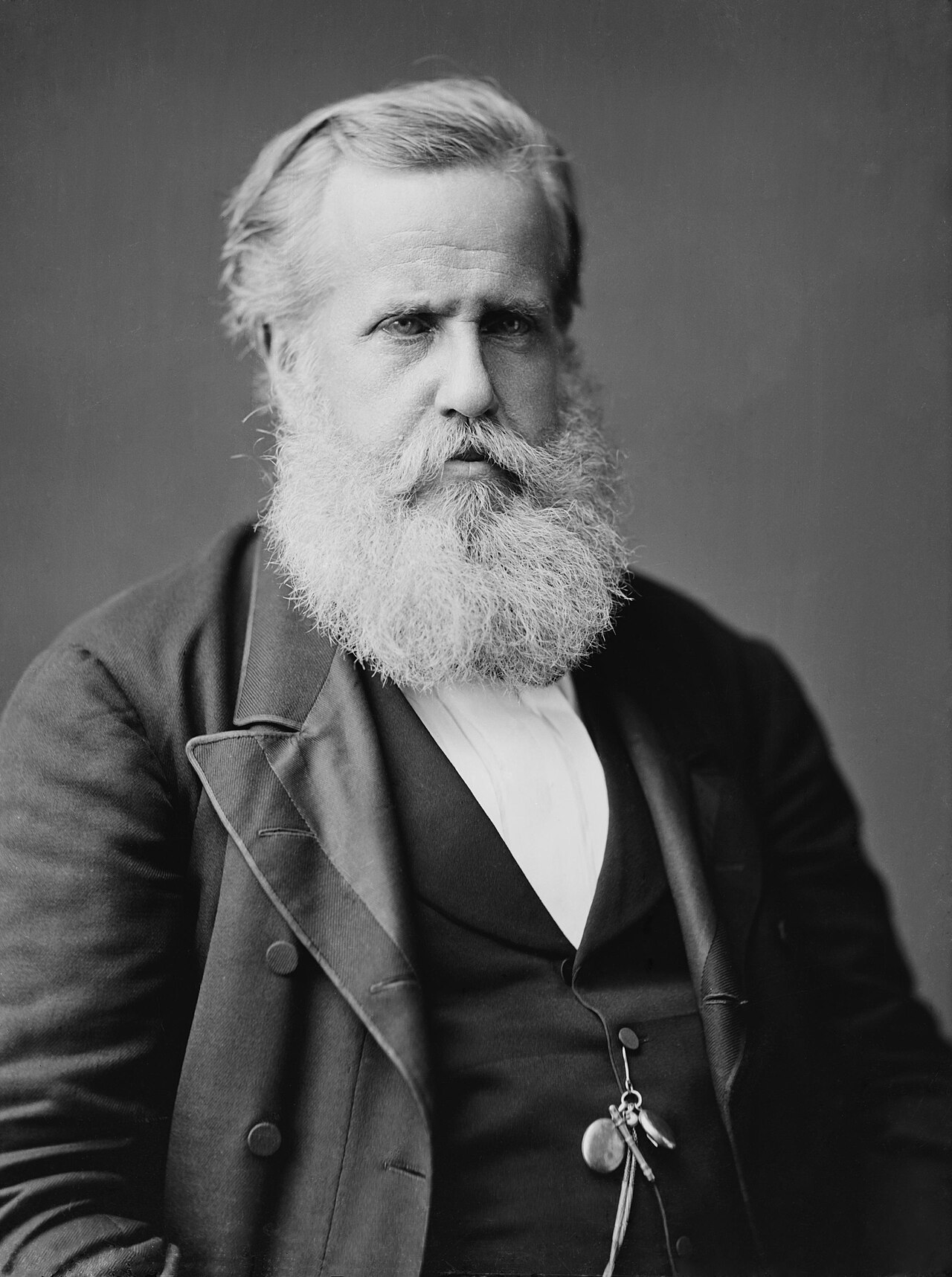 Photograph
Primary source
Pedro II of Brazil, Brady-Handy Portrait
Mathew Benjamin Brady / Levin Corbin Handy · 1876
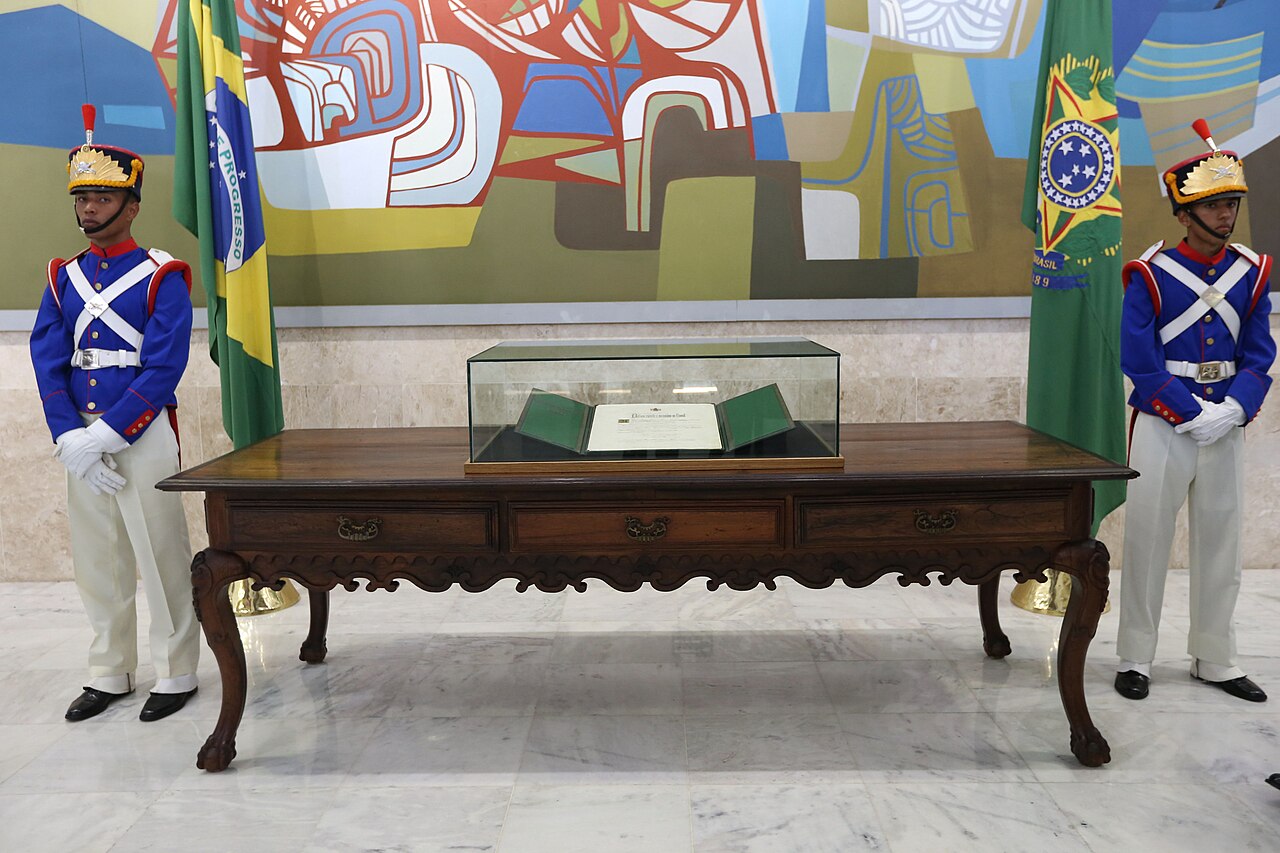 Document
Primary source
Lei Áurea (Golden Law)
Rodrigo Augusto da Silva · 13 May 1888

Free account
Read every Pedro II of Brazil source
Sign up free →
Ready when you are
Start chatting with Pedro II of Brazil now.
20 messages free · No credit card · Available in 50+ languages.