


Primary sourceArtifactc. 1780
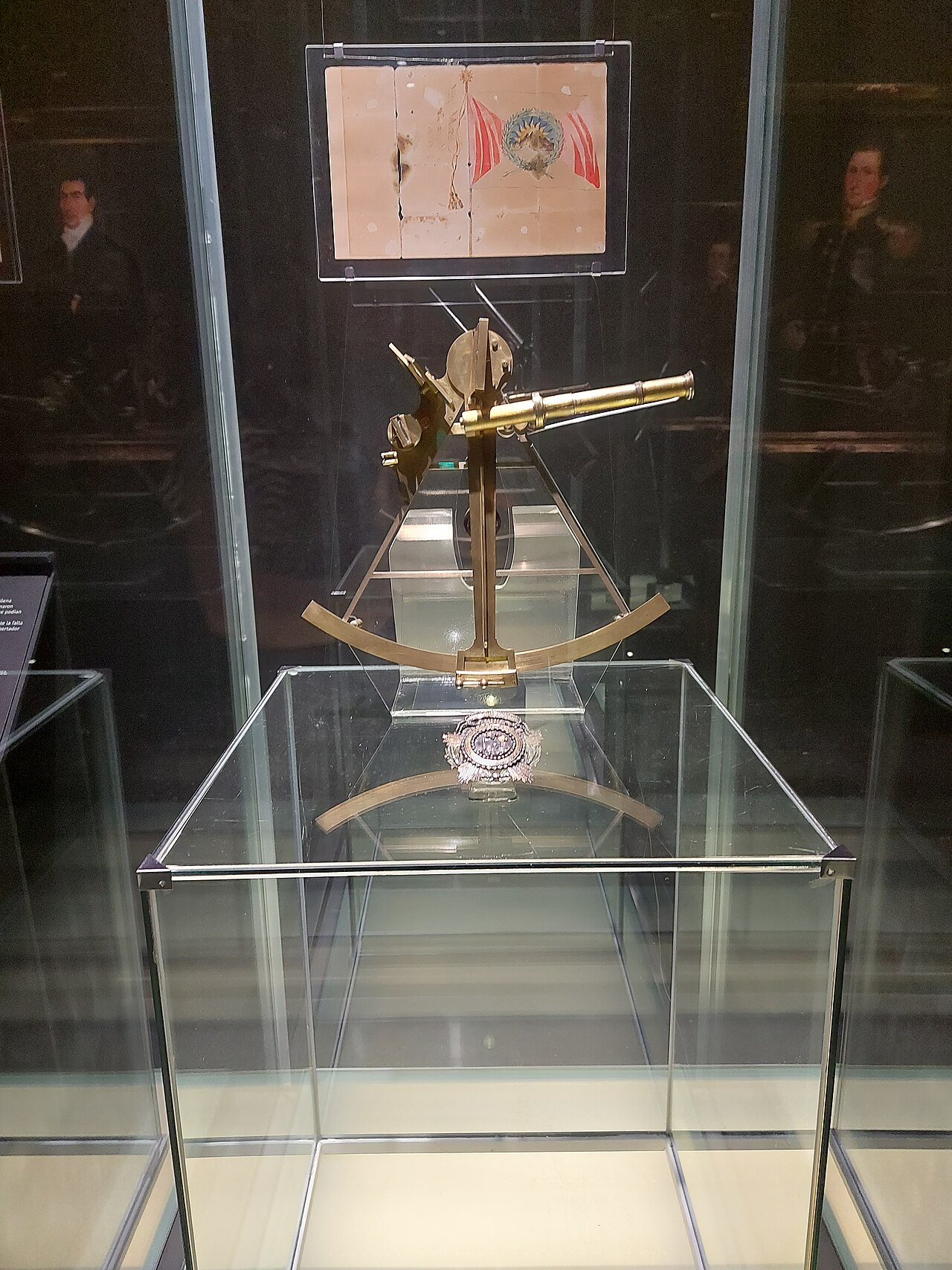
Sextant of General José de San Martín
Nairne & Blunt · c. 1780
A brass sextant made by Nairne & Blunt of London, owned by San Martín, reflecting his navigational and technical approach to campaign planning.
His London-made sextant reflects his technical, navigational approach to planning campaigns.
About this source
What it is
This brass sextant, made around 1780 by the London instrument makers Nairne & Blunt, belonged to General José de San Martín. It is displayed today in a museum collection, together with other items associated with his career.
Why it matters
A sextant is a navigation instrument used to measure angles for determining position, often at sea or during overland expeditions. San Martín's ownership of this precise European-made instrument reflects the careful, technical planning behind his military campaigns, including his famous crossing of the Andes.
Look closer
- Why would a general need an instrument usually associated with sailors and navigators?
- What does owning a finely made London instrument suggest about San Martín's resources and connections?
- What other objects are displayed near the sextant, and what might they add to the story?
This artifact is part of the curated material that grounds the AI version of José de San Martín on Humy.ai — when students ask about related events, the AI can quote it and cite it.
More José de San Martín sources
Meet the AI José de San Martín →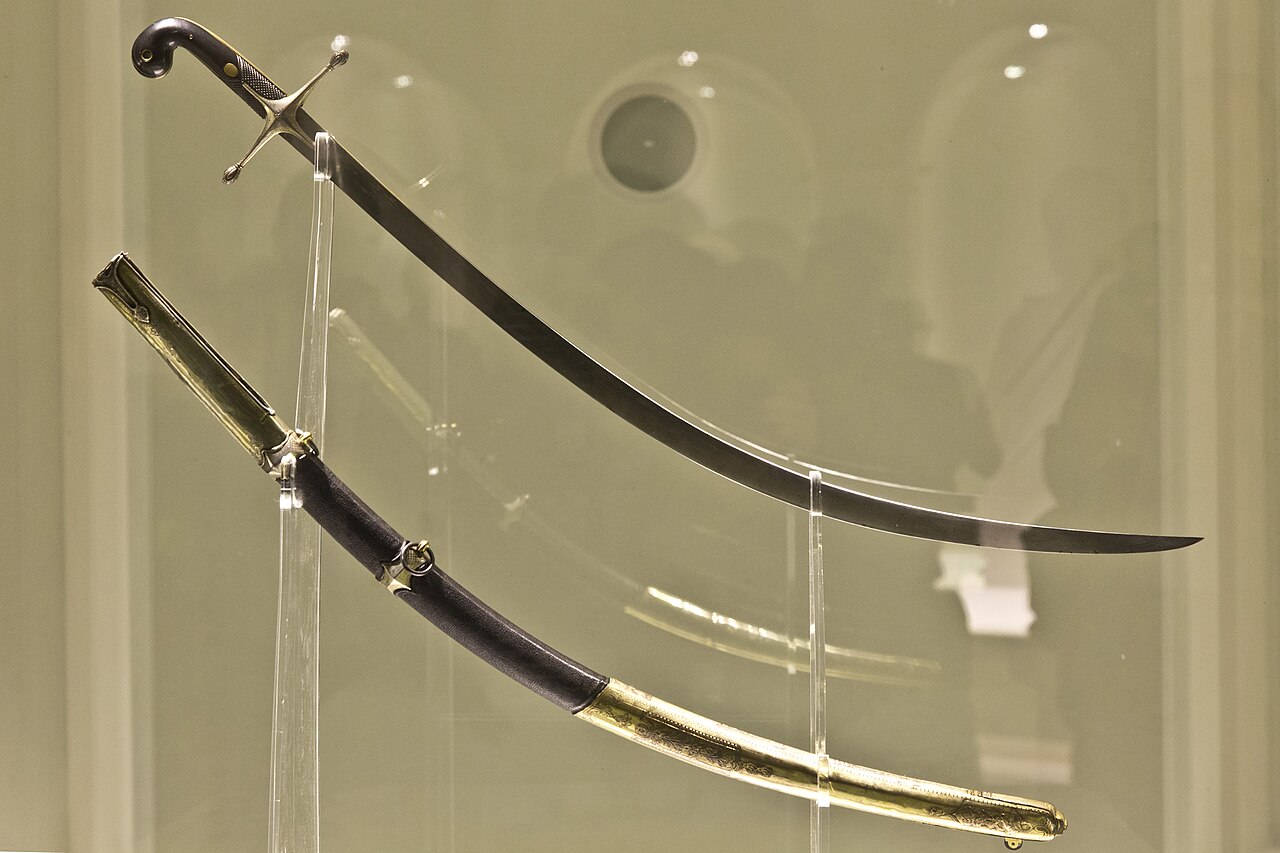 Artifact
Primary source
Curved Saber of San Martín
early 19th century
 Letter
Primary source
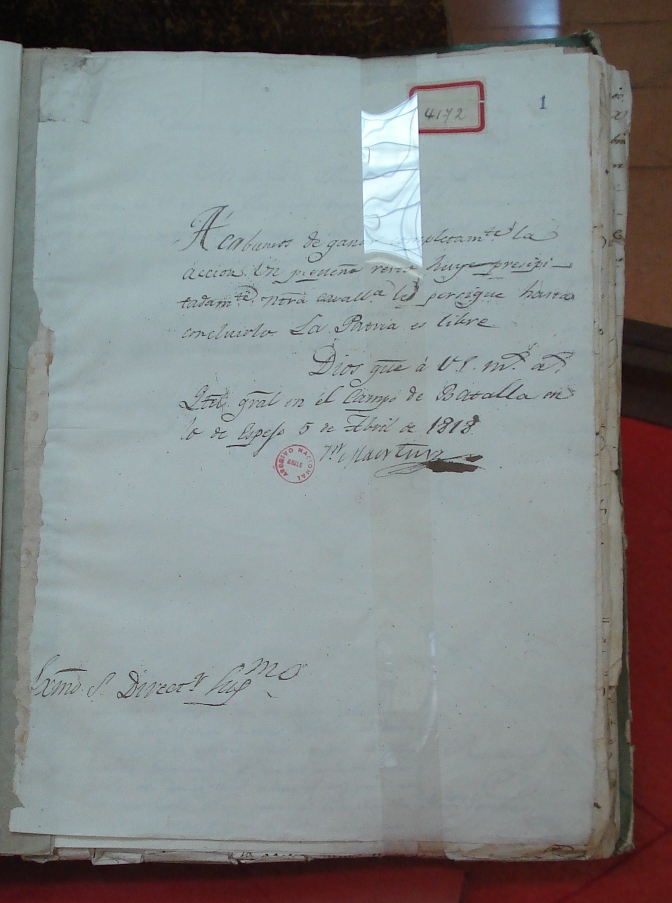
Letter to Bernardo O'Higgins Announcing the Victory at Maipú
José de San Martín · 5 April 1818
 Document
Primary source
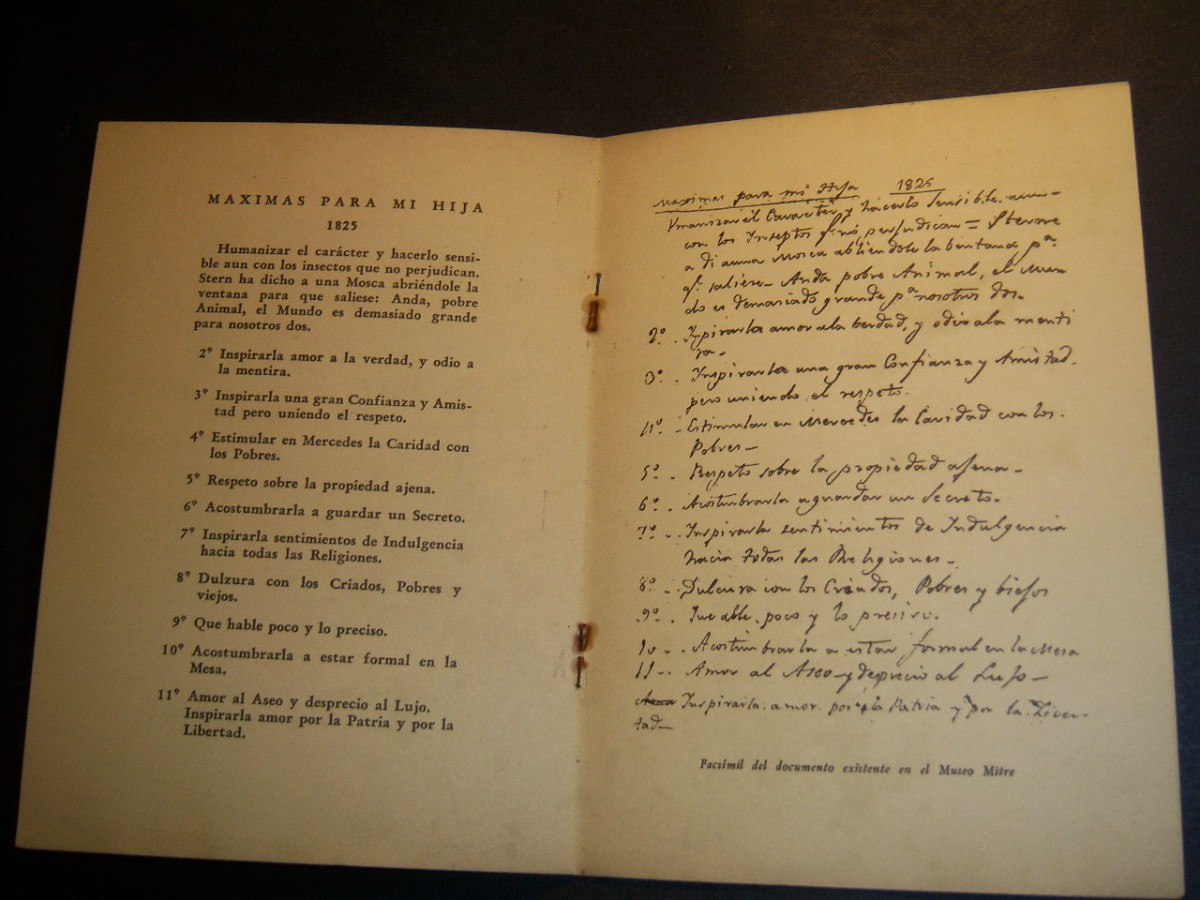
Máximas para mi Hija
José de San Martín · 1825
 Document
Primary source
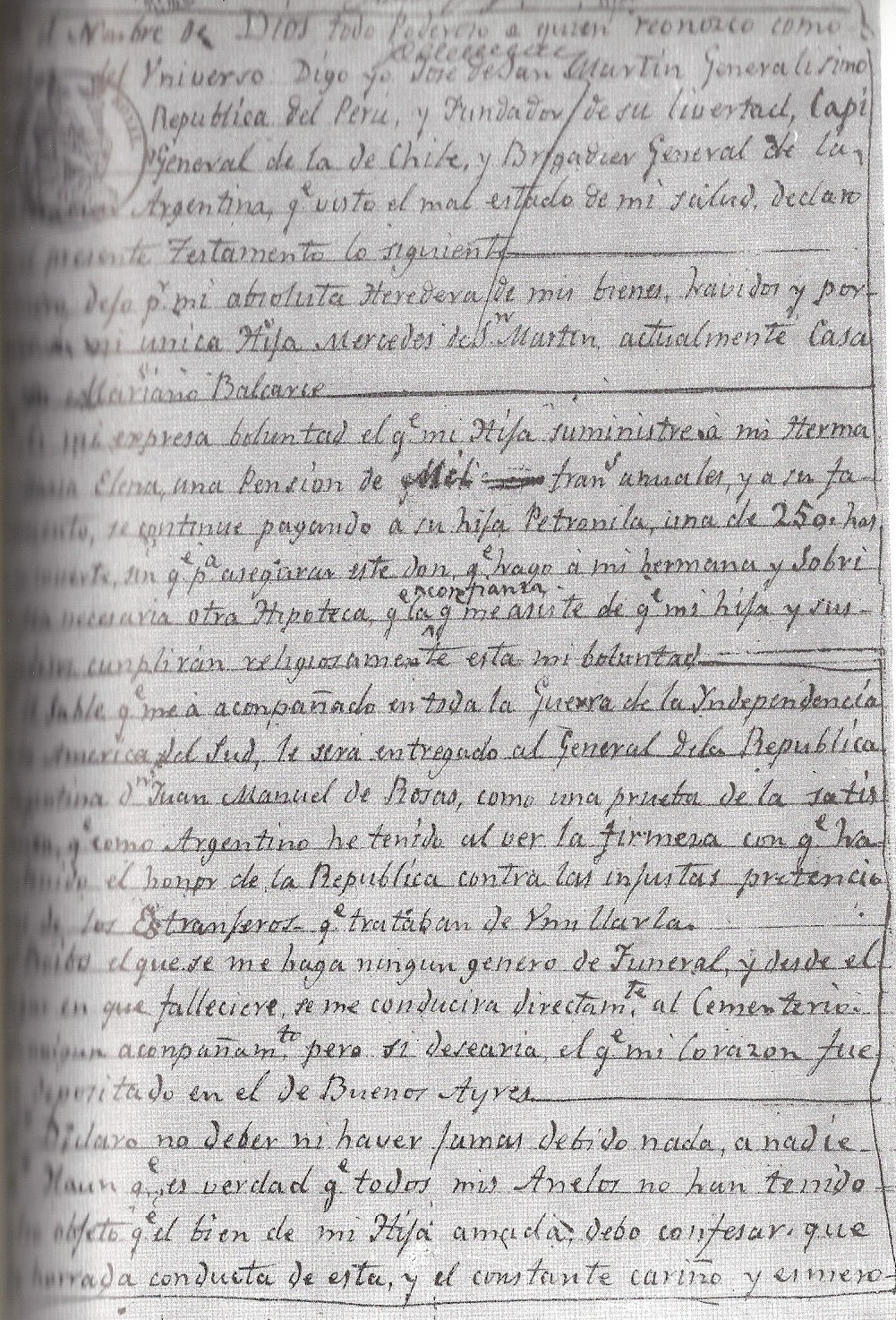
Testamento de San Martín
José de San Martín · 1844
 Painting
Primary source
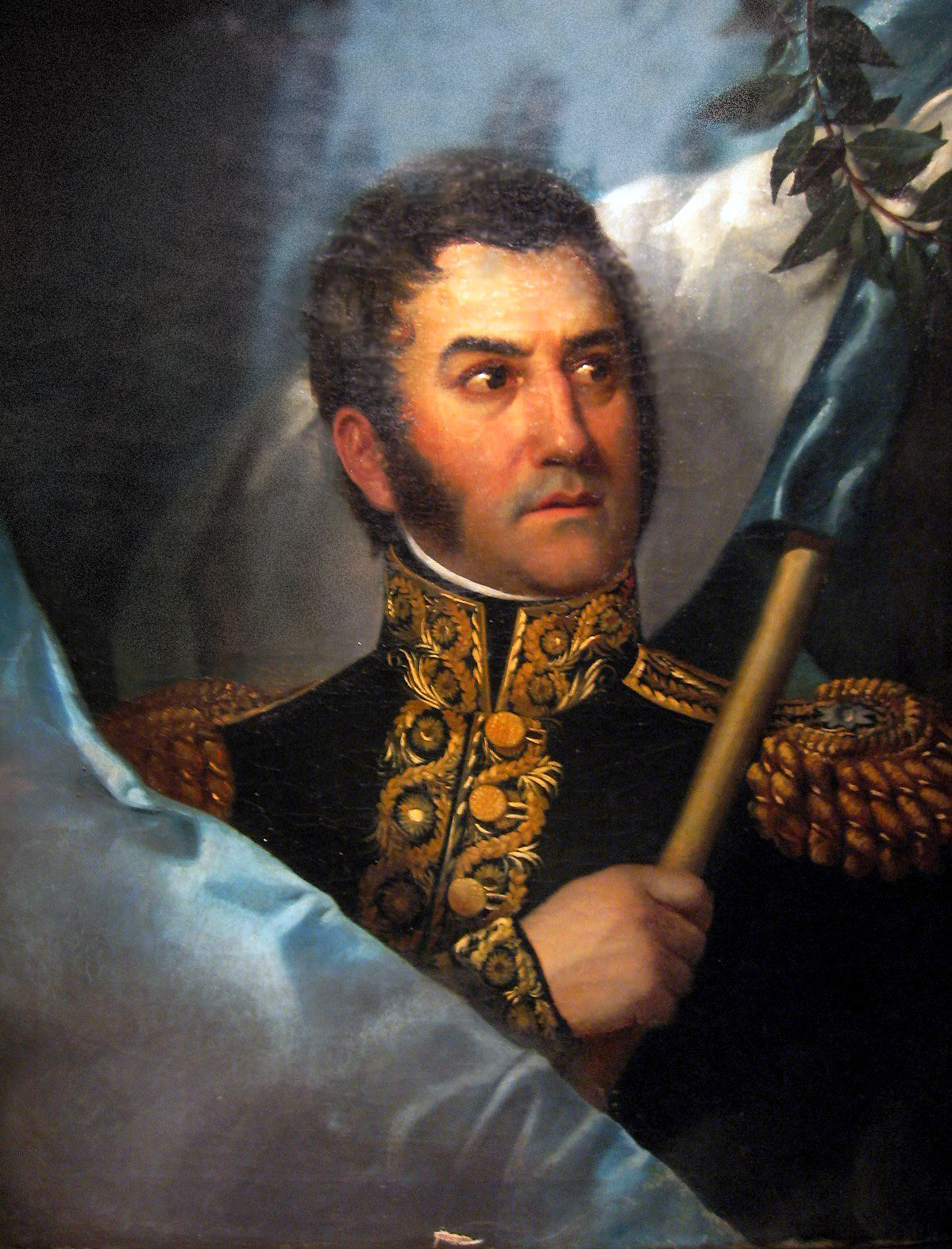
Portrait of José de San Martín
c. 1828
Ready when you are
Start chatting with José de San Martín now.
20 messages free · No credit card · Available in 50+ languages.