


Primary sourceDocument27 February 1972
Shanghai Communiqué
27 February 1972
The 1972 joint US–China statement issued at the end of Nixon's visit to China, laying the groundwork for normalizing relations.
Nixon's visit to China produced this communiqué, a central achievement of his foreign policy.
About this source
What it is
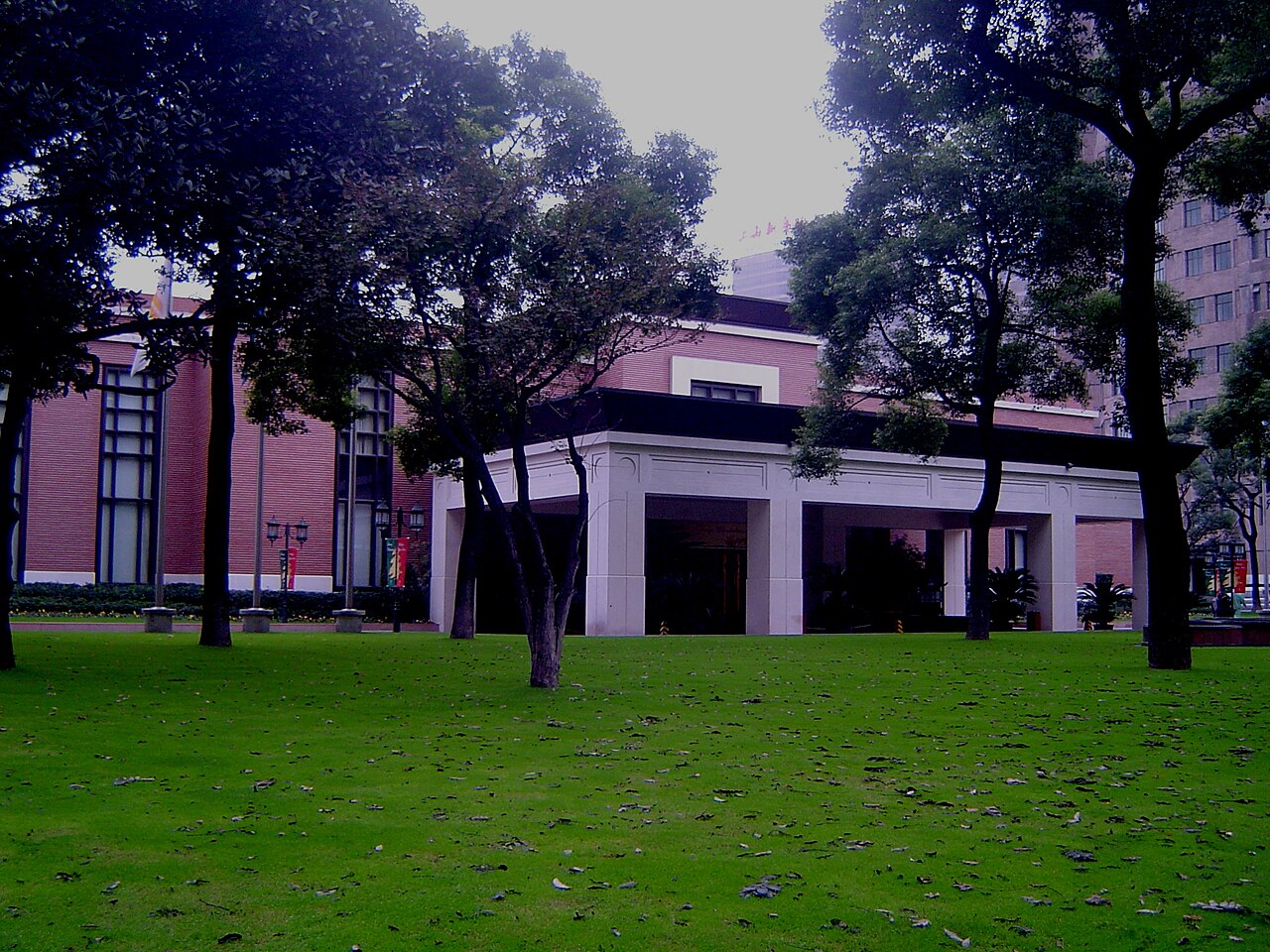
This is the joint communiqué issued by the United States and the People's Republic of China on 27 February 1972, at the end of President Richard Nixon's visit to China. It was negotiated by Henry Kissinger and Premier Zhou Enlai, with input from Mao Zedong, and signed at the Jinjiang Hotel in Shanghai.
Why it matters
The communiqué set out a careful, deliberately ambiguous position on Taiwan and opened the door to normal US-China relations after more than two decades without diplomatic ties. It shows how Nixon and Kissinger used careful wording to manage a difficult disagreement, and how translation differences between English and Chinese versions created lasting debate over what exactly was promised.
Look closer
- Why might negotiators choose the word "acknowledge" instead of "accept"?
- What does the long negotiating process tell you about how diplomatic documents are built?
- What is left unresolved in this document?
This document is part of the curated material that grounds the AI version of Richard Nixon on Humy.ai — when students ask about related events, the AI can quote it and cite it.
More Richard Nixon sources
Meet the AI Richard Nixon → Artifact
Primary source
Nixon White House Tapes
Richard Nixon · 1971-1973
 Speech
Primary source
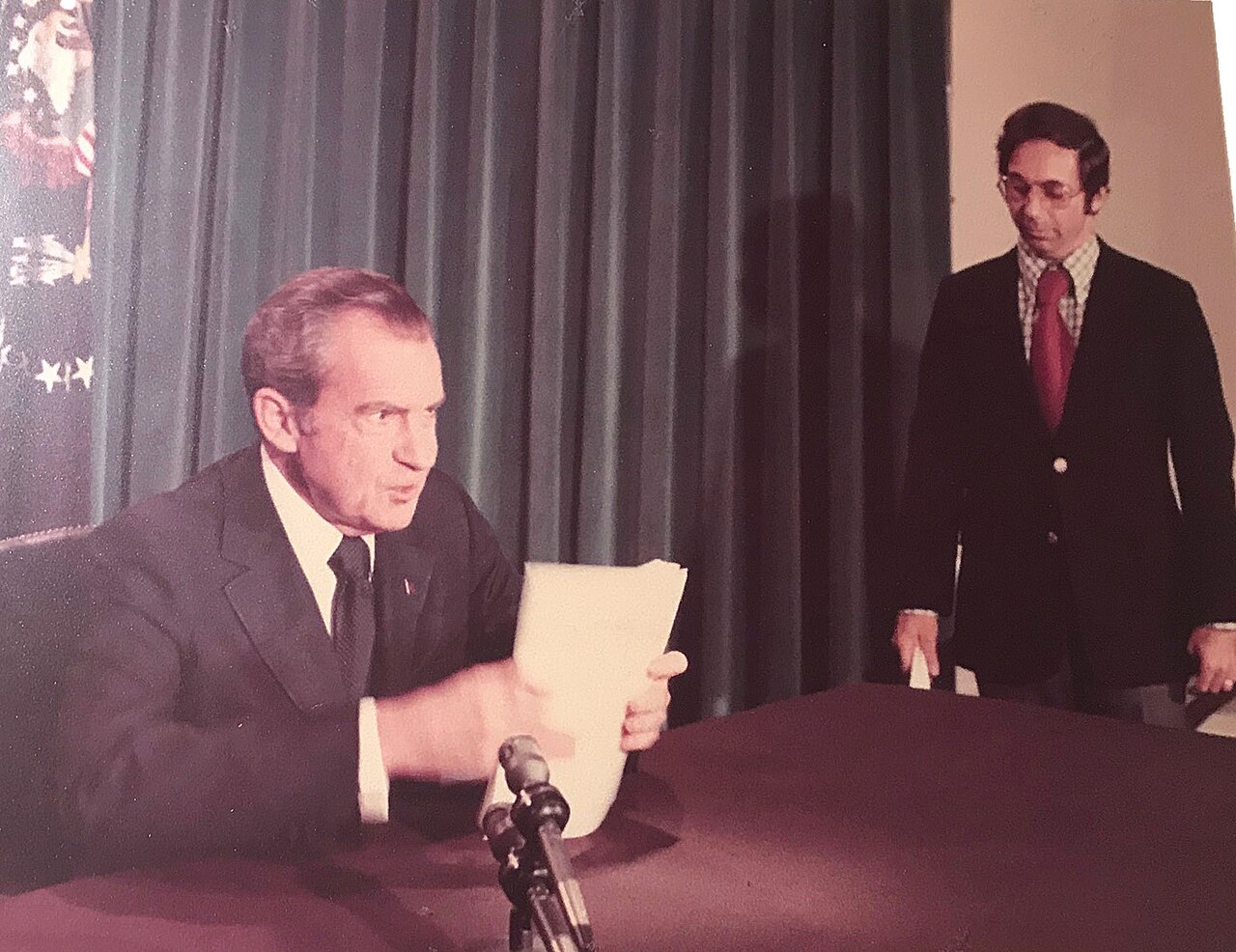
Richard Nixon's Resignation Speech
Richard Nixon · 8 August 1974
 Letter
Primary source
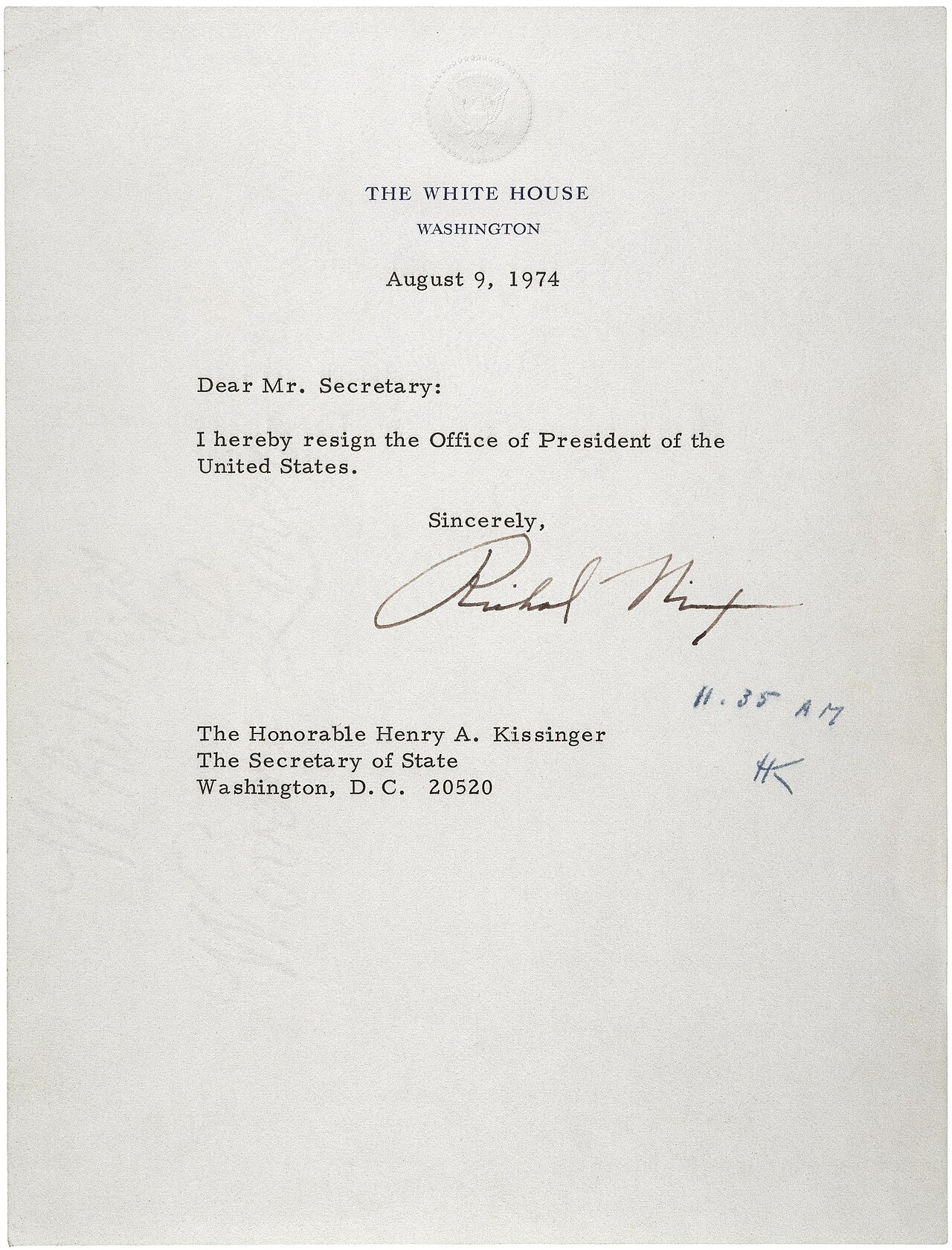
Richard Nixon's Resignation Letter
Richard Nixon · 9 August 1974
Primary source
Silent Majority Speech
Richard Nixon · 3 November 1969
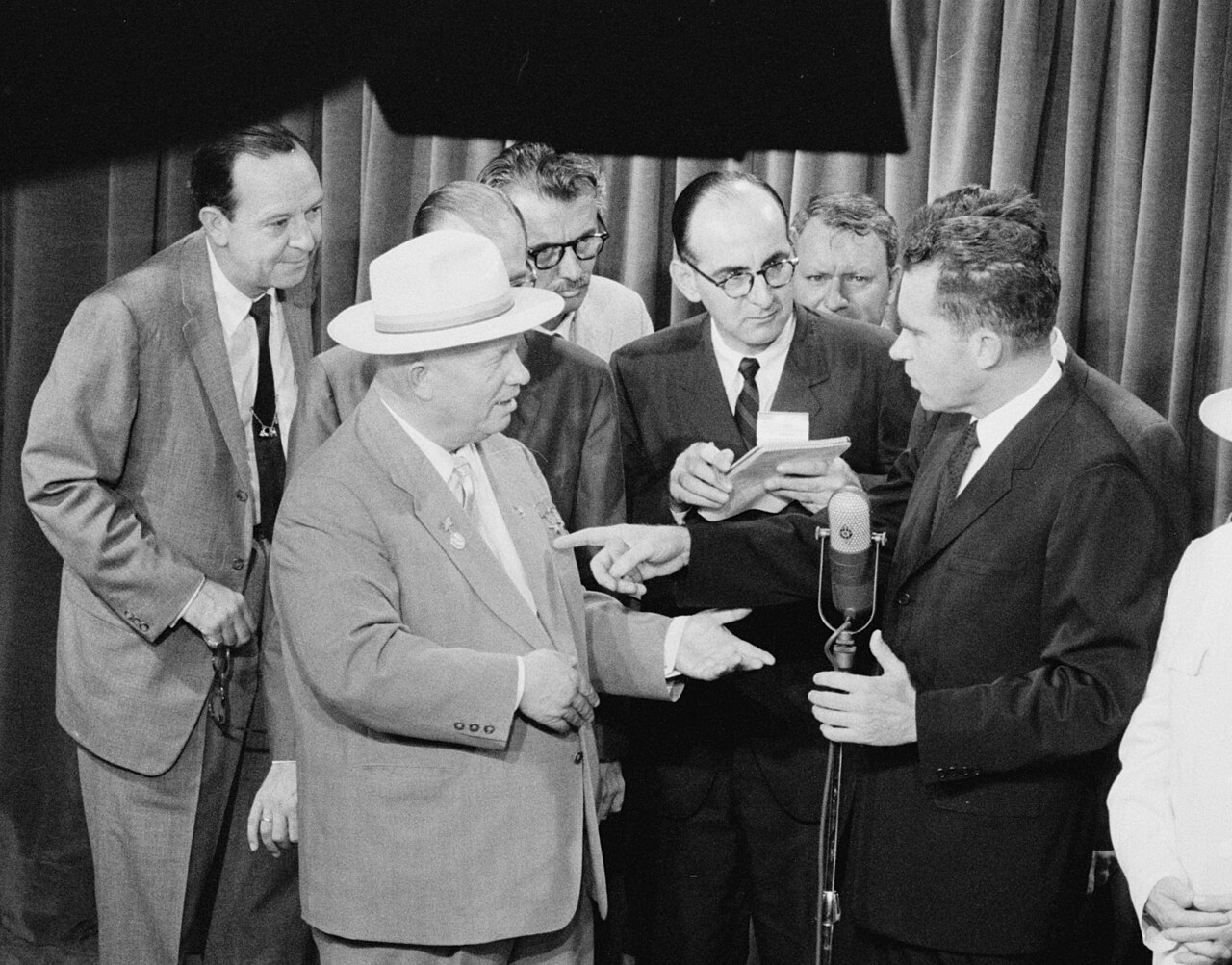 News clip
Primary source
Kitchen Debate
24 July 1959
Ready when you are
Start chatting with Richard Nixon now.
20 messages free · No credit card · Available in 50+ languages.