


Secondary sourceSculpture2011 (photograph)
Shankaracharya Image at Kutajadri Sarvajnapeeth
2011 (photograph)
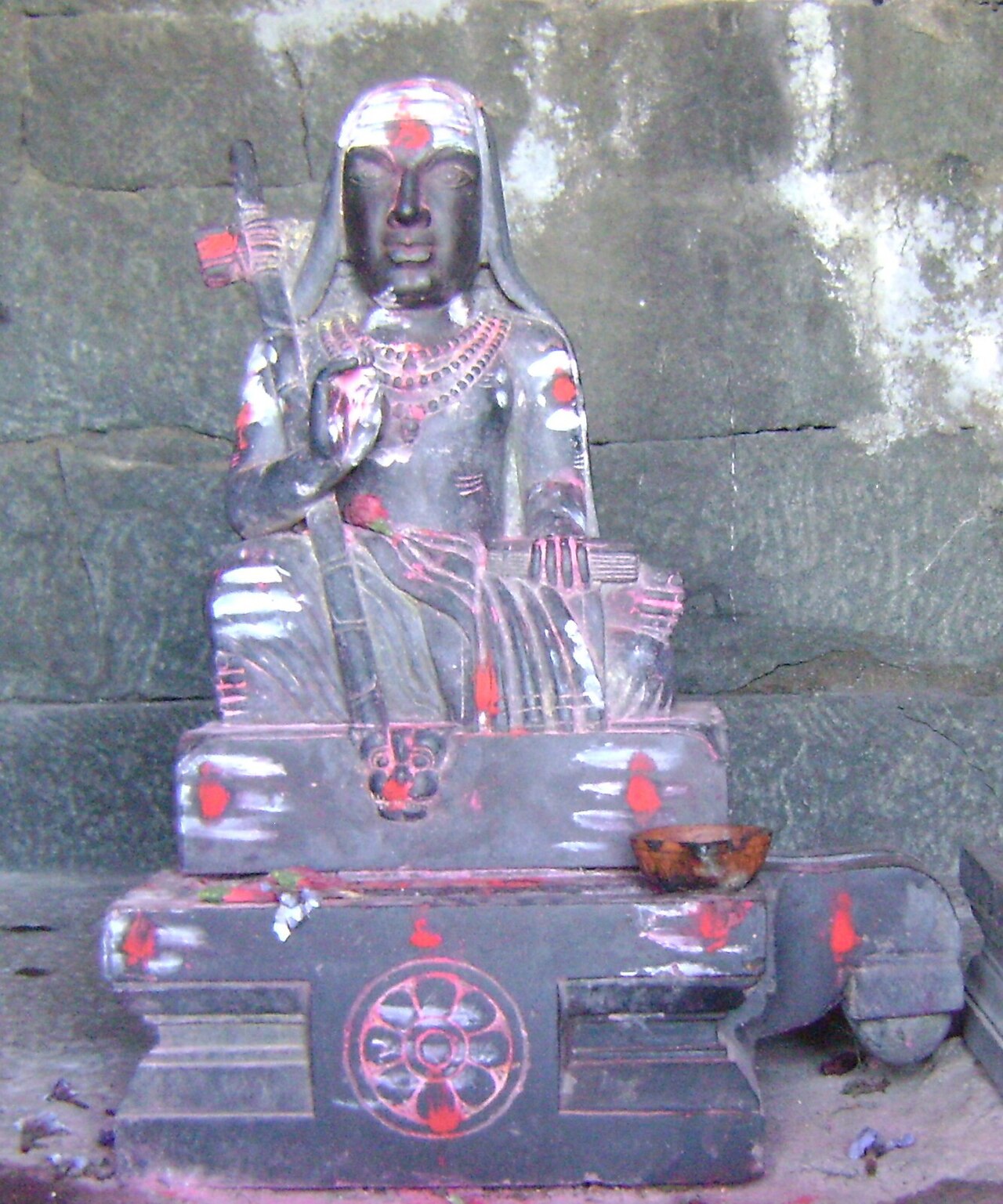
A later stone sculpture of Shankara at Kutajadri, a hill site traditionally linked to him.
This later sculpture represents and commemorates Shankara at Kutajadri, a site linked to his tradition.
About this source
What it is
This photograph, taken in 2011, shows a dark stone sculpture of a seated robed figure holding a staff, at the Kutajadri Sarvajnapeeth site. The sculpture is a later depiction, not something made during Shankara's lifetime.
Why it matters
Kutajadri is a hill traditionally connected to Shankara, and this image represents how later generations imagined and venerated him. The red paint marks and setting show that the sculpture is still used in worship today.
Look closer
- What details in the sculpture—the staff, the beads, the paint marks—suggest how the sculptor wanted viewers to see this figure?
- Why is it important to know this image was made long after Shankara lived?
- What does continued worship at this site tell you about Shankara's religious legacy?
This sculpture is part of the curated material that grounds the AI version of Adi Shankaracharya on Humy.ai — when students ask about related events, the AI can quote it and cite it.
More Adi Shankaracharya sources
Meet the AI Adi Shankaracharya →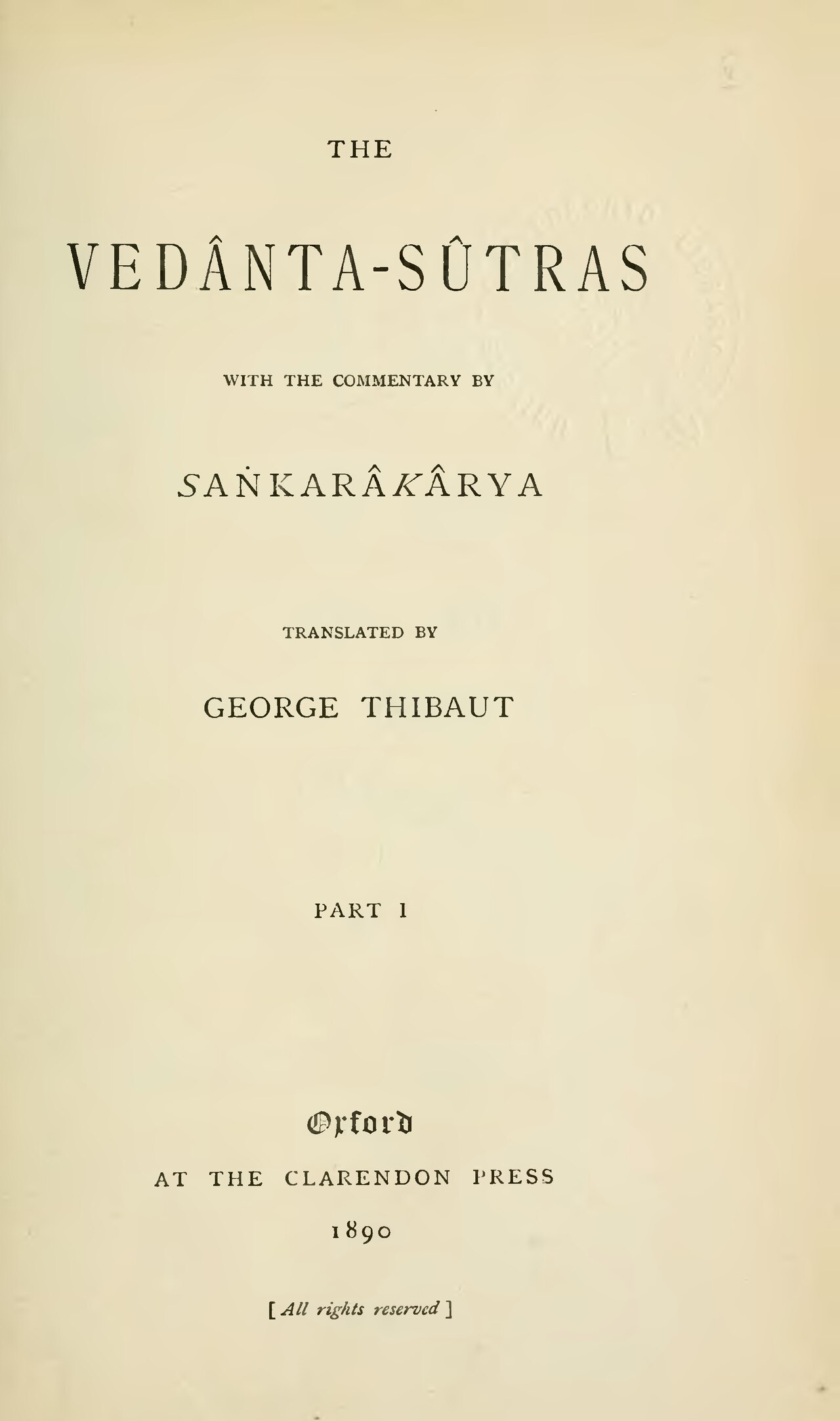 Book
Primary source
Brahma Sutra Bhashya
Adi Shankara · c. early 8th century
 Document
Secondary source
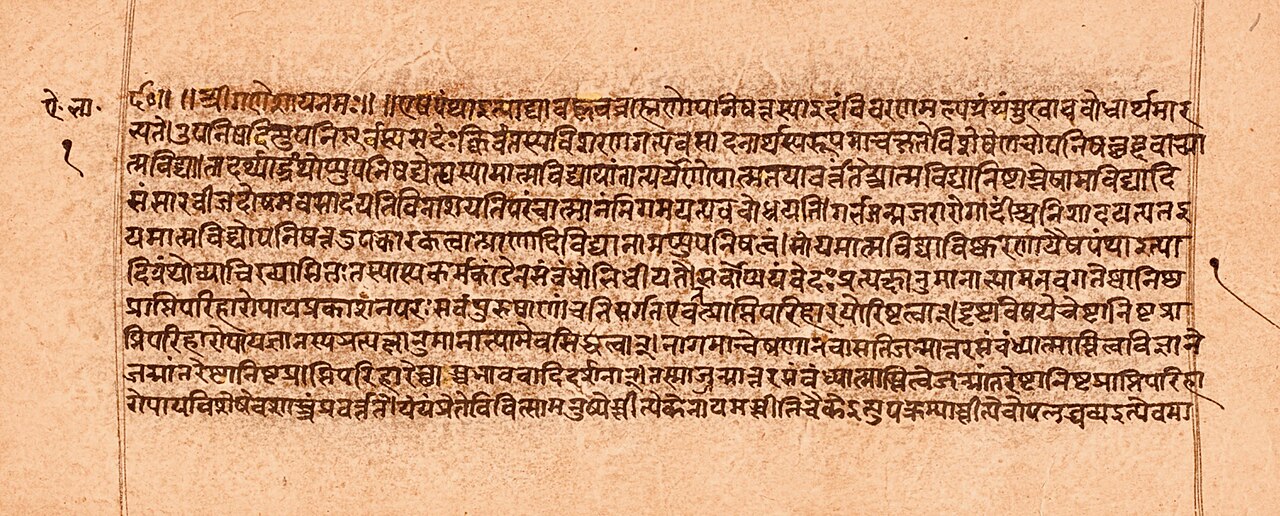
Manuscript of Shankara's Aitareya Upanishad Commentary
1593 CE (manuscript copy)
 Painting
Secondary source
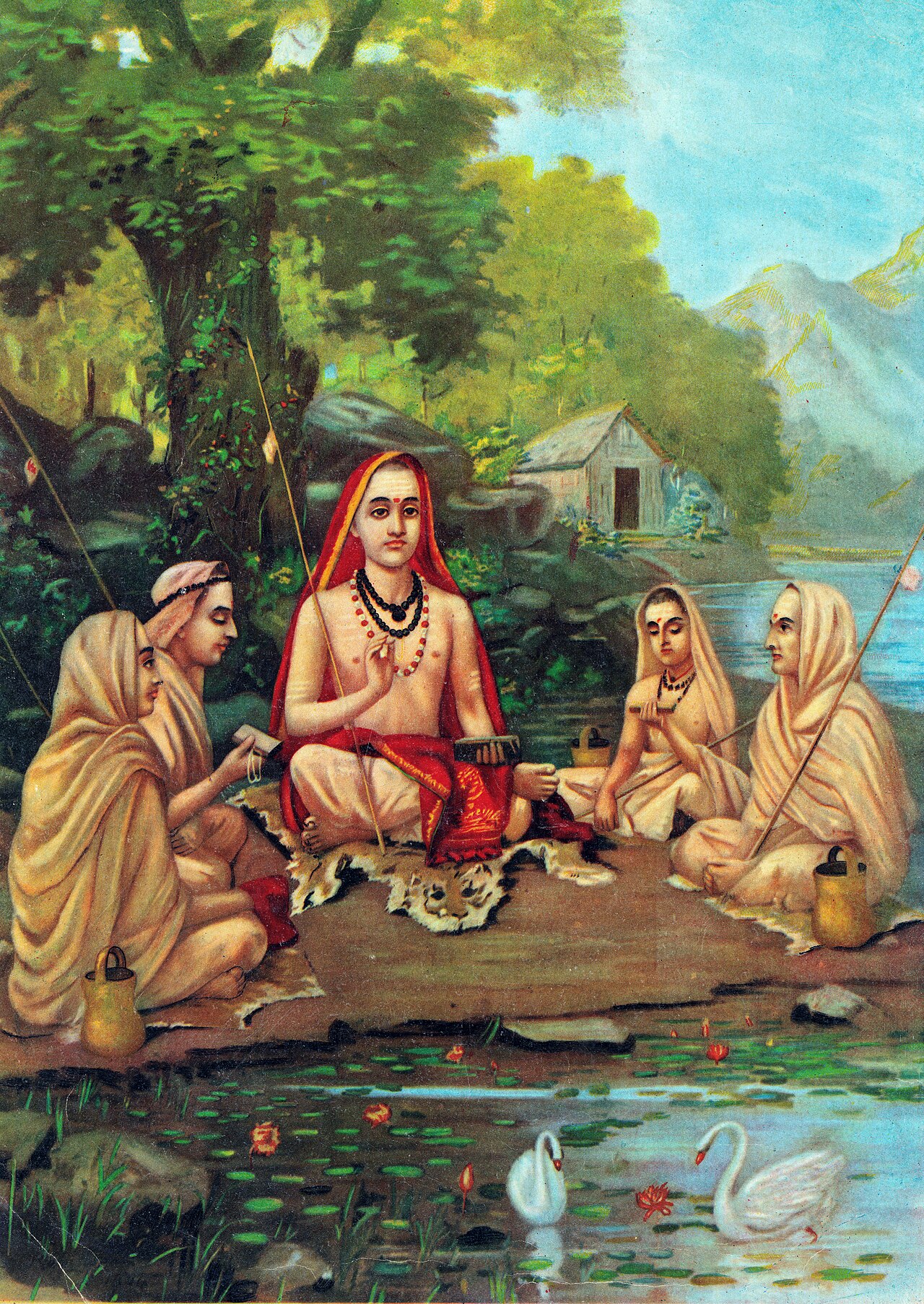
Portrait of Adi Shankara with Disciples
Raja Ravi Varma
 Artifact
Secondary source
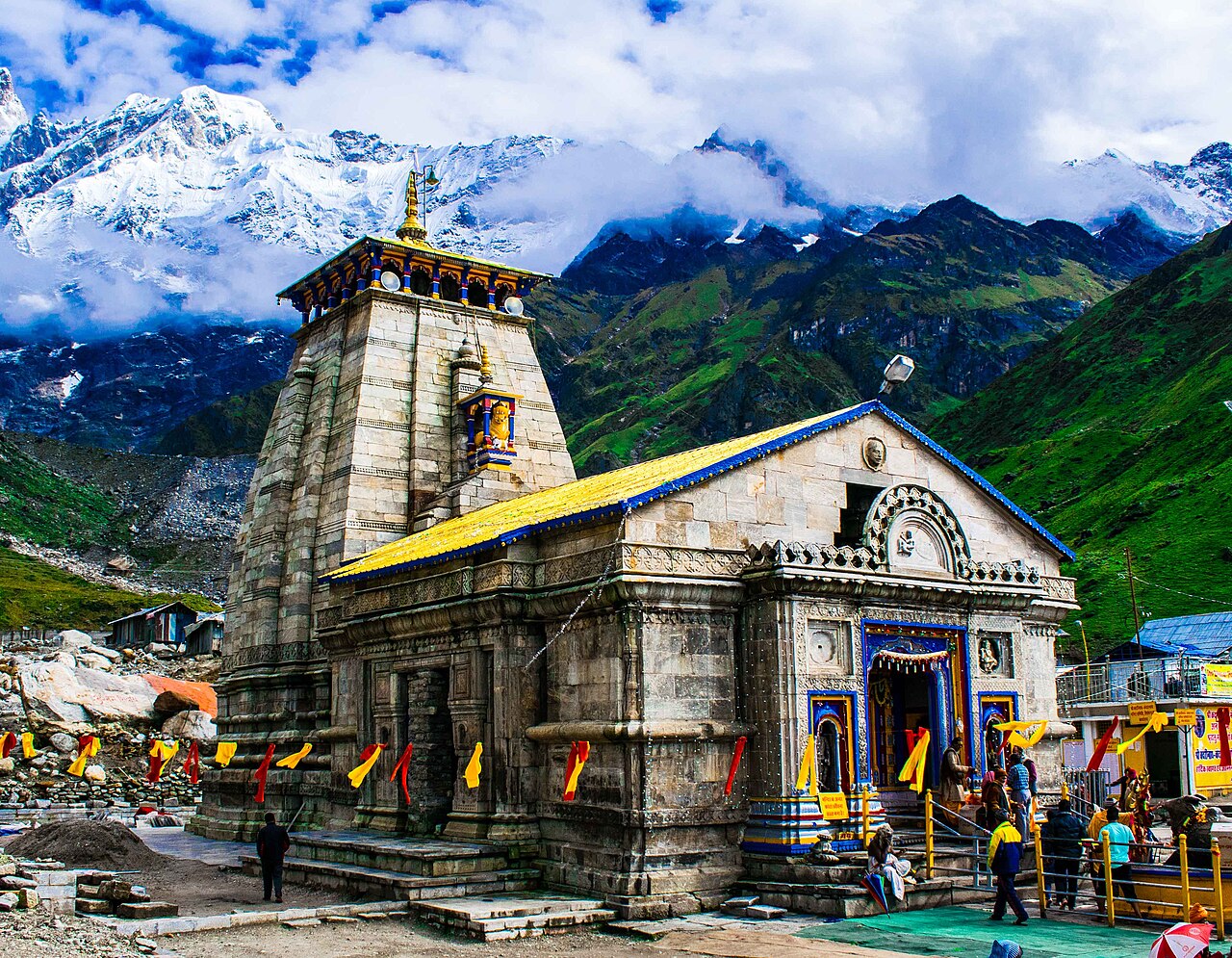
Kedarnath Temple
traditionally 8th century
 Artifact
Secondary source
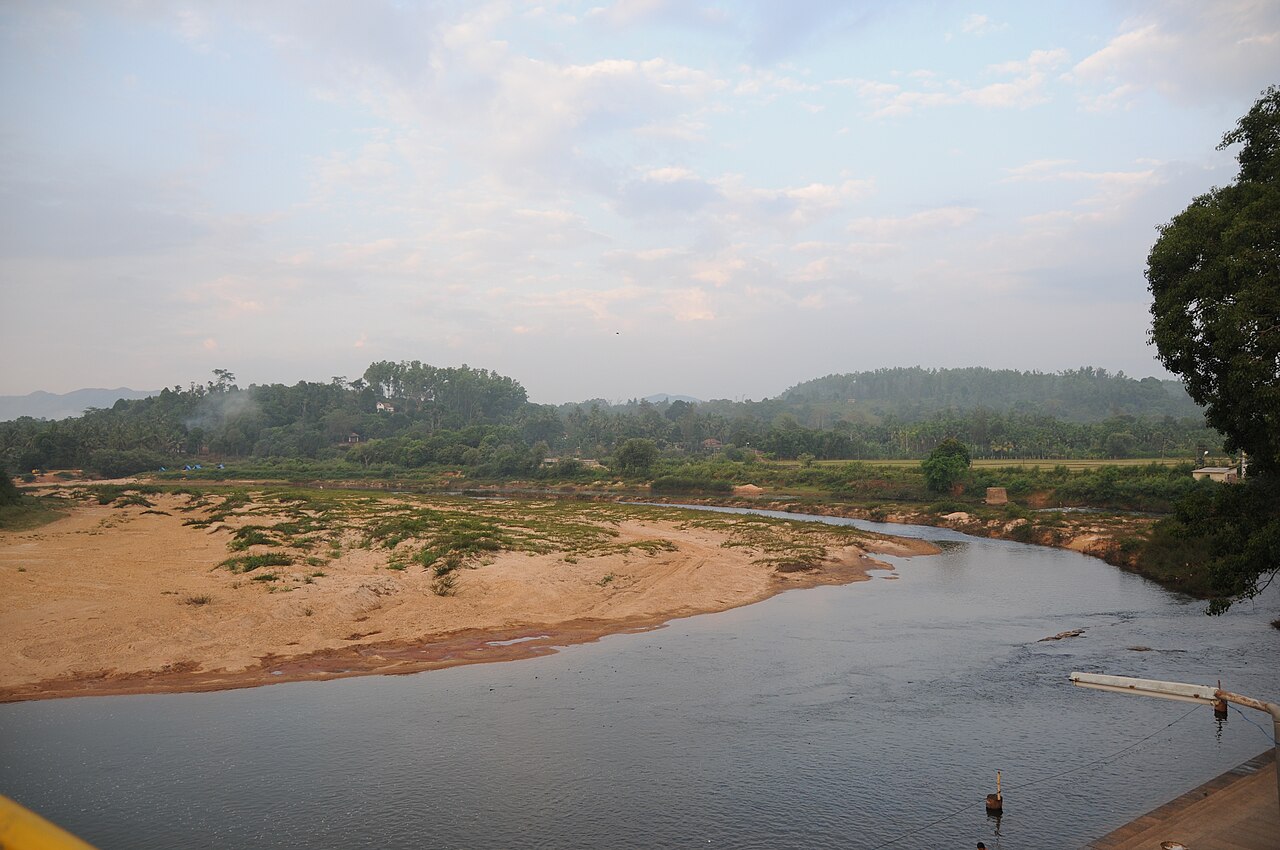
Sringeri Sharada Peetham
traditionally 8th century; developed 14th century onward
Ready when you are
Start chatting with Adi Shankaracharya now.
20 messages free · No credit card · Available in 50+ languages.