


Primary sourceArtifact18th century
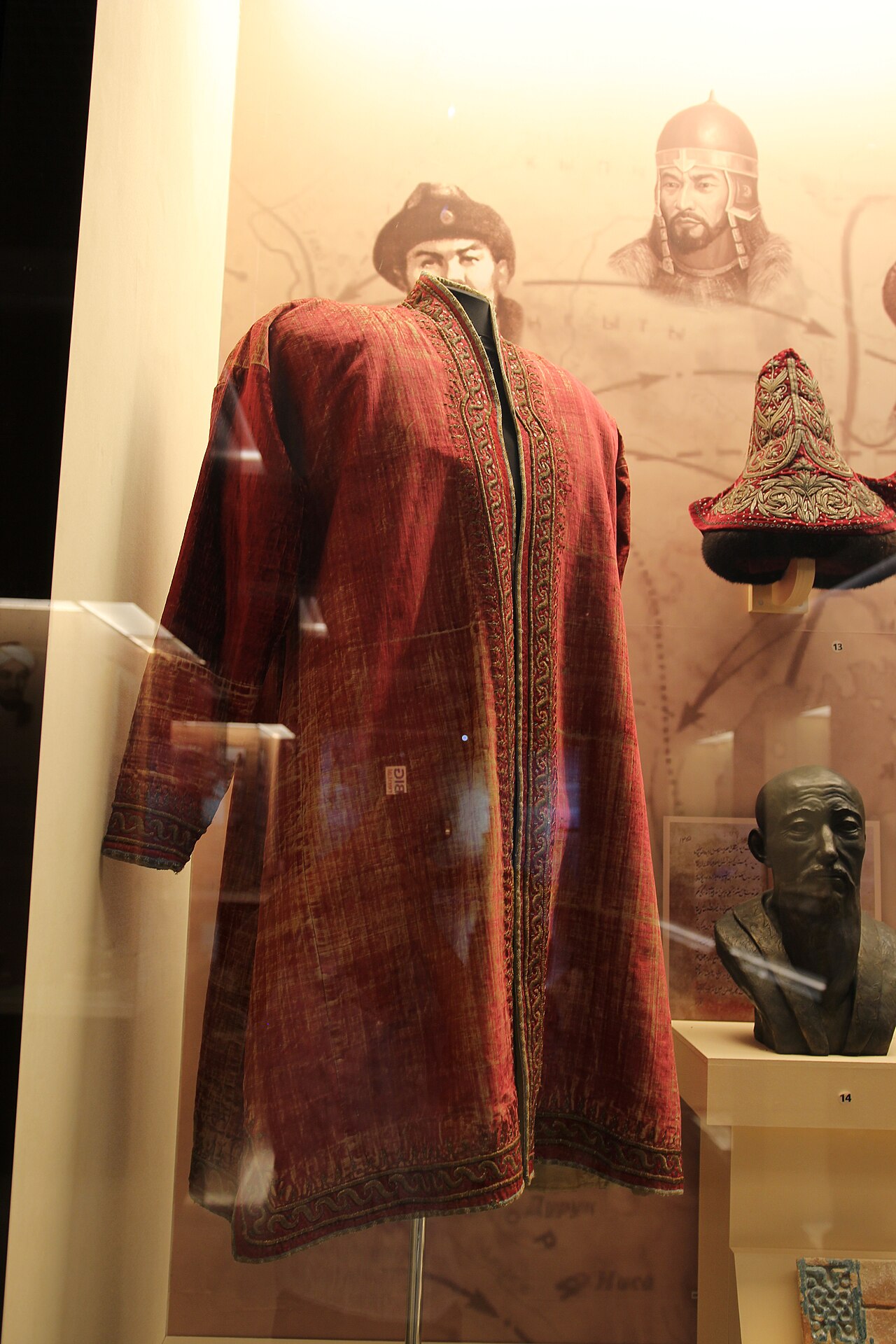
Shapan of Abylai Khan
18th century
An 18th-century robe from Central Kazakhstan attributed to Ablai Khan, giving a sense of steppe princely dress.
This robe is attributed to Ablai Khan, offering a physical trace of his personal dress as a steppe ruler.
About this source
What it is
This is an 18th-century shapan, a traditional robe, attributed to Ablai Khan and associated with Central Kazakhstan. It is displayed in a glass museum case alongside other items such as a felt hat and a bust.
Why it matters
Clothing like this robe gives a material sense of how a steppe ruler such as Ablai Khan might have dressed, beyond what written documents can tell us. Quilted construction and embroidered trim show the craftsmanship valued among Kazakh elites of the period, and museum objects like this help connect written history to physical, everyday life.
Look closer
- What details of the robe's material and decoration can you see, and what might they suggest about status?
- Why do museums display objects like this alongside portraits and busts?
- What questions would you want answered about how we know this robe belonged to Ablai Khan specifically?
This artifact is part of the curated material that grounds the AI version of Ablai Khan on Humy.ai — when students ask about related events, the AI can quote it and cite it.
More Ablai Khan sources
Browse all 15 →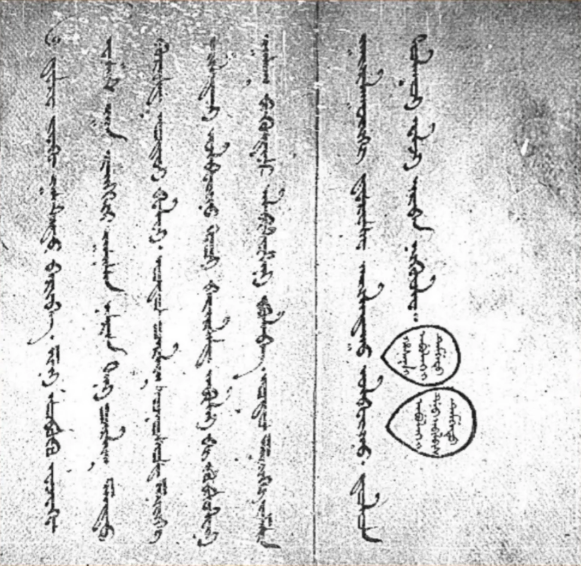 Letter
Primary source
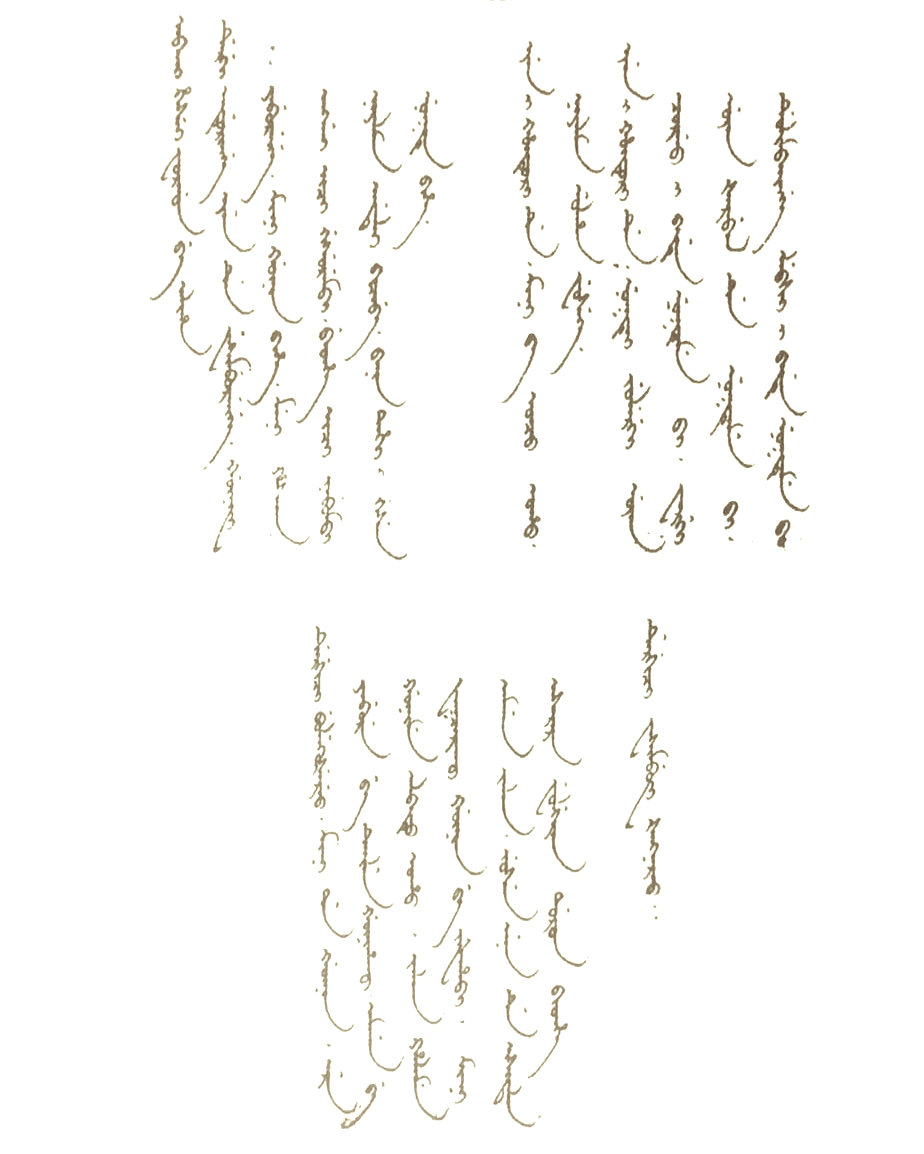
Letter of Ablai Khan to the Qianlong Emperor in Todo Script
Ablai Khan · 1757
 Letter
Primary source
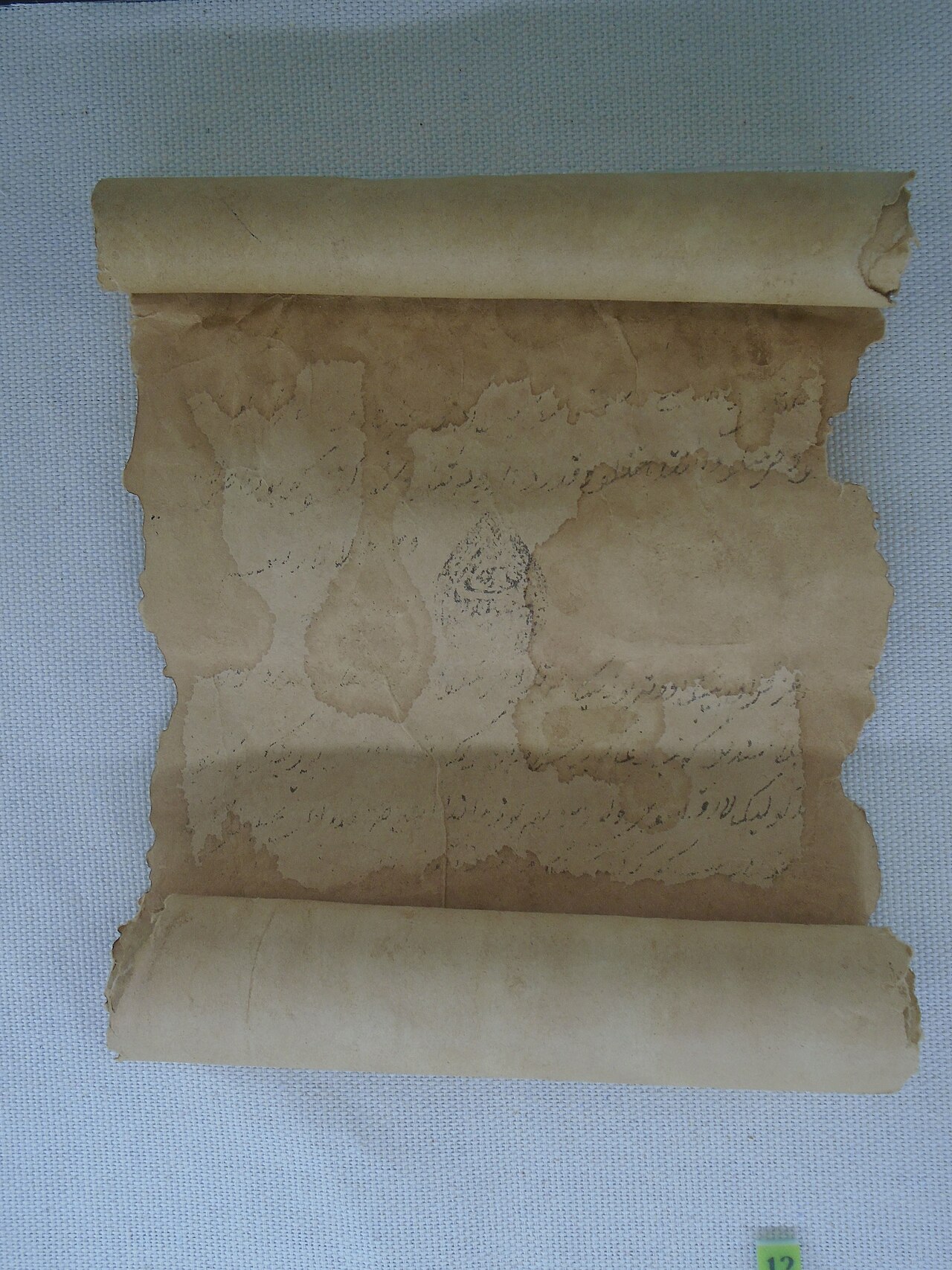
Abylai Khan Letter to Orenburg (copy)
Ablai Khan
 Artifact
Primary source
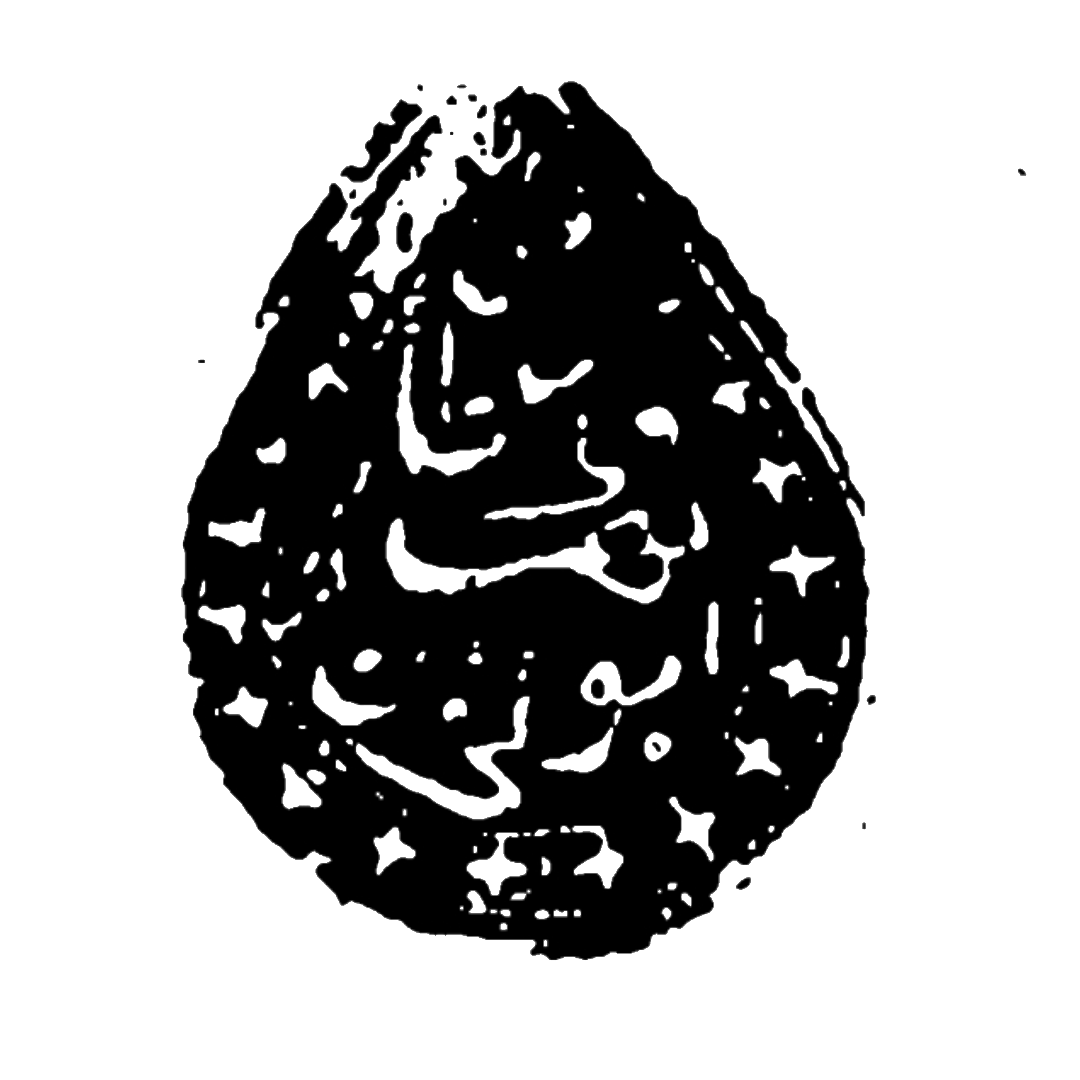
Seal of Abylai Khan
1771-1780
 Letter
Primary source
Letter of Ablai Khan to the Chinese Emperor (1760)
Ablai Khan · 1760

Free account
Browse every Ablai Khan source
Sign up free →
Ready when you are
Start chatting with Ablai Khan now.
20 messages free · No credit card · Available in 50+ languages.