


Secondary sourcePhotograph8 February 2017
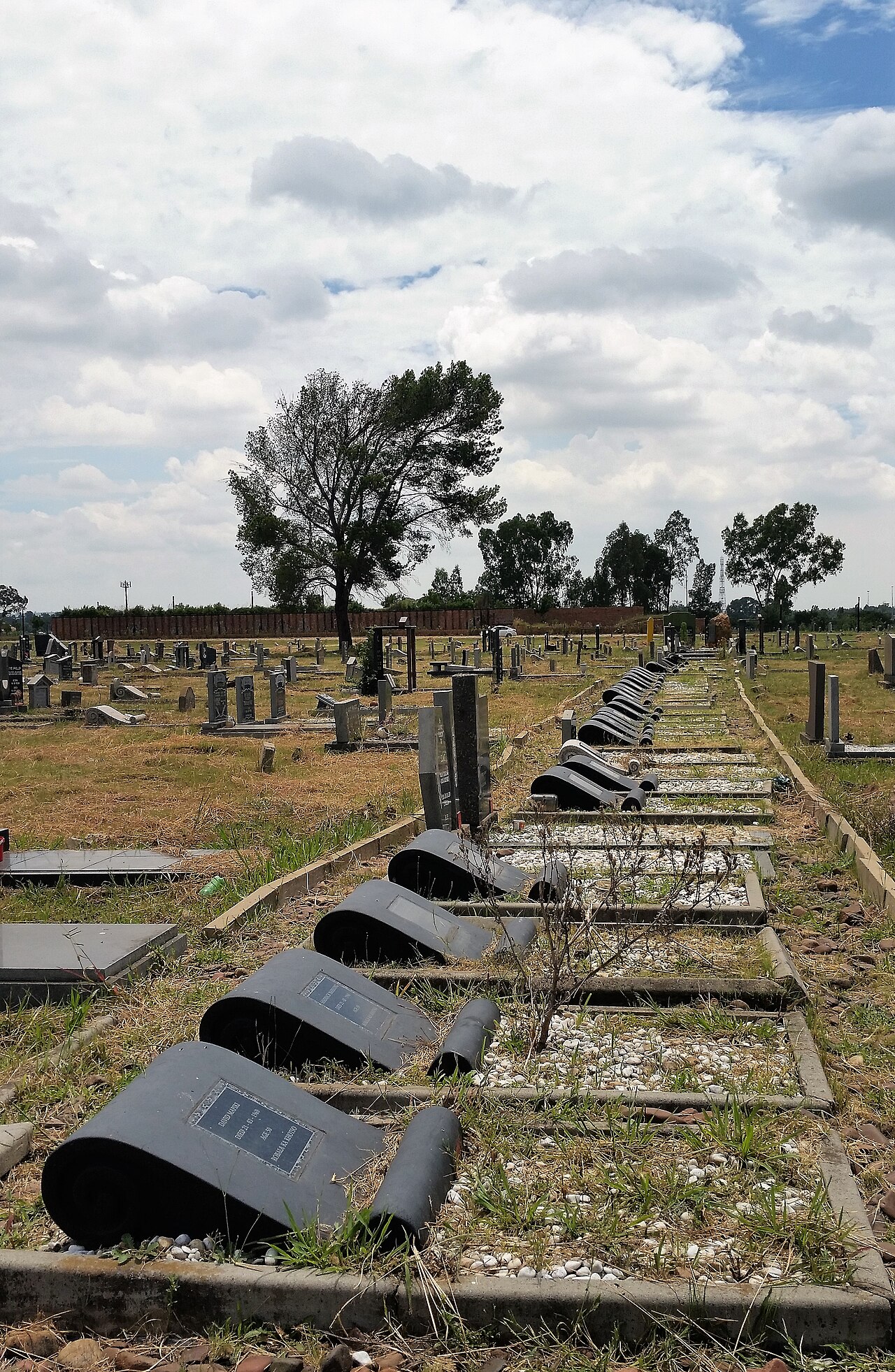
Sharpeville Massacre Graves, Phelindaba Cemetery
Andrew Hall · 8 February 2017
A 2017 photograph of the graves of 69 people killed by police at Sharpeville in 1960, the massacre that shaped Luthuli's presidency of the ANC.
These graves mark the Sharpeville Massacre, the event that led to the banning of Luthuli's ANC and reshaped his presidency.
About this source
What it is
This is a photograph taken in 2017 by Andrew Hall showing the graves of people killed at the Sharpeville Police Station on 21 March 1960, during an anti-pass law protest. Sixty-nine people died when police opened fire on the crowd.
Why it matters
The Sharpeville Massacre was a turning point in South Africa's history, leading to bans on the ANC and PAC and pushing the anti-apartheid movement toward new tactics. Albert Luthuli, as ANC president at the time, responded to the massacre and its aftermath, including the banning of his organisation. This photograph, taken decades later, is a modern record of the site rather than an image from the event itself.
Look closer
- Why is it important to know this photograph was taken in 2017, not in 1960?
- What does a cemetery tell us about an historical event that a document cannot?
- How might visiting this site today affect how people remember the massacre?
This photograph is part of the curated material that grounds the AI version of Albert Luthuli on Humy.ai — when students ask about related events, the AI can quote it and cite it.
More Albert Luthuli sources
Browse all 20 →Primary source
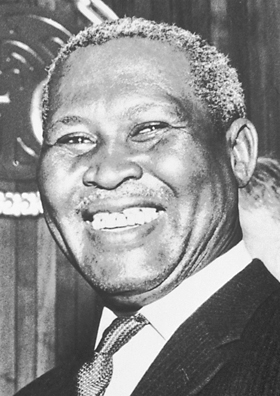
Unlawful Organizations Act, 1960
1960
 Photograph
Primary source
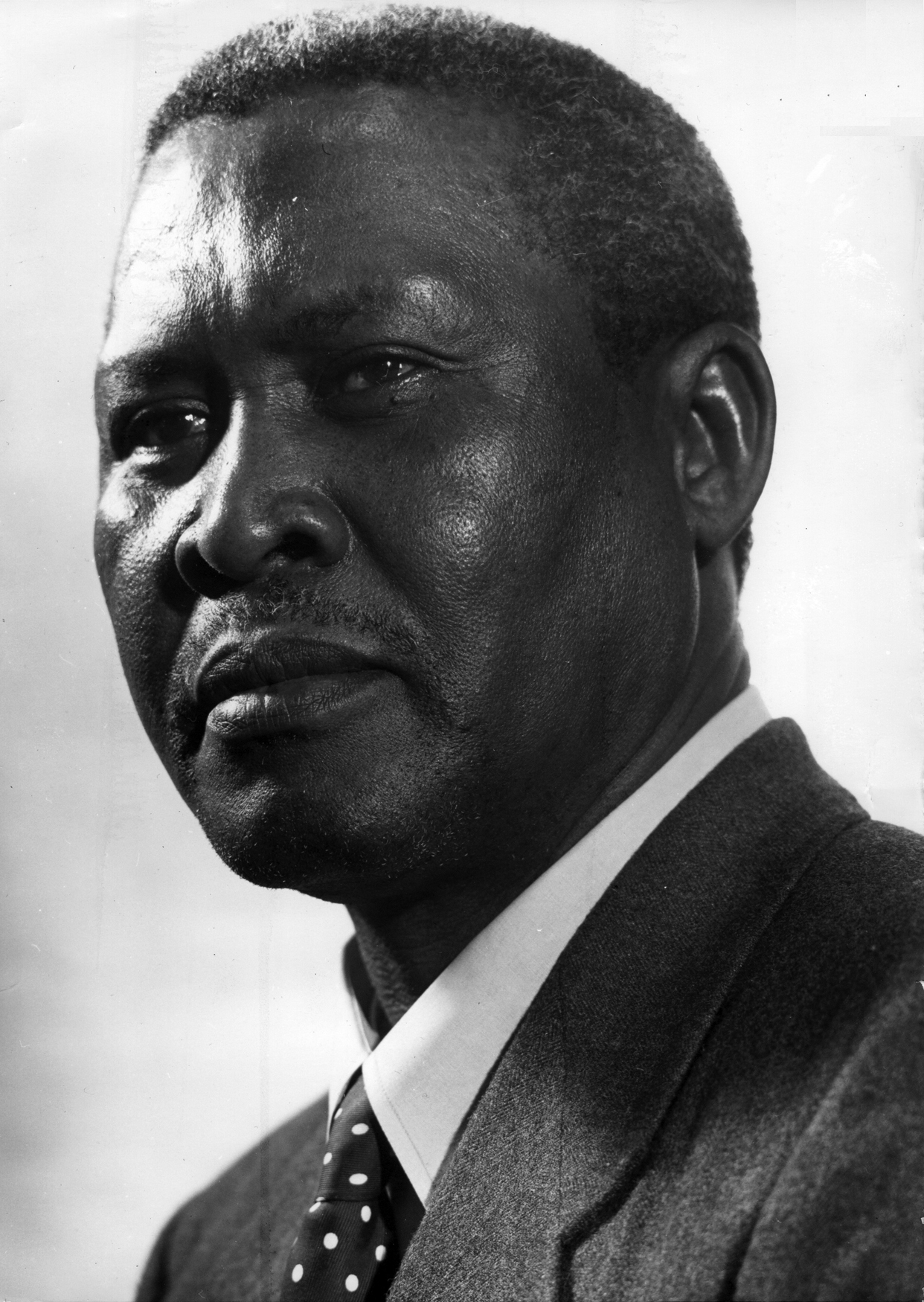
Portrait of Albert John Mvumbi Luthuli
c. 1961
Primary source
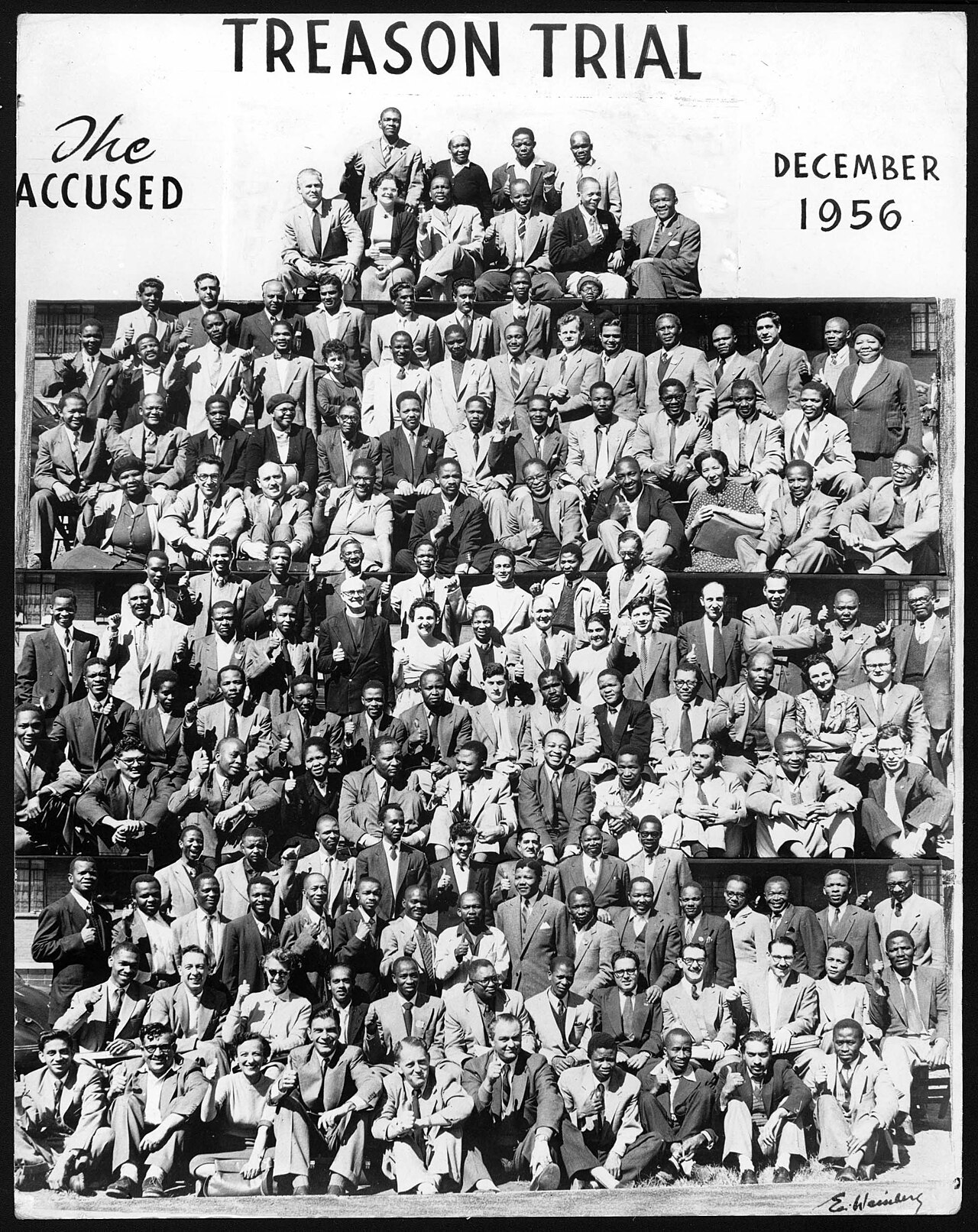
Suppression of Communism Act, 1950
1950
 Photograph
Primary source
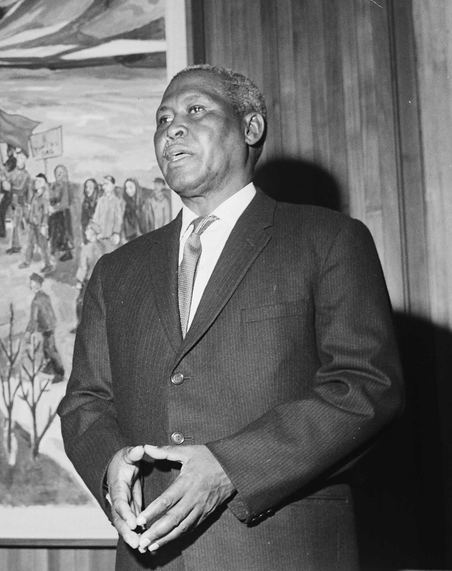
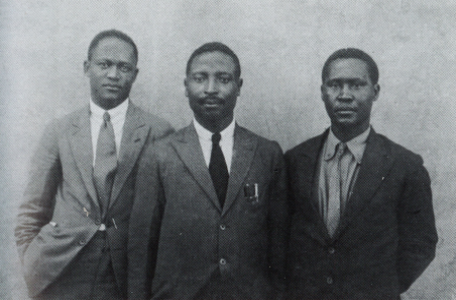
Defendants at the 1956 Treason Trial
Eli Weinberg · 1 December 1956
Free account
Read every Albert Luthuli source
Sign up free →
Ready when you are
Start chatting with Albert Luthuli now.
20 messages free · No credit card · Available in 50+ languages.