


Primary sourceArtifactc. 1906
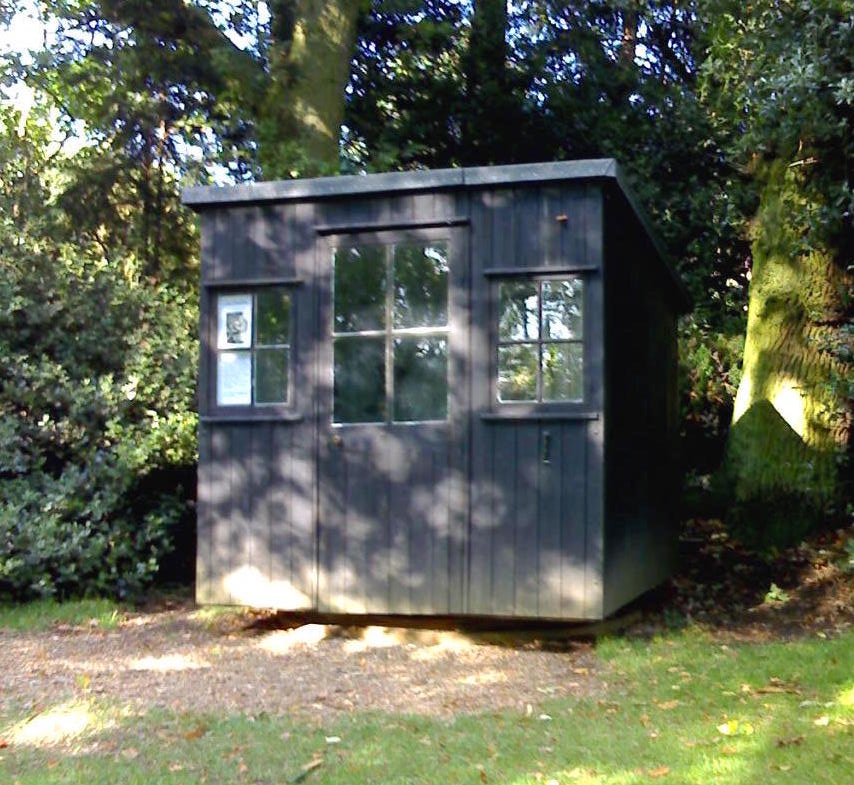
Shaw's Writing Hut at Shaw's Corner
c. 1906
The revolving garden hut at Shaw's Corner where Shaw wrote many of his later plays, including Pygmalion.
This is the actual hut where Shaw wrote many of his later plays, preserved at his former home.
About this source
What it is
This small wooden hut stands in the garden of Shaw's Corner, Shaw's home, and dates from around 1906. It was built to revolve so it could follow the sunlight through the day. The house and hut are preserved by the National Trust much as Shaw left them, and both are open to visitors today.
Why it matters
The hut was Shaw's writing space for many of his later works, including his play Pygmalion. A building designed around a writer's personal working habits, like this revolving hut chasing the sun, tells us something about how seriously Shaw treated the craft and comfort of writing, and the house's preservation shows how later generations have chosen to remember him.
Look closer
- Why might a writer want a hut that could turn to follow the sun?
- What does the preservation of Shaw's house and hut as a museum tell us about his standing in literary history?
- What questions would you want to ask by standing inside the room where Shaw wrote his plays?
This artifact is part of the curated material that grounds the AI version of George Bernard Shaw on Humy.ai — when students ask about related events, the AI can quote it and cite it.
More George Bernard Shaw sources
Browse all 94 →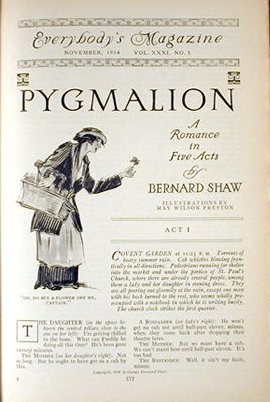 Book
Primary source
Pygmalion
George Bernard Shaw · 1912
 Book
Secondary source
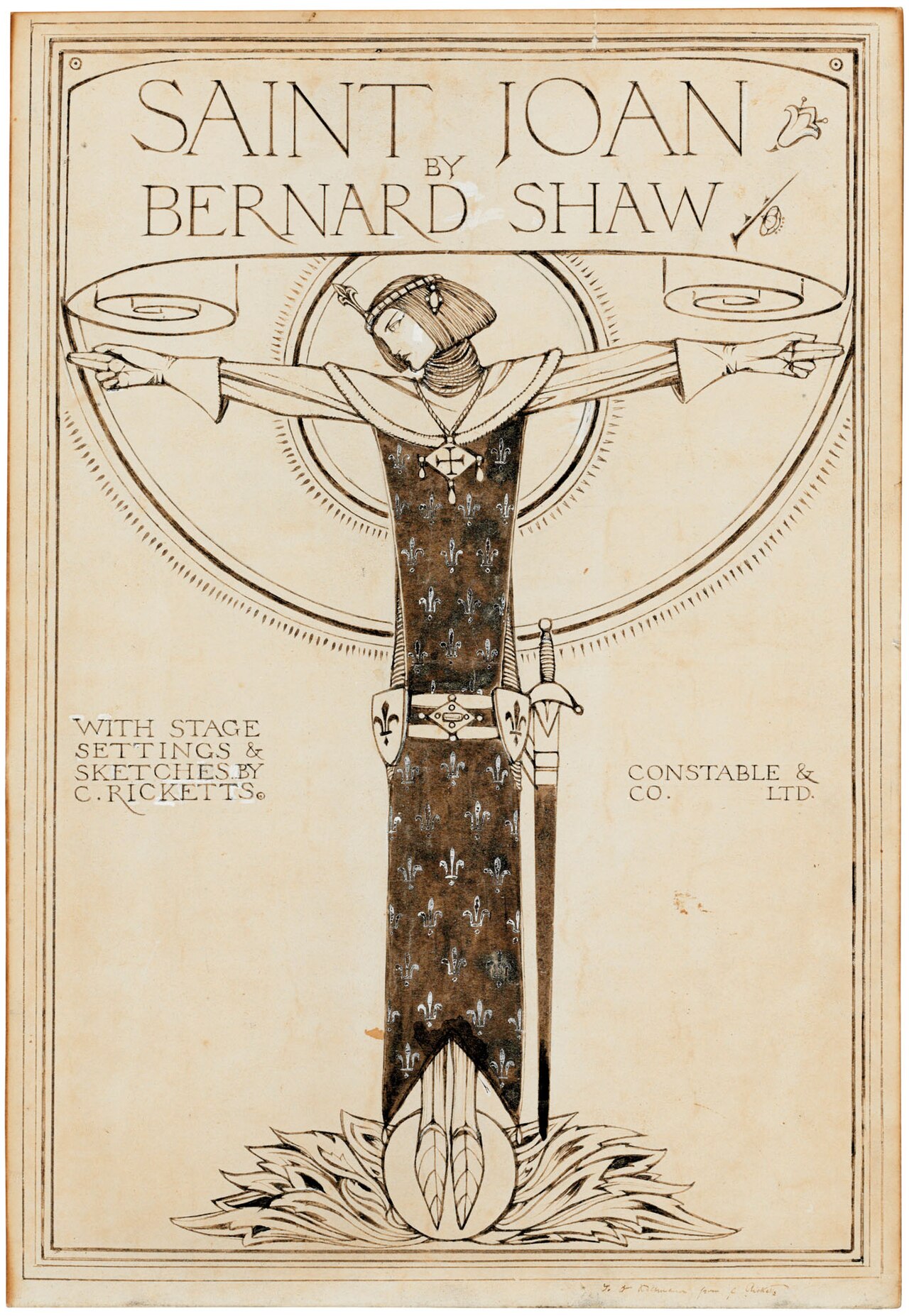
Saint Joan
George Bernard Shaw · 1923
Primary source
Man and Superman
George Bernard Shaw · 1903
Primary source
Major Barbara
George Bernard Shaw · 1905
Free account
Read every George Bernard Shaw source
Sign up free →
Ready when you are
Start chatting with George Bernard Shaw now.
20 messages free · No credit card · Available in 50+ languages.