


Secondary sourceArtifact19th century
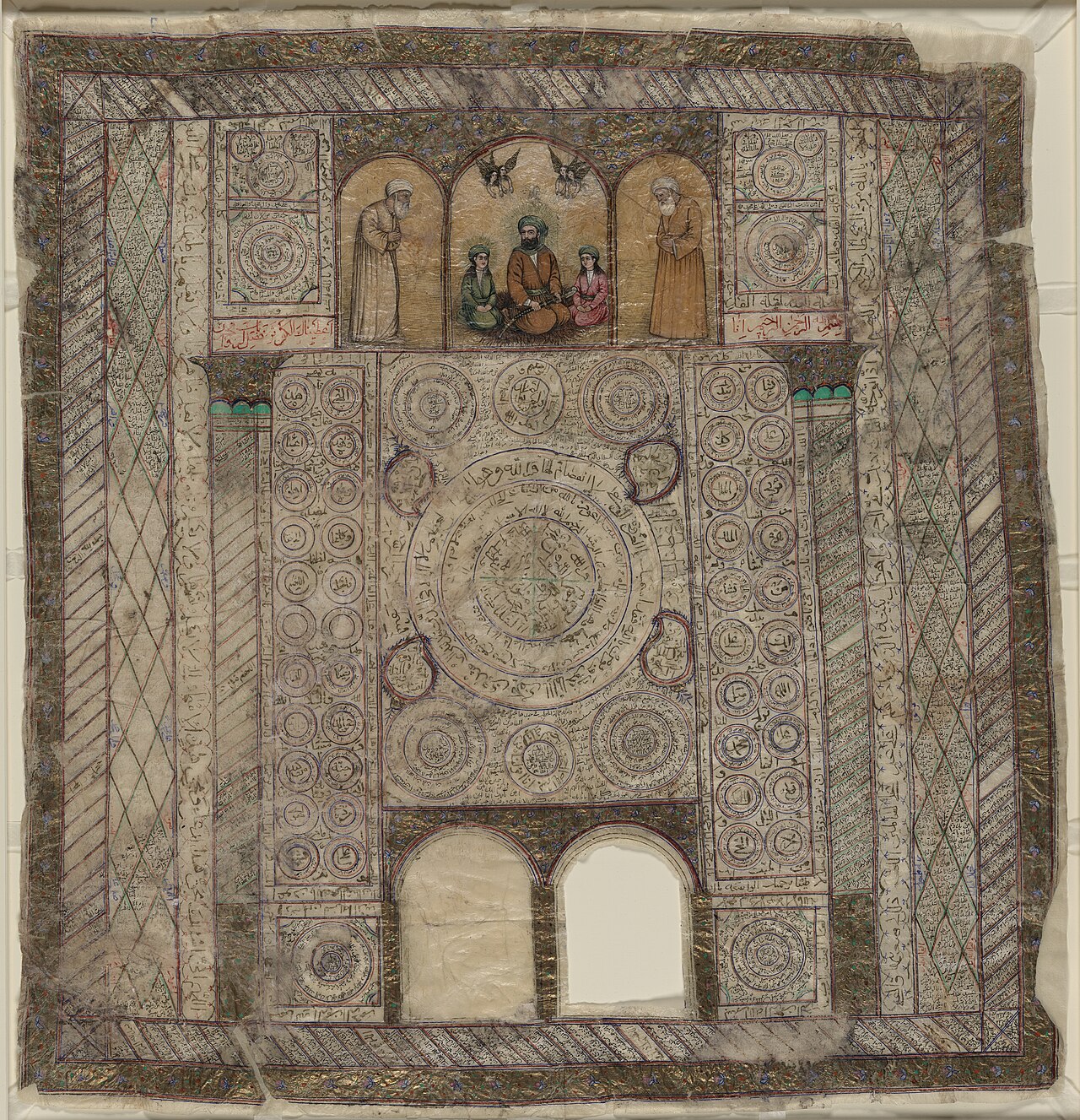
Shi'i Talismanic Piece
19th century
An illuminated 19th-century Iranian calligraphic and devotional panel invoking the Shia Imams, including Husayn, likely used as a talisman.
Invokes the Shia Imams, including Husayn, showing his place in popular devotional and talismanic practice.
About this source
What it is
This large illuminated panel was made in Iran during the 19th century, in the Qajar period. It combines calligraphy, a circular diagram, and arched panels with figures, and is held in the collection of the Library of Congress.
Why it matters
The piece is a typical example of Shia popular devotional material from this era, likely functioning as a talisman for its owner. By invoking the Imams, including Husayn ibn Ali, it shows how reverence for him extended into everyday religious and protective objects used by ordinary believers, not just grand monuments or texts.
Look closer
- What might someone have hoped to gain by owning an object like this?
- Why do you think figures and inscriptions are arranged in this particular pattern?
- What does this object tell us about the role of Husayn in the daily spiritual life of believers, as opposed to formal religious texts?
This artifact is part of the curated material that grounds the AI version of Husayn ibn Ali on Humy.ai — when students ask about related events, the AI can quote it and cite it.
More Husayn ibn Ali sources
Browse all 86 →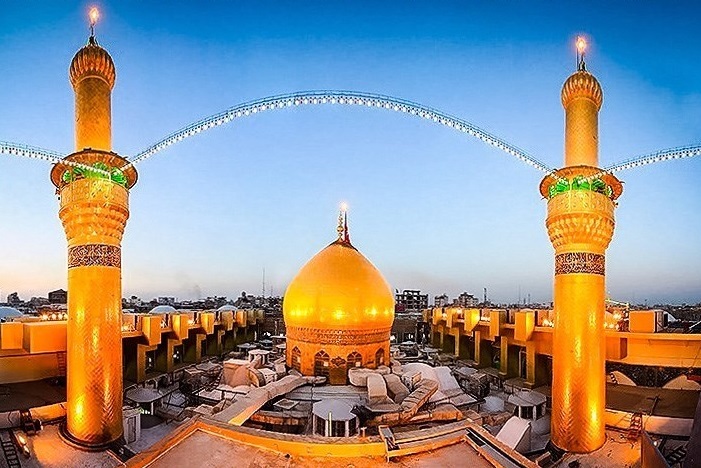 Artifact
Secondary source
Grave of Husayn ibn Ali
 Book
Secondary source
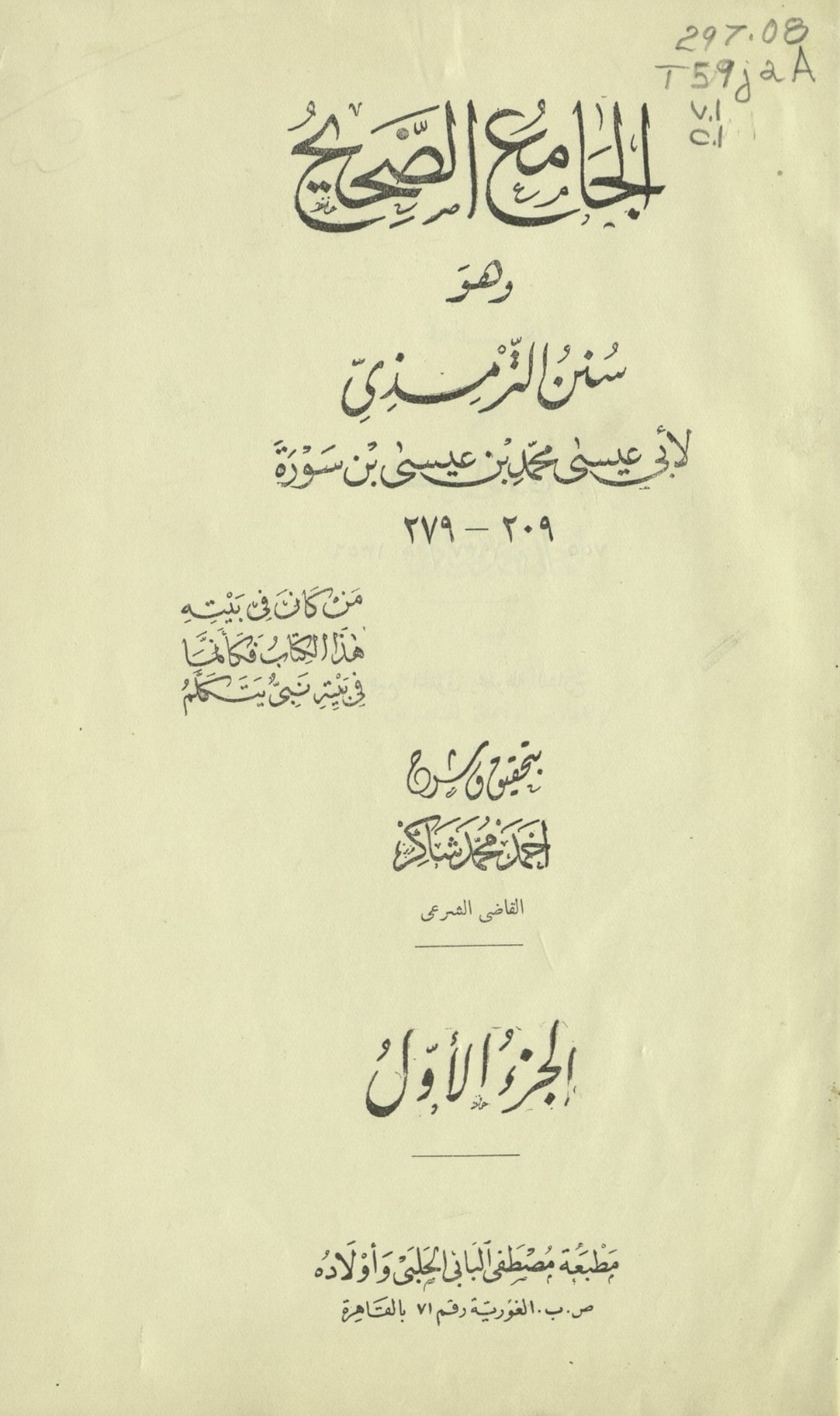
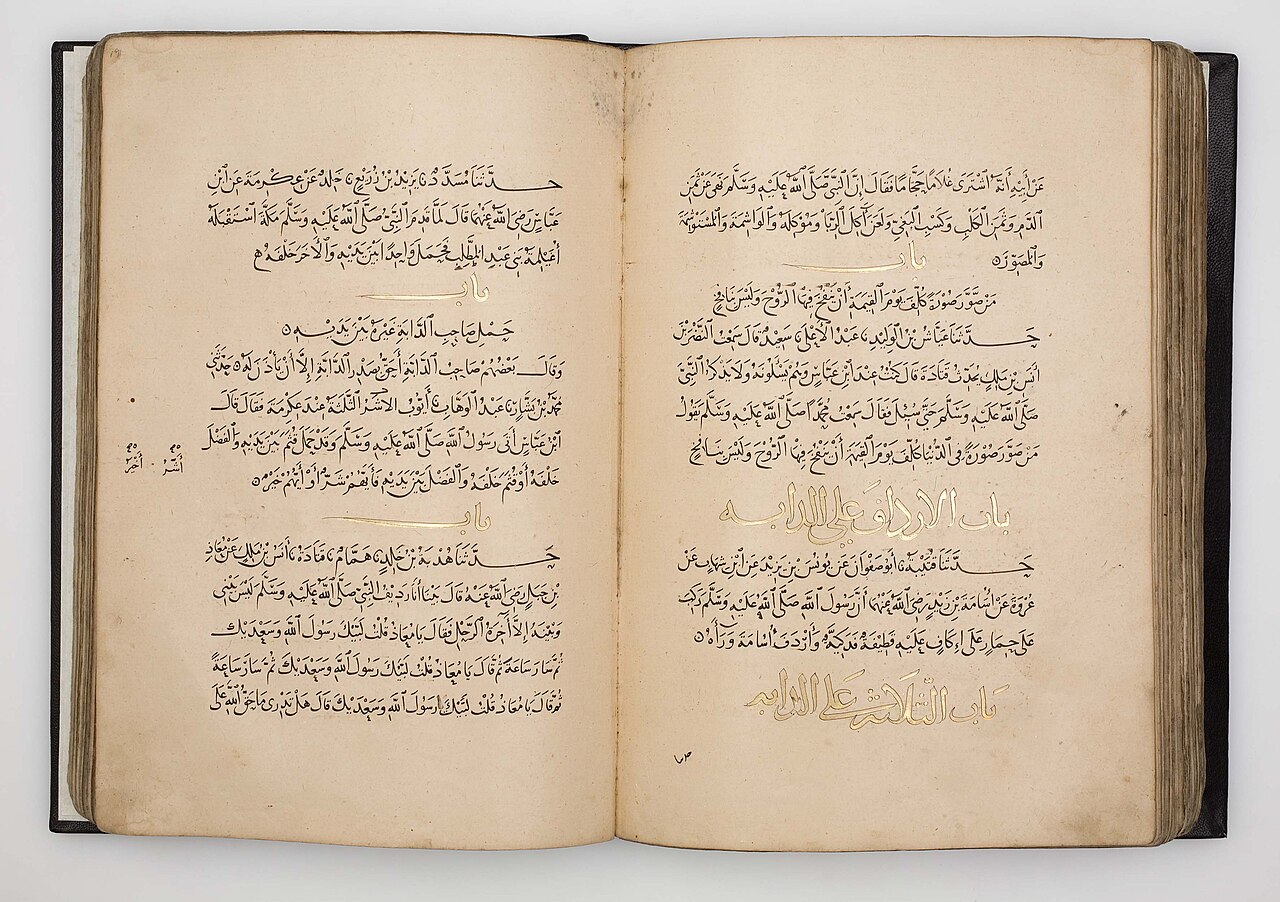
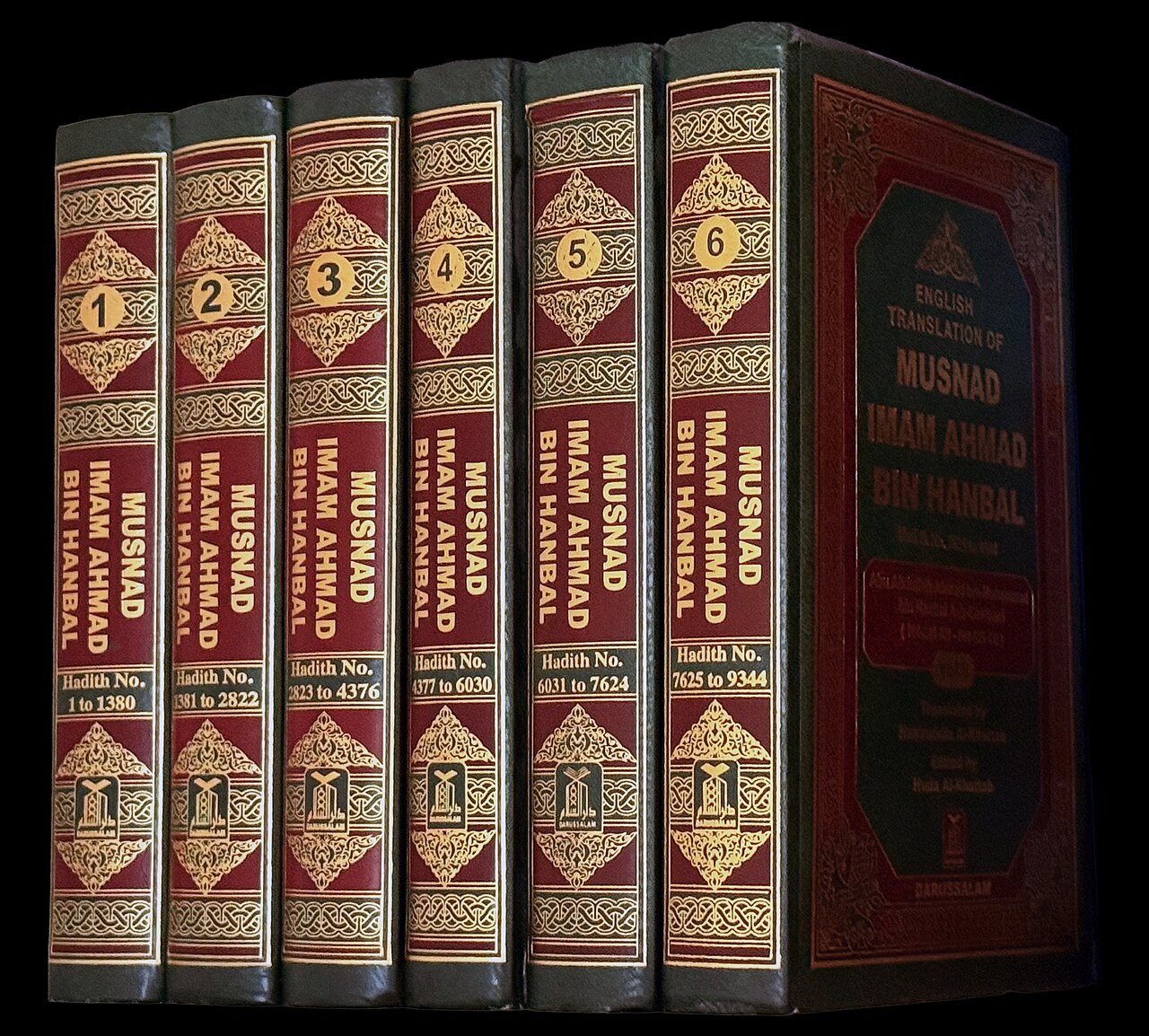
Jami` at-Tirmidhi
Abu Isa at-Tirmidhi · c. 864–884 CE
 Photograph
Secondary source
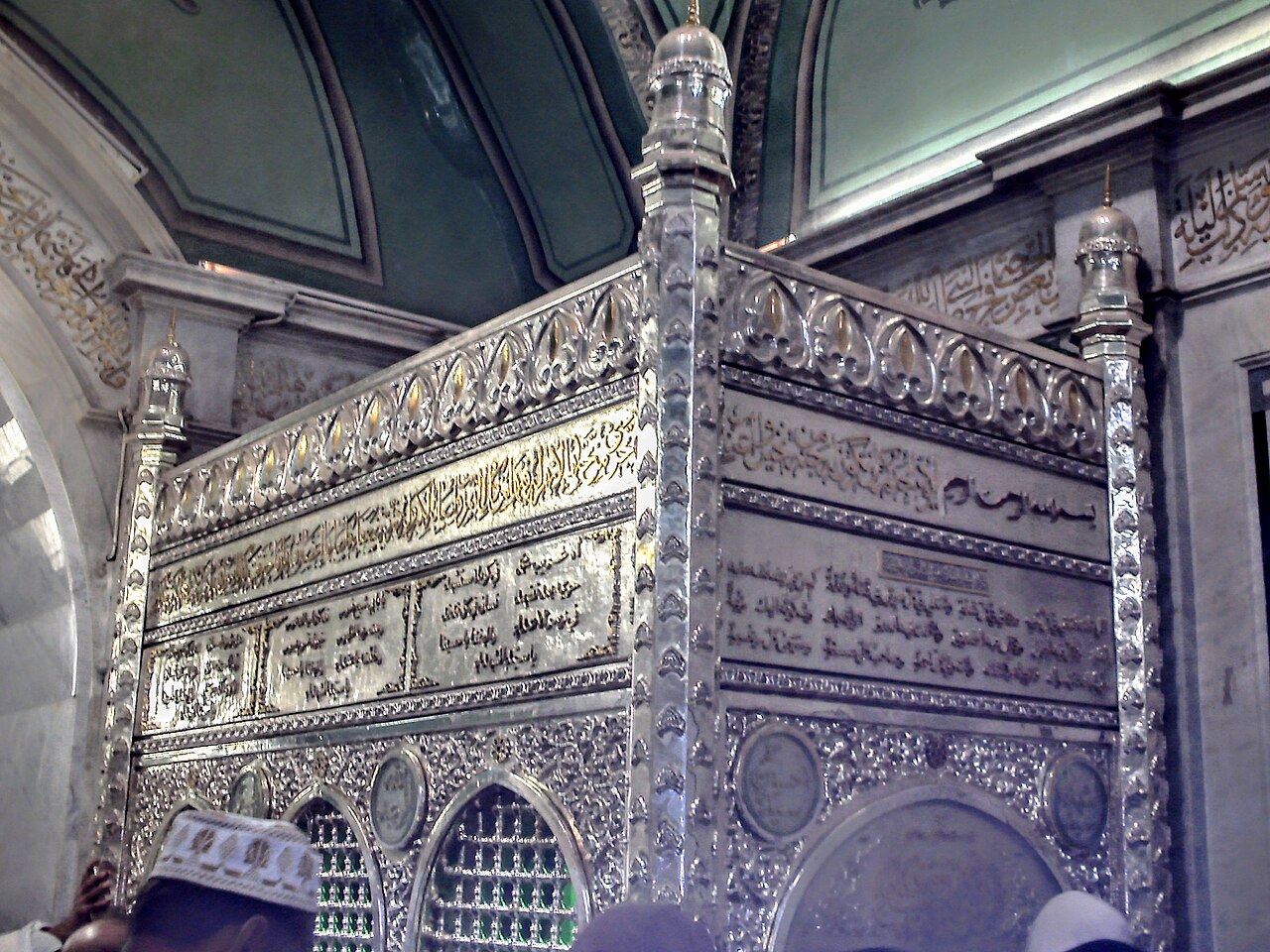
Shrine of Husayn's Head, Damascus
Murtaza.aliakbar
 Artifact
Secondary source
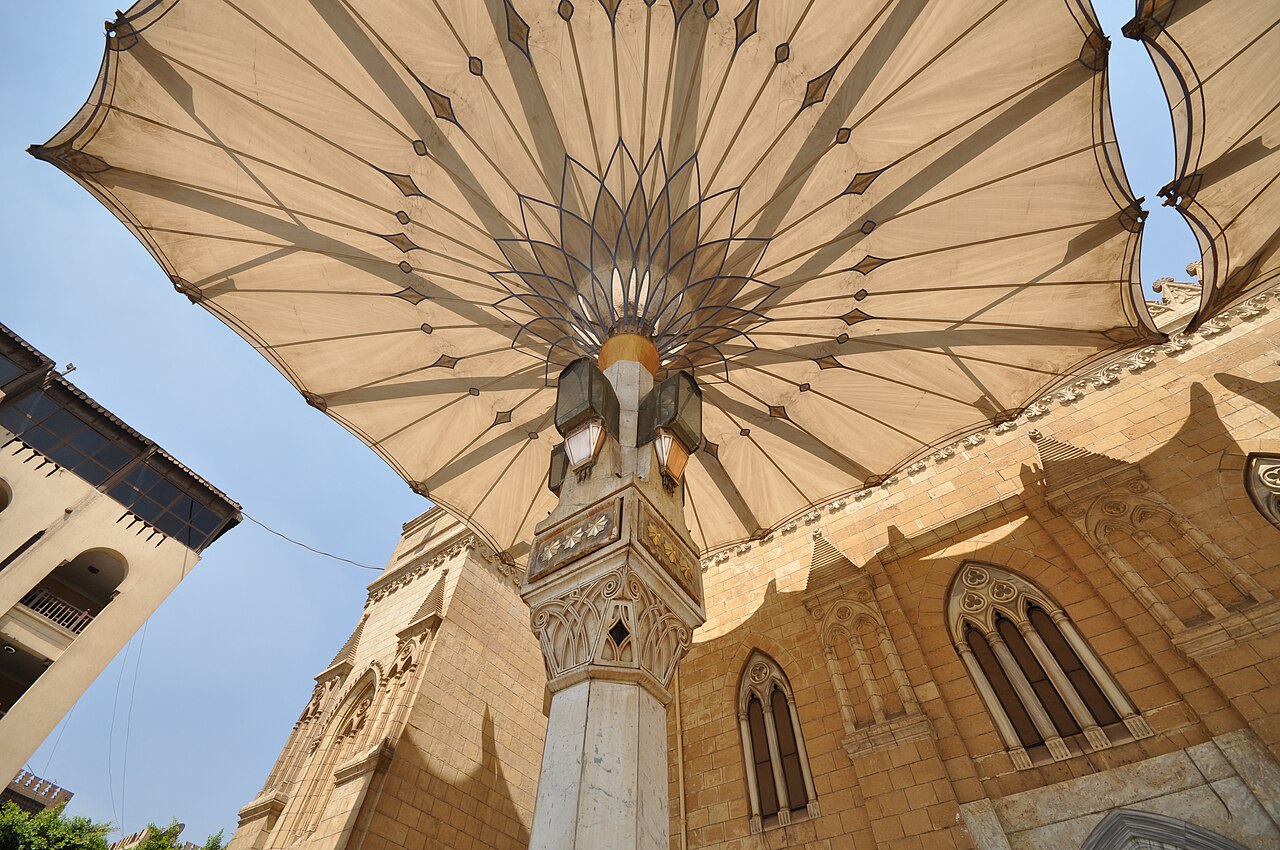
Al-Hussein Mosque, Cairo
1154 (rebuilt 1874)
Free account
Read every Husayn ibn Ali source
Sign up free →
Ready when you are
Start chatting with Husayn ibn Ali now.
20 messages free · No credit card · Available in 50+ languages.