


Primary sourceArtifactbetween 1029 and 1036
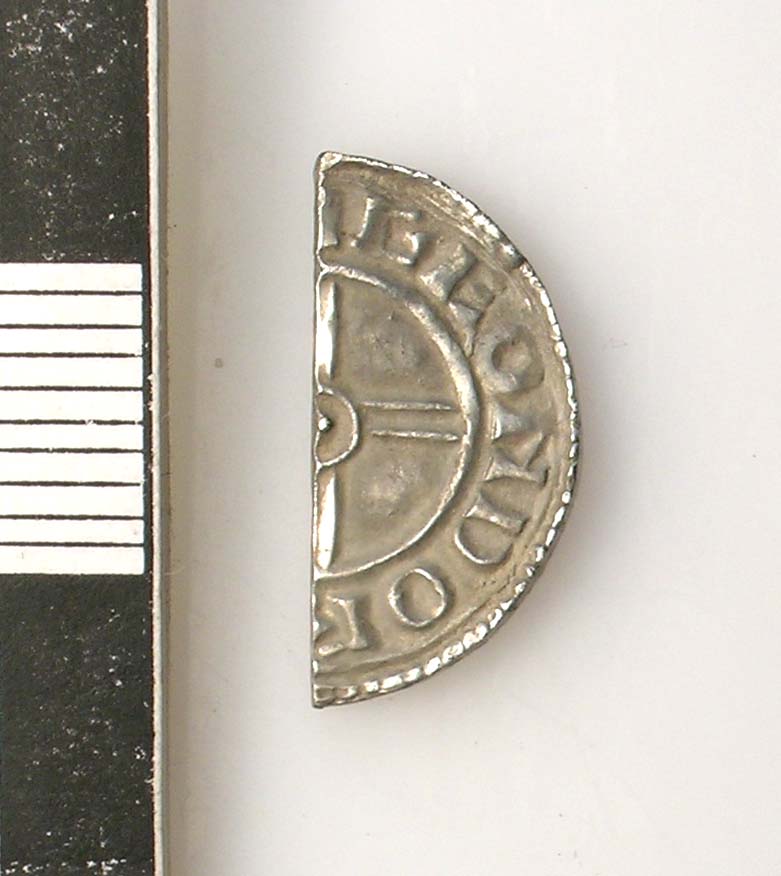
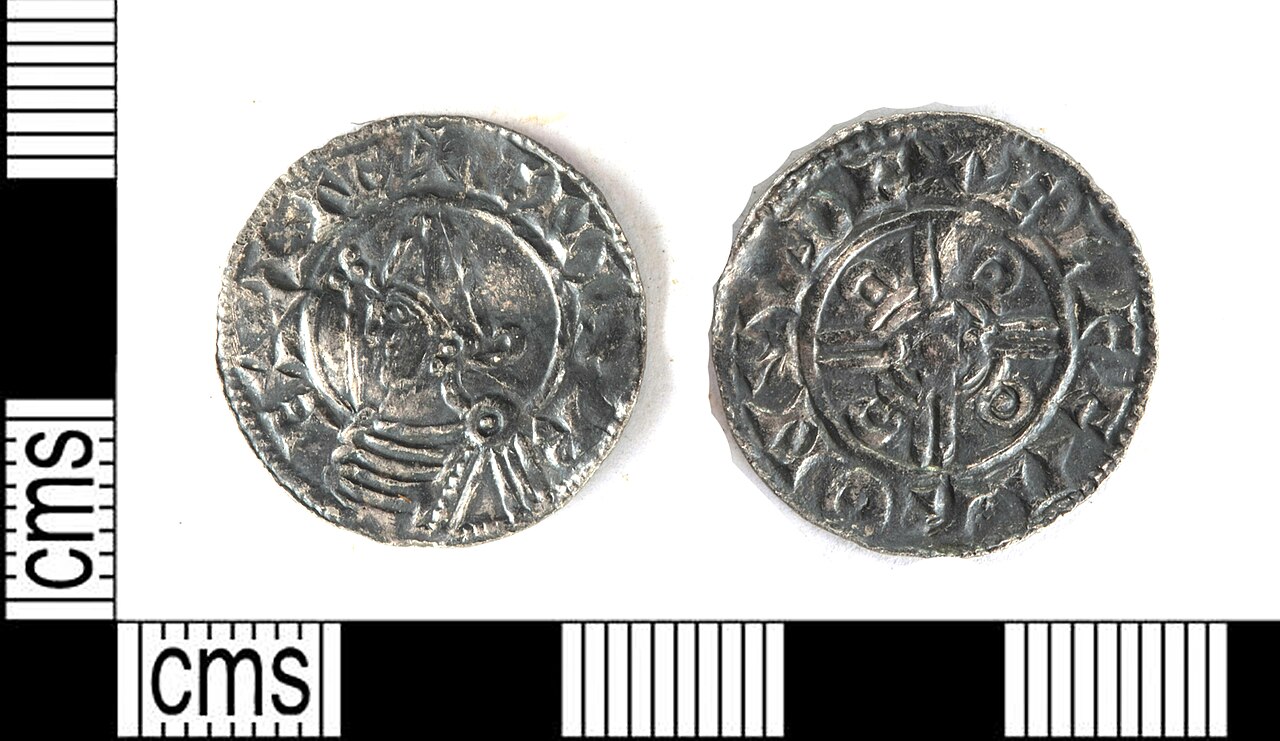
Short Cross Cut Halfpenny of Cnut, Dover
Eadsige (moneyer), Dover mint · between 1029 and 1036
A silver halfpenny cut from a penny minted at Dover during Cnut's reign, by the moneyer Eadsige.
This coin was minted under Cnut's royal authority, showing his control over England's money supply.
About this source
What it is
This is a silver cut halfpenny from the reign of King Cnut, minted at Dover by the moneyer Eadsige. Coins of this period were often physically cut into halves or quarters to make small change. It dates to the later part of Cnut's reign and is held by the Portable Antiquities Scheme record referenced EMC 2006.0154.
Why it matters
Royal coinage like this was one of the main ways a king such as Cnut showed his authority across England. Each coin names the moneyer responsible, like Eadsige, showing how royal control over minting worked through local officials in towns such as Dover.
Look closer
- Why might a coin be cut in half instead of using smaller denominations?
- What does the inscription around the edge tell us, even if we can't read all of it?
- What does the choice of design (a cross) suggest about religion and kingship at the time?
This artifact is part of the curated material that grounds the AI version of Canute the Great on Humy.ai — when students ask about related events, the AI can quote it and cite it.
More Canute the Great sources
Browse all 75 →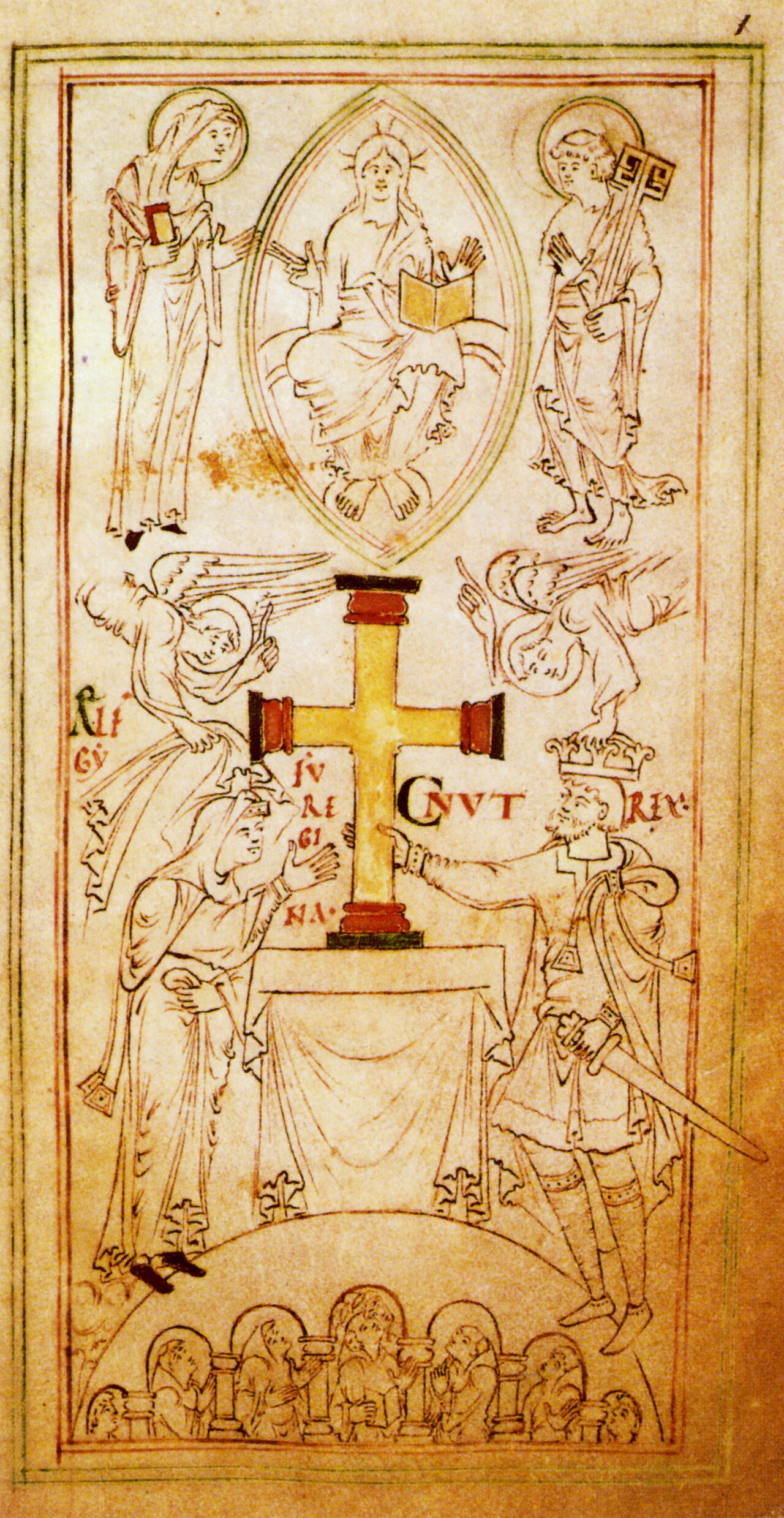 Painting
Primary source
Canute and Ælfgifu
c. 1031
 Document
Primary source
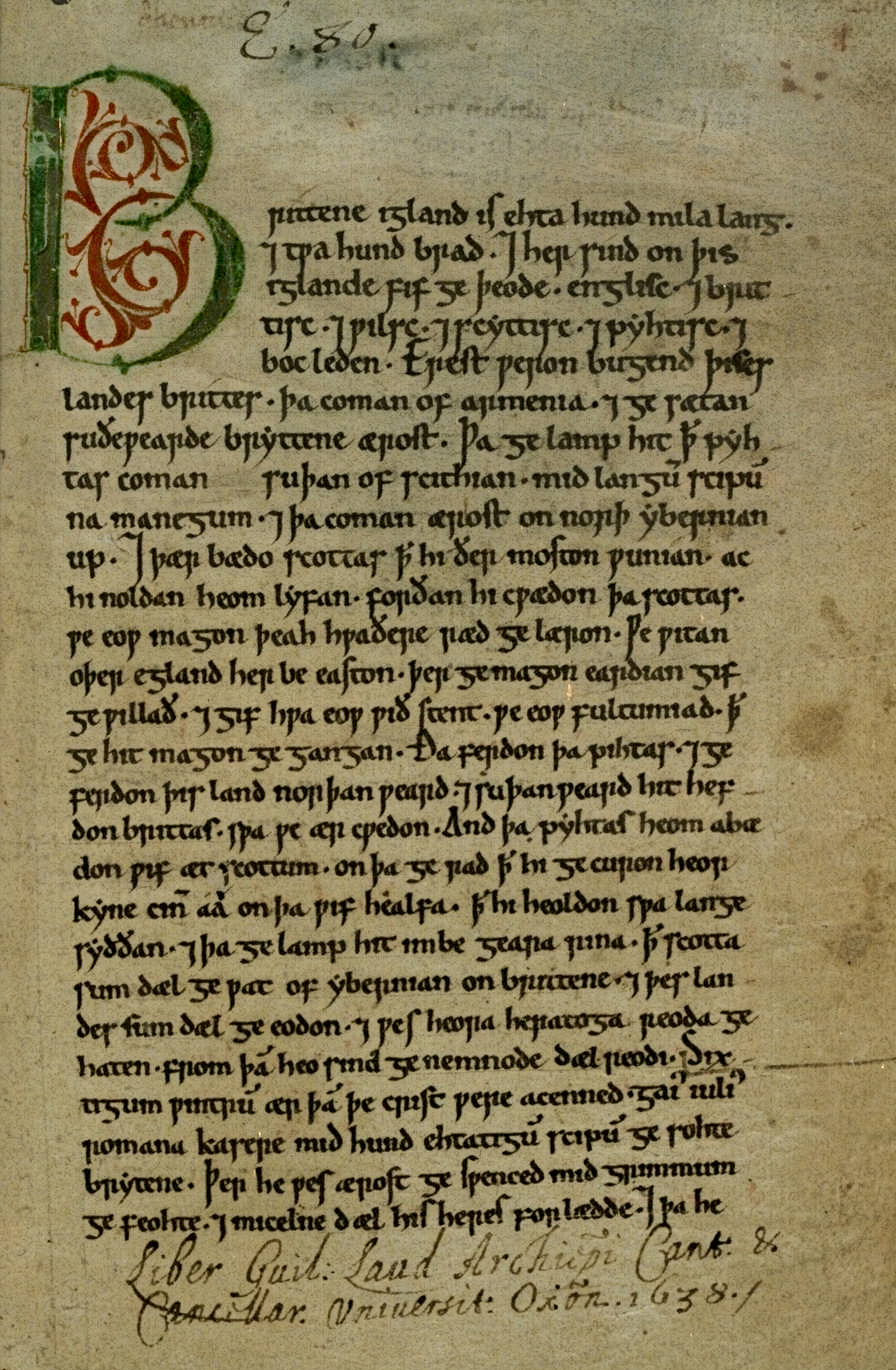
Anglo-Saxon Chronicle
c. 890 (Common Stock)
 Artifact
Primary source
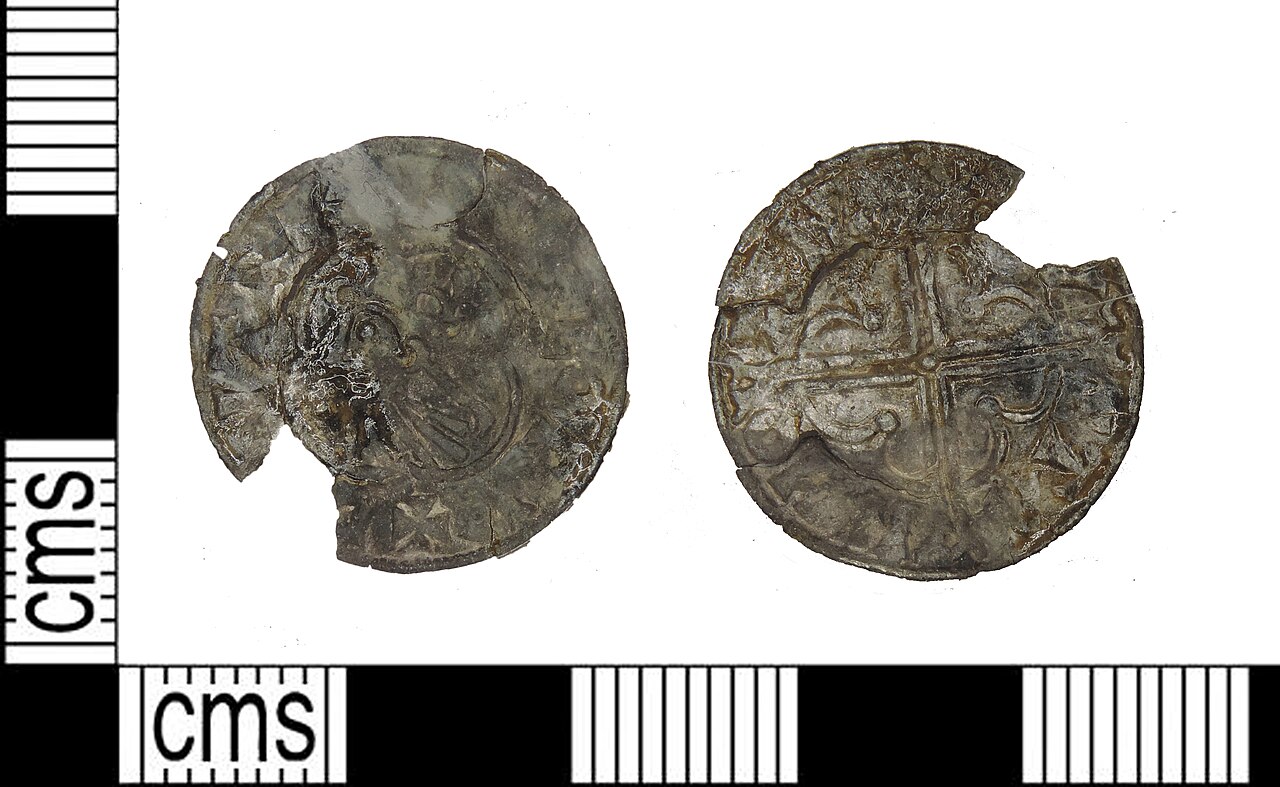
Silver Penny of Cnut (Quatrefoil Type)
English royal moneyers · c. 1017-1023
 Artifact
Primary source
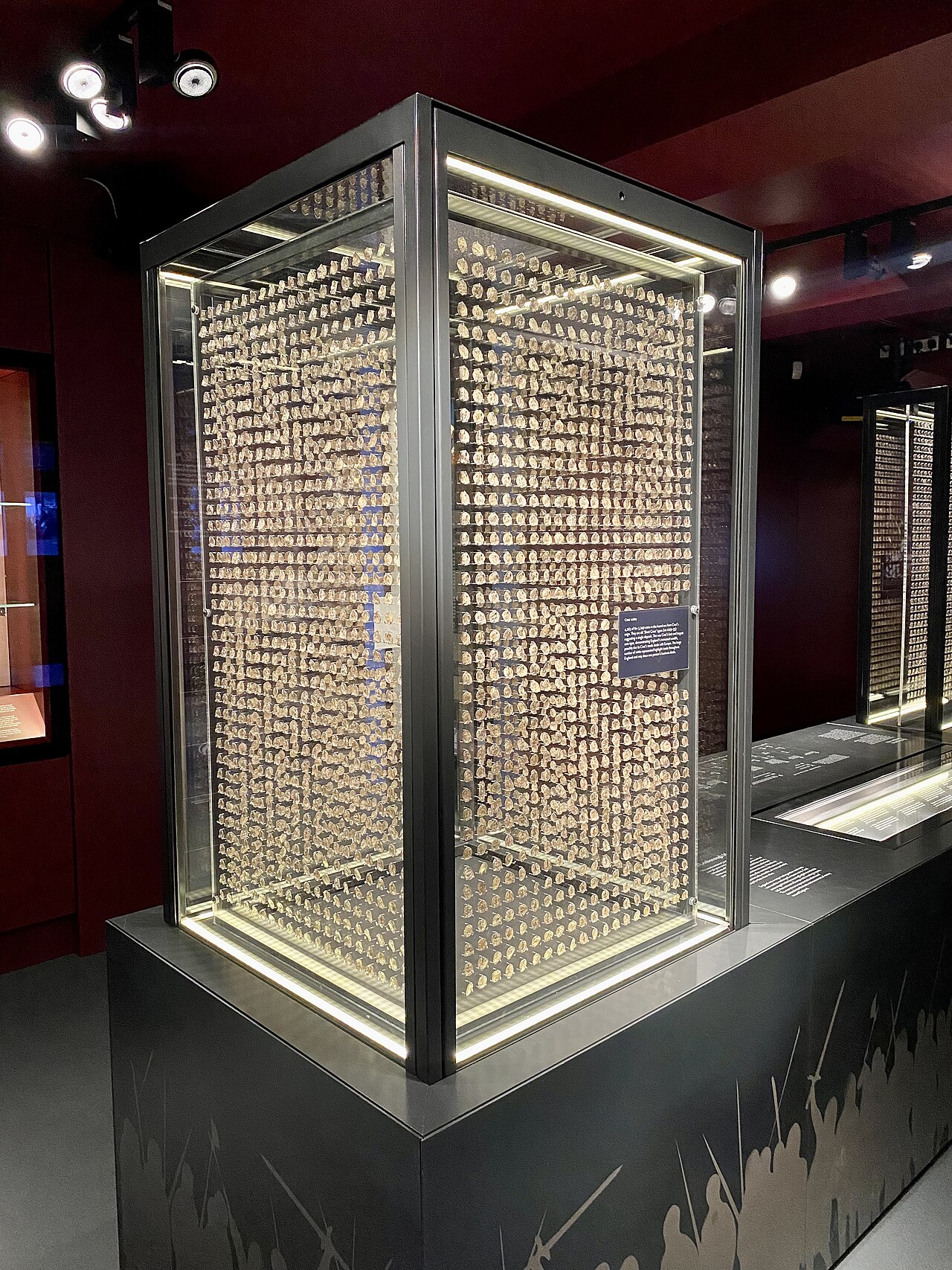
Lenborough Hoard
1020s (found 2014)

Free account
Read every Canute the Great source
Sign up free →
Ready when you are
Start chatting with Canute the Great now.
20 messages free · No credit card · Available in 50+ languages.