


Primary sourceArtifactbetween 1029 and 1036
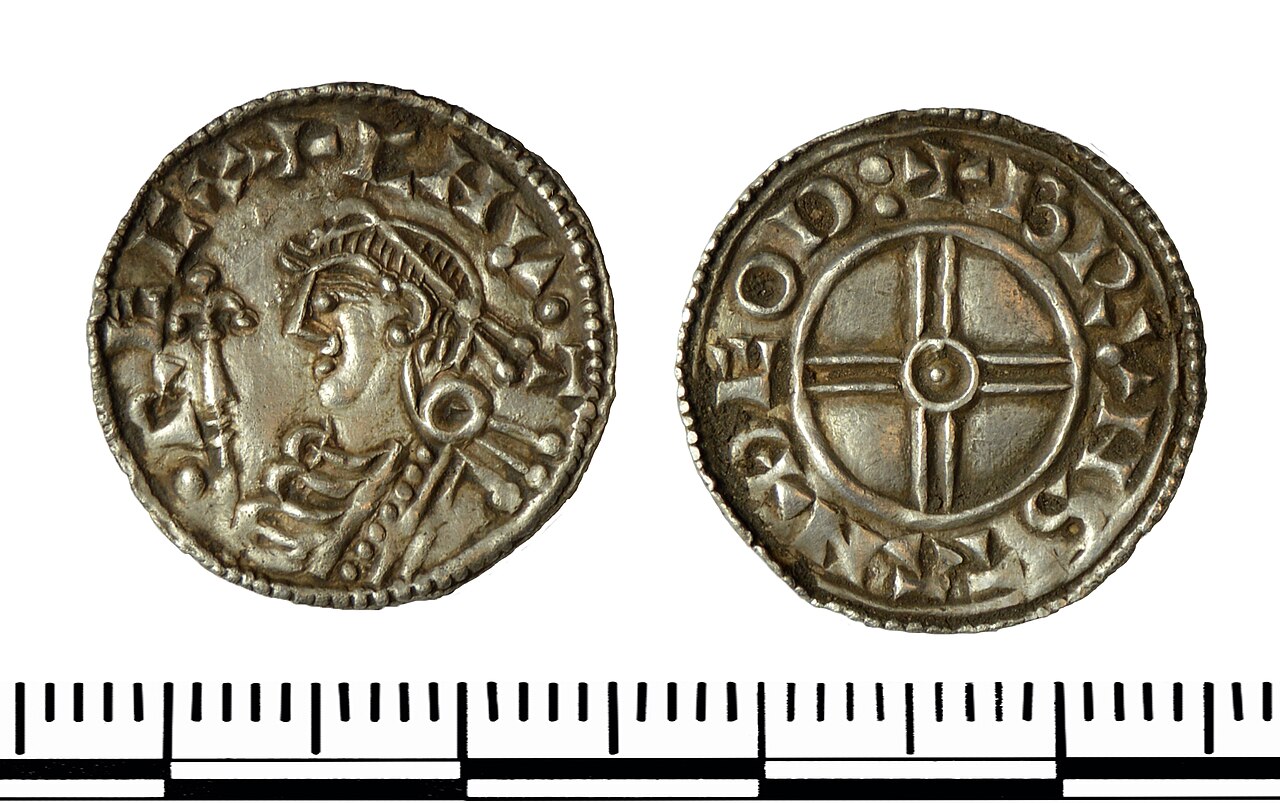
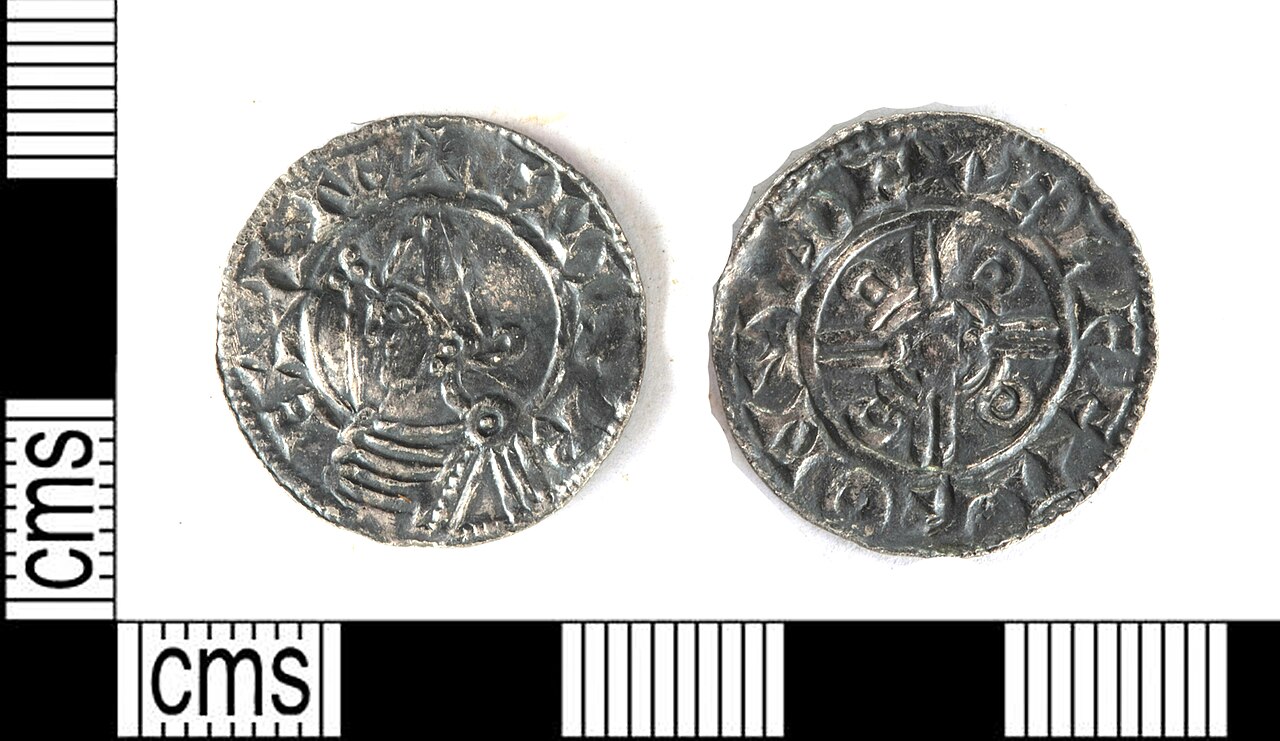
Short Cross Silver Penny of Cnut, Thetford
between 1029 and 1036
A silver penny naming Cnut as king, minted at Thetford by the moneyer Brunstan.
This coin names Cnut directly (CNVT RECX), making it primary physical evidence of his reign as king.
About this source
What it is
This short cross silver penny was struck in the name of King Cnut between about 1029 and 1036 at the Thetford mint. The obverse shows a diademed bust with a sceptre and the inscription CNVT RECX; the reverse has a voided cross and the moneyer's name, Brunstan.
Why it matters
Because the coin names both the king and the moneyer who struck it, it is strong direct evidence of how Cnut's authority was expressed through money across different English towns, each with its own mint and craftsmen.
Look closer
- What does the Latin-style inscription CNVT RECX tell you about how Cnut wanted to present his kingship?
- Why might different towns like Thetford have their own mints instead of one central mint?
- What can a coin tell historians that a written document cannot?
This artifact is part of the curated material that grounds the AI version of Canute the Great on Humy.ai — when students ask about related events, the AI can quote it and cite it.
More Canute the Great sources
Browse all 75 →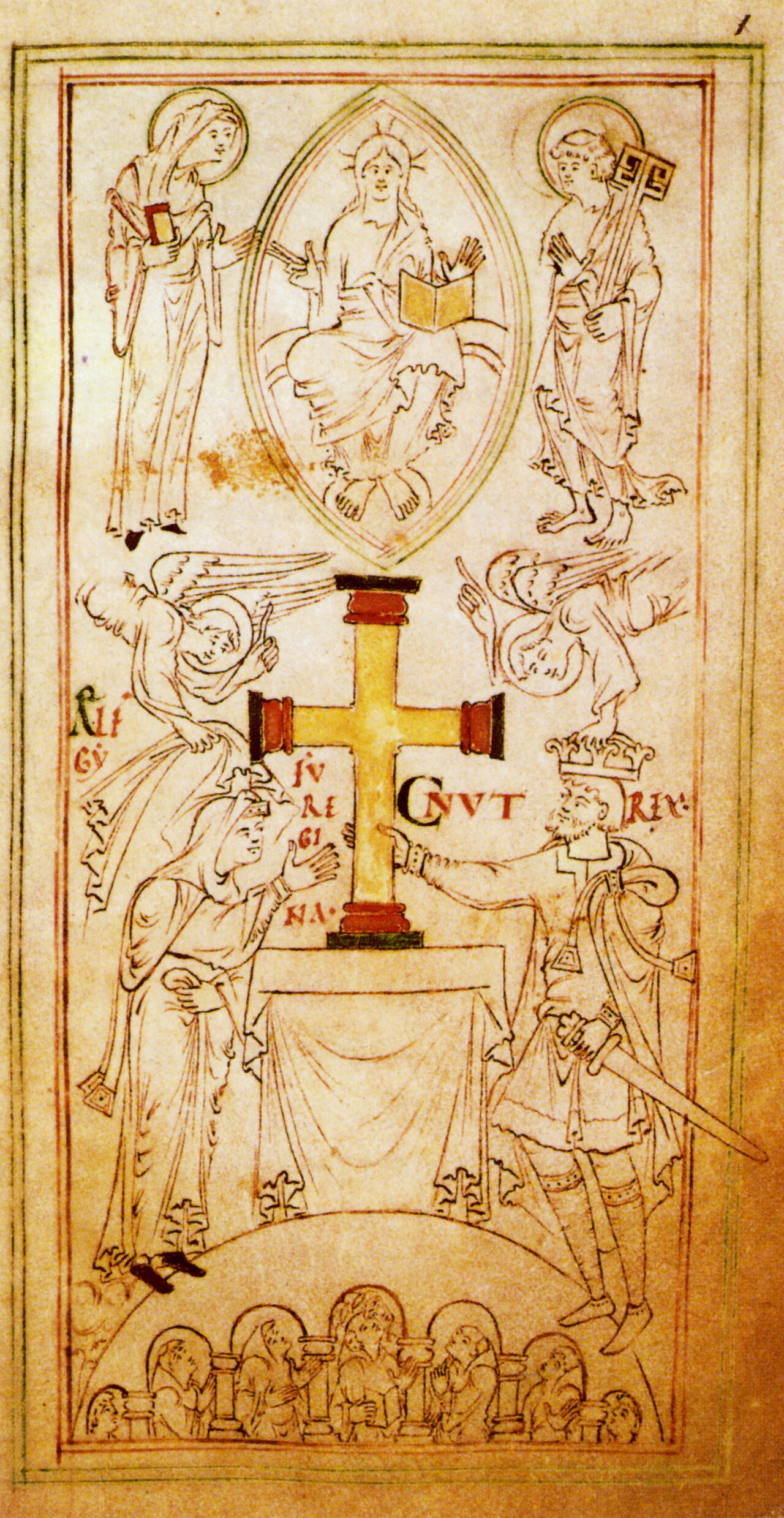 Painting
Primary source
Canute and Ælfgifu
c. 1031
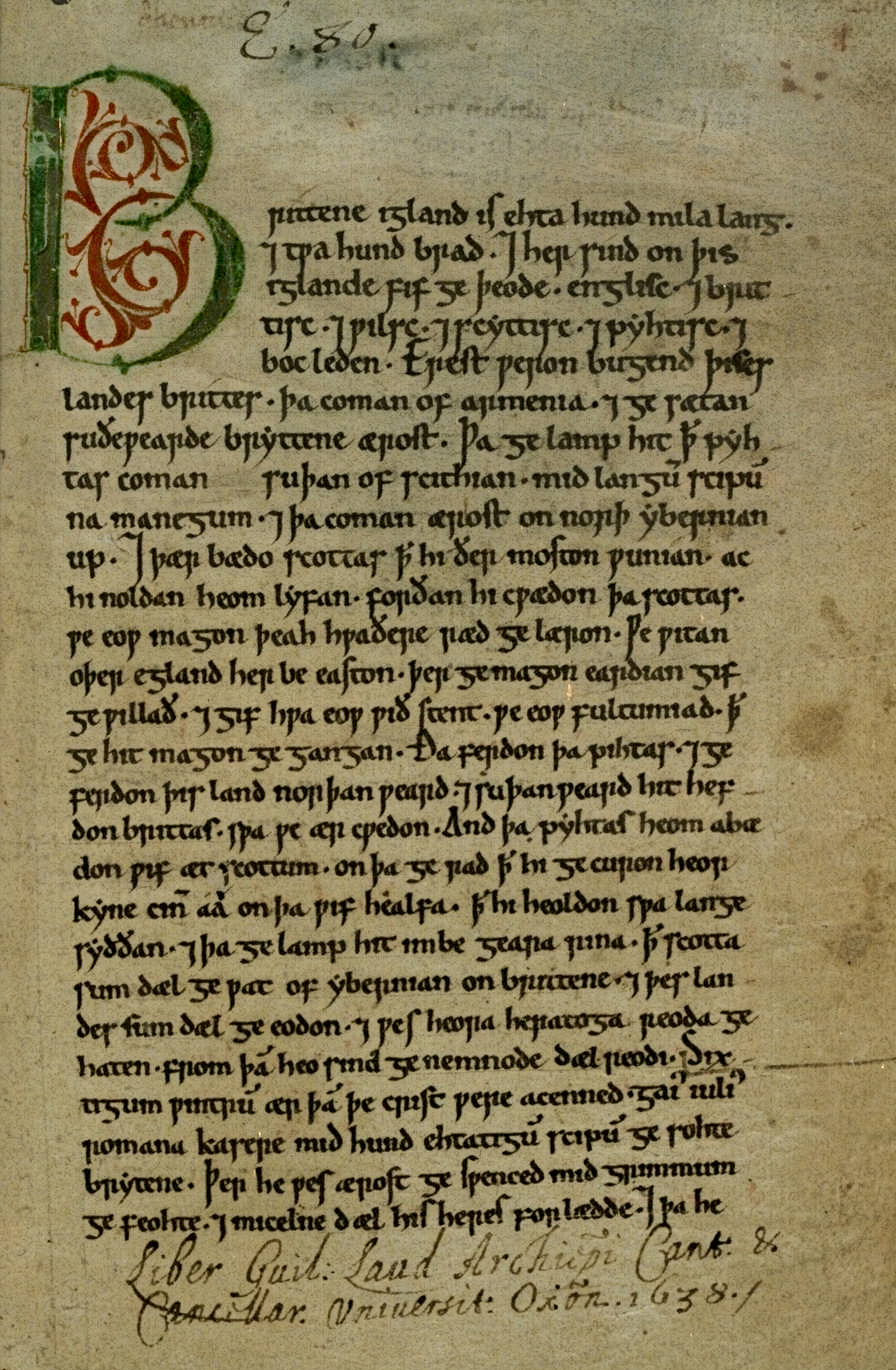 Document
Primary source
Anglo-Saxon Chronicle
c. 890 (Common Stock)
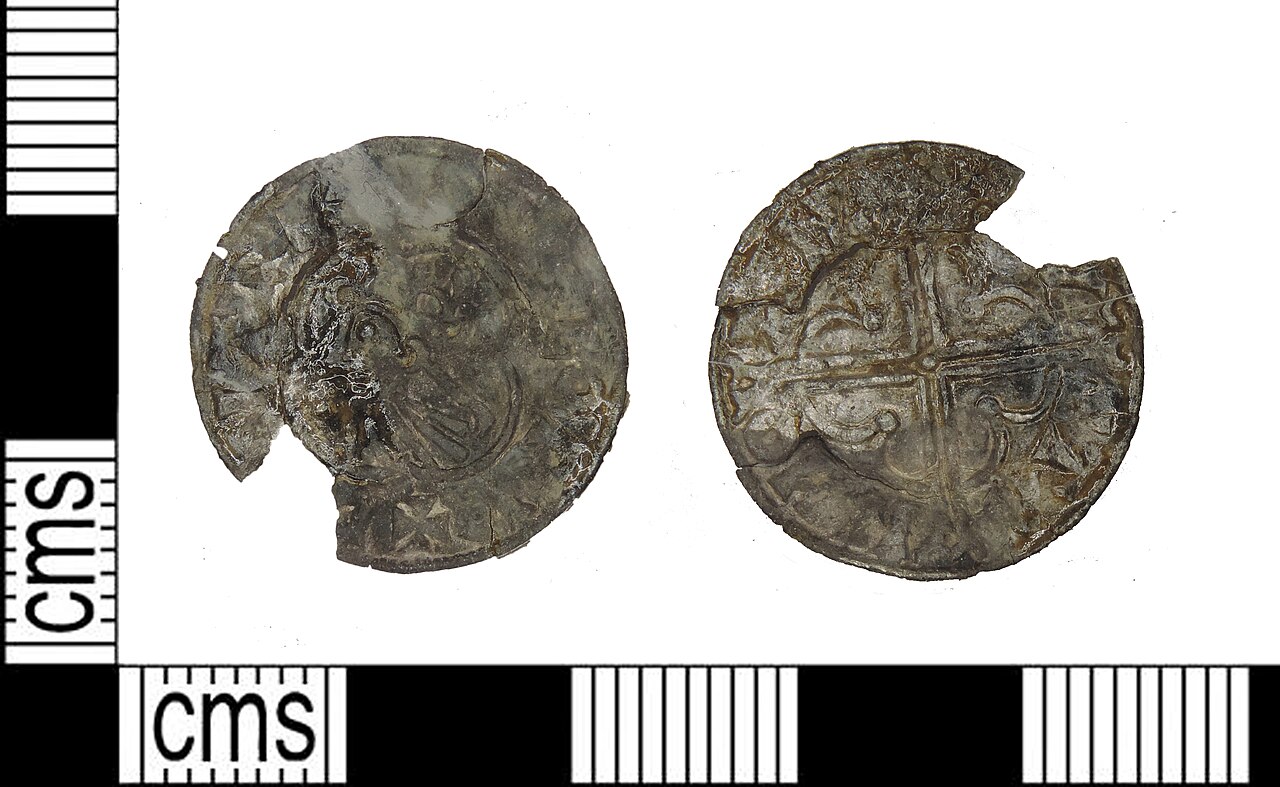 Artifact
Primary source
Silver Penny of Cnut (Quatrefoil Type)
English royal moneyers · c. 1017-1023
 Artifact
Primary source
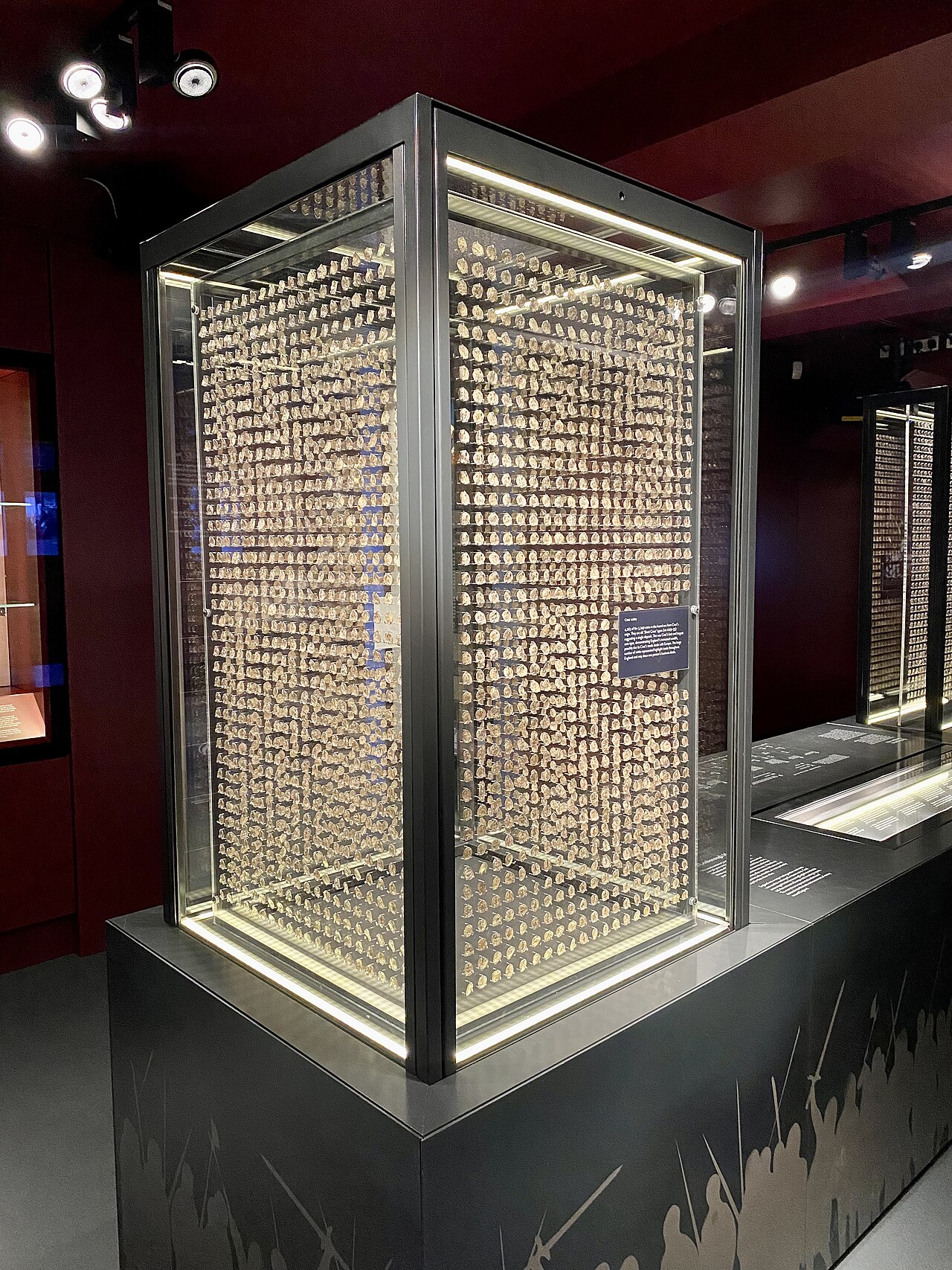
Lenborough Hoard
1020s (found 2014)

Free account
Read every Canute the Great source
Sign up free →
Ready when you are
Start chatting with Canute the Great now.
20 messages free · No credit card · Available in 50+ languages.