


Secondary sourceDocument1910
Shri Shankaracharya's Date and Doctrine
T. Subba Row · 1910
A 1910 theosophist essay by T. Subba Row debating the date and doctrines of Shankara, a later scholarly discussion rather than Shankara's own writing.
This later essay debates the dating and doctrines attributed to Shankara, reflecting ongoing scholarly disputes about him.
About this source
What it is
This is an essay titled Shri Shankaracharya's Date and Doctrine, written by T. Subba Row and published in 1910 as part of a collection of his esoteric writings by the Bombay Theosophical publication fund. It discusses debates over when Shankara lived and what his true philosophical teachings were.
Why it matters
This essay shows how, centuries after Shankara's lifetime, scholars and theosophists continued to argue about basic facts of his life and the nature of his philosophy. It criticizes European Orientalist scholars for what the author saw as careless or dismissive treatment of Indian traditions, revealing tensions between Western and Indian approaches to studying figures like Shankara.
Look closer
- Why does the author criticize European Orientalist scholars so strongly, and what does this reveal about his own point of view?
- What problems does the author identify in how dates and facts get passed between writers?
- How might disagreements over a figure's exact dates affect how we understand their legacy?
This document is part of the curated material that grounds the AI version of Adi Shankaracharya on Humy.ai — when students ask about related events, the AI can quote it and cite it.
More Adi Shankaracharya sources
Meet the AI Adi Shankaracharya →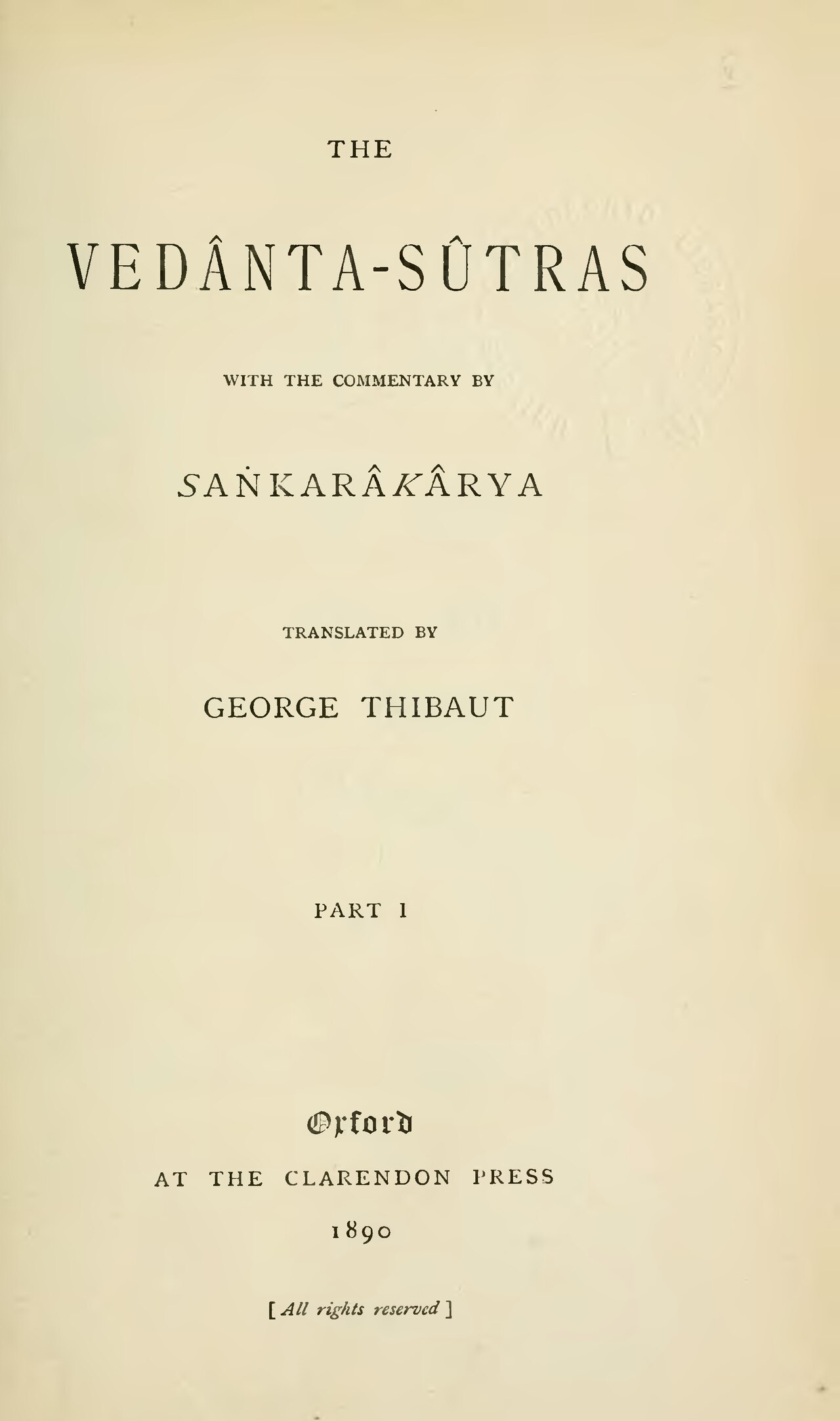 Book
Primary source
Brahma Sutra Bhashya
Adi Shankara · c. early 8th century
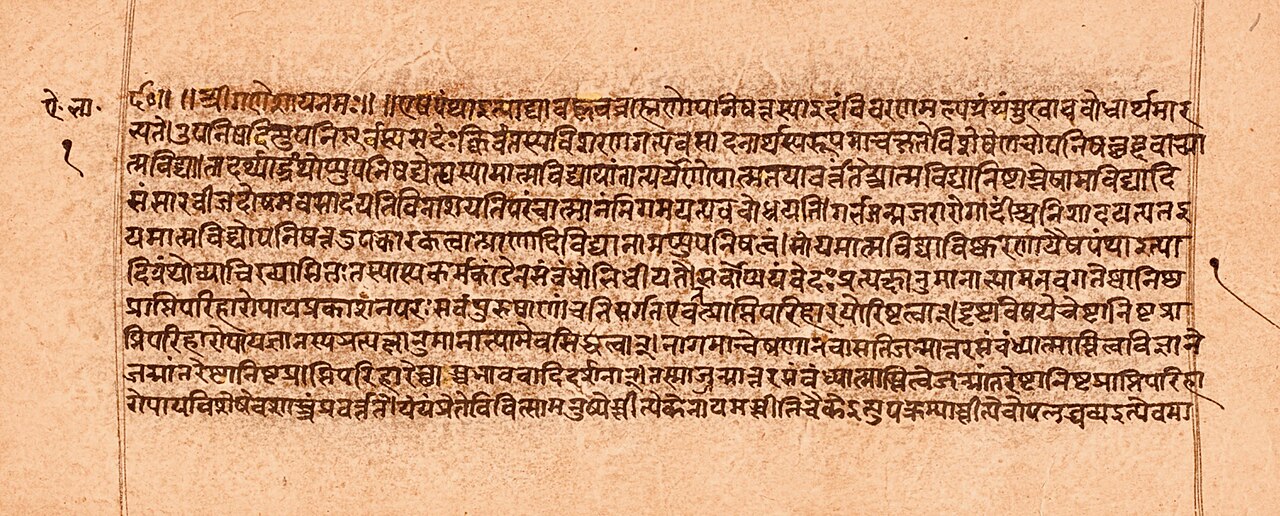 Document
Secondary source
Manuscript of Shankara's Aitareya Upanishad Commentary
1593 CE (manuscript copy)
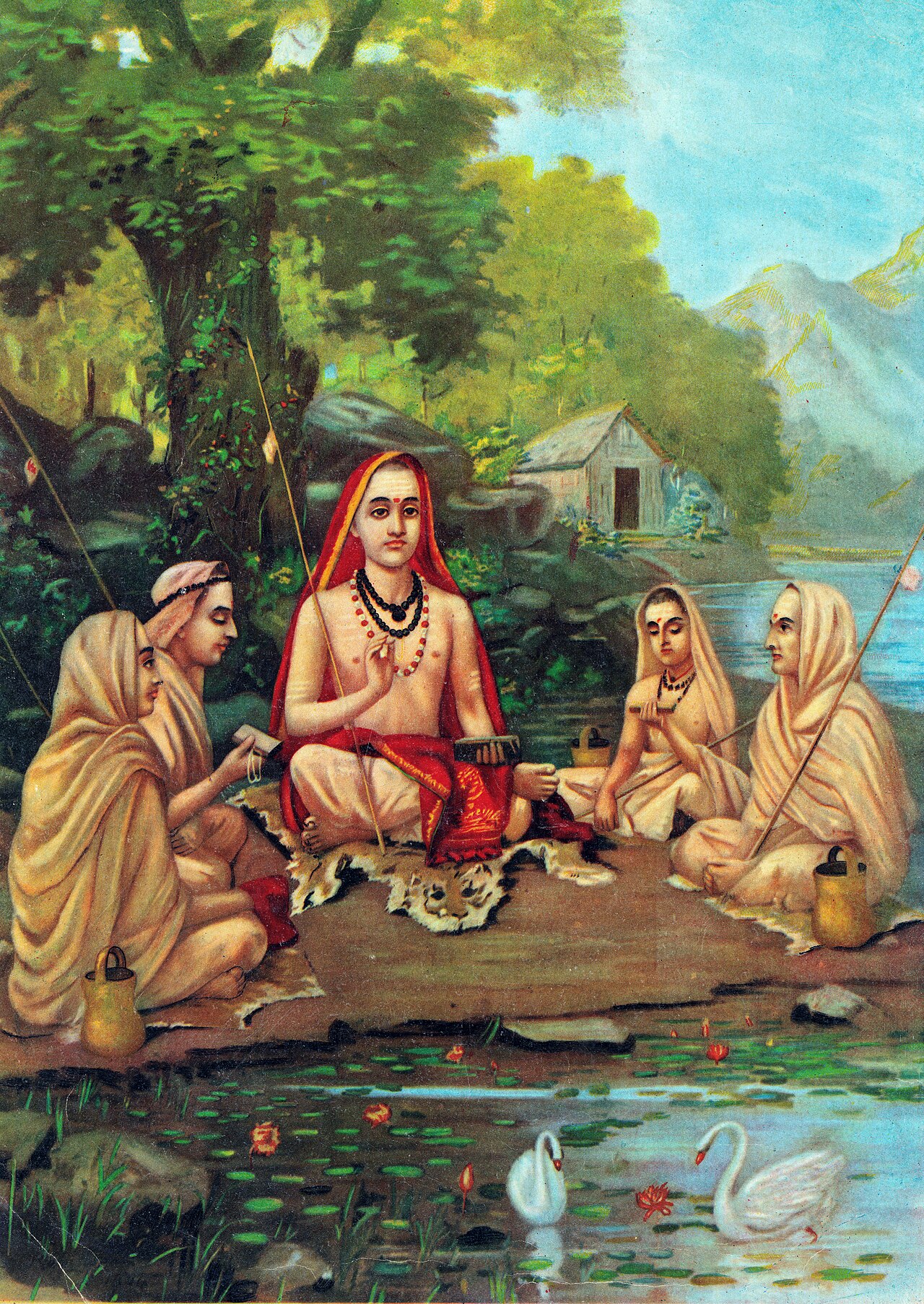 Painting
Secondary source
Portrait of Adi Shankara with Disciples
Raja Ravi Varma
 Artifact
Secondary source
Kedarnath Temple
traditionally 8th century
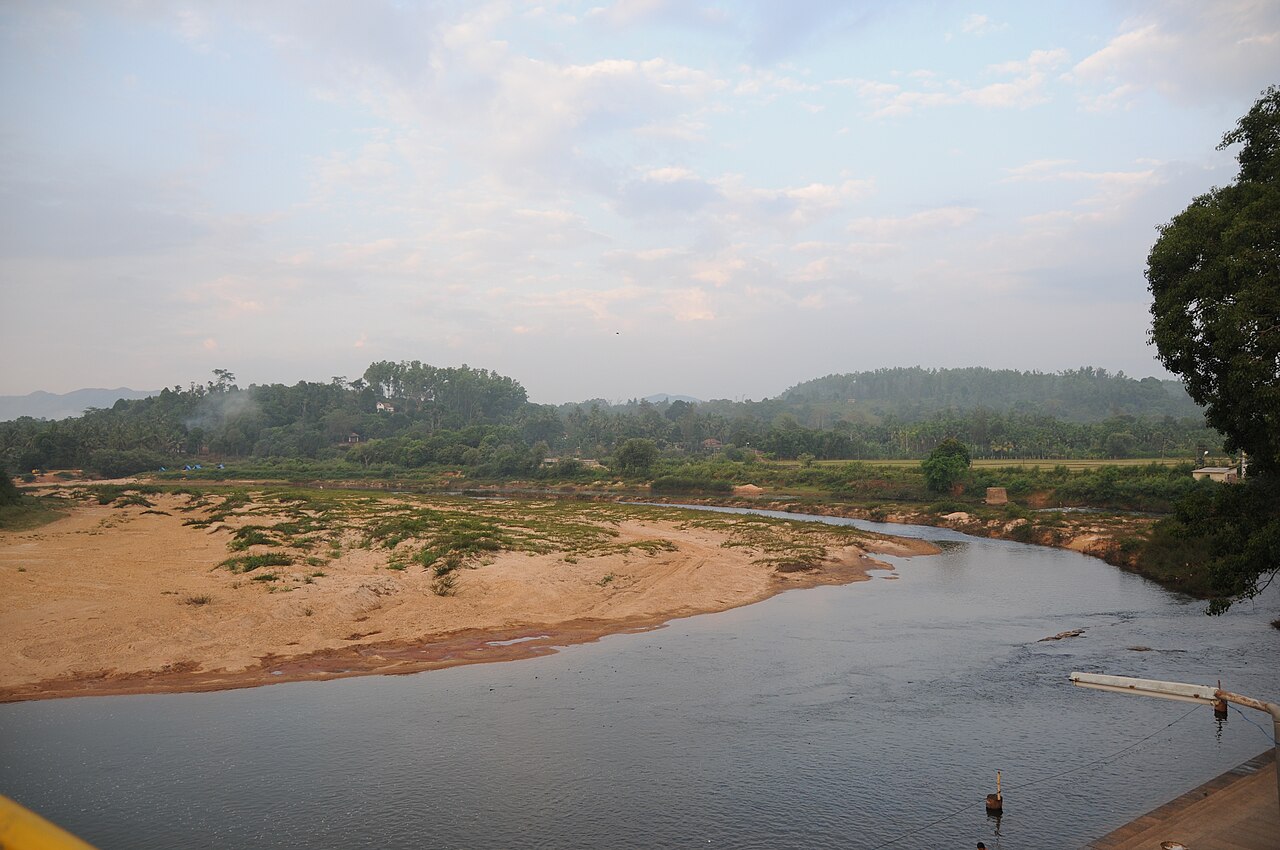 Artifact
Secondary source
Sringeri Sharada Peetham
traditionally 8th century; developed 14th century onward
Ready when you are
Start chatting with Adi Shankaracharya now.
20 messages free · No credit card · Available in 50+ languages.