


Primary sourceBook1922
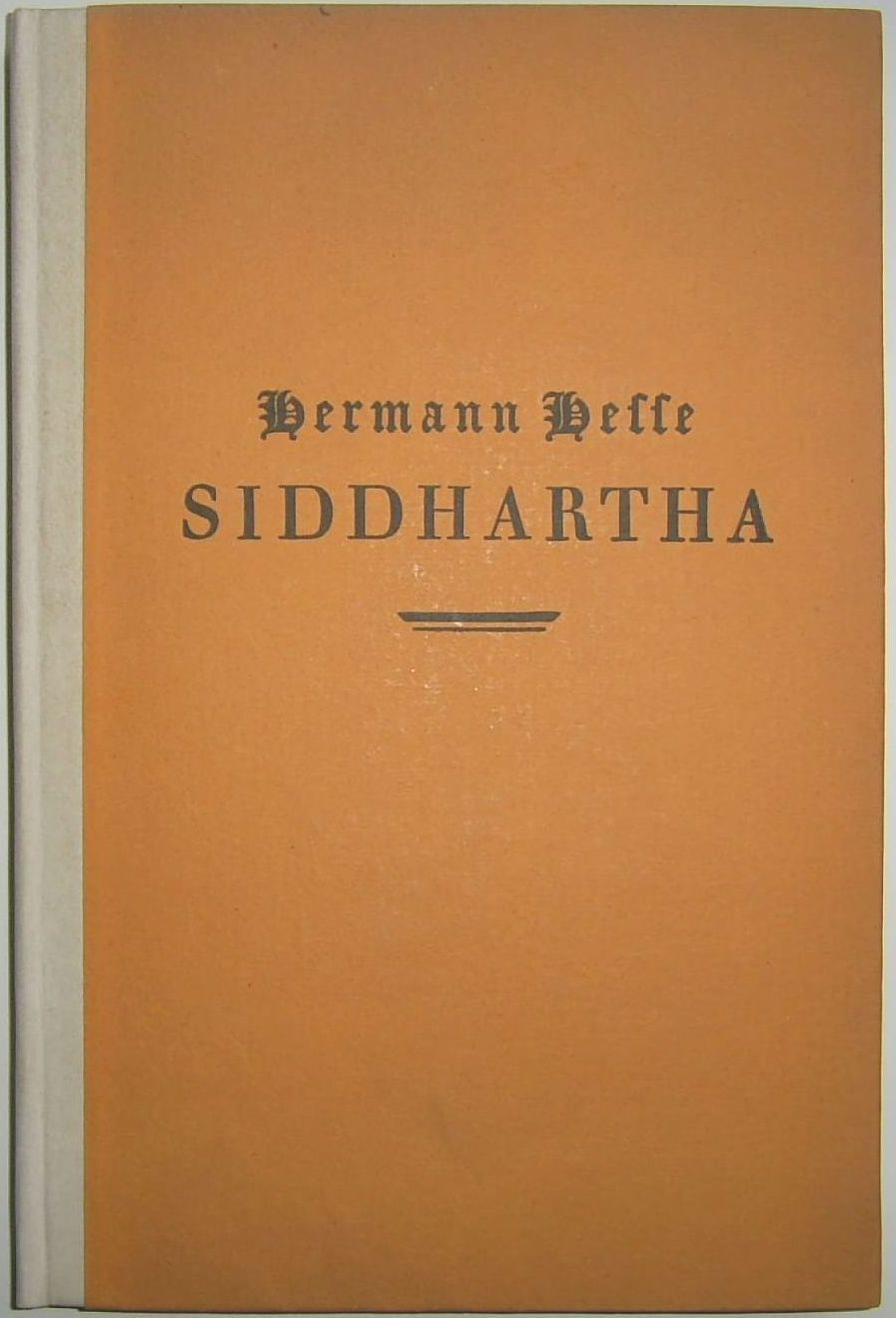
Siddhartha
Hermann Hesse · 1922
Hesse's 1922 novel about a seeker in ancient India who finds wisdom through lived experience rather than doctrine.
Siddhartha is Hesse's own novel, drawing on his family's missionary ties to India and his spiritual search.
Free Humy account · No credit card · 120,912 sources to read
About this source
What it is
Siddhartha is a novel by Hermann Hesse, published in full in October 1922 after an earlier partial publication in 1921. It is written in German and tells the story of a Brahmin's son during the time of the Buddha, who leaves home to search for spiritual meaning.
Why it matters
The book reflects Hesse's own family ties to missionary work in India and his personal spiritual search. It later became hugely popular, especially after its English translation reached readers in 1950s and 1960s America, where it influenced countercultural interest in Eastern philosophy.
Hesse dedicated the two parts of the book to the writer Romain Rolland and to his cousin Wilhelm Gundert, showing the personal relationships behind its creation.
Look closer
- Why might Hesse have chosen a 'simpler style' than his other writings for this book?
- What does the story suggest about the difference between learning from teachers and learning from experience?
- Why do you think this novel found new popularity decades after it was written?
This book is part of the curated material that grounds the AI version of Hermann Hesse on Humy.ai — when students ask about related events, the AI can quote it and cite it.
More Hermann Hesse sources
Browse all 92 →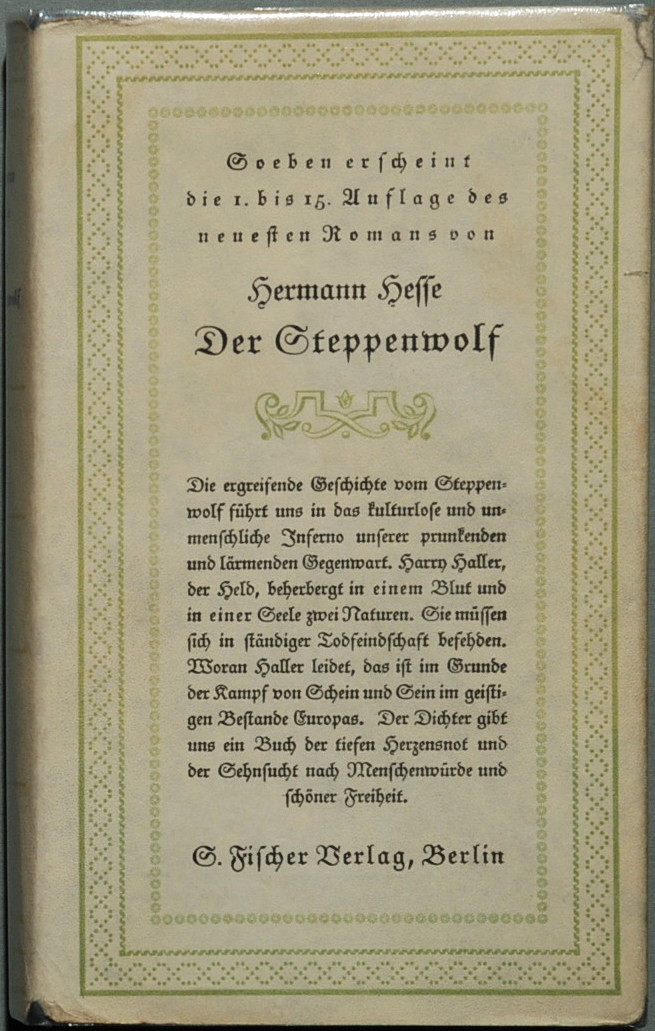 Book
Primary source
Steppenwolf
Hermann Hesse · 1927
 Book
Primary source
Demian
Hermann Hesse · 1919
 Photograph
Primary source
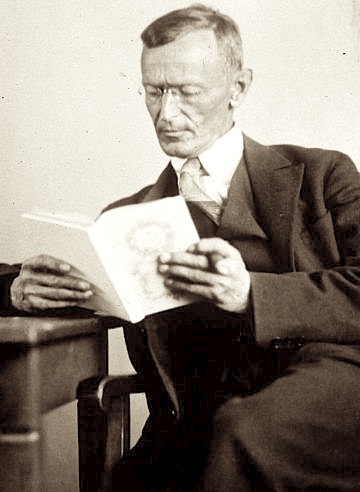
Portrait of Hermann Hesse, 1927
Gret Widmann · 1927
 Photograph
Primary source
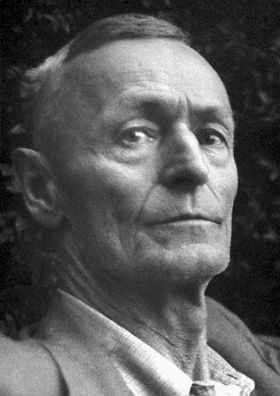
Portrait of Hermann Hesse, 1946
Nobel Foundation · 1946
Free account
Read every Hermann Hesse source
Sign up free →
Ready when you are
Start chatting with Hermann Hesse now.
20 messages free · No credit card · Available in 50+ languages.