


Primary sourceArtifact1557
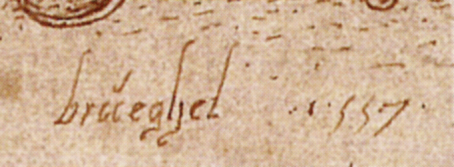
Signature and Date on Wrath
Pieter Bruegel the Elder · 1557
Bruegel's own signature and the date 1557 engraved on his Wrath print, part of the Seven Deadly Sins series.
This is Bruegel's own signature and date, direct physical proof of his authorship of the Wrath engraving.
About this source
What it is
This is a close-up of the signature and date on Bruegel's engraving Wrath (Ira), part of his Seven Deadly Sins series. It is dated 1557 and held in the Gabinetto dei Disegni e delle Stampe in Florence.
Why it matters
A signature and date on a print is a direct physical trace of the artist's own hand and working practice. It confirms Bruegel's authorship and places this print early in his career, showing he was already working on moralising subjects like the deadly sins.
Look closer
- Why would an artist sign and date a print rather than leave it anonymous?
- What might the full image of Wrath have shown, based on its subject?
- How does a small detail like a signature help historians prove who made something?
This artifact is part of the curated material that grounds the AI version of Pieter Bruegel the Elder on Humy.ai — when students ask about related events, the AI can quote it and cite it.
More Pieter Bruegel the Elder sources
Browse all 96 →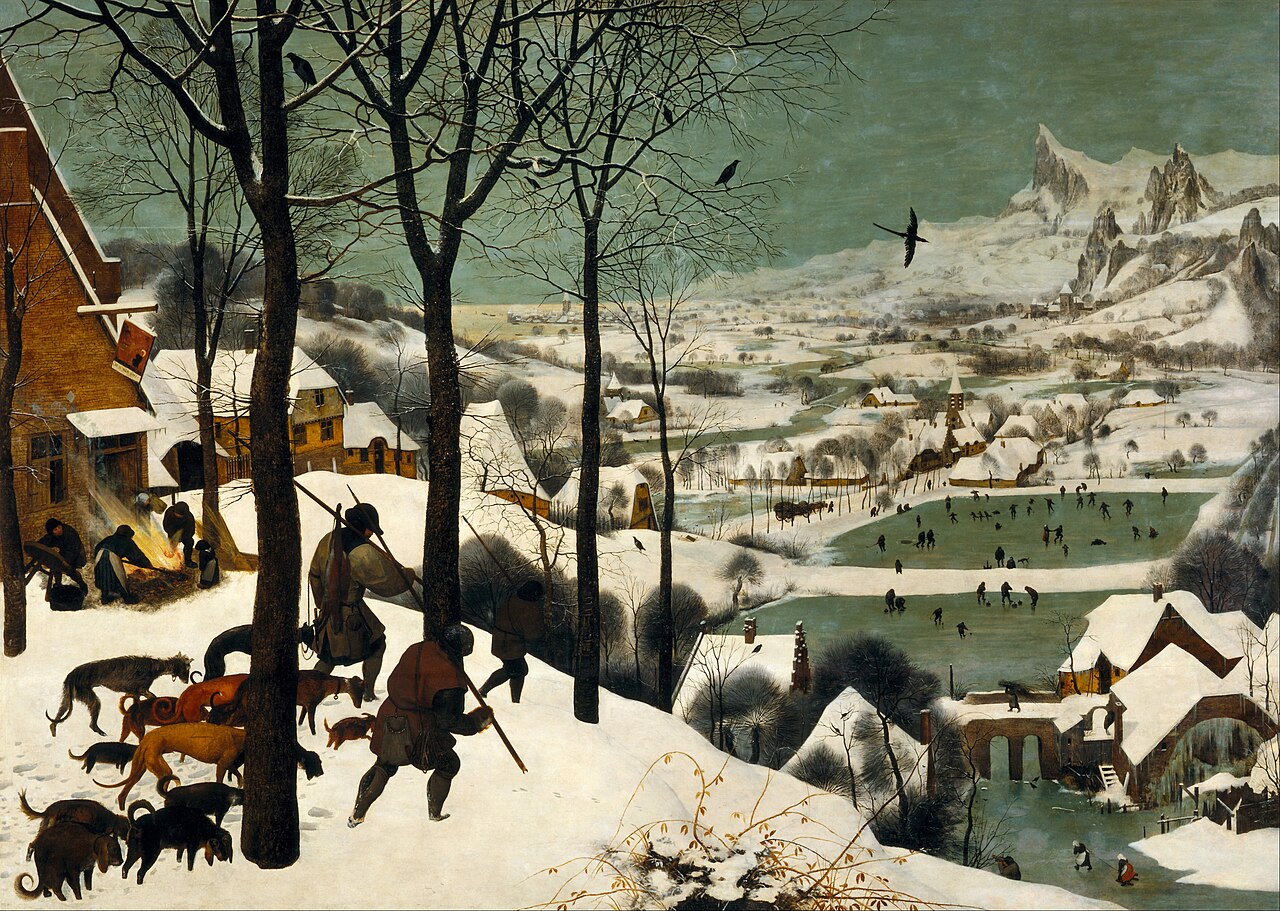 Painting
Primary source
The Hunters in the Snow
Pieter Bruegel the Elder · 1565
 Painting
Primary source
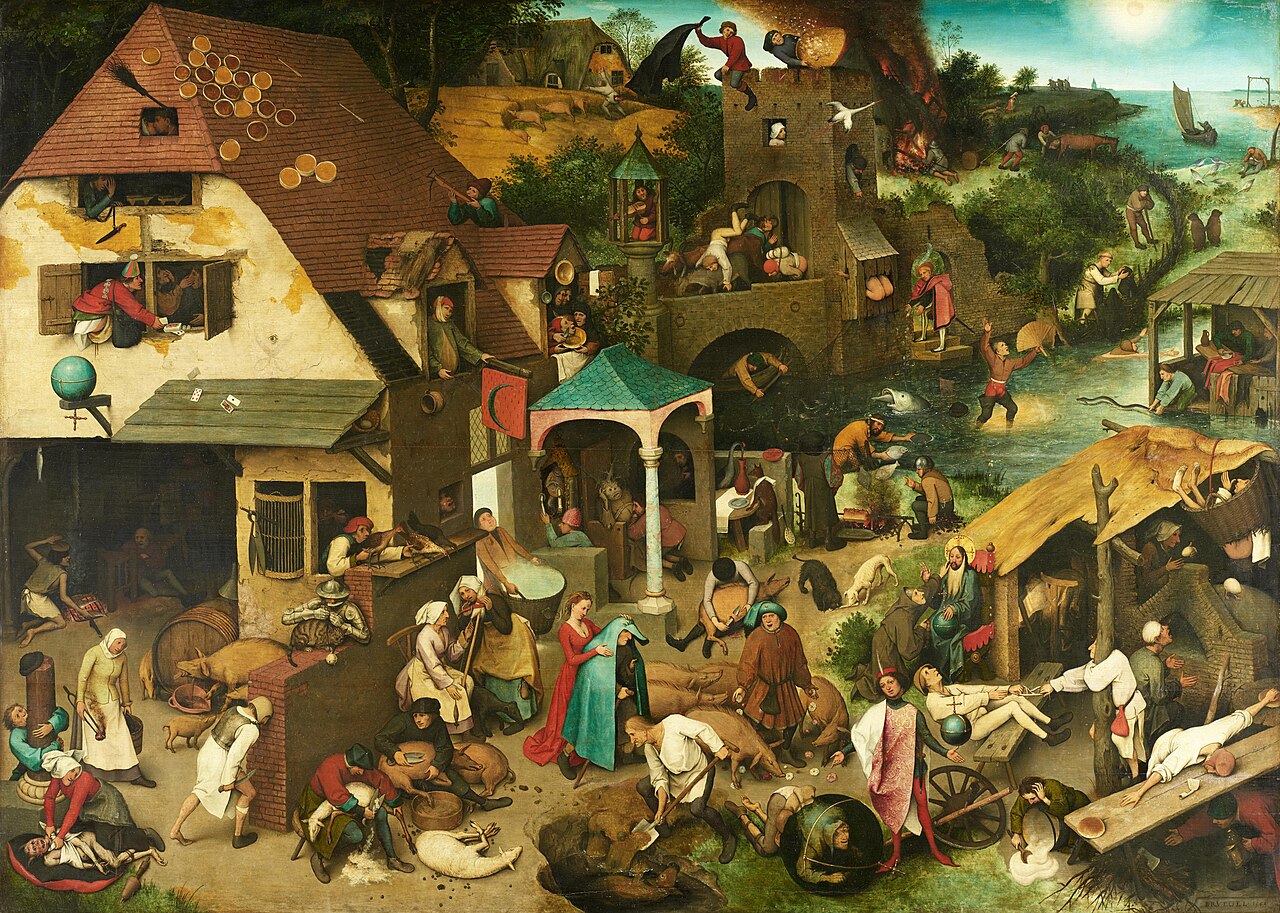
Netherlandish Proverbs
Pieter Bruegel the Elder · 1559
 Painting
Secondary source
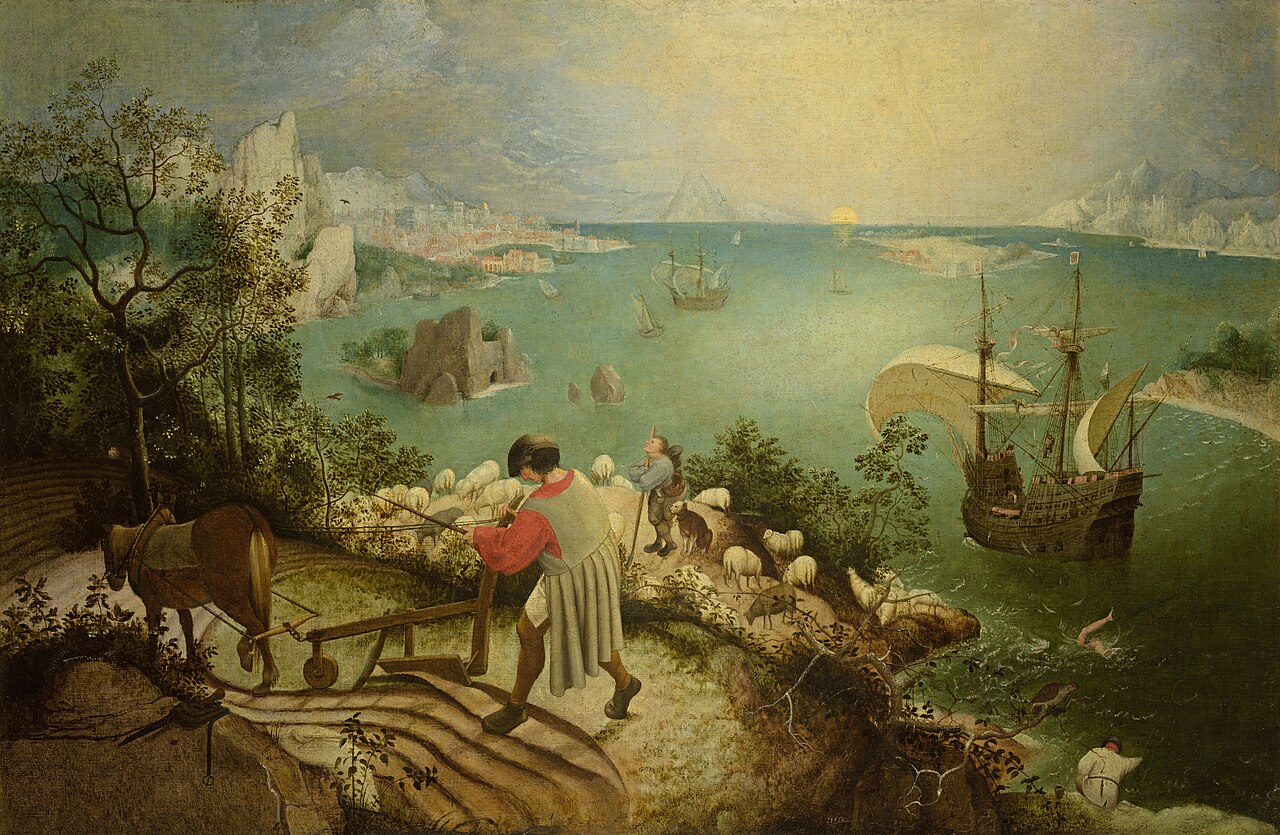
Landscape with the Fall of Icarus
Unknown (circle of Pieter Bruegel the Elder) · c. 1560s
 Painting
Primary source
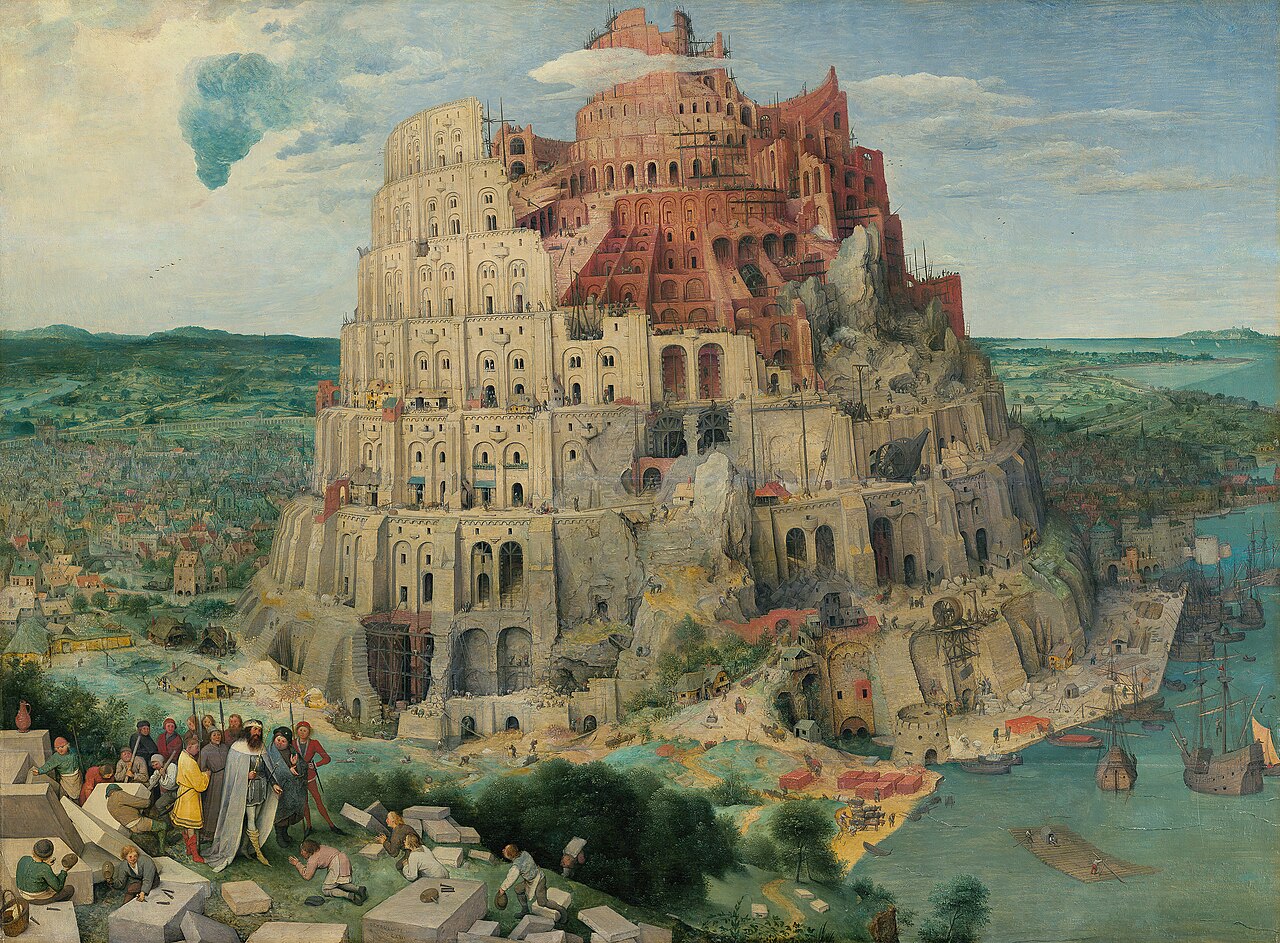
The Tower of Babel
Pieter Bruegel the Elder · 1563
Free account
Read every Pieter Bruegel the Elder source
Sign up free →
Ready when you are
Start chatting with Pieter Bruegel the Elder now.
20 messages free · No credit card · Available in 50+ languages.