


Primary sourceDocument
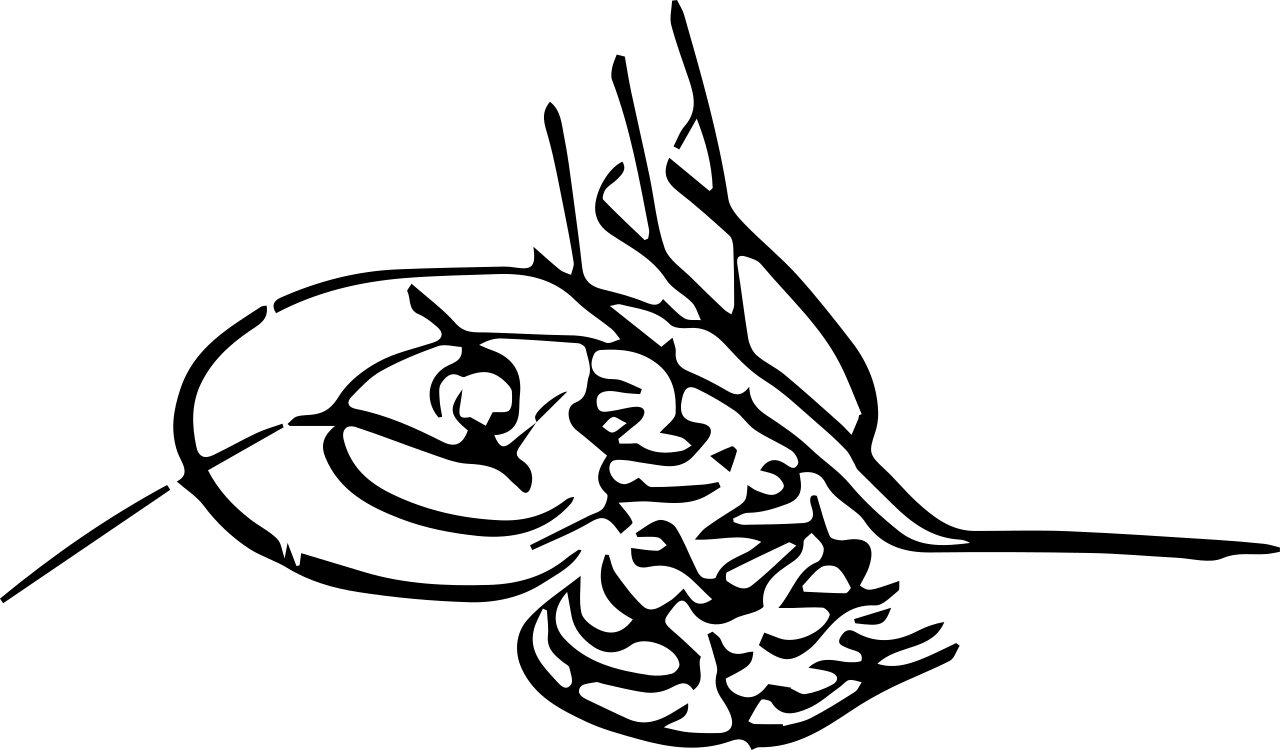
Signature of Abdülmecid I
The imperial tughra, or calligraphic monogram, of Sultan Abdülmecid I, used to authenticate his official documents and coins.
This is Abdülmecid I's own official monogram, used to authenticate his decrees and coins throughout his reign.
About this source
What it is
This is the tughra of Abdülmecid I, the ornate calligraphic monogram that served as his official signature. Every Ottoman sultan had his own tughra, drawn by trained court calligraphers rather than written by hand like a normal signature.
Why it matters
The tughra was stamped or painted onto firmans (decrees), coins, and official buildings to show that they carried the sultan's authority. It was both a legal mark and a piece of art, showing how Ottoman rulers merged power with beauty and tradition.
Look closer
- What shapes can you pick out in the design, and how do they fit together?
- Why might a ruler want a unique, hard-to-copy symbol instead of a simple written name?
- Where would you expect to see a mark like this used today?
This document is part of the curated material that grounds the AI version of Abdülmecid I on Humy.ai — when students ask about related events, the AI can quote it and cite it.
More Abdülmecid I sources
Browse all 85 →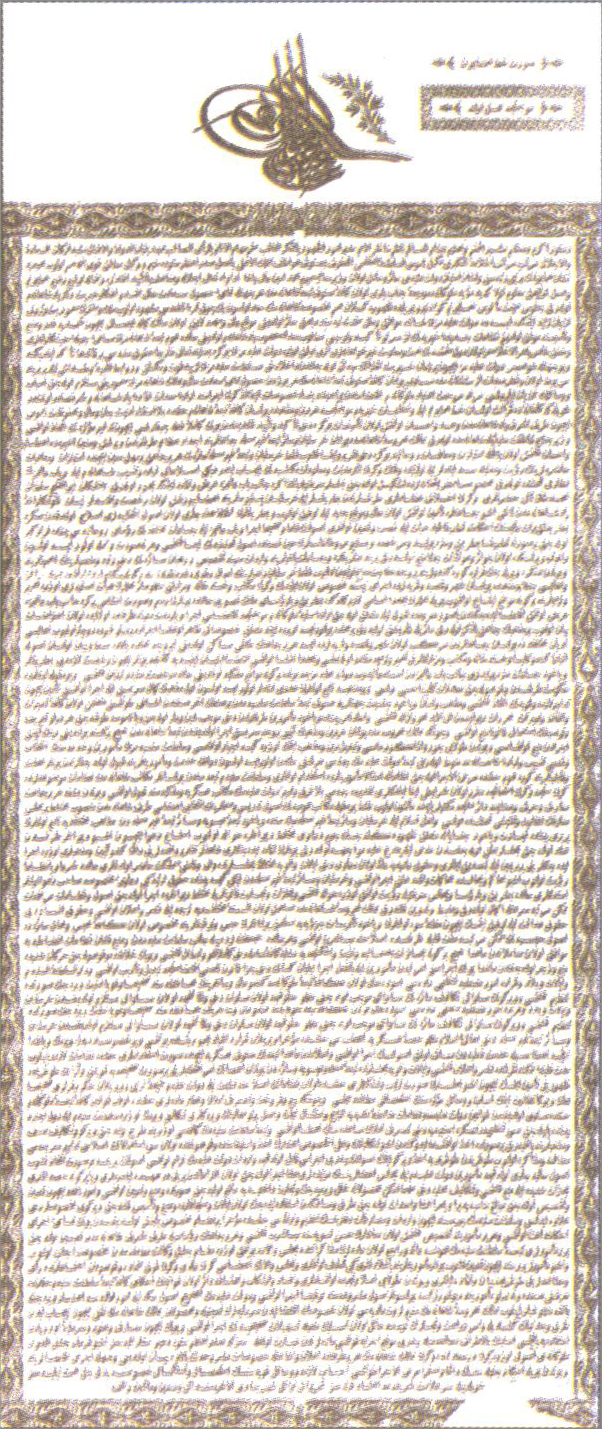 Document
Primary source
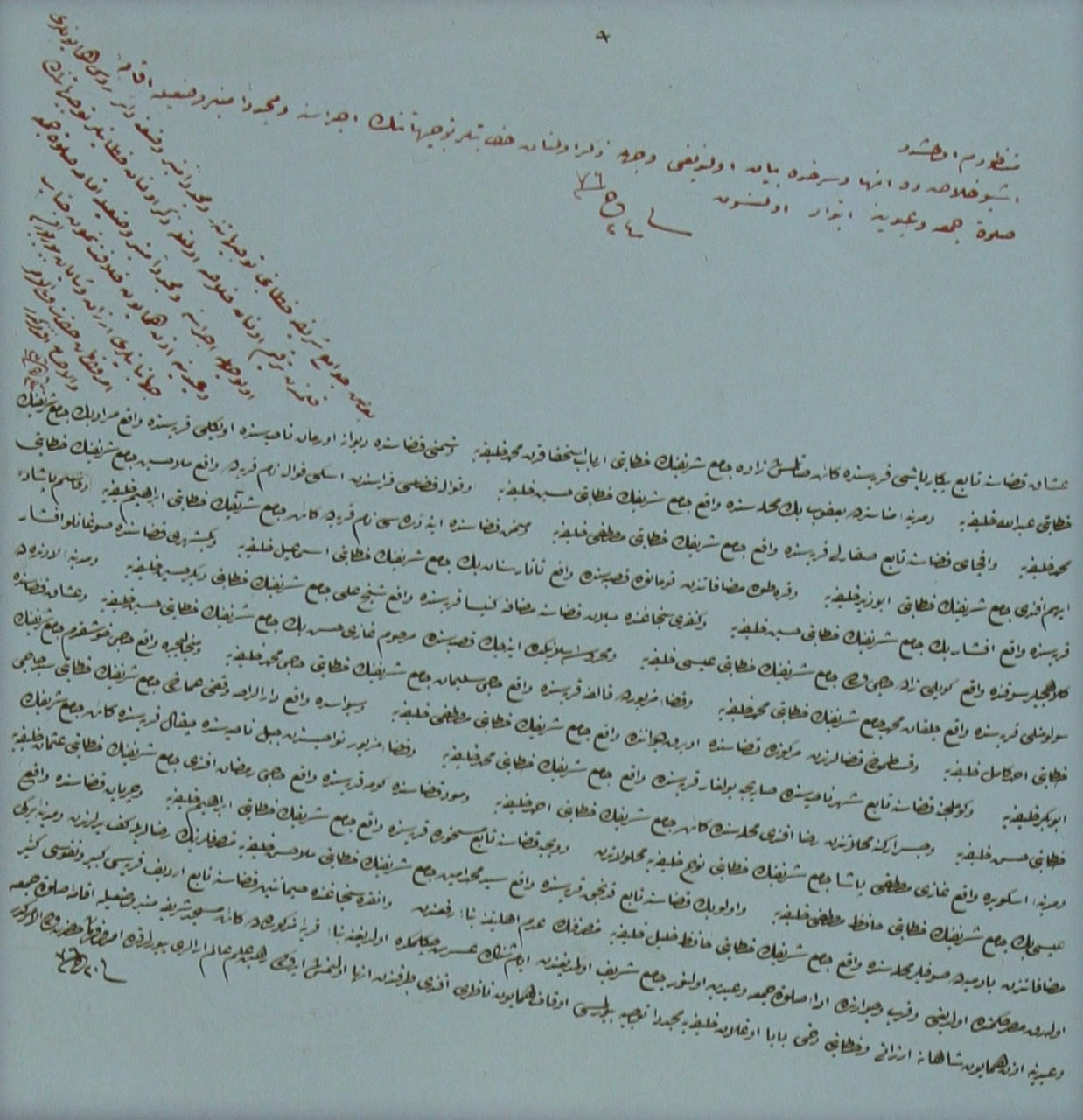
Edict of Gülhane
Abdülmecid I; drafted by Mustafa Reşid Pasha · 3 November 1839
Primary source
Treaty of Paris (1856)
30 March 1856
 Artifact
Secondary source
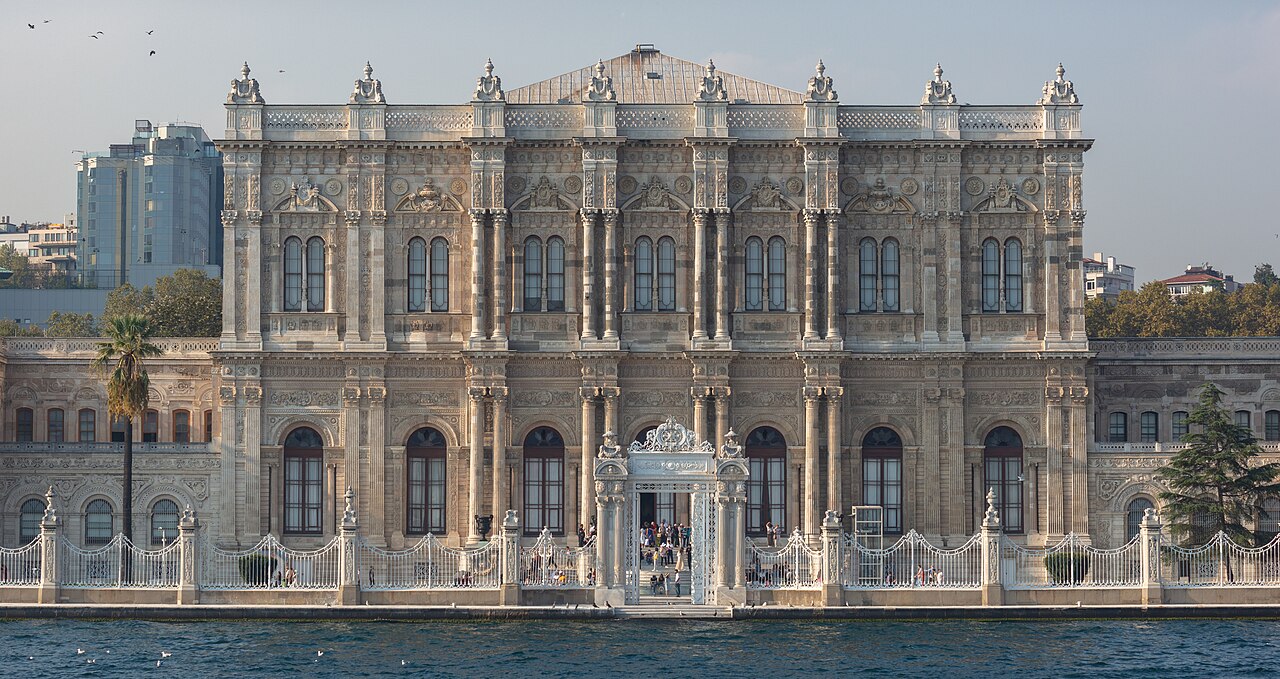
Dolmabahçe Palace
Garabet Balyan, Nigoğayos Balyan, Evanis Kalfa · 1823
 Painting
Primary source
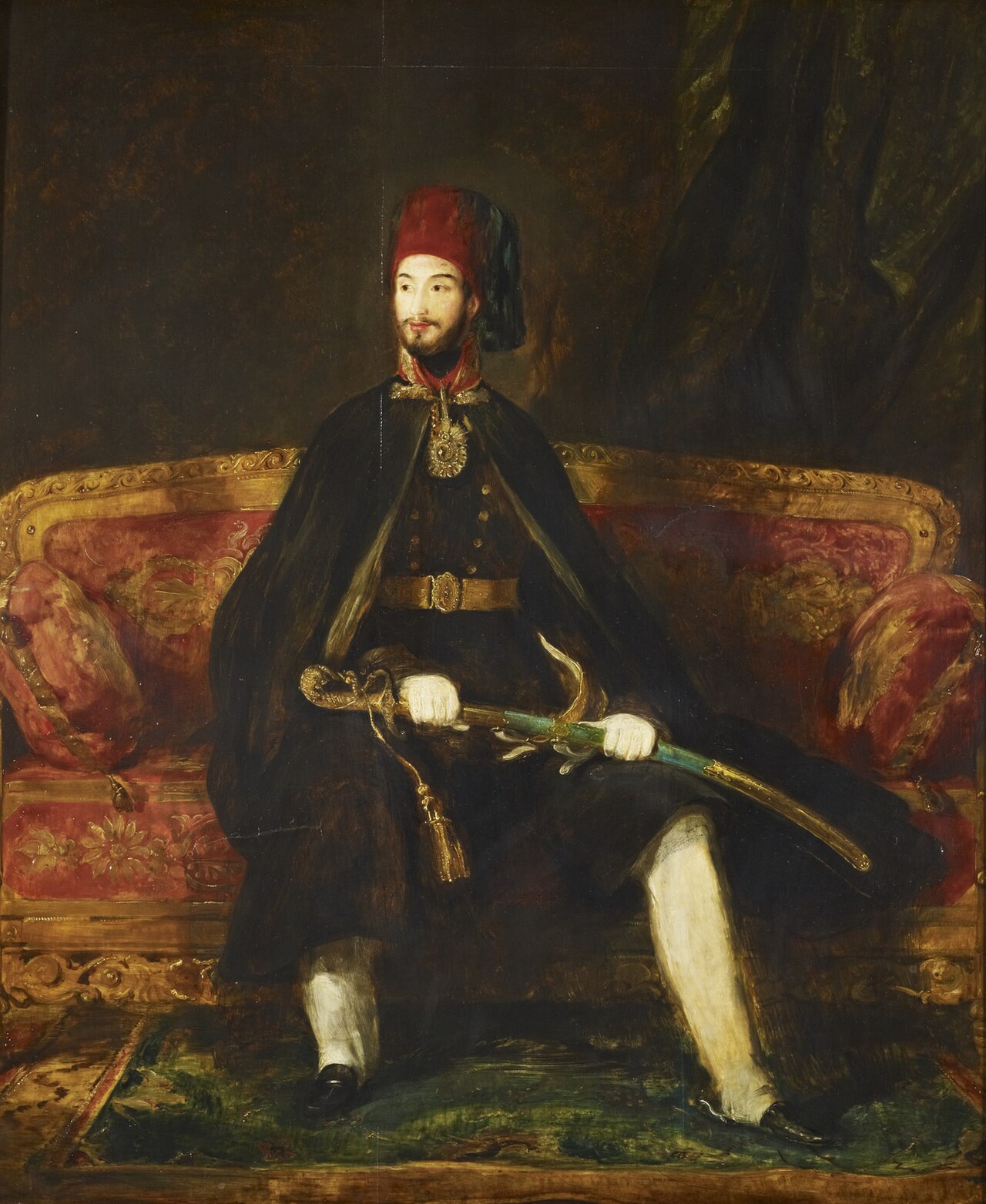
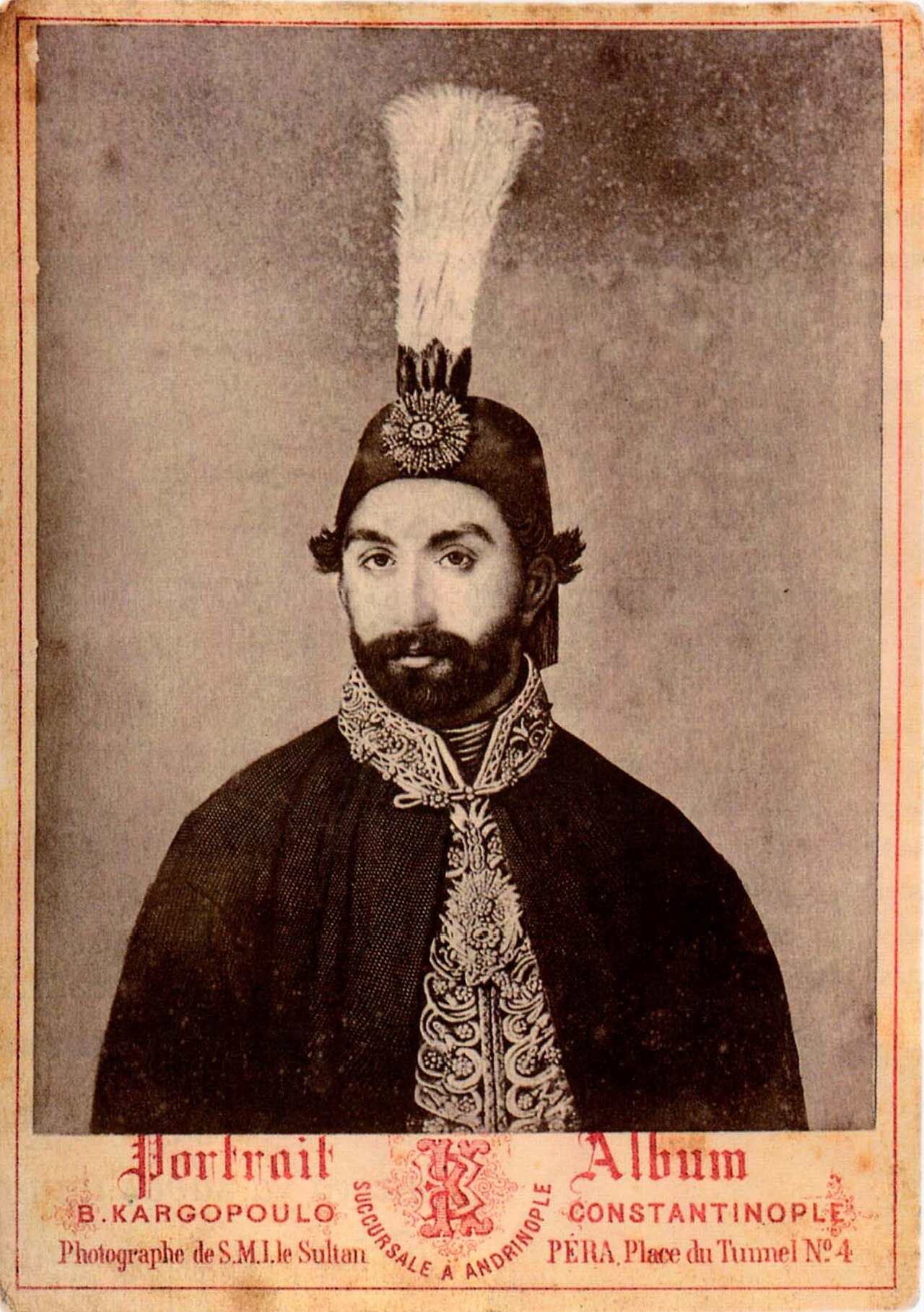
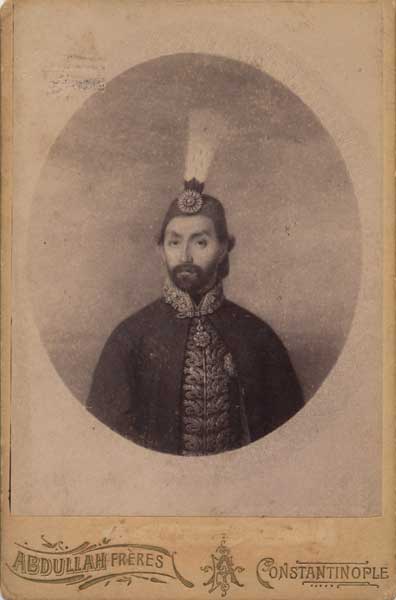
Portrait of Abdülmecid I
David Wilkie · 1840
Free account
Read every Abdülmecid I source
Sign up free →
Ready when you are
Start chatting with Abdülmecid I now.
20 messages free · No credit card · Available in 50+ languages.