


Primary sourceDocument1503
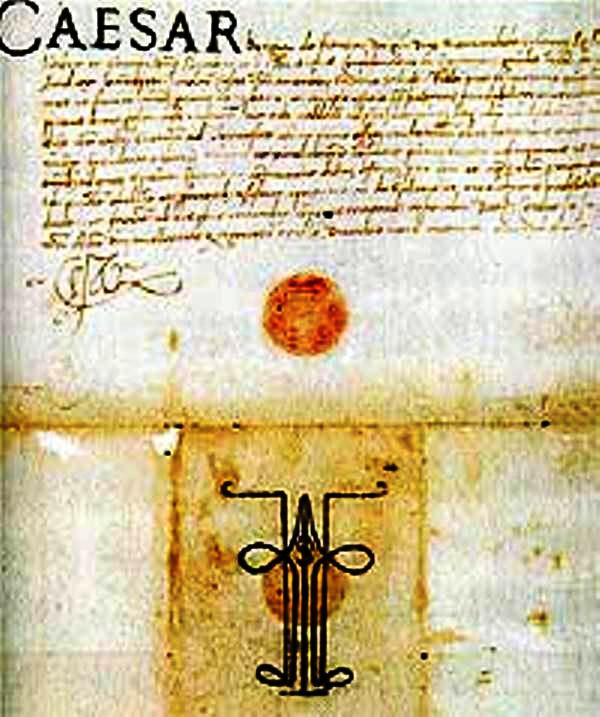
Signature of Cesare Borgia
Cesare Borgia · 1503
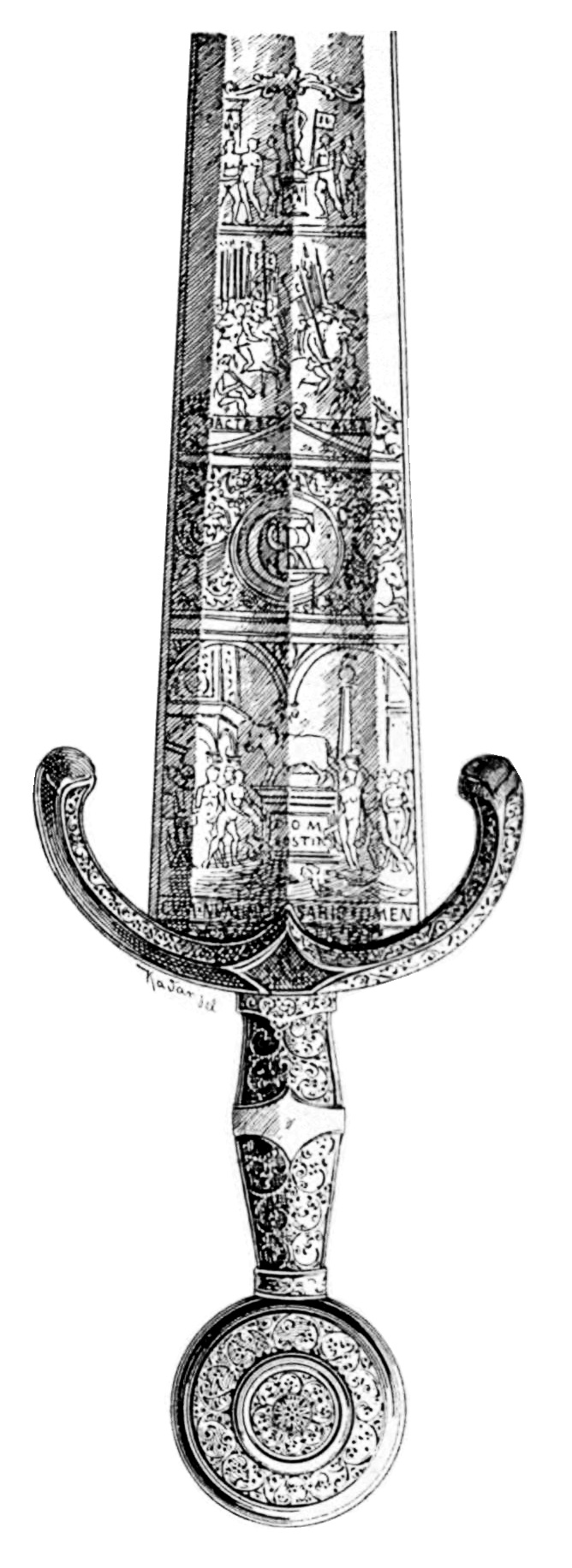
Cesare Borgia's handwritten signature on a 1503 document confirming an appointment, a direct trace of his authority as Duke.
This is Cesare Borgia's own signature, showing his direct exercise of authority as Duke of Romagna.
About this source
What it is
This is a manuscript document from 1503 bearing the handwritten signature of Cesare Borgia, along with a red wax seal and an ornate monogram. In the document, Cesare confirms Gianpietro de Imola as vicar of the castle of Mordono. The piece is part of a private collection acquired at auction in Germany.
Why it matters
Signatures and seals like this were the practical tools of governance in Renaissance Italy, used to confirm appointments and assert authority. This document shows Cesare Borgia actively exercising his power as Duke of Romagna, confirming officials under his control.
Look closer
- What does the formality of the seal and signature suggest about how official documents were meant to be trusted?
- Why might a document like this survive while many letters do not?
- What does this document not tell us about the people whose lives were affected by Cesare's rule?
This document is part of the curated material that grounds the AI version of Cesare Borgia on Humy.ai — when students ask about related events, the AI can quote it and cite it.
More Cesare Borgia sources
Browse all 51 →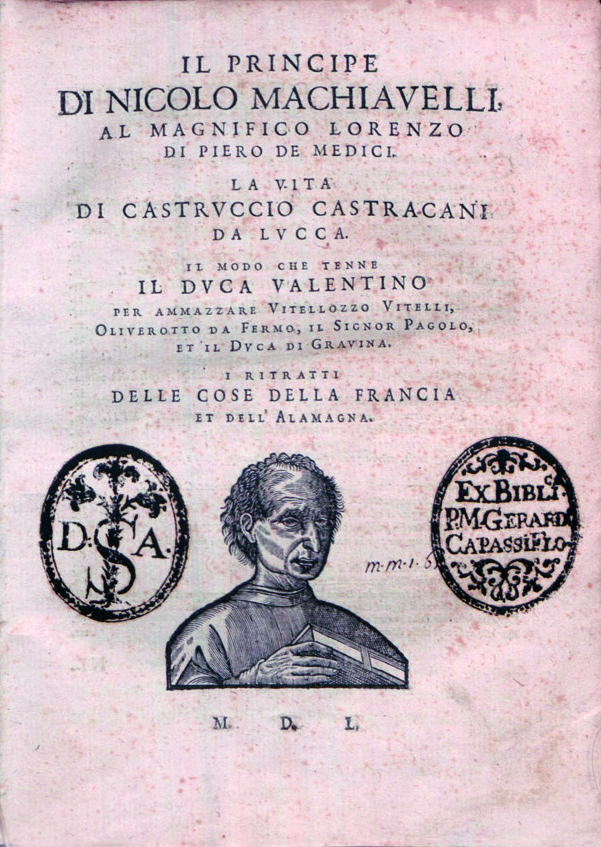 Book
Primary source
The Prince
Niccolò Machiavelli · 1513
 Book
Primary source
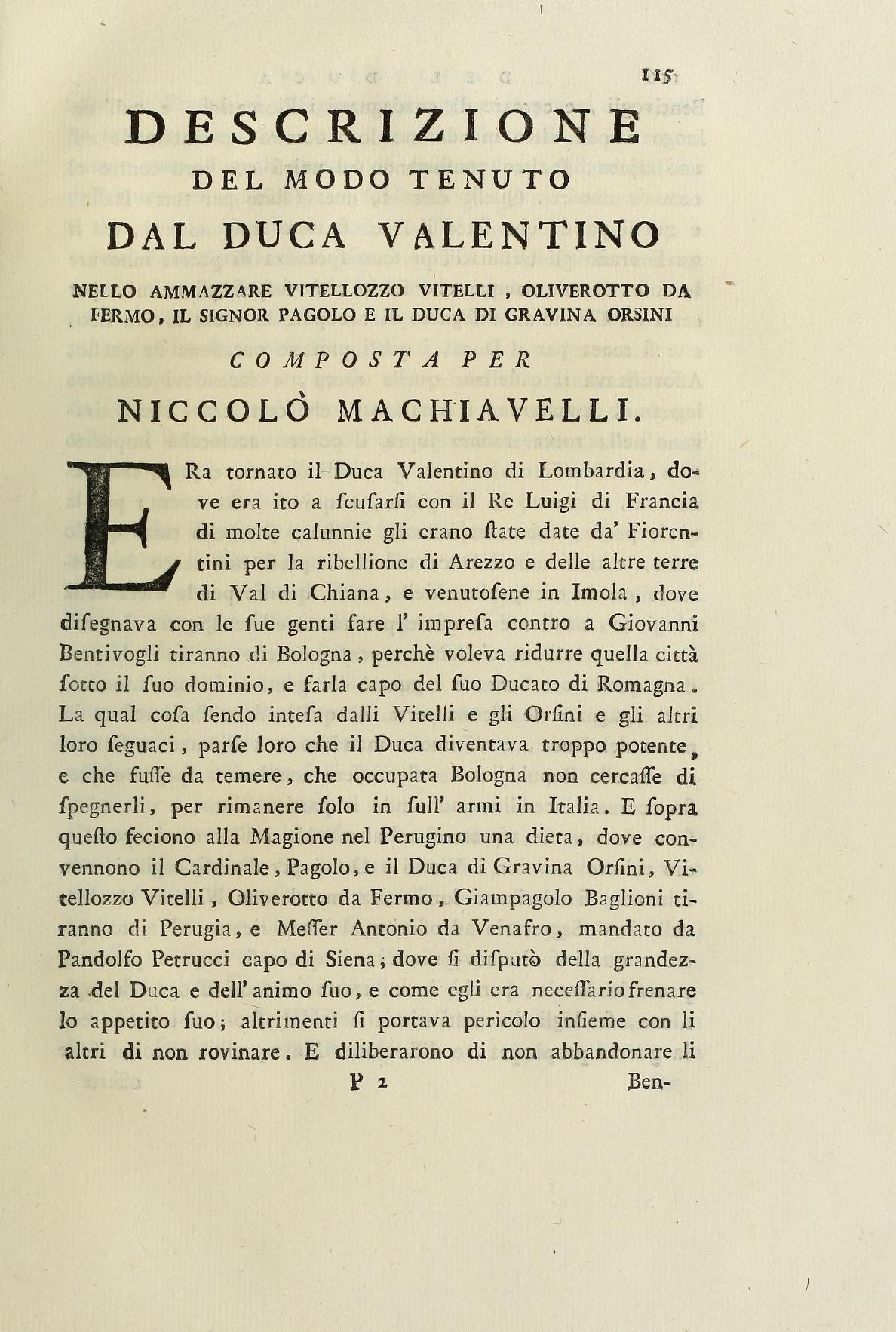
Description of the Manner in which Duke Valentino put Vitellozzo Vitelli, Oliverotto da Fermo, Lord Pagolo and the Duke of Gravina to Death
Niccolò Machiavelli · 1502-1503 (printed 1532)
 Document
Primary source
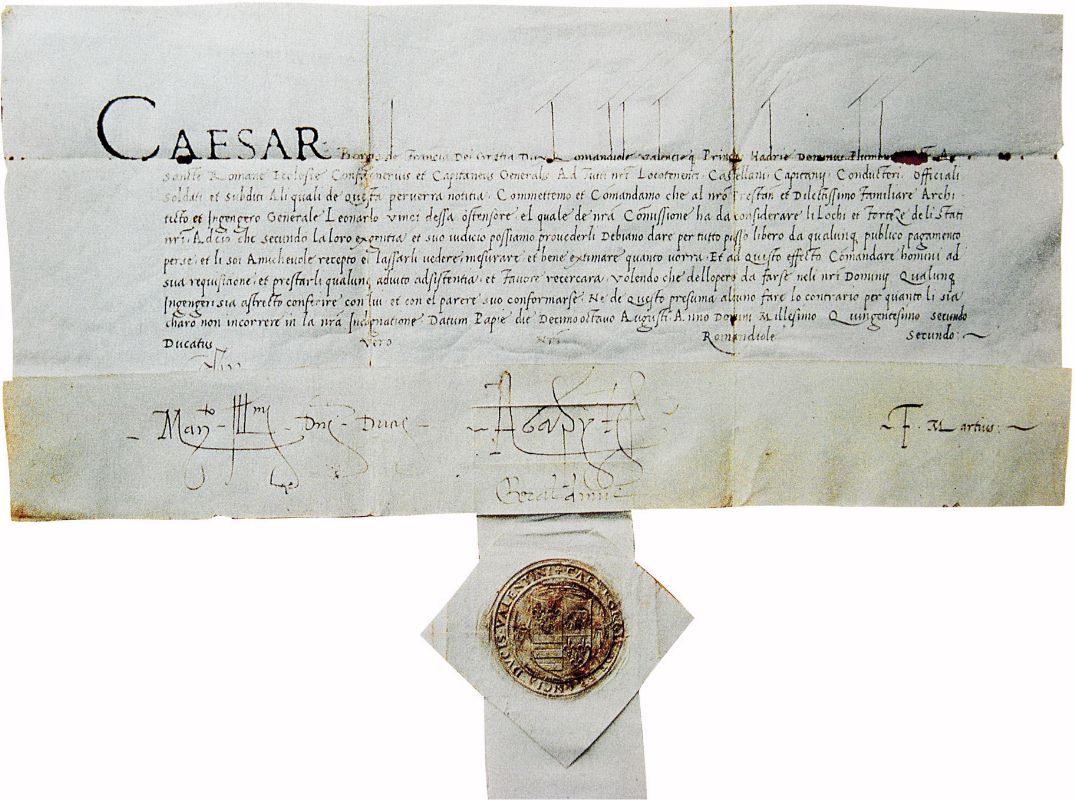
Safe-Conduct from Cesare Borgia
Cesare Borgia · 1502
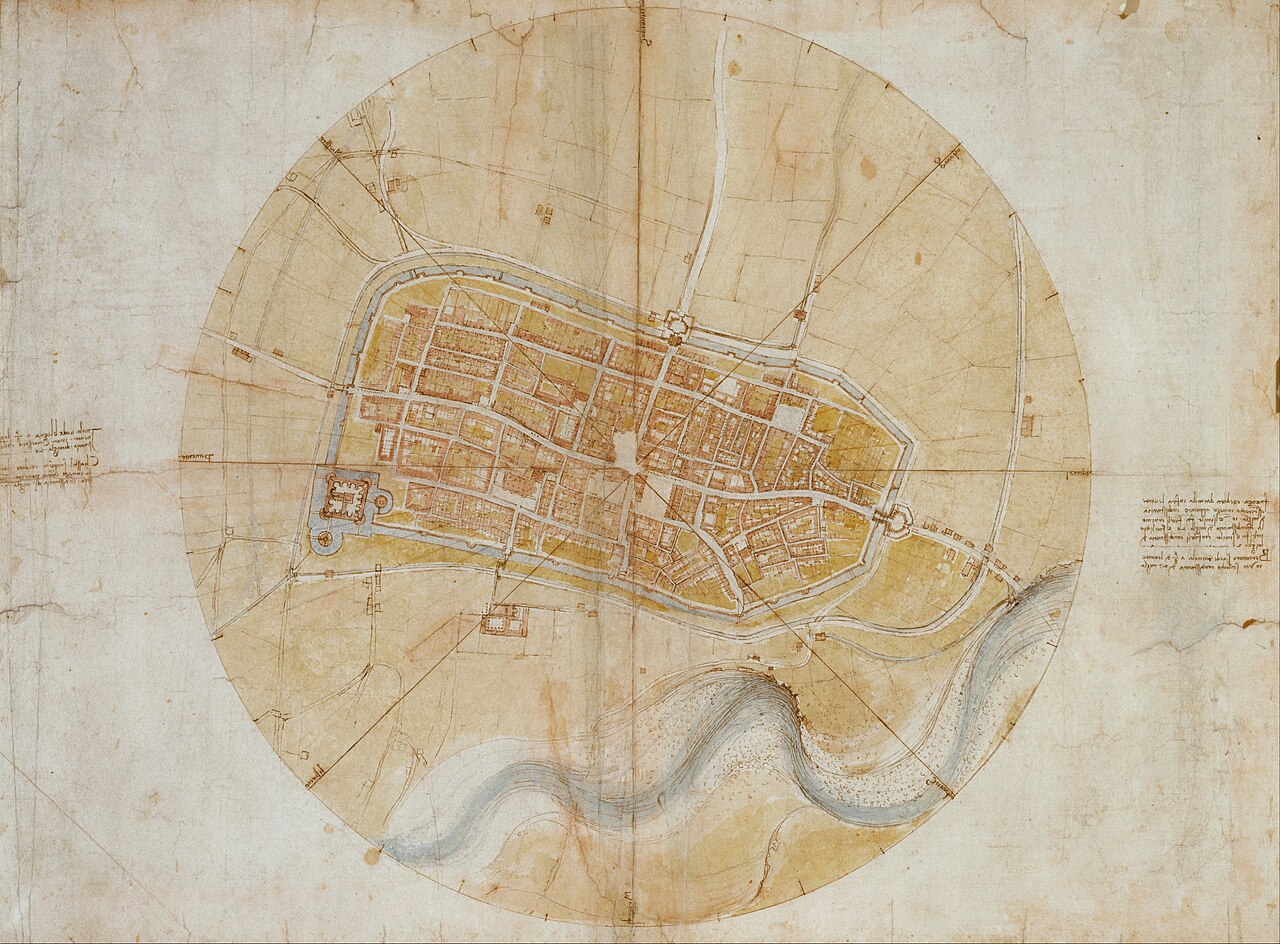 Artifact
Primary source
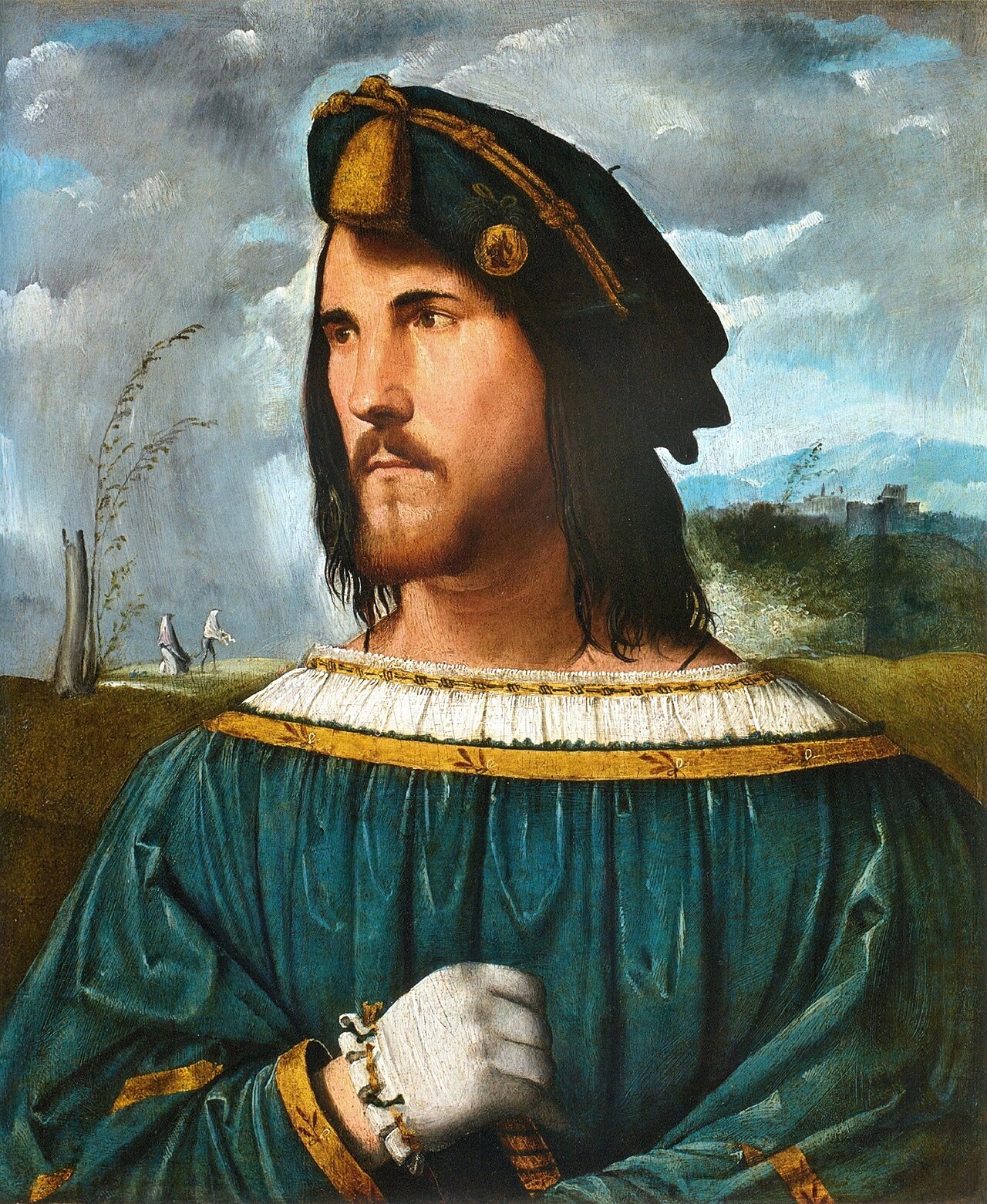
Leonardo da Vinci's Map of Imola
Leonardo da Vinci · 1502
Free account
Read every Cesare Borgia source
Sign up free →
Ready when you are
Start chatting with Cesare Borgia now.
20 messages free · No credit card · Available in 50+ languages.