


Primary sourceDocument
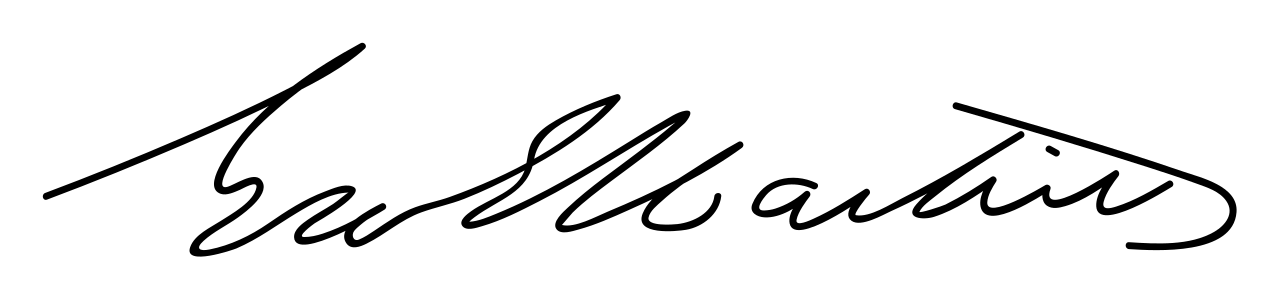
Signature of George-Étienne Cartier
George-Étienne Cartier
Cartier's own handwritten signature, as used on the official documents of his ministries.
This is Cartier's own signature, used on the official documents of his ministries.
About this source
What it is
This is the autograph signature of George-Étienne Cartier, shown here as a single flowing cursive stroke with a looped tail. It is the signature he used on official documents during his time in government.
Why it matters
A signature is a direct, personal trace of a historical figure, written by their own hand. Because Cartier used this signature on official ministerial documents, it is tied to his real political authority and decisions, not just his name.
Look closer
- What can the style of a signature — its flow, size, or flourishes — tell you about a person?
- Why do official documents require a handwritten signature rather than a printed name?
- How is a signature different from other kinds of historical evidence, like a photograph or a letter?
This document is part of the curated material that grounds the AI version of George-Étienne Cartier on Humy.ai — when students ask about related events, the AI can quote it and cite it.
More George-Étienne Cartier sources
Meet the AI George-Étienne Cartier →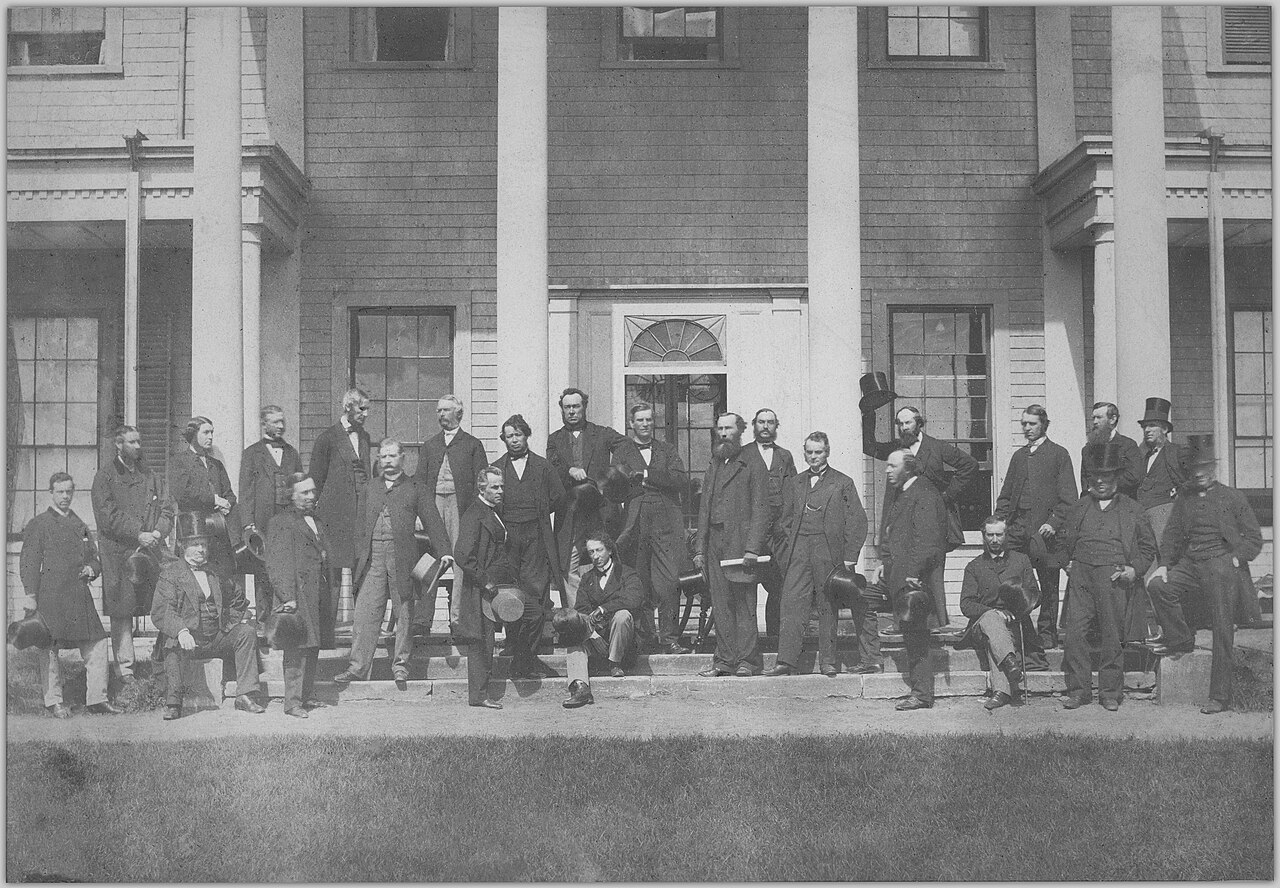 Photograph
Primary source
Charlottetown Conference Delegates, September 1864
George P. Roberts · September 1864
 Painting
Secondary source
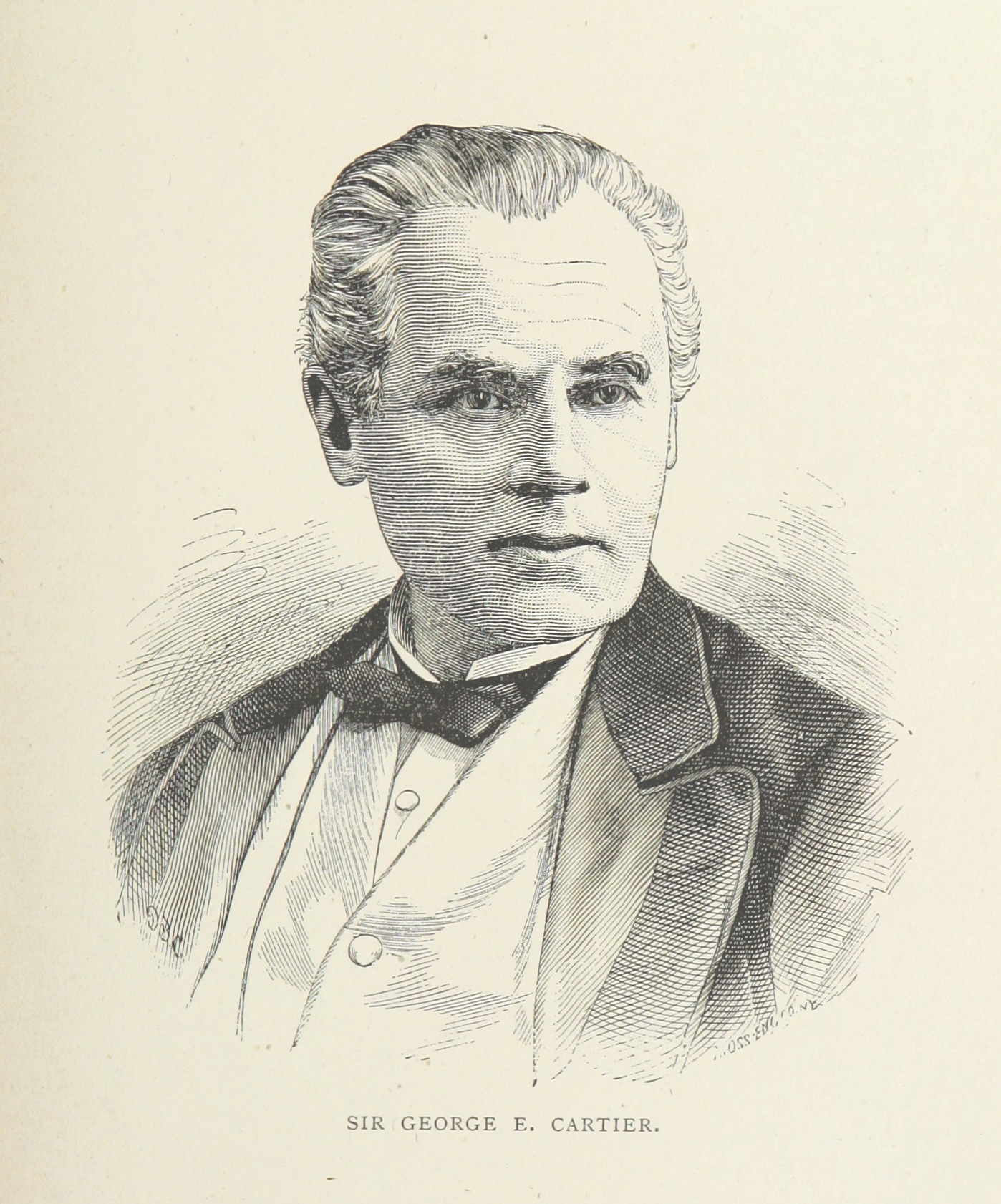
George E. Cartier Engraving
1885
 Document
Primary source
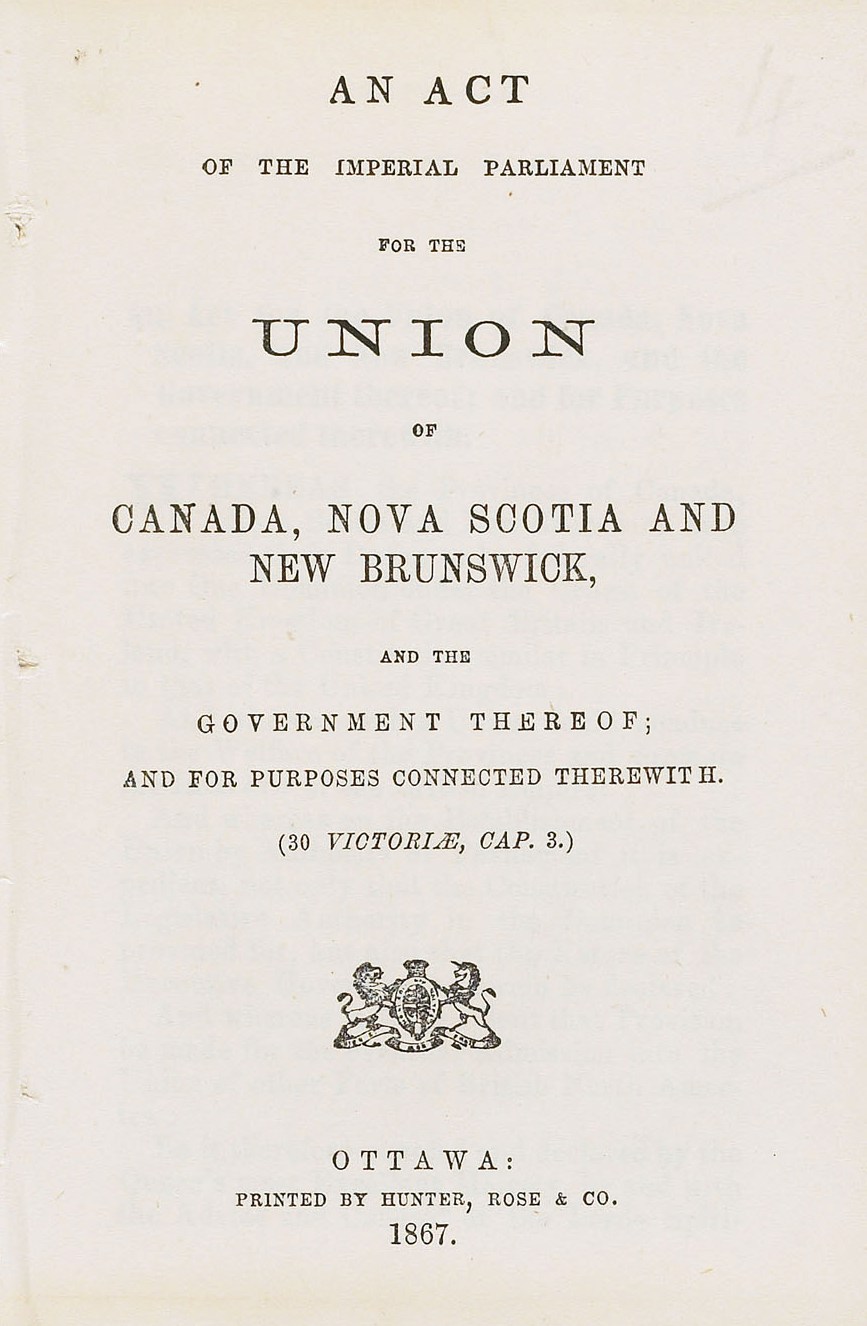
Constitution Act, 1867
1867
 Photograph
Primary source
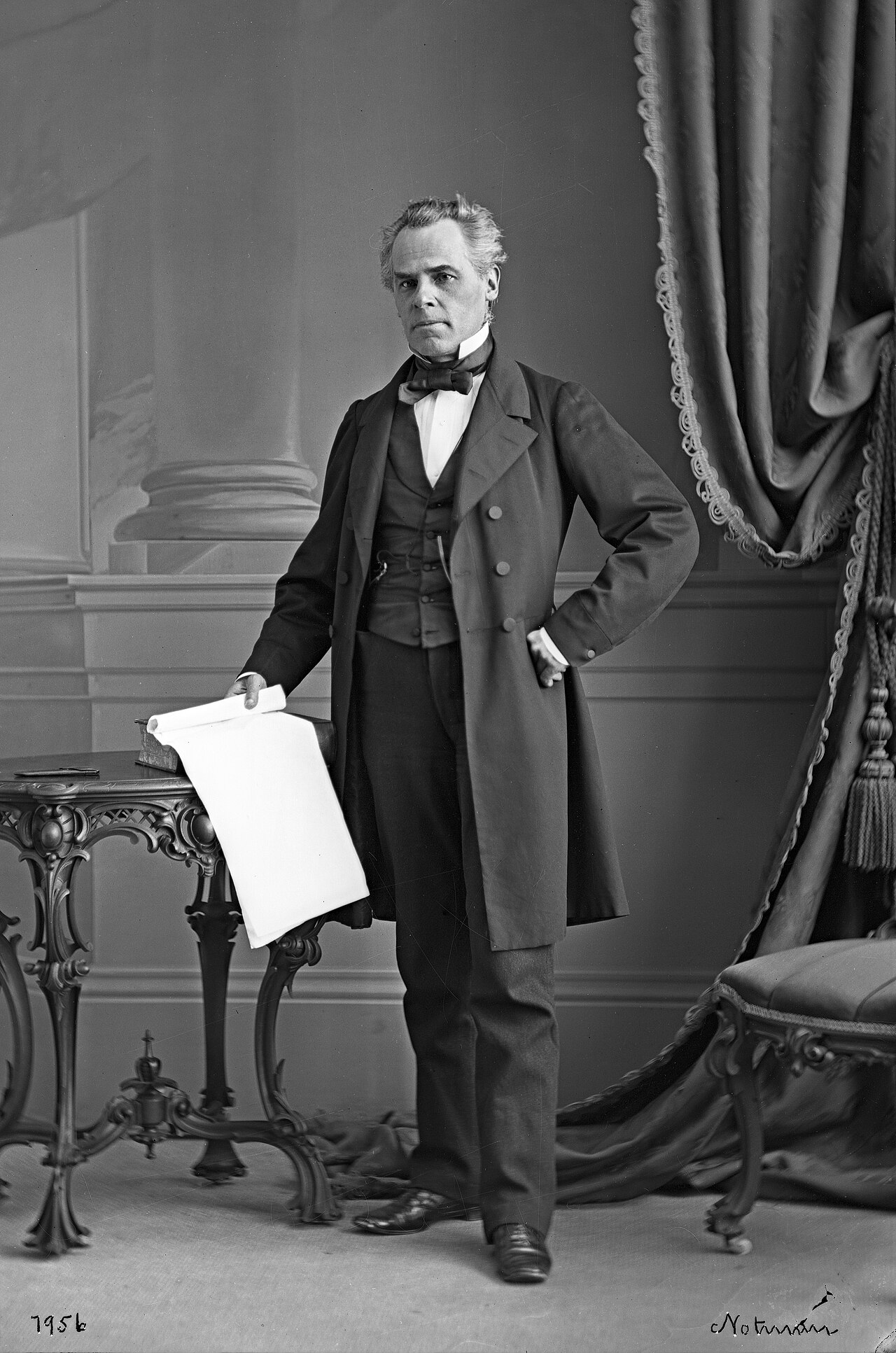
George-Etienne Cartier
William Notman · 1863
 Photograph
Primary source
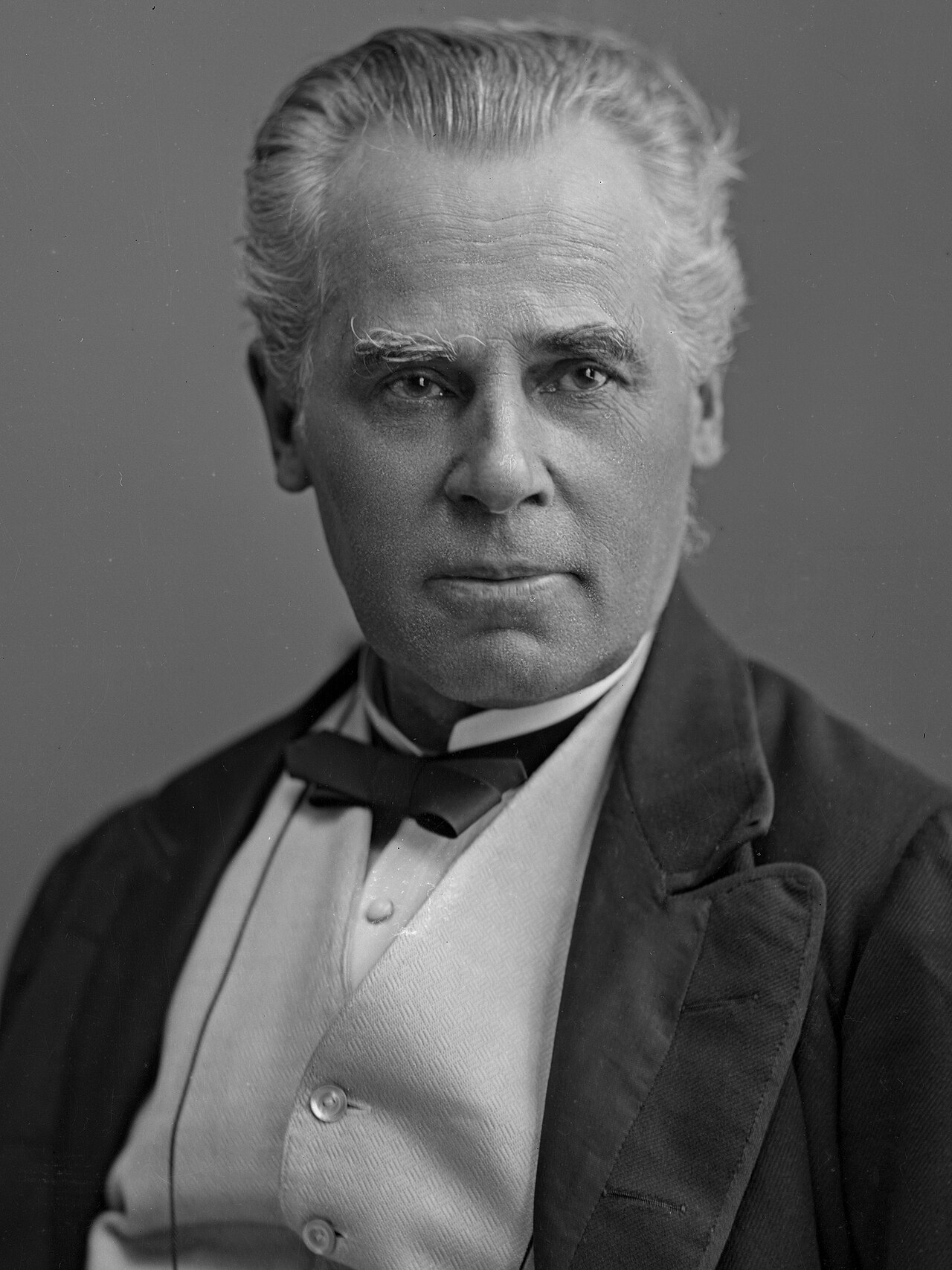
Sir George Etienne Cartier
William Notman
Ready when you are
Start chatting with George-Étienne Cartier now.
20 messages free · No credit card · Available in 50+ languages.