


Primary sourcePainting1943
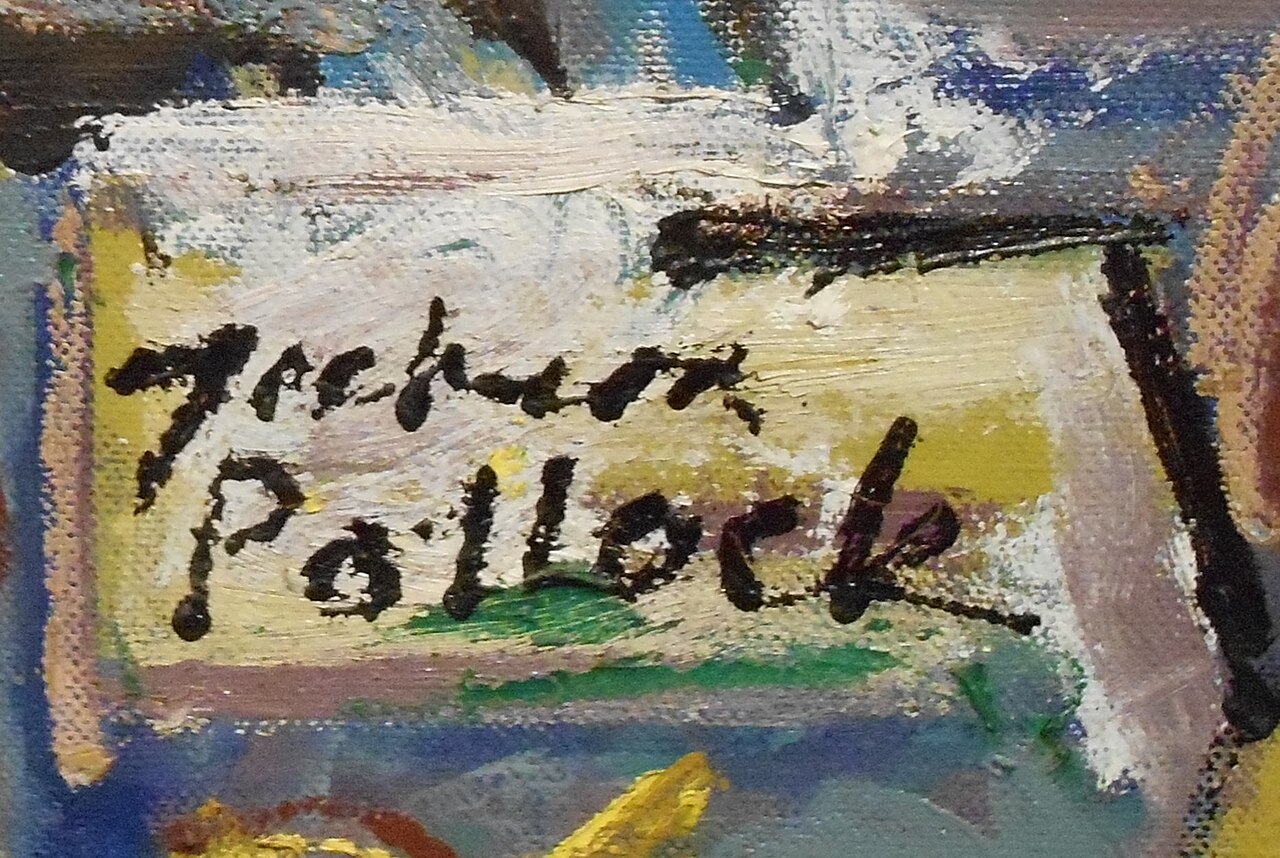
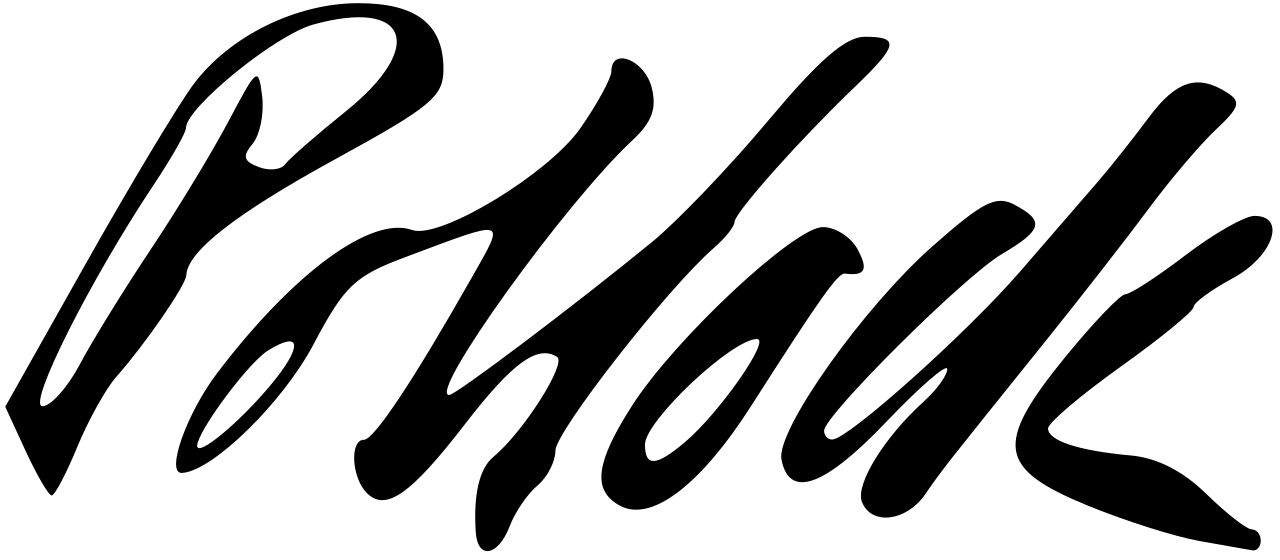
Signature of Jackson Pollock on Pasiphaë
Jackson Pollock · 1943
A close-up photograph of Jackson Pollock's signature on his 1943 painting Pasiphaë, held at the Metropolitan Museum of Art.
Shows Pollock's own signature on his painting Pasiphaë, a direct physical trace of his hand.
About this source
What it is
This is a close-up photograph, taken in 2015, of the signature Jackson Pollock painted on his 1943 work Pasiphaë, now held at the Metropolitan Museum of Art. The signature reads "Jackson Pollock" in black brushstrokes, set against layered abstract brushwork in white, blue and grey.
Why it matters
A signature is a direct, physical trace of the artist's own hand on the finished work. This detail connects the viewer to the act of Pollock claiming and finishing the painting, offering a small but personal piece of evidence about his process and identity as an artist.
Look closer
- Why might an artist choose to sign a painting in a certain way or place on the canvas?
- What does a close-up photograph like this let you notice that a photo of the whole painting would not?
- This photograph was taken decades after the painting was made — what does that mean for how we should use it as evidence?
This painting is part of the curated material that grounds the AI version of Jackson Pollock on Humy.ai — when students ask about related events, the AI can quote it and cite it.
More Jackson Pollock sources
Browse all 19 →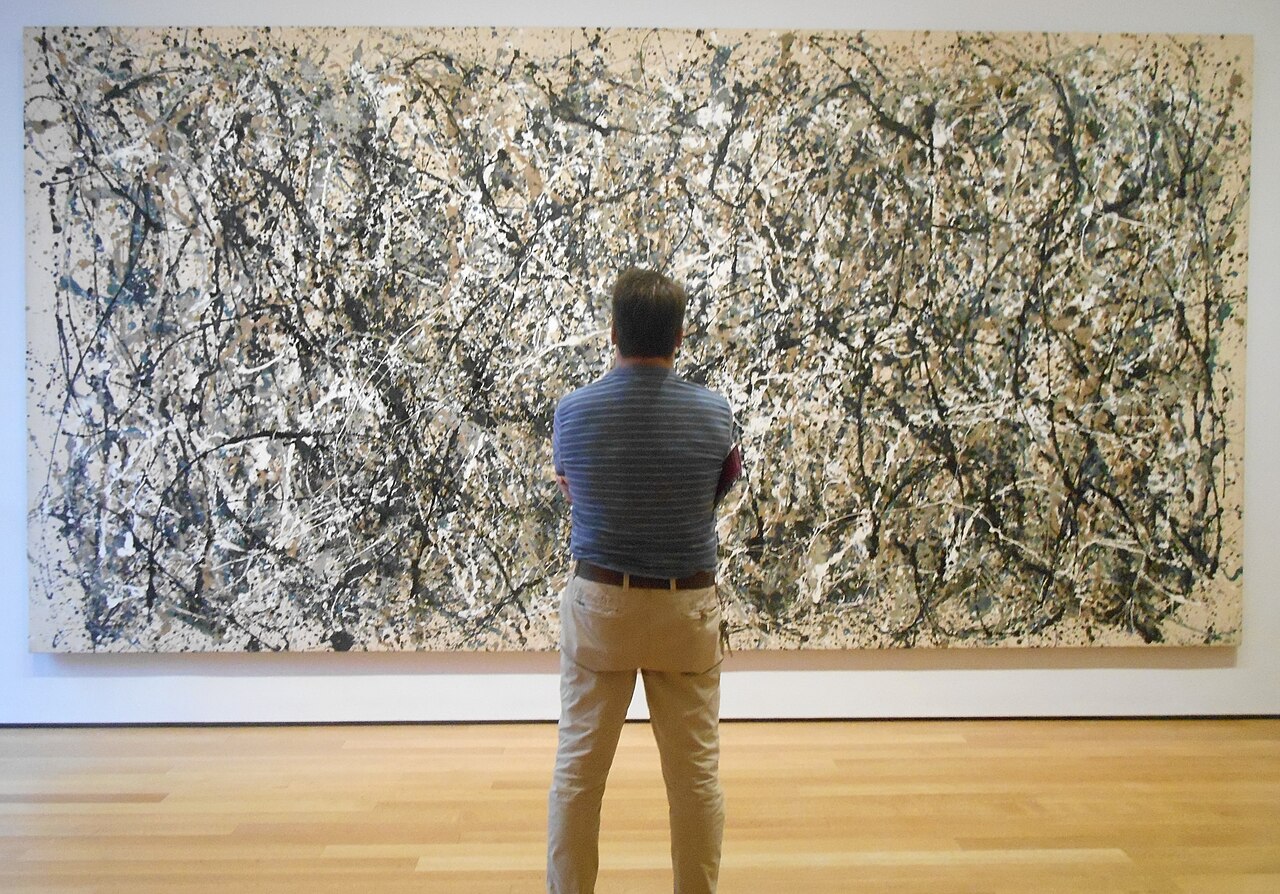 Painting
Primary source
One: Number 31, 1950
Jackson Pollock · 1950
 Document
Primary source
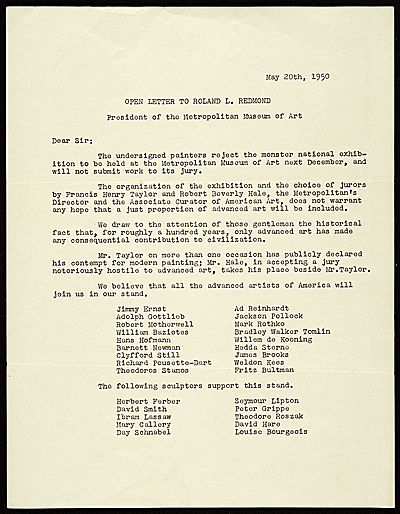
Open Letter to Roland Redmond
Jimmy Ernst, Adolph Gottlieb, Robert Motherwell, William Baziotes, Hans Hofmann, and others · 20 May 1950
 Artifact
Primary source
Pollock-Krasner House and Studio
1879 (building); occupied 1945-1956
 Photograph
Primary source
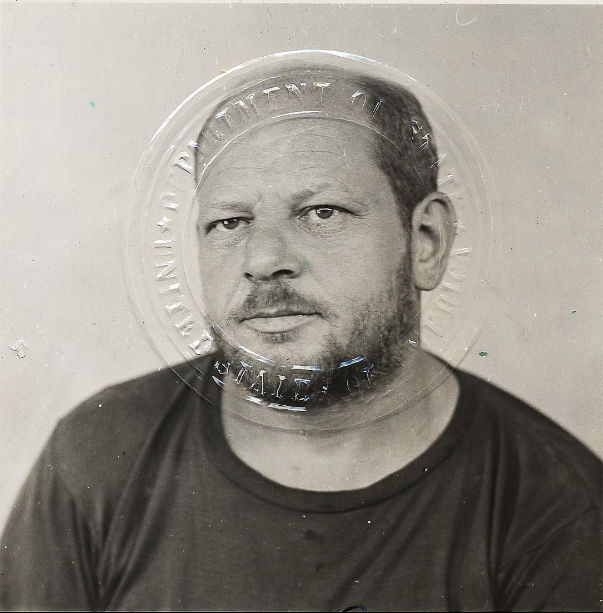
Jackson Pollock's Passport Photograph
Unknown
Free account
Read every Jackson Pollock source
Sign up free →
Ready when you are
Start chatting with Jackson Pollock now.
20 messages free · No credit card · Available in 50+ languages.