


Primary sourceDocumentafter 1559
Signature of Pieter Bruegel the Elder
Pieter Bruegel the Elder · after 1559
Bruegel's own 'BRVEGEL' signature, reflecting the spelling change he made to his name in 1559.
This is Bruegel's own signature, showing the spelling of his name he adopted in 1559 and used to mark his work.

About this source
What it is
This is the autograph signature of Pieter Bruegel the Elder, rendered here as a simple black lettering of 'BRVEGEL' in Roman capitals. The spelling reflects a change Bruegel made to his own name in 1559.
Why it matters
Small details like a signature can reveal a lot about how a historical figure wanted to present themselves. By switching his name's spelling and using Roman capital letters, Bruegel was aligning himself with the humanist culture of his time, which prized Latin and classical forms. Signatures like this also help historians authenticate his paintings.
Look closer
- Why might an artist change the spelling of his own name partway through his career?
- What does choosing Roman capital letters suggest about how Bruegel wanted to be seen?
- How might a signature like this help experts tell genuine Bruegel paintings from copies?
This document is part of the curated material that grounds the AI version of Pieter Bruegel the Elder on Humy.ai — when students ask about related events, the AI can quote it and cite it.
More Pieter Bruegel the Elder sources
Browse all 96 →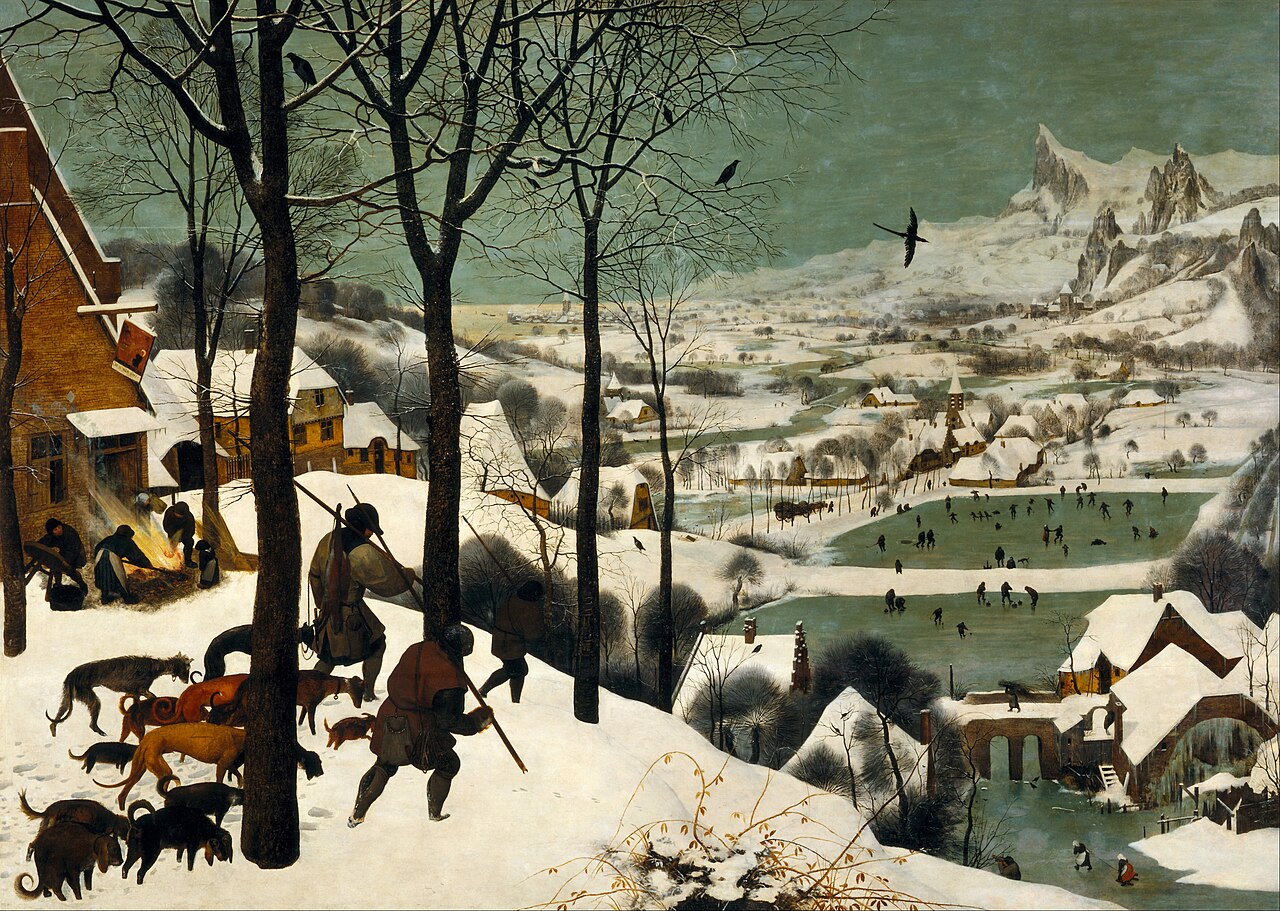 Painting
Primary source
The Hunters in the Snow
Pieter Bruegel the Elder · 1565
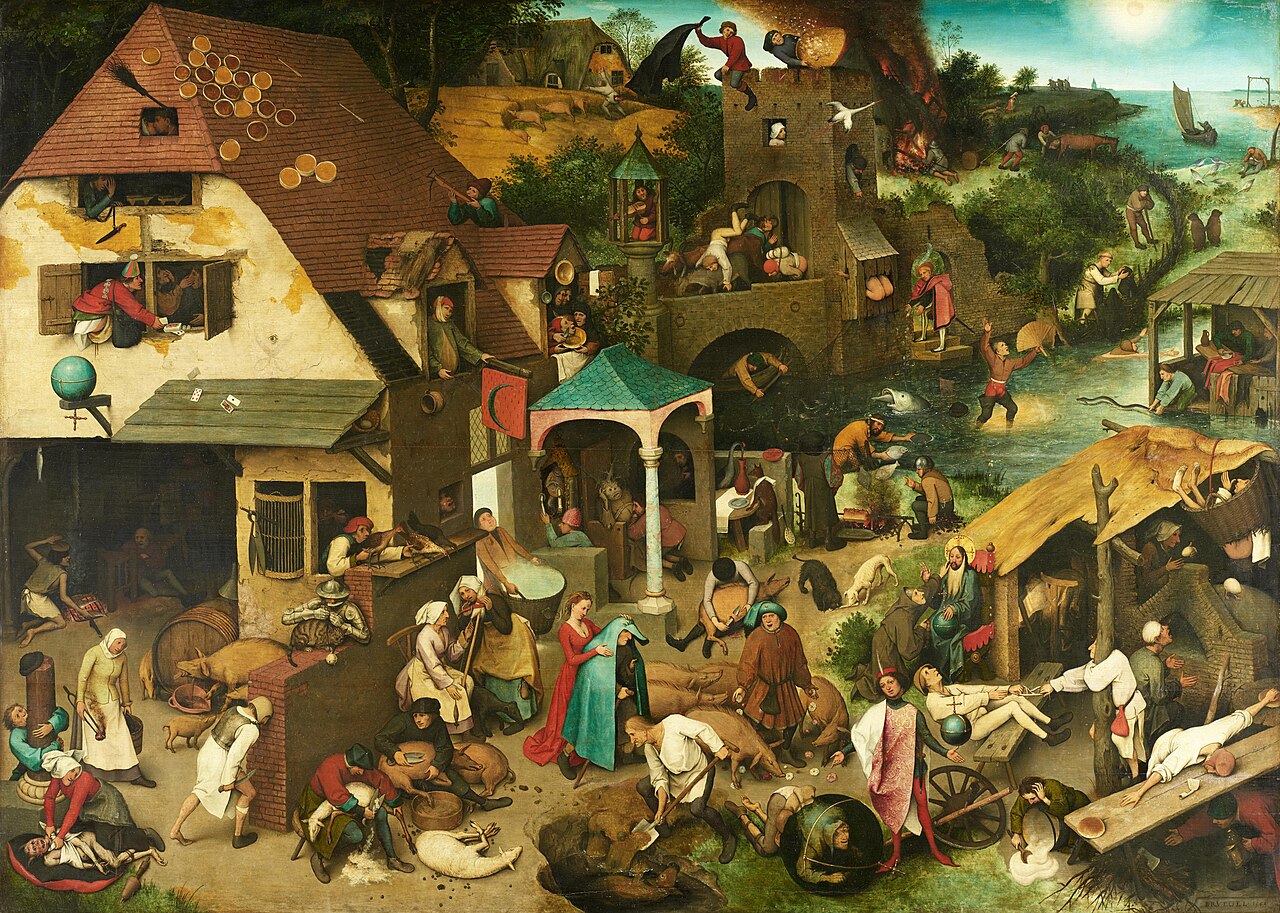 Painting
Primary source
Netherlandish Proverbs
Pieter Bruegel the Elder · 1559
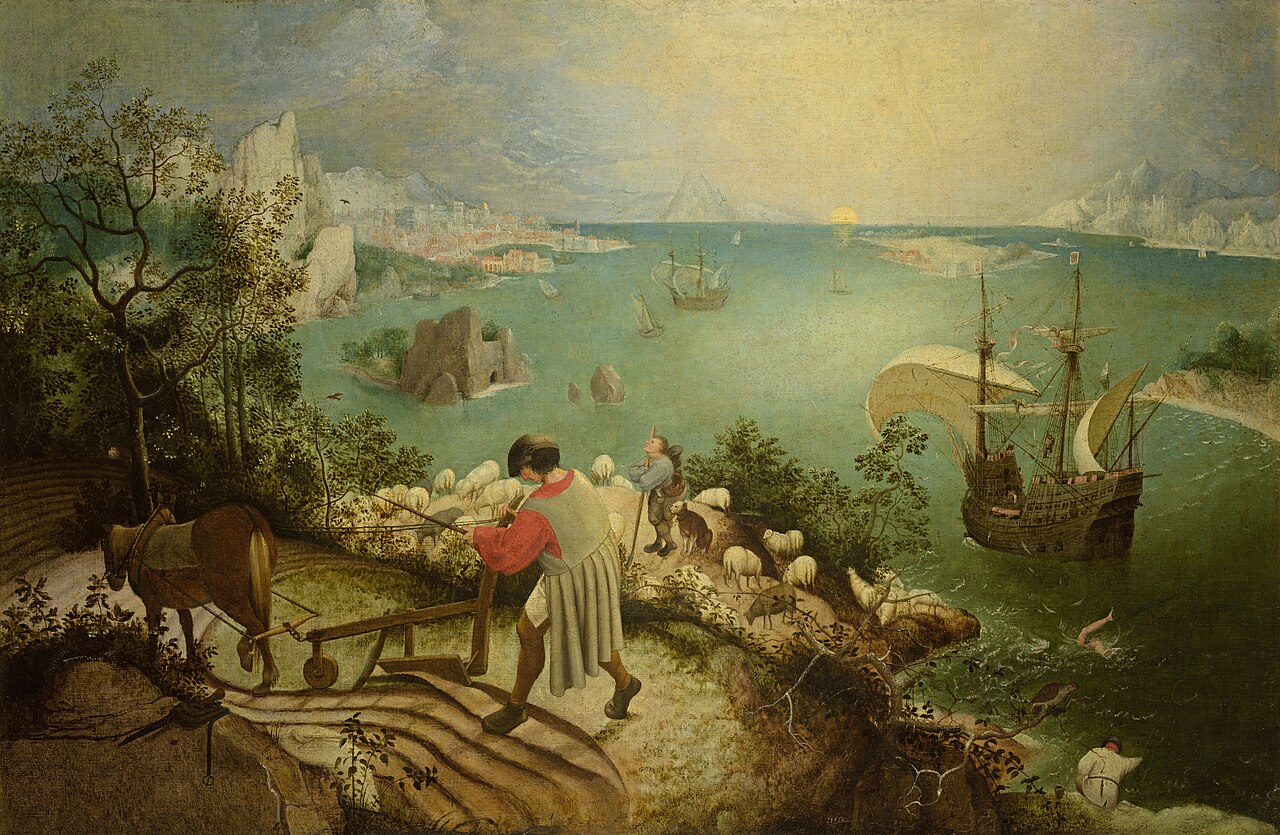 Painting
Secondary source
Landscape with the Fall of Icarus
Unknown (circle of Pieter Bruegel the Elder) · c. 1560s
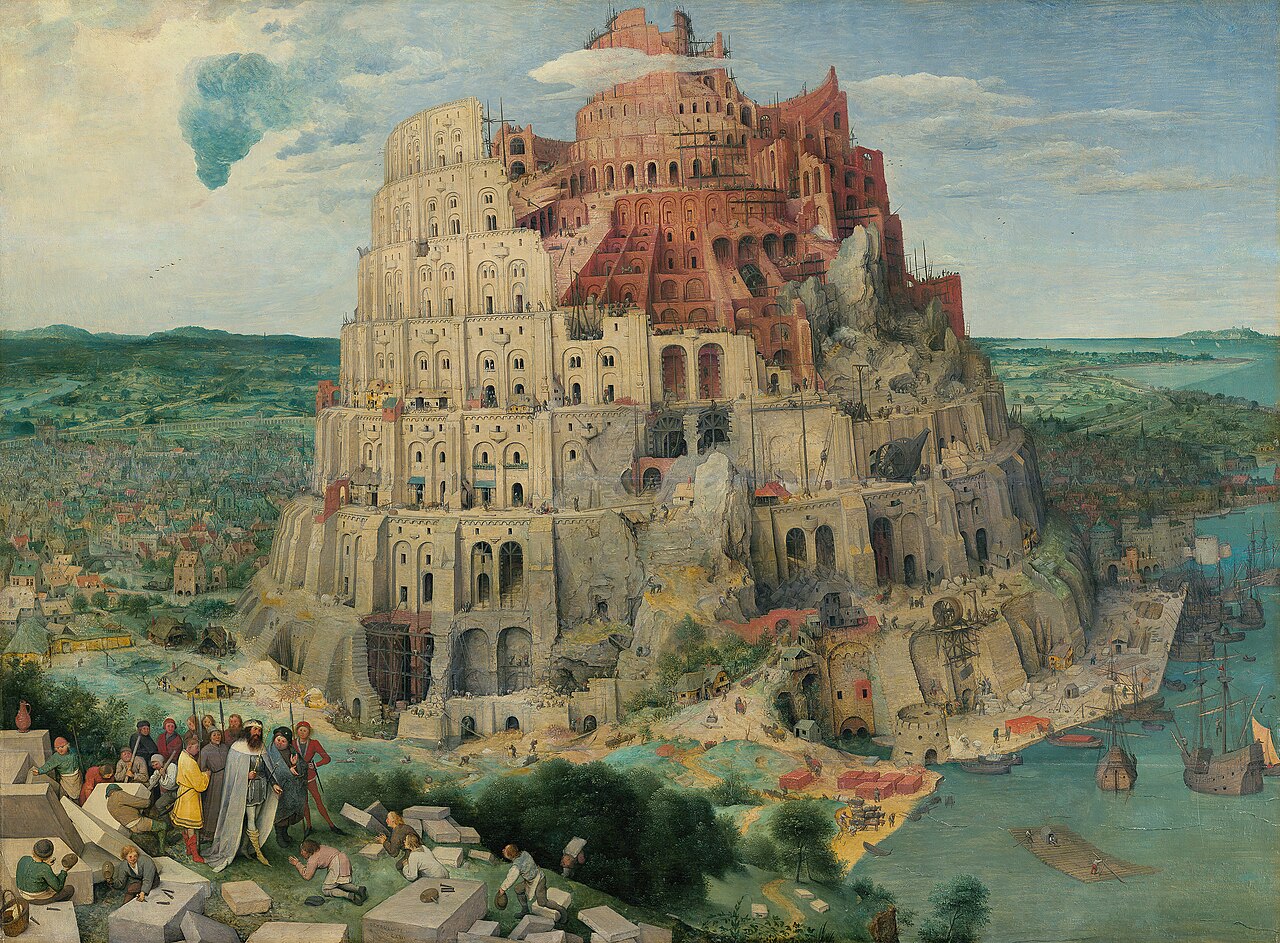 Painting
Primary source
The Tower of Babel
Pieter Bruegel the Elder · 1563
Free account
Read every Pieter Bruegel the Elder source
Sign up free →
Ready when you are
Start chatting with Pieter Bruegel the Elder now.
20 messages free · No credit card · Available in 50+ languages.