


Primary sourceDocument
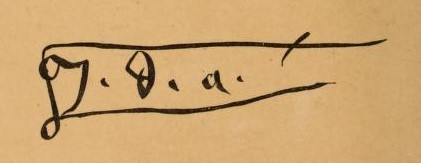
Signature of Prince Henry the Navigator
Prince Henry the Navigator
Henry the Navigator's handwritten signature from documents issued by his chancery.
This is Henry's own handwriting, the most direct physical trace of him surviving in the archive.
About this source
What it is
This image shows the autograph signature of Prince Henry the Navigator, taken from documents produced by his chancery. It is a flourished handwritten mark enclosing stylised letters.
Why it matters
A signature is one of the most direct physical traces left by a historical figure — it was actually written by Henry's own hand, unlike portraits or later monuments made by other people. It connects Henry to the official documents and decisions of his chancery, the administrative office that carried out his instructions as a royal prince and patron of exploration.
Look closer
- What does a signature tell us about a person that a portrait or statue cannot?
- Why might historians value a handwritten signature as strong evidence compared to other sources?
- What questions does a signature alone leave unanswered about a person's life and actions?
This document is part of the curated material that grounds the AI version of Prince Henry the Navigator on Humy.ai — when students ask about related events, the AI can quote it and cite it.
More Prince Henry the Navigator sources
Meet the AI Prince Henry the Navigator → Painting
Secondary source
Panel of the Prince (Detail)
Nuno Gonçalves · c. 1470
 Artifact
Secondary source
Mercado de Escravos
Built 1691; site of 1444 slave sale
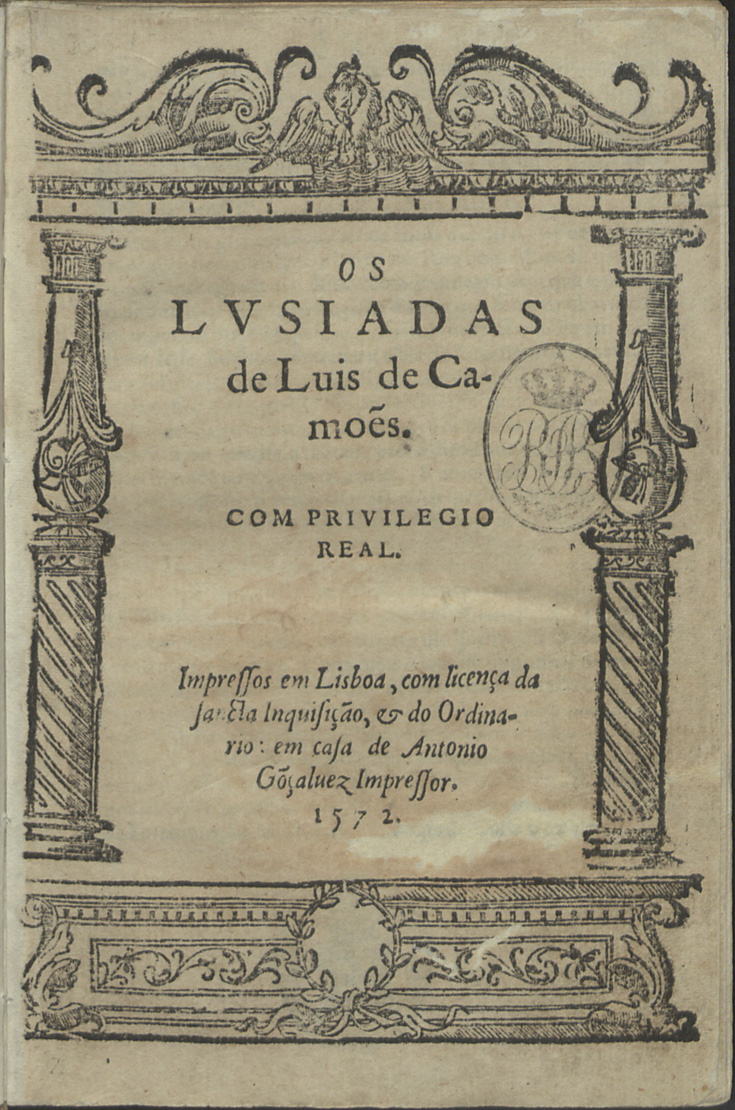 Book
Secondary source
Os Lusíadas
Luís de Camões · 1572
 Painting
Secondary source
Saint Vincent Panels
Nuno Gonçalves · c. 1450-1480
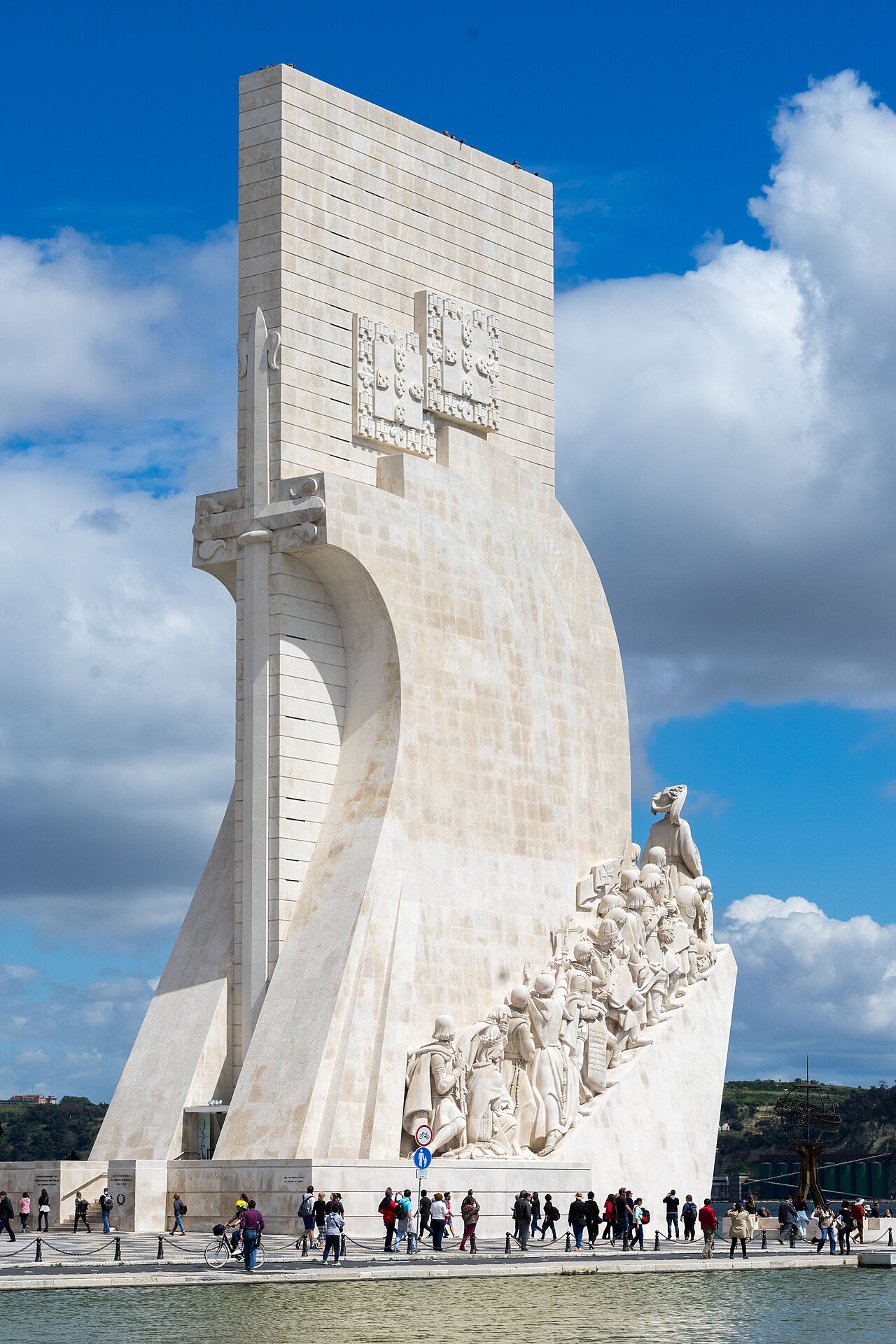 Sculpture
Secondary source
Padrão dos Descobrimentos
Leopoldo de Almeida · 1960 (inaugurated 9 August 1960)
Ready when you are
Start chatting with Prince Henry the Navigator now.
20 messages free · No credit card · Available in 50+ languages.