


Primary sourcePaintingbetween 1760 and 1820
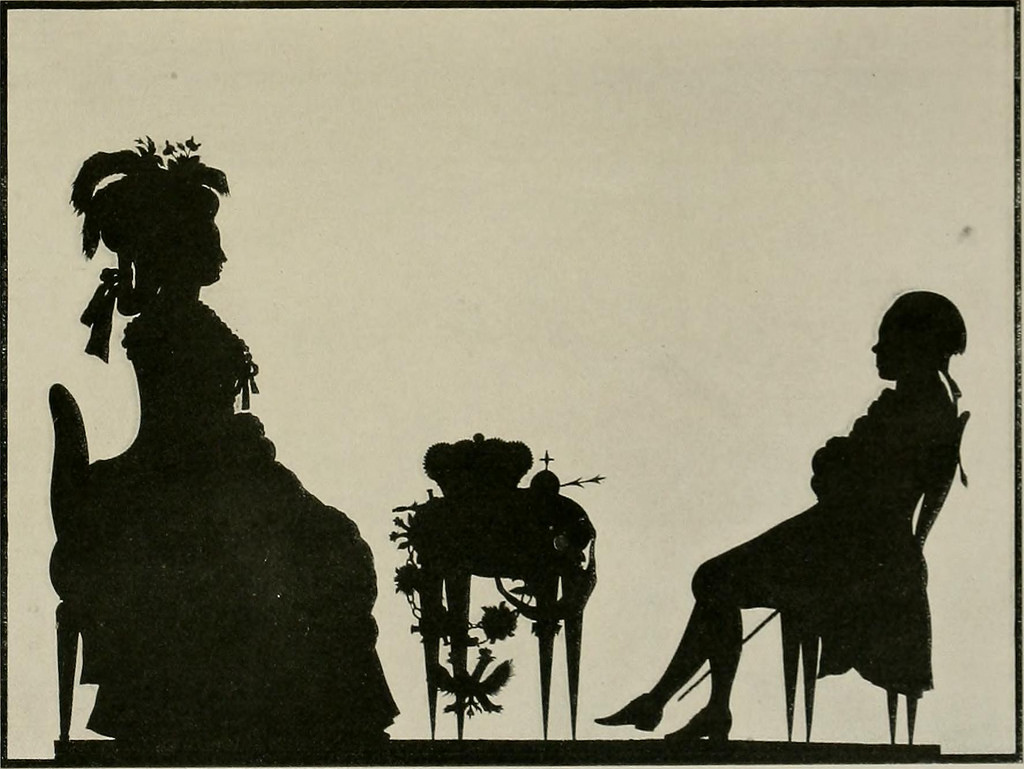
Silhouette of Grand Duke Paul and Grand Duchess Maria
Hoernig · between 1760 and 1820
A cut paper silhouette by Hoernig showing Paul and his wife Maria, made between 1760 and 1820. The record says it belonged to the Grand Duke of Hesse.
Shows Paul with his wife Maria, in a silhouette made in the period of his life before and during his reign.
About this source
What it is
This is a black cut-paper silhouette showing two seated figures in profile, with a small ornate table between them. The left figure wears a feathered headdress and a full gown in a high-backed chair. The right figure sits with legs crossed, wearing a fitted dress and a bonnet-like cap. The table has a crown-like top with flowers and a bow. The catalogue record identifies the figures as Grand Duchess Maria of Russia, born Sophie Dorothea Auguste of Württemberg, and Grand Duke Paul of Russia, later Emperor Paul I. It is signed Hoernig and was owned by the Grand Duke of Hesse. The date is given as between 1760 and 1820.
Why it matters
Silhouettes were a cheap and quick way to record a likeness in the eighteenth and early nineteenth centuries, and they were often given as gifts among families and courts. This example links Paul with his wife Maria, who was a princess of Württemberg before her marriage. It shows how the imperial couple were presented to other European courts in a simple, portable form.
Look closer
- What do the clothes, the headdress and the table tell you about the people and their setting?
- Why might a family or court have owned a silhouette of this kind, and who would have seen it?
- What is lost in a silhouette, such as colour and detail of the faces, and what does that change about how we read it?
This painting is part of the curated material that grounds the AI version of Paul I of Russia on Humy.ai — when students ask about related events, the AI can quote it and cite it.
More Paul I of Russia sources
Browse all 91 →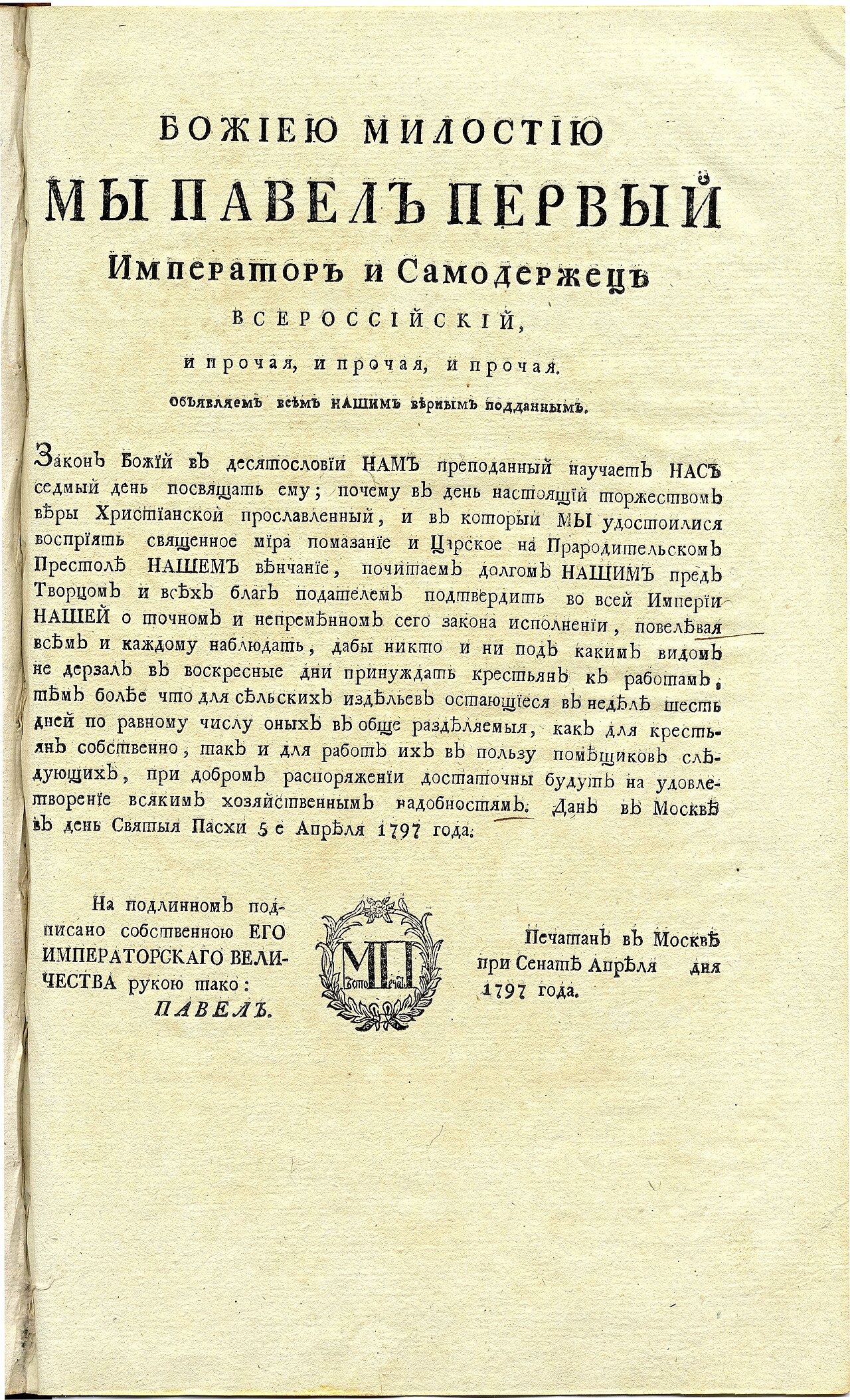 Document
Primary source
Manifesto of Three-Day Corvée
Paul I of Russia · 16 April 1797
 Document
Primary source
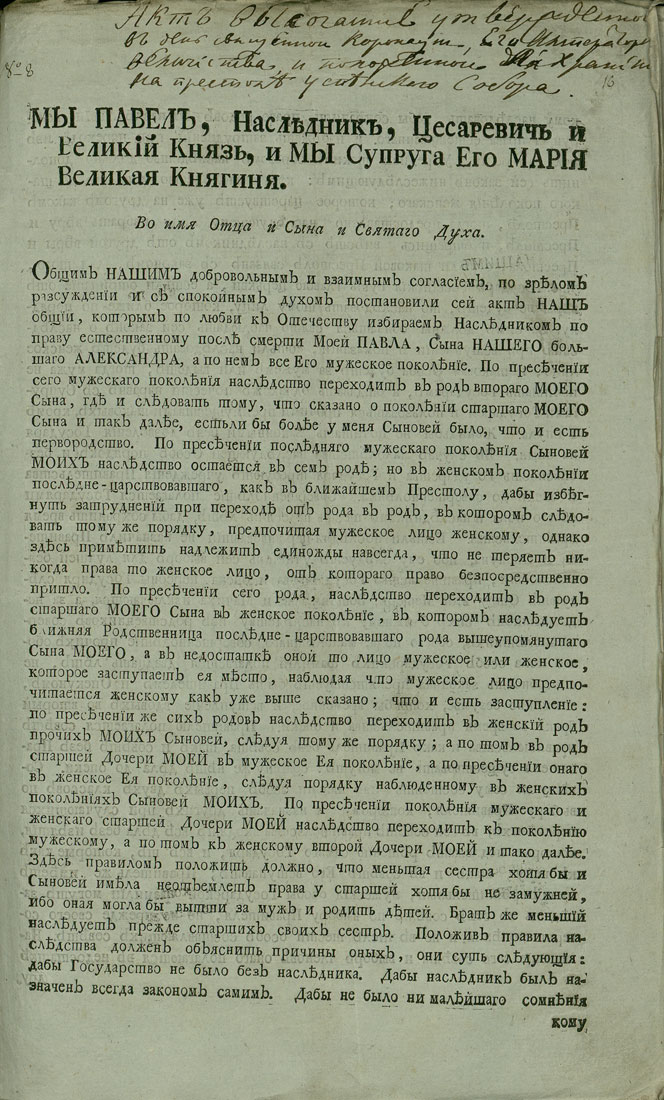
Pauline Laws
Paul I of Russia · 1797
 Artifact
Primary source
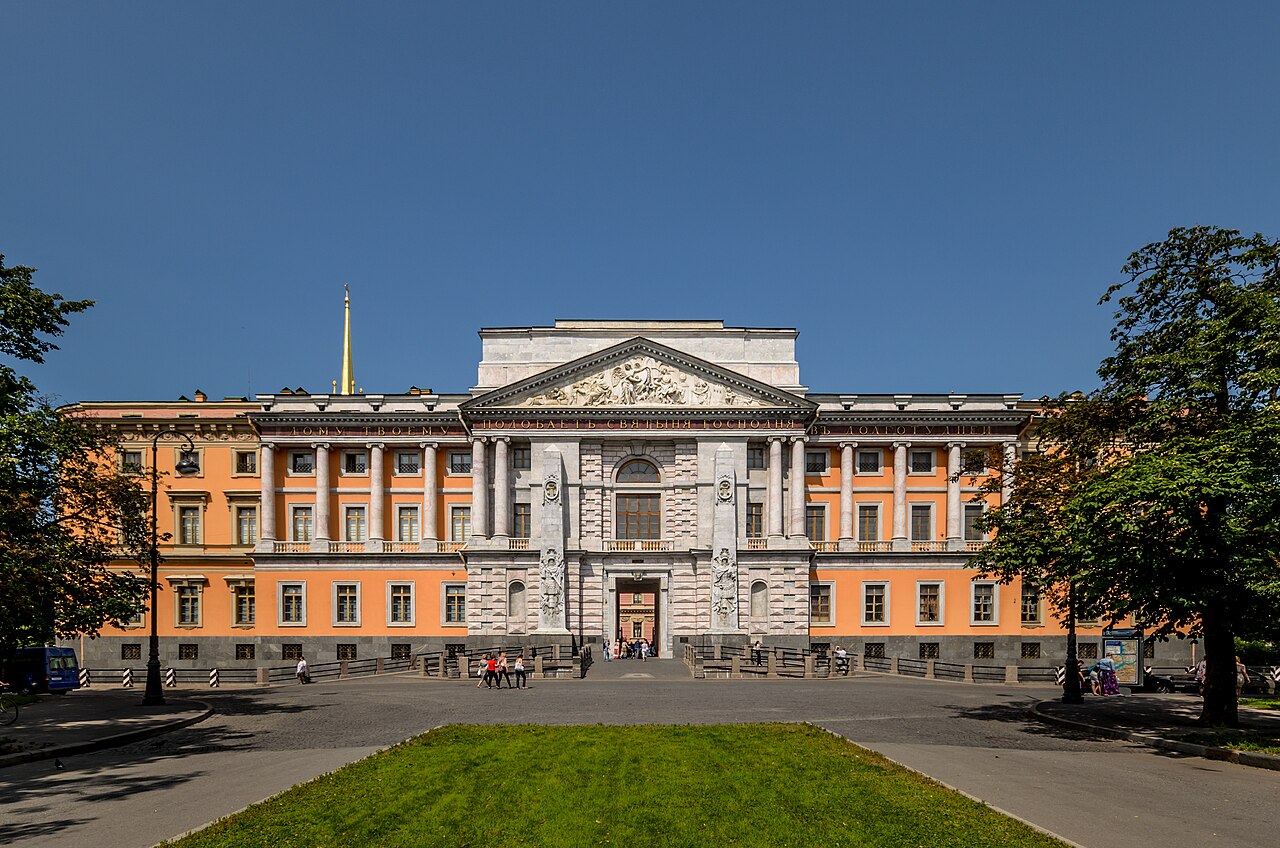
Saint Michael's Castle
Vincenzo Brenna and Vasily Bazhenov · 1797-1801
 Painting
Primary source
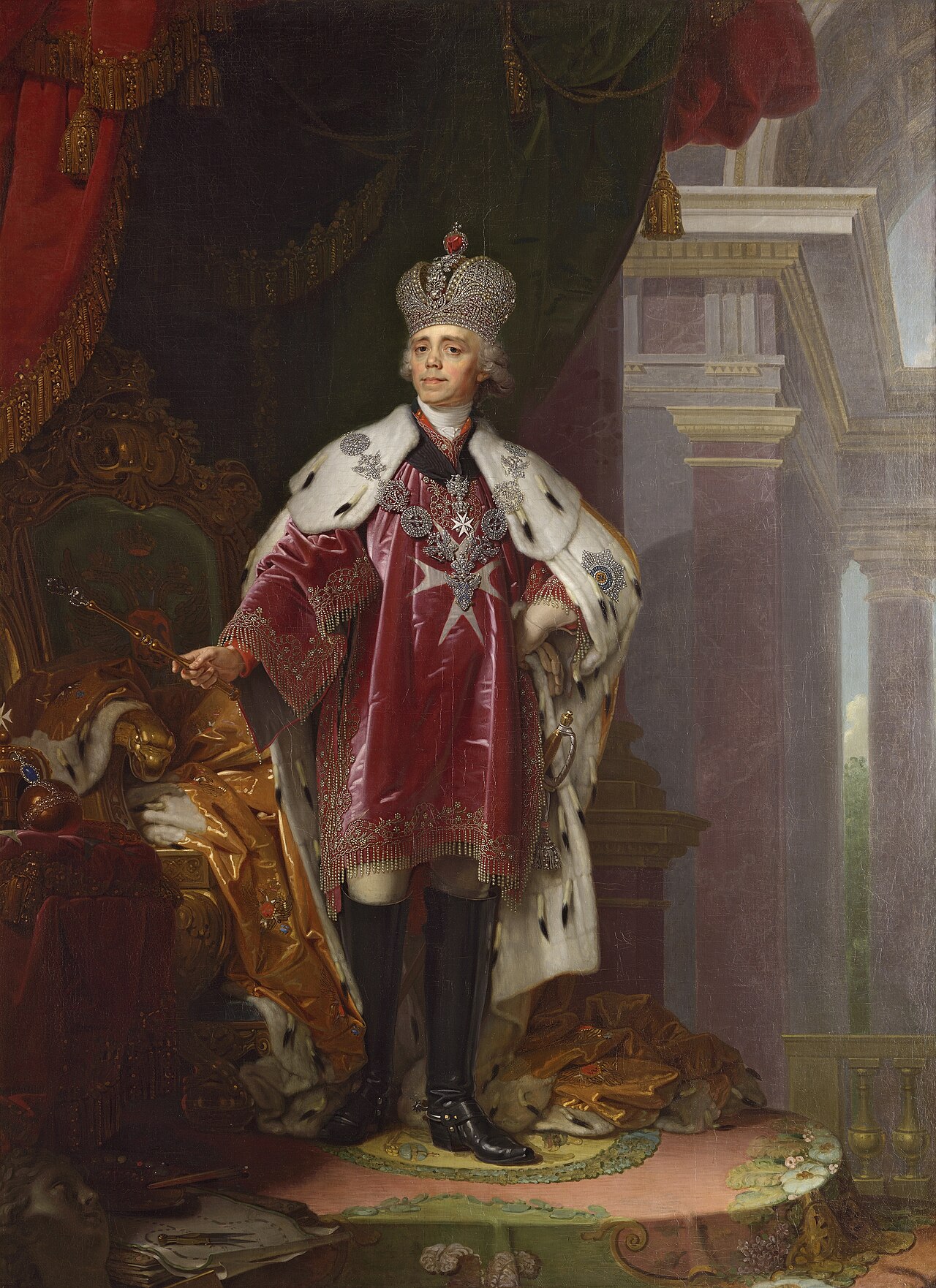
Portrait of Paul I of Russia
Vladimir Borovikovsky
Free account
Read every Paul I of Russia source
Sign up free →
Ready when you are
Start chatting with Paul I of Russia now.
20 messages free · No credit card · Available in 50+ languages.