


Primary sourceArtifactca. 269-216 BC
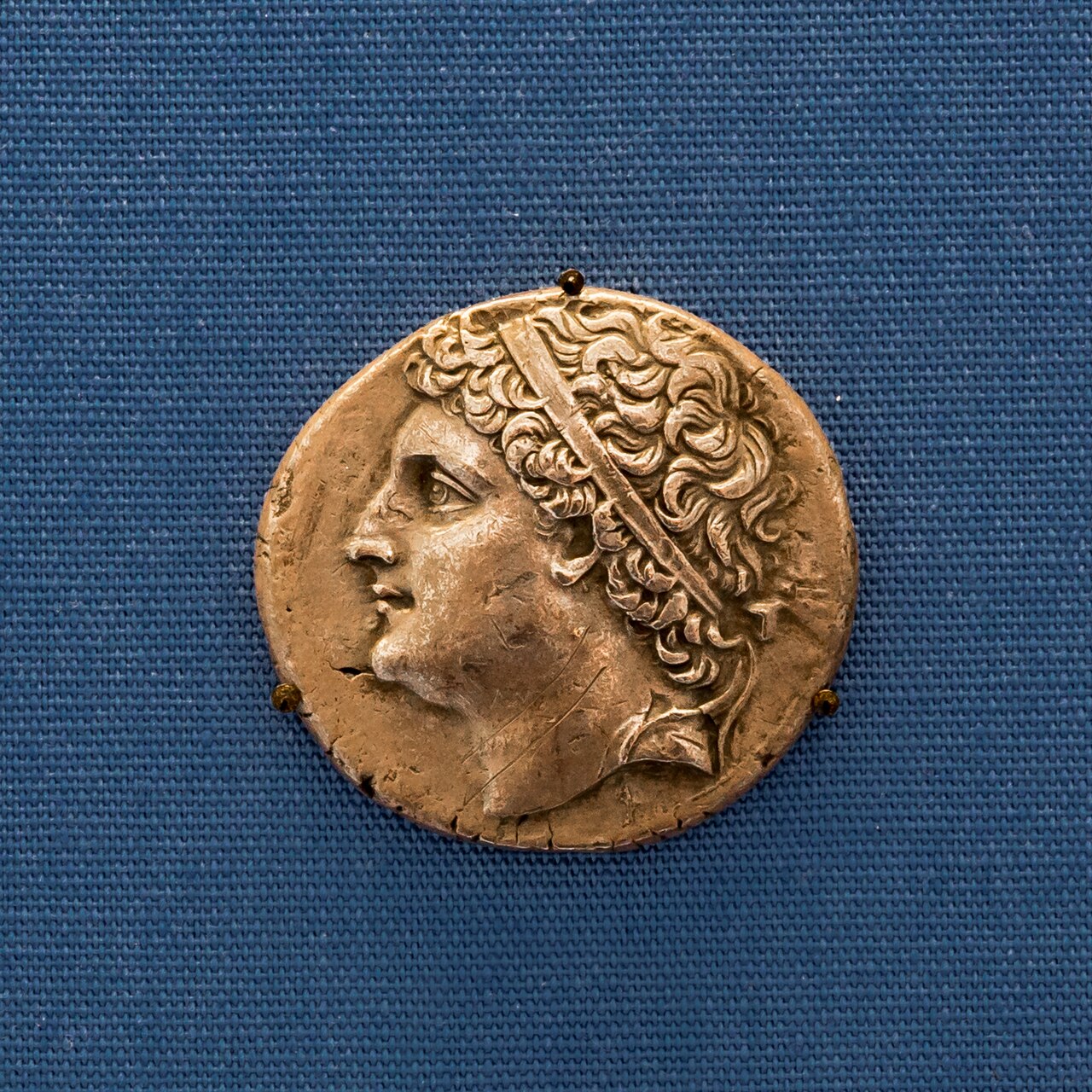
Silver 32 litrai of Hieron II
ca. 269-216 BC
A worn silver coin of King Hieron II of Syracuse, now in the British Museum. It shows the king's diademed head and Nike driving a chariot.
A coin of Hieron II, the king who employed Archimedes, struck during Archimedes' lifetime according to the curator's note.
About this source
What it is
This is a struck silver coin of 32 litrai from Syracuse, issued under the ruler Hieron II. The obverse shows his diademed head facing left, and the reverse shows Nike driving a quadriga with the Greek inscription meaning King Hieron's. The coin is held by the British Museum in London. The photograph shows the coin mounted on blue fabric, and the disk is worn. The image is a photograph by ArchaiOptix.
Why it matters
Hieron II was the king who employed Archimedes, and this coin was struck in the same period. Ancient coins like this one show us the ruler's public image and the wealth that supported his court. It helps students see how political power and science were connected in Archimedes' world.
Look closer
- How does the wear on this coin change what you can see of the king's portrait?
- Why would Hieron want his image shown on coins used across the city?
- What do the coin's design and its inscription not tell us about Archimedes himself?
This artifact is part of the curated material that grounds the AI version of Archimedes on Humy.ai — when students ask about related events, the AI can quote it and cite it.
More Archimedes sources
Browse all 87 →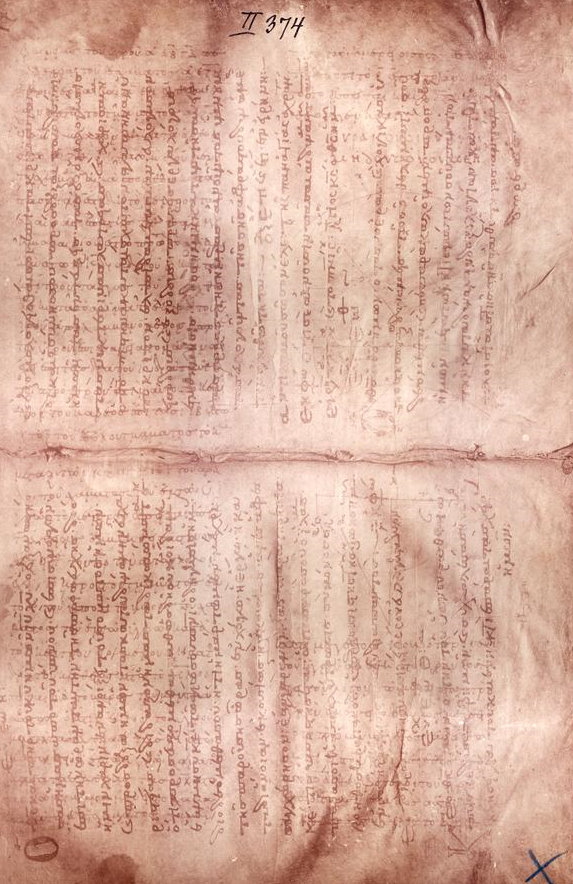 Book
Secondary source
Archimedes Palimpsest
c. AD 950, overwritten 1229
 Letter
Primary source
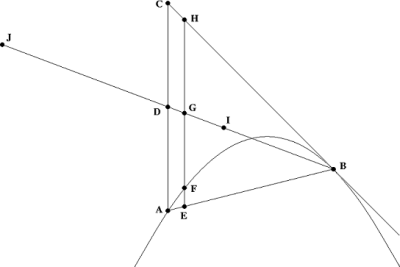
The Method of Mechanical Theorems
Archimedes · c. 250 BCE
 Book
Secondary source
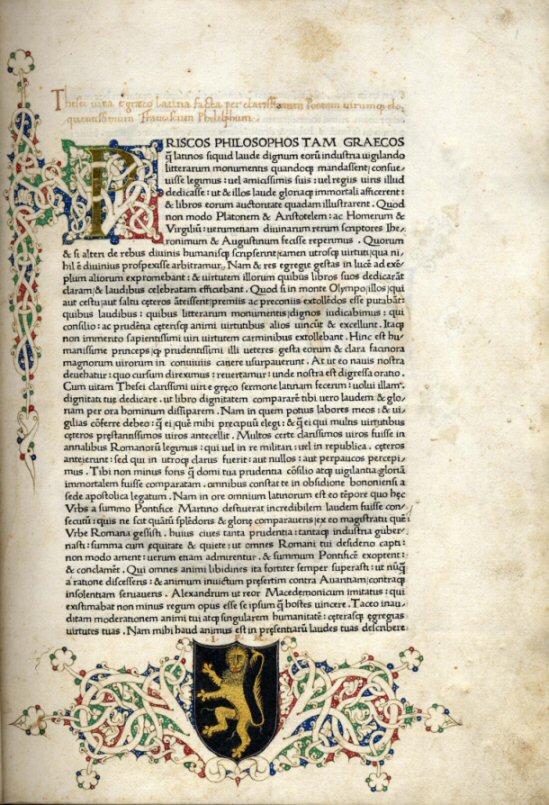
Parallel Lives
Plutarch · c. 100-120 AD
 Book
Primary source
Tusculanae Disputationes
Cicero · c. 45 BCE
Free account
Read every Archimedes source
Sign up free →
Ready when you are
Start chatting with Archimedes now.
20 messages free · No credit card · Available in 50+ languages.