


Primary sourceArtifact72 AD
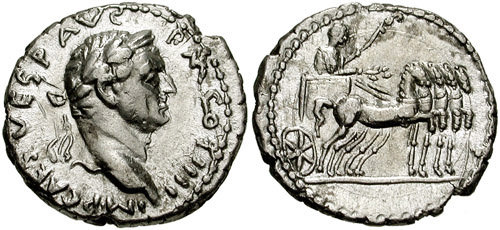
Silver denarius of Vespasian, Antioch mint
Vespasian · 72 AD
A silver coin struck at the Antioch mint in 72 CE under Vespasian, showing his laureate head and a chariot reverse. It records his titles at that date.
Struck under Vespasian's authority, this coin carries his own image and titles, showing how he wanted his rule presented in the eastern provinces.
About this source
What it is
This is a silver denarius struck at the Antioch mint in 72 CE. The obverse shows Vespasian's laureate head facing right, with the legend IMP CAES VESP AVG P M COS IIII. The reverse shows Vespasian in a walking quadriga, a chariot drawn by four horses, facing right. The coin weighs 3.30 g and is described by the seller as in good, very fine condition.
Why it matters
Antioch was an important eastern city in the Roman world, and coins struck there carried imperial messages to the eastern provinces. The legend lists Vespasian's titles, including his consulship, which shows how he presented his authority after the civil wars of 69 CE. The chariot image was a traditional symbol of triumph and imperial power.
Look closer
- What titles appear in the legend, and why might a ruler want them shown on coins?
- Why might the chariot have been chosen to represent the emperor?
- Who would have handled this coin, and whose voices are missing from the record?
This artifact is part of the curated material that grounds the AI version of Vespasian on Humy.ai — when students ask about related events, the AI can quote it and cite it.
More Vespasian sources
Browse all 95 →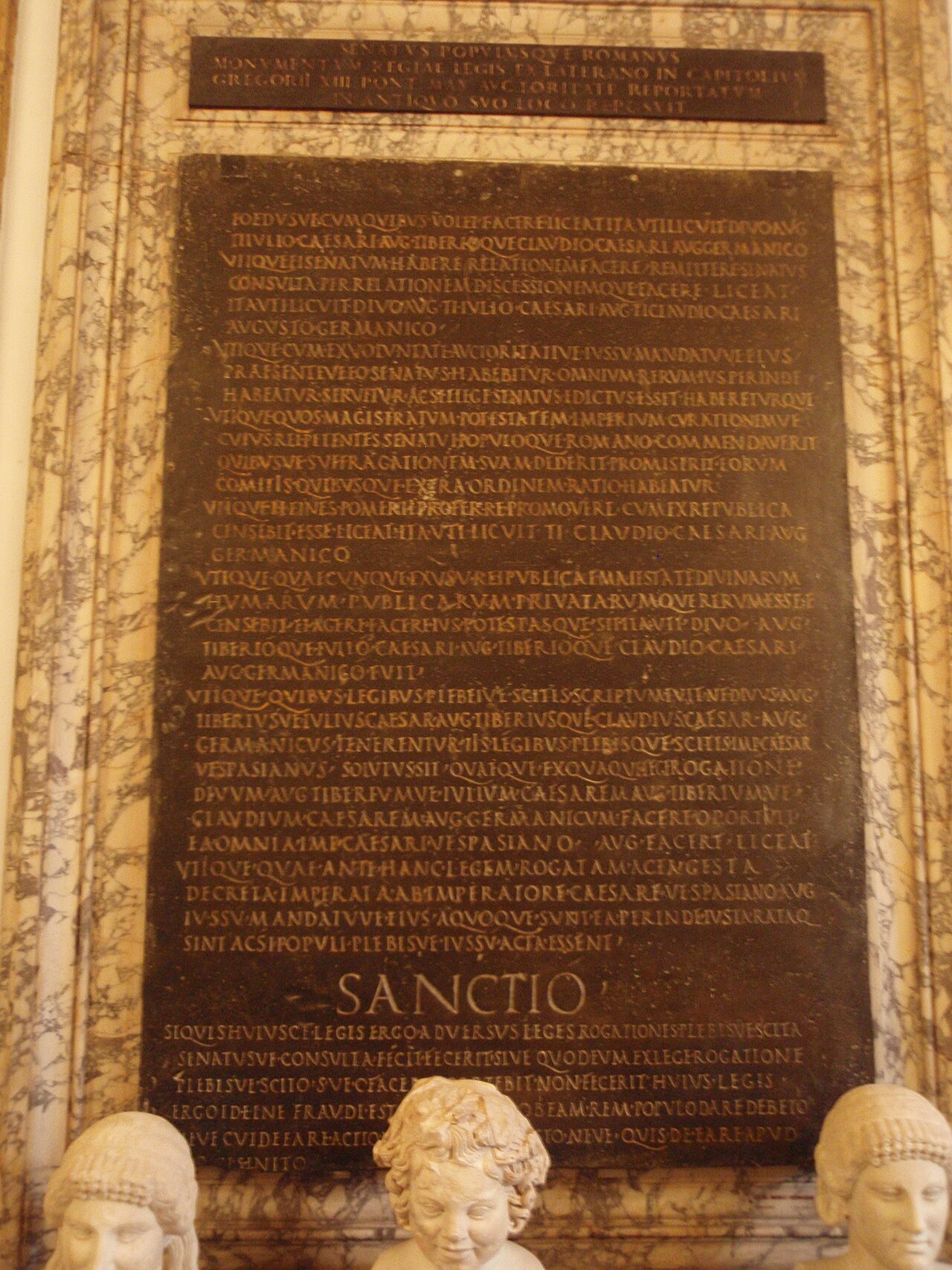 Document
Primary source
Lex de imperio Vespasiani
Roman Senate · AD 69–70
 Artifact
Primary source
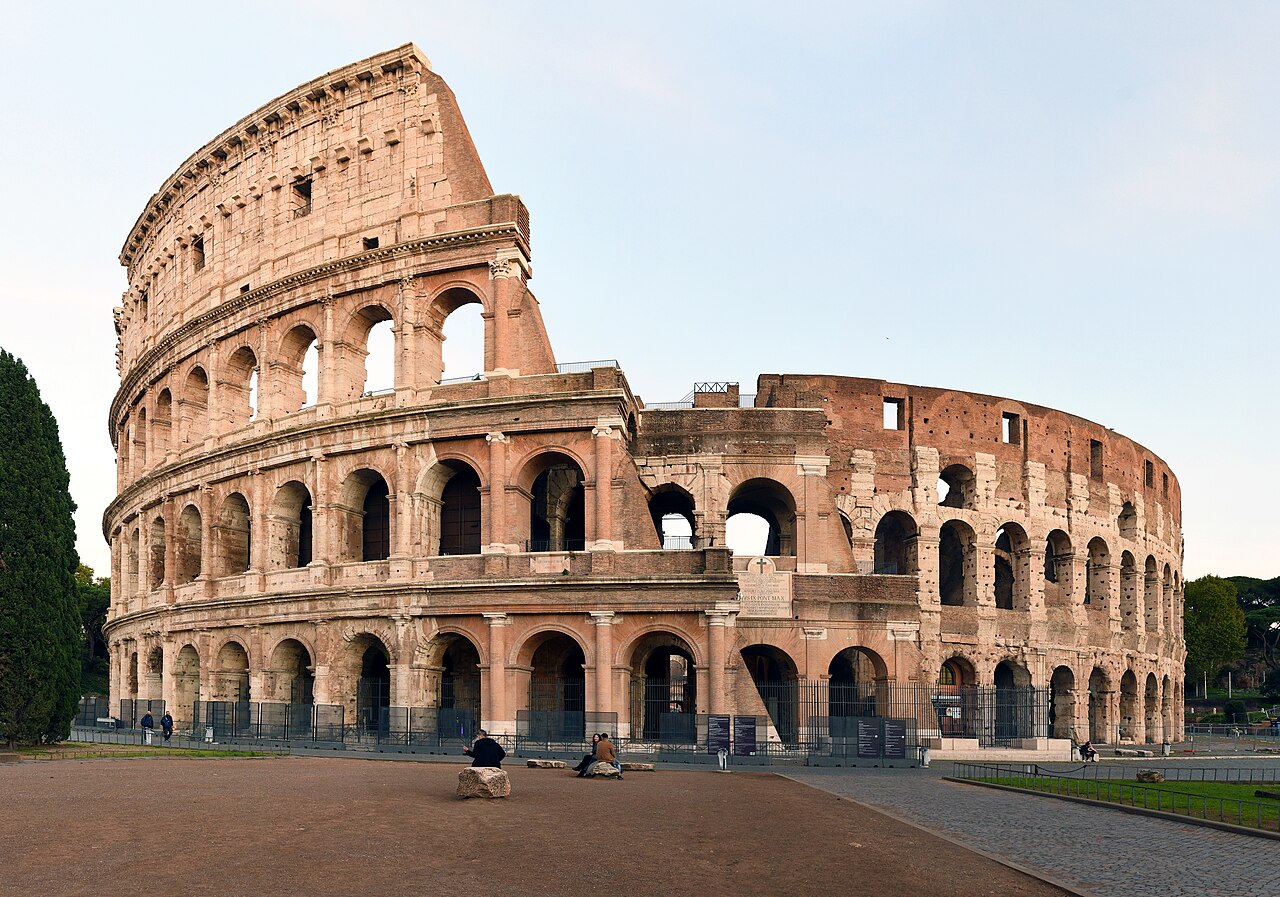
Colosseum
begun 72 AD, completed 80 AD
 Book
Secondary source
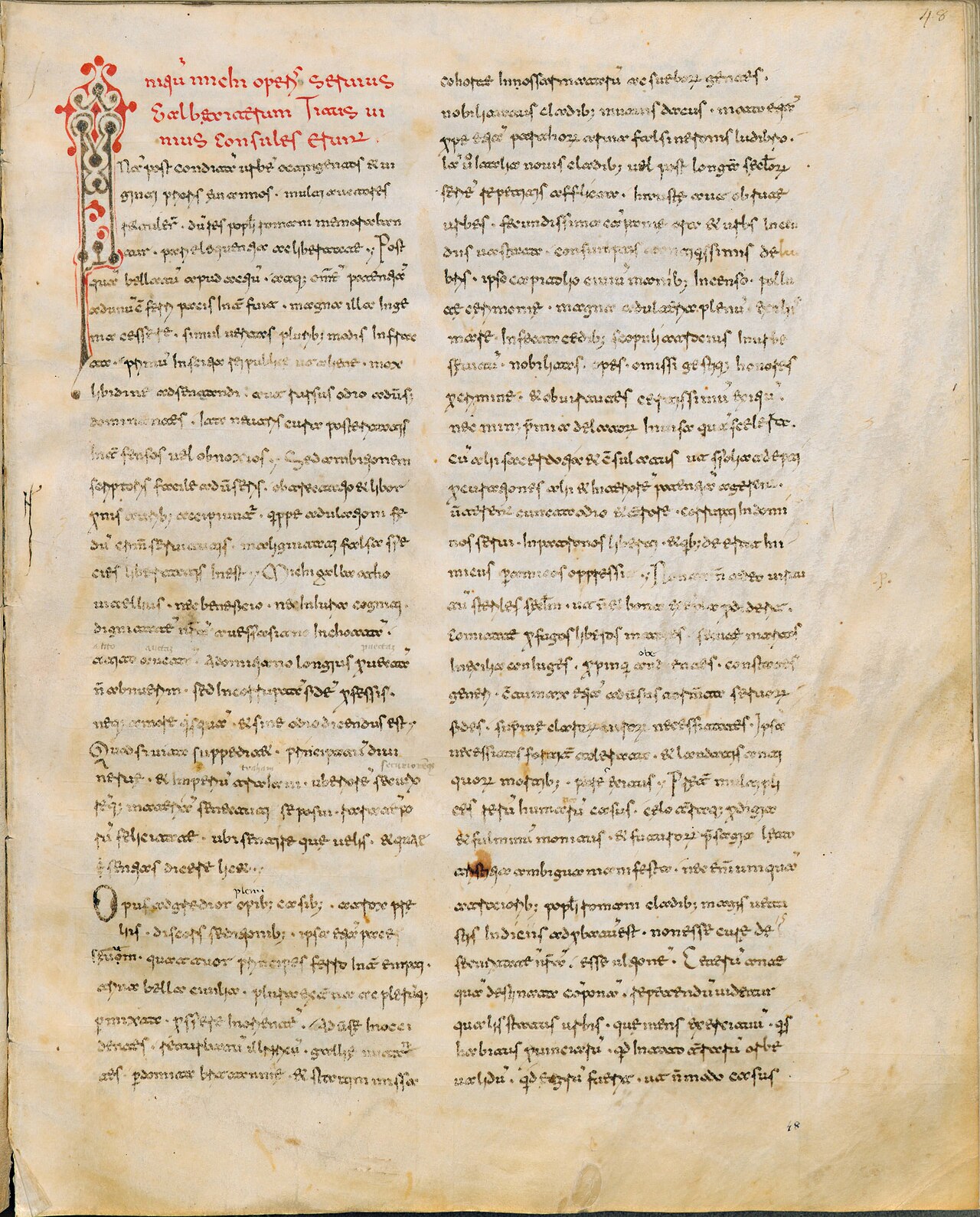
Histories
Tacitus · c. 100-110 AD
 Book
Secondary source
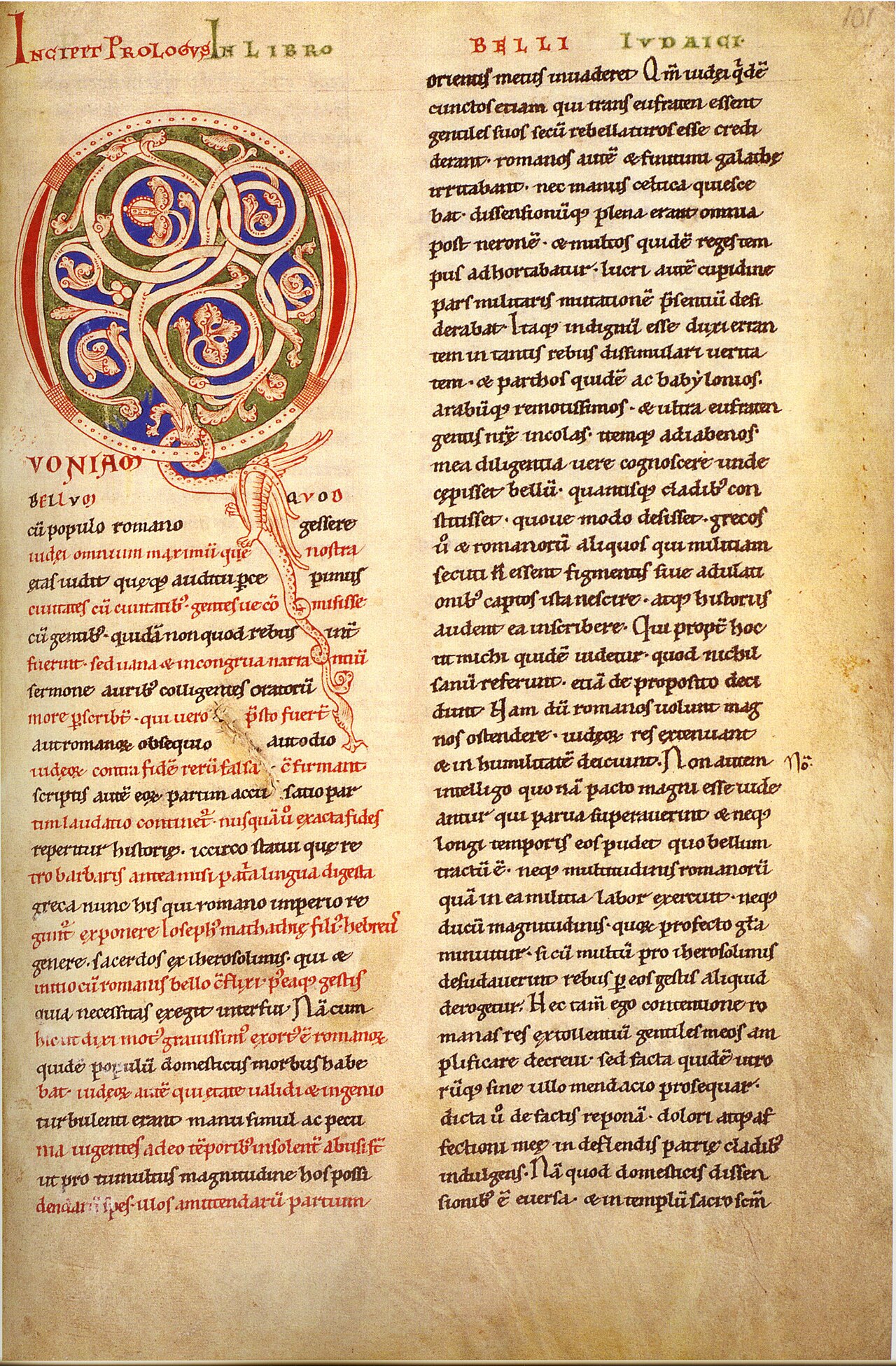
The Jewish War
Josephus · c. AD 75
Free account
Read every Vespasian source
Sign up free →
Ready when you are
Start chatting with Vespasian now.
20 messages free · No credit card · Available in 50+ languages.