


Primary sourceArtifactca. 465-459 BC
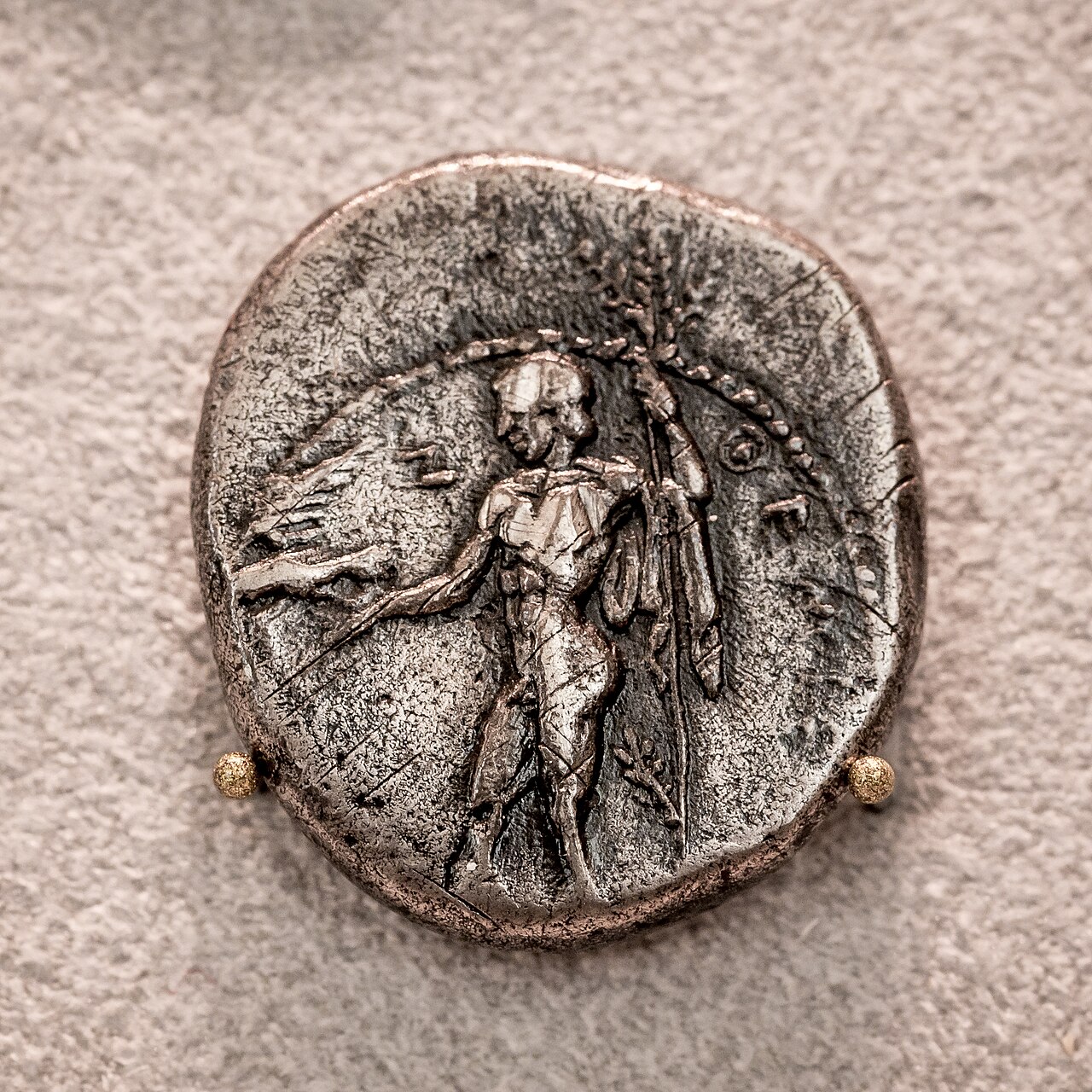
Silver didrachm of satrap Themistokles, Magnesia
ca. 465-459 BC
A silver coin from Magnesia on the Maeander, struck around 465-459 BCE, that bears the name of satrap Themistokles. The record suggests it may belong to his son rather than the general.
A coin in the name of a satrap Themistokles, a figure of the same era who may be a relative rather than the general.
About this source
What it is
This is a silver didrachm, a coin of about 21 mm across and weighing 8.59 grams. It was struck at the mint of Magnesia on the Maeander and is dated to around 465-459 BCE. The Berlin Münzkabinett record gives the inscription ΘΕΜΙΣΤΟΚΛΕΟΣ, and the issuing authority is listed as the satrap Themistokles of Persian-ruled Ionia. The obverse shows Apollo standing with a laurel tree and a bird above his hand. The reverse shows an eagle in an incuse square. The coin is held at the Altes Museum in Berlin.
Why it matters
The coin is a primary object from the same era as the Athenian Themistocles, and its name is the same. The curator's note says it is most likely connected to a son who held the satrapy, not to the general himself. It is still useful evidence that the name was used in the Persian-controlled region of Ionia in the 5th century BCE and that coins were a way for local rulers to show authority.
Look closer
- Which images does the coin use, and what might a ruler want them to say about his power?
- How could a student tell whether this coin refers to the Athenian general or to someone else with the same name?
- What does the coin leave out about the lives of the people who used it?
This artifact is part of the curated material that grounds the AI version of Themistocles on Humy.ai — when students ask about related events, the AI can quote it and cite it.
More Themistocles sources
Browse all 92 →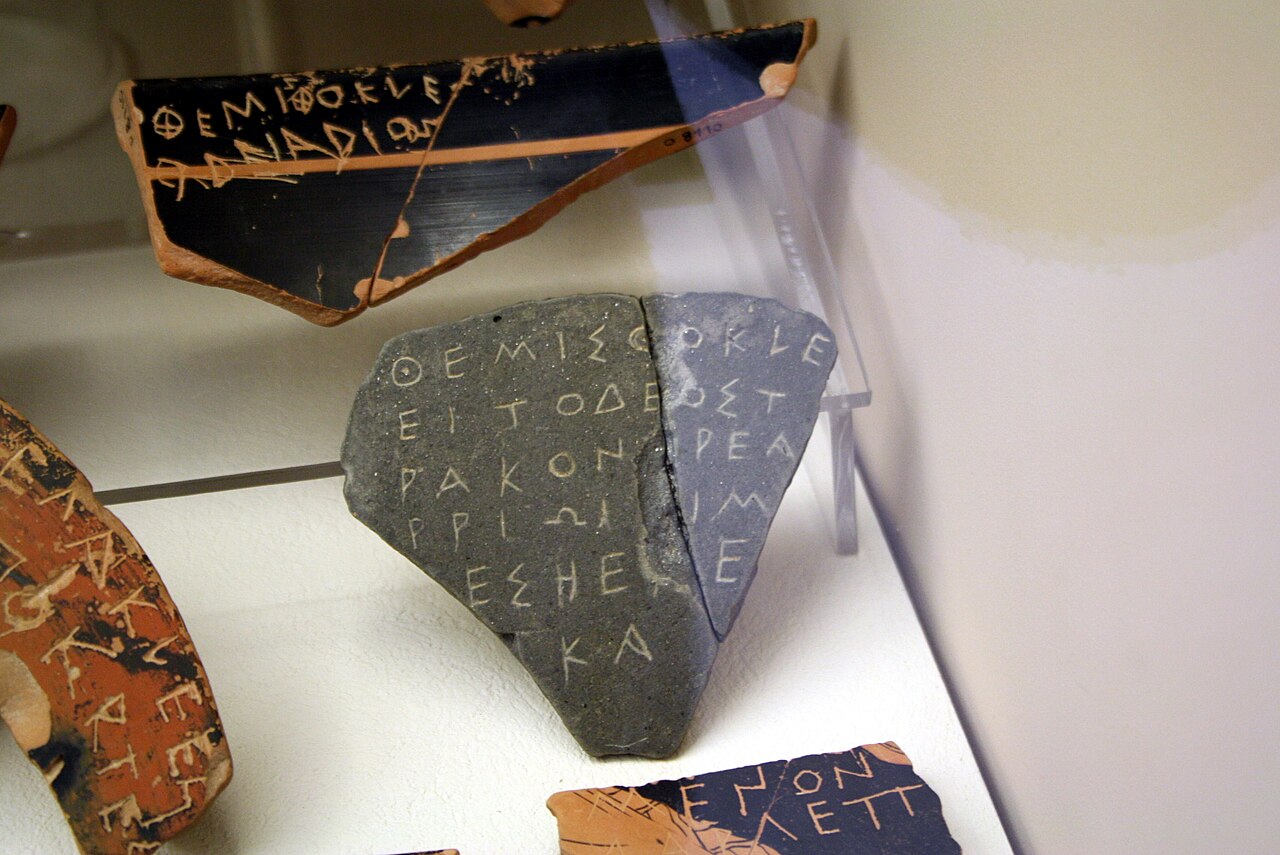 Artifact
Primary source
Ostraka inscribed with the name of Themistocles
Athenian citizens · c. 487-471 BC
 Book
Secondary source
Histories
Herodotus · c. 440 BCE
 Book
Secondary source
The Persians
Aeschylus · 472 BC
 Book
Primary source
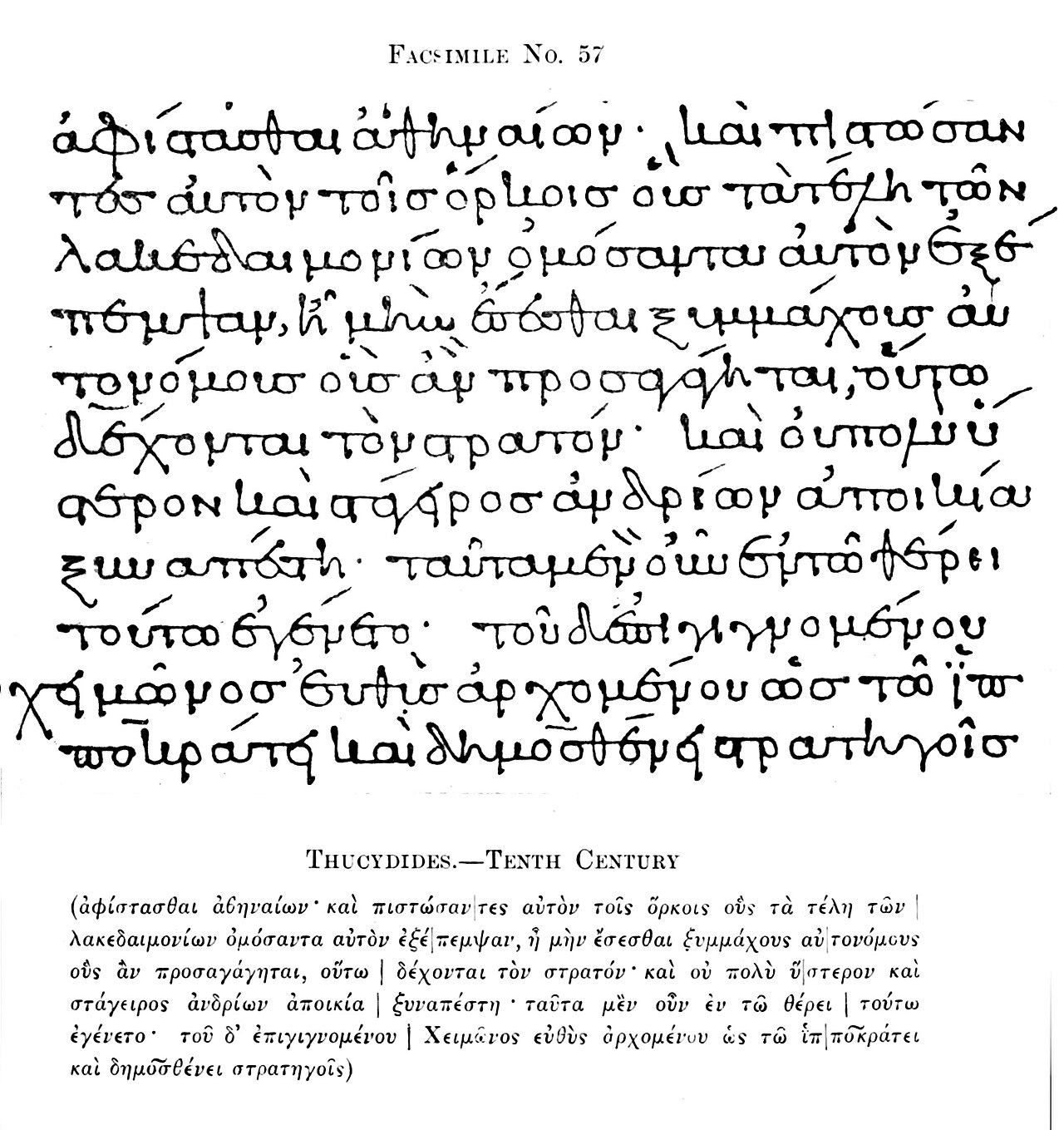
History of the Peloponnesian War
Thucydides · 5th century BCE
Free account
Read every Themistocles source
Sign up free →
Ready when you are
Start chatting with Themistocles now.
20 messages free · No credit card · Available in 50+ languages.