


Primary sourceArtifact1252-1257
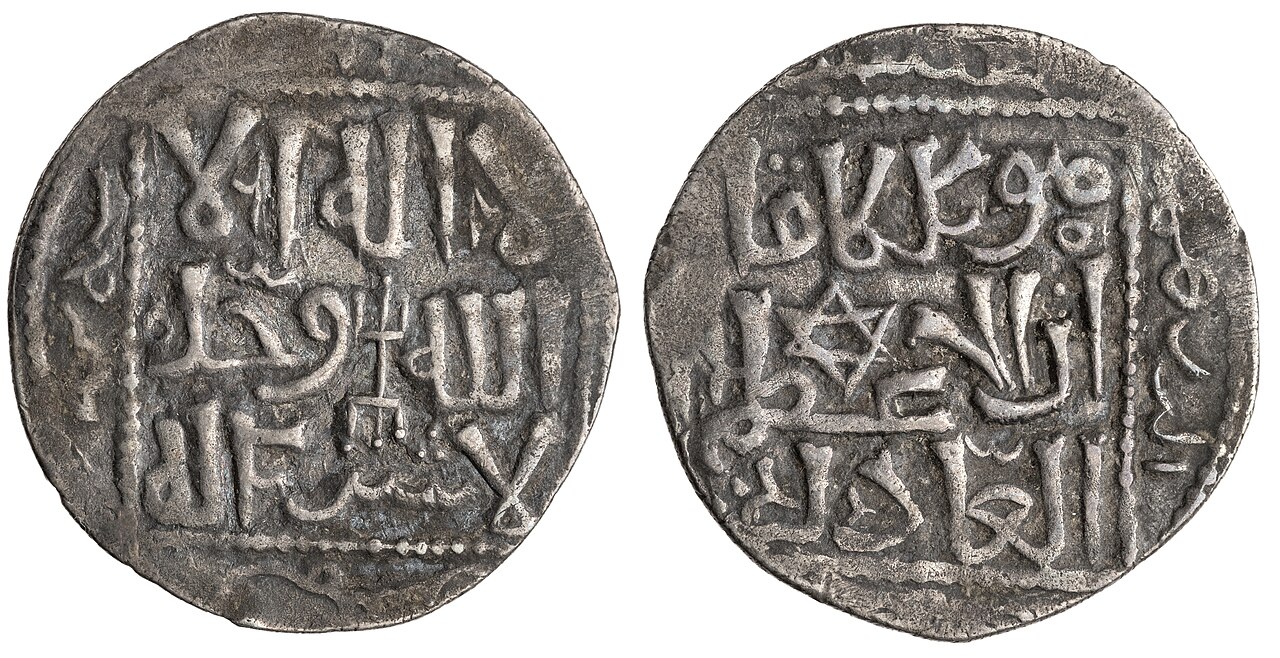
Silver Dirham of Möngke, Tiflis
1252-1257
A silver coin struck in Möngke's name at the mint of Tiflis, bearing Islamic religious and royal inscriptions.
This coin, struck in his name at Tiflis, is physical evidence of Möngke's authority over conquered Georgia.
About this source
What it is
This is a silver dirham coin struck between about 1252 and 1257 at the mint of Tiflis (modern Tbilisi), under the authority of Möngke Khan. The obverse carries the Islamic declaration of faith, and the reverse names Möngke as khan, calling him "the Supreme, the Just." It is held in the collection of the American Numismatic Society.
Why it matters
Coins like this show how the Mongol Empire ruled over conquered territories such as Georgia by continuing local minting practices and local languages and religious formulas, while stamping the Great Khan's name and authority onto everyday currency. It reveals Möngke's reach as a ruler over diverse peoples and faiths.
Look closer
- Why would a Mongol khan's coin use an Islamic religious inscription?
- What does the choice of titles like "the Supreme, the Just" tell us about how Möngke wanted to be seen?
- What does this coin suggest about how the Mongols managed the many different regions and peoples they conquered?
This artifact is part of the curated material that grounds the AI version of Möngke Khan on Humy.ai — when students ask about related events, the AI can quote it and cite it.
More Möngke Khan sources
Browse all 36 →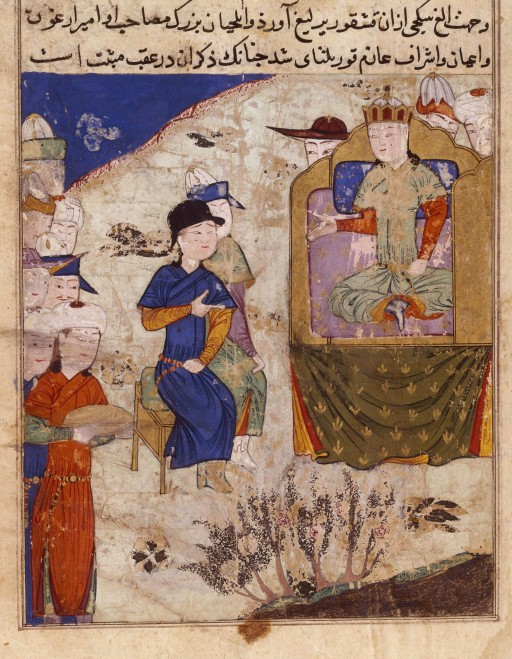 Painting
Secondary source
Audience with Möngke
Abdullâh Sultân (atelier), Shiraz · 1438
 Painting
Secondary source
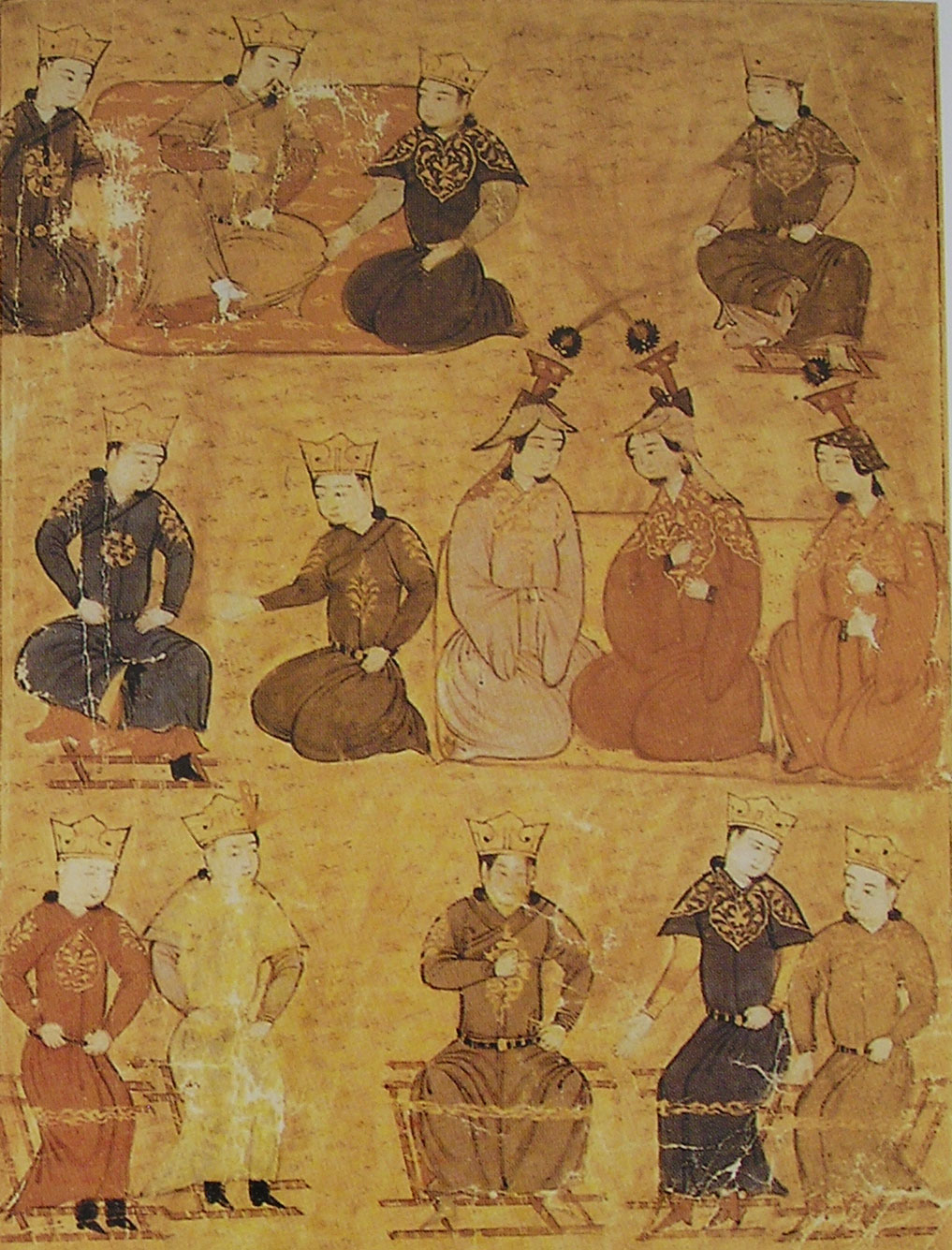
Möngke Khan in the Chronicle of Rashid al-Din
Rashid al-Din (text); unnamed court painter
 Painting
Secondary source
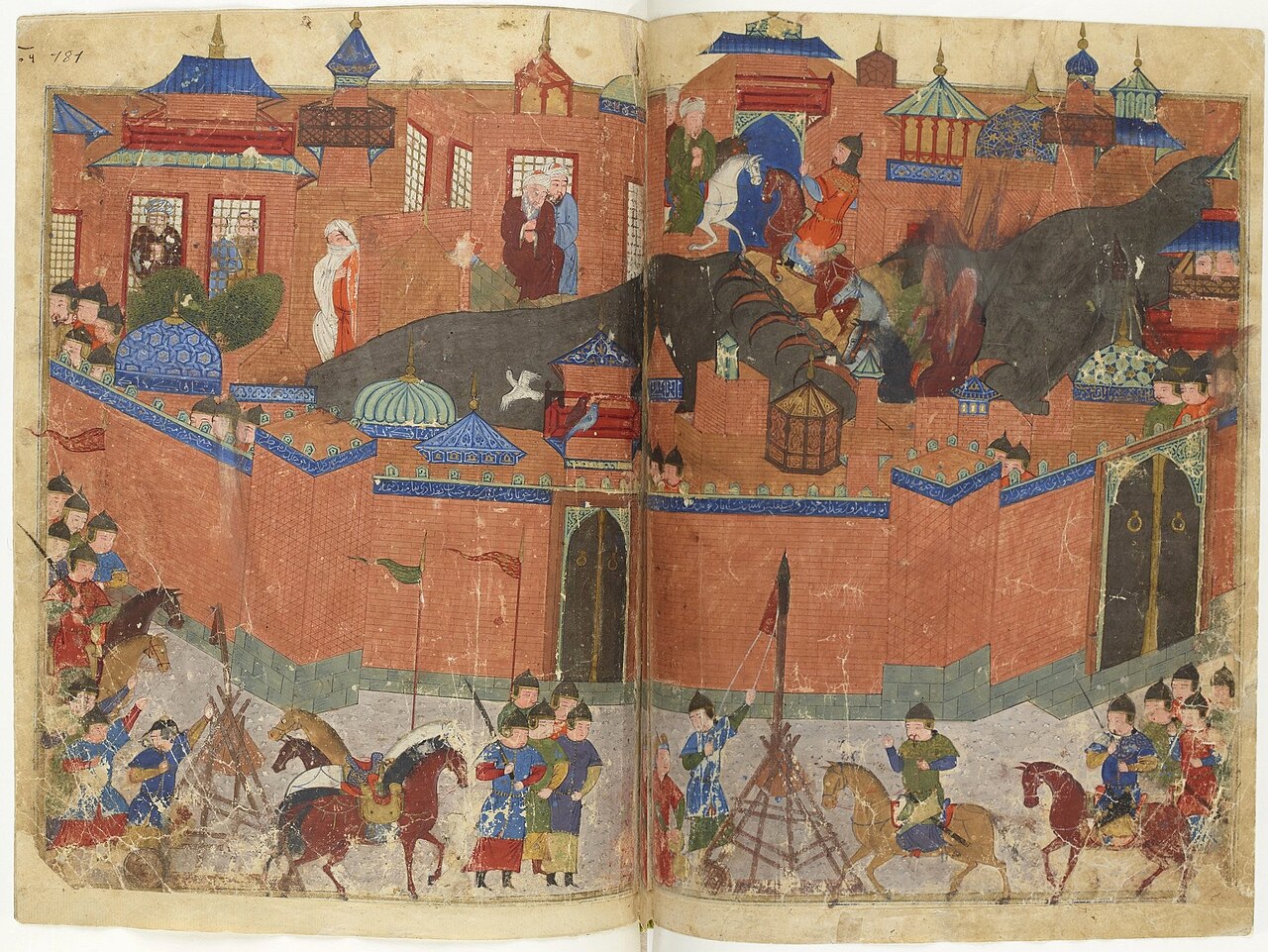
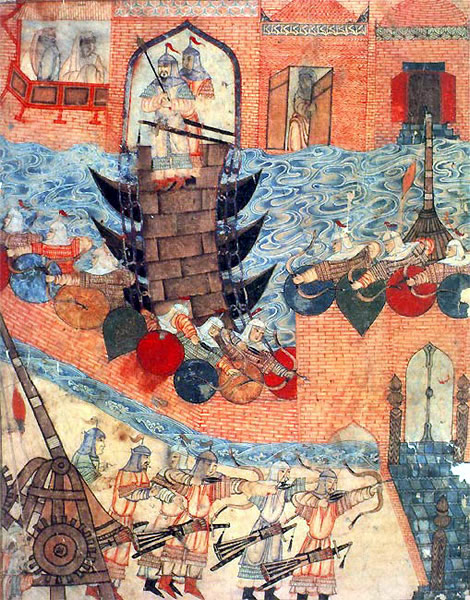
Mongols Besieging Baghdad in 1258
Sayf al-Vahidi · c. 1430-1434
 Painting
Secondary source
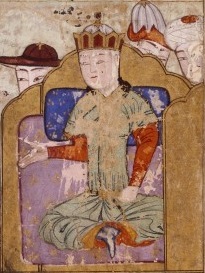
Portrait of Möngke Khan
Free account
Read every Möngke Khan source
Sign up free →
Ready when you are
Start chatting with Möngke Khan now.
20 messages free · No credit card · Available in 50+ languages.