


Primary sourceArtifact1646–1649
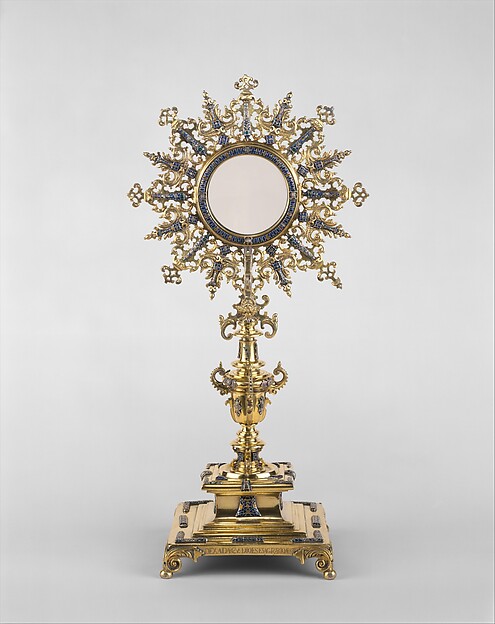
Silver Gilt Monstrance by Diego de Atienza
Diego de Atienza · 1646–1649
An ornate silver-gilt monstrance made in colonial New Spain, reflecting the mining wealth of the era in which Oñate's family operated.
Reflects the silver-mining wealth of colonial New Spain that the Oñate family's fortune and activities were tied to.
About this source
What it is
This is a silver-gilt monstrance made between 1646 and 1649 by the silversmith Diego de Atienza. It has a radiating sunburst top around a circular glass window, an ornate stem, and a decorated base with an inscription. It is held today in The Metropolitan Museum of Art.
Why it matters
Though made after Oñate's lifetime, this object shows the kind of lavish religious silverwork produced in New Spain using wealth from colonial silver mining, an industry tied to the Oñate family's fortune and activities. It reflects the colonial economy and Catholic religious culture of the period.
Look closer
- What does the material (silver) and craftsmanship of this object suggest about the wealth of colonial New Spain?
- Why would religious objects like this be made so elaborately?
- What connection, if any, can you draw between this object and the silver mining wealth associated with families like the Oñates?
This artifact is part of the curated material that grounds the AI version of Juan de Oñate on Humy.ai — when students ask about related events, the AI can quote it and cite it.
More Juan de Oñate sources
Browse all 28 →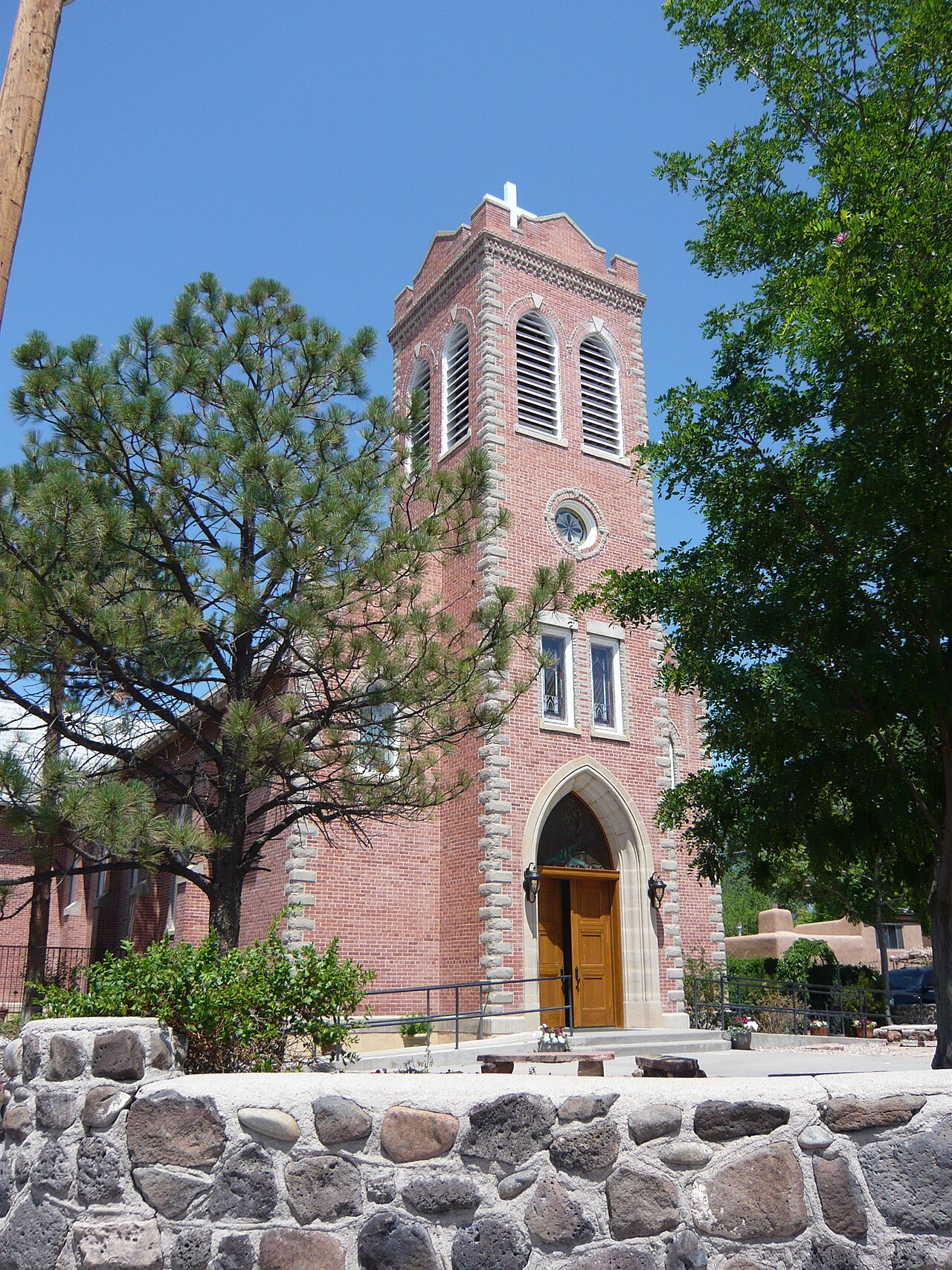 Artifact
Secondary source
Ohkay Owingeh
1540 (pueblo); 1598 (Spanish capital)
 Document
Primary source
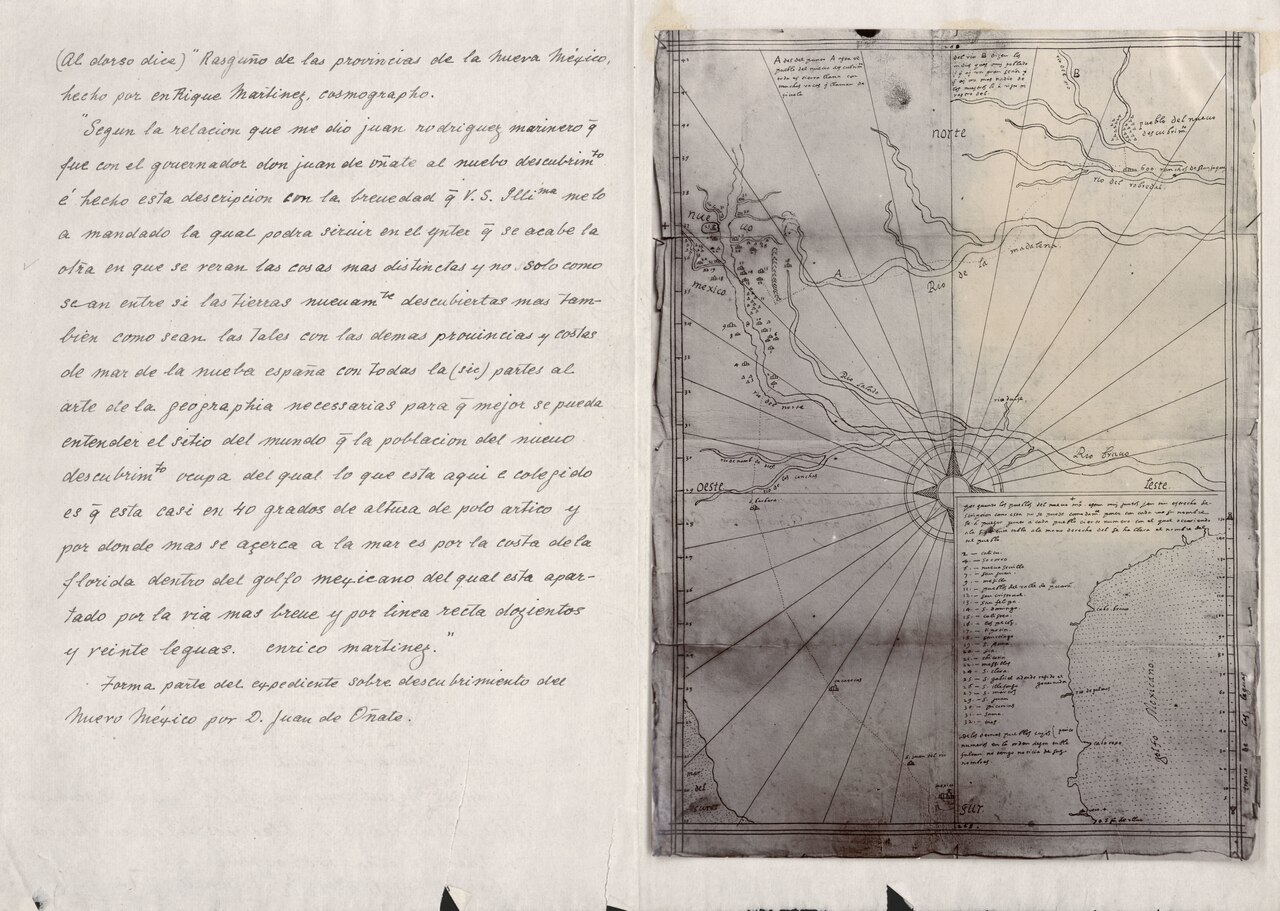
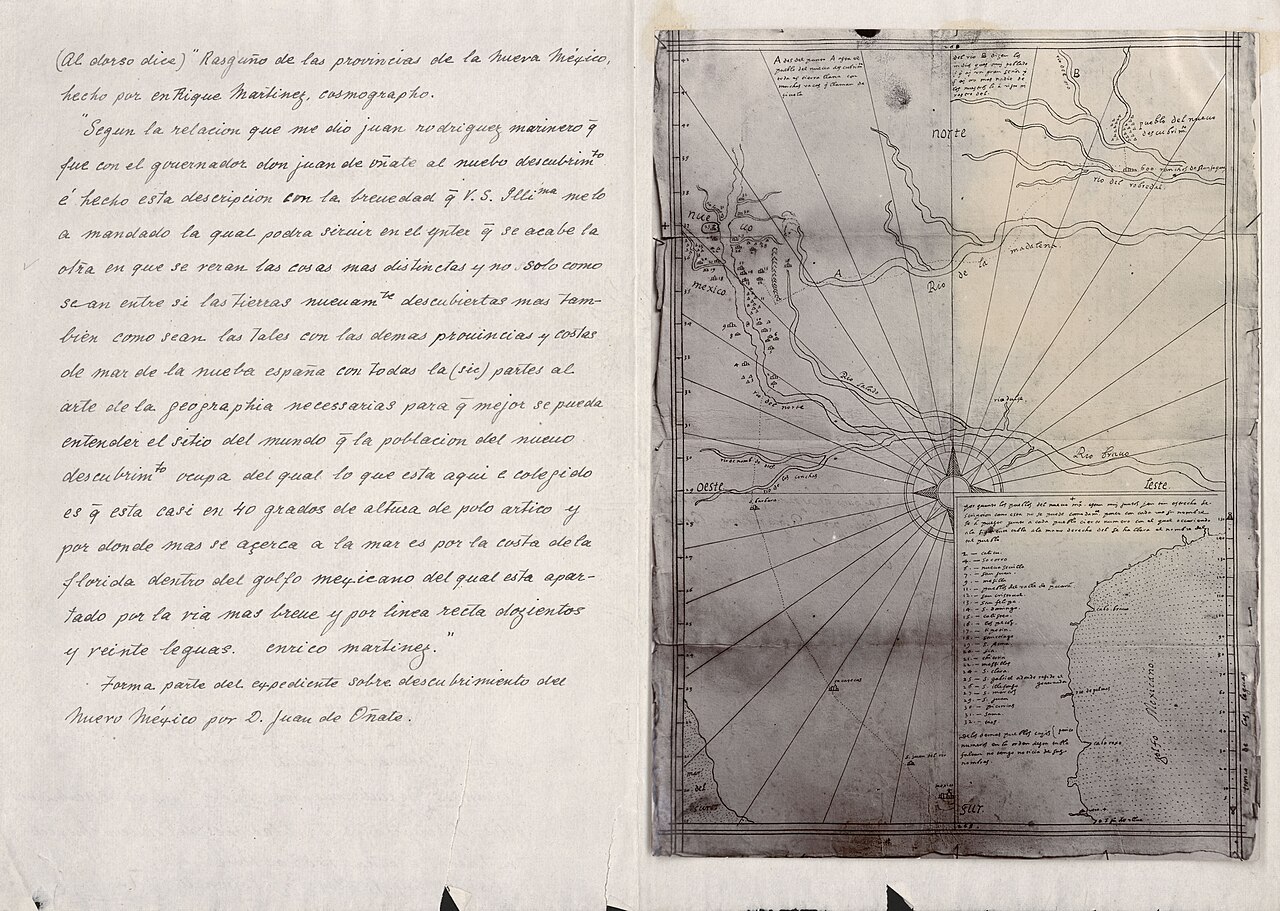
Rasguño de las provincias de la Nueva México
Enrico Martínez · c. 1602
 Book
Secondary source
The Spanish Borderlands: a chronicle of old Florida and the Southwest
Herbert Eugene Bolton · 1921
 Diary entry
Primary source
Diary of Fray Francisco de Escobar on the Colorado River expedition
Francisco de Escobar · 1605

Free account
Read every Juan de Oñate source
Sign up free →
Ready when you are
Start chatting with Juan de Oñate now.
20 messages free · No credit card · Available in 50+ languages.