


Primary sourceArtifact976–1025
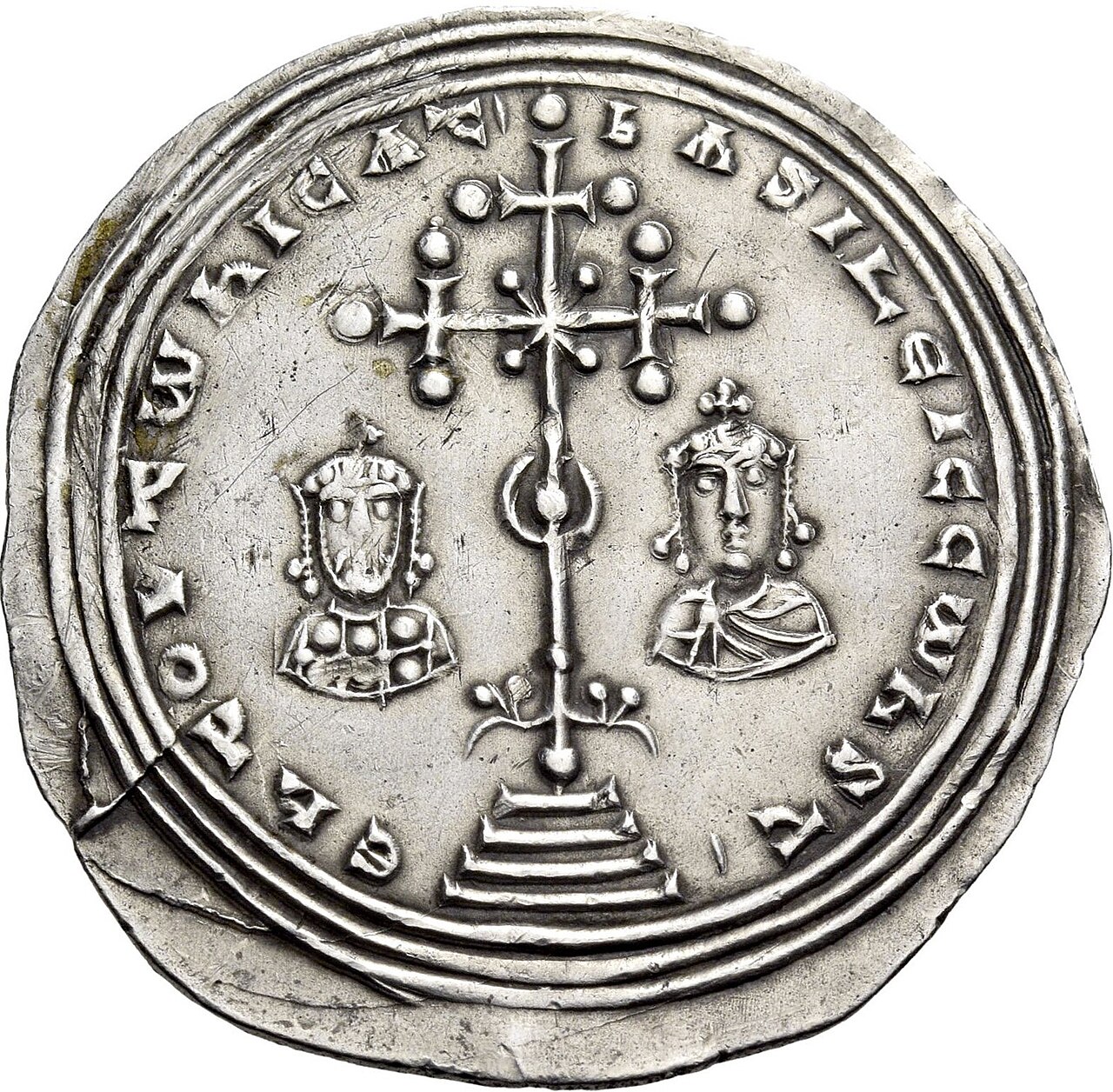
Silver Miliaresion of Basil II and Constantine VIII
Constantinople mint · 976–1025
A silver coin struck at Constantinople showing busts of Basil II and his brother Constantine VIII flanking a cross, documenting their joint rule.
This coin was issued under Basil II's authority and names him alongside his co-emperor brother, showing his control of imperial coinage.
Free Humy account · No credit card · 120,912 sources to read
About this source
What it is
This is a silver coin called a miliaresion, struck at the imperial mint in Constantinople sometime between 976 and 1025. It shows a patriarchal cross with busts of two crowned emperors on either side, identified by Greek inscriptions as Basil and Constantine. Examples are held today at Dumbarton Oaks and the British Museum.
Why it matters
The coin names both Basil II and his brother Constantine VIII, who officially shared the throne even though Basil held real power for most of their joint reign. Coins like this were a way for emperors to broadcast their authority across the empire, and the design reflects a wider pattern of Byzantine coinage changing over the centuries to add more imperial and religious imagery.
Look closer
- Why might two rulers be shown together on the same coin instead of just one?
- What do the cross and inscriptions tell you about what mattered to the people who made this coin?
- What can a coin tell historians that a written text cannot?
This artifact is part of the curated material that grounds the AI version of Basil II on Humy.ai — when students ask about related events, the AI can quote it and cite it.
More Basil II sources
Browse all 71 →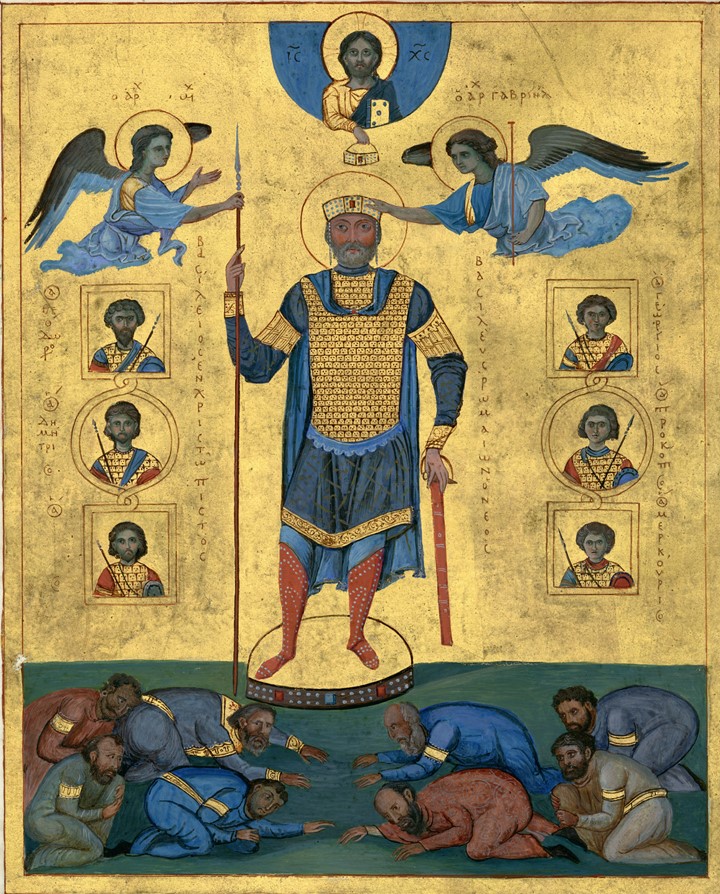 Painting
Primary source
Portrait of Basil II
Unknown Byzantine artist · early 11th century
 Painting
Secondary source
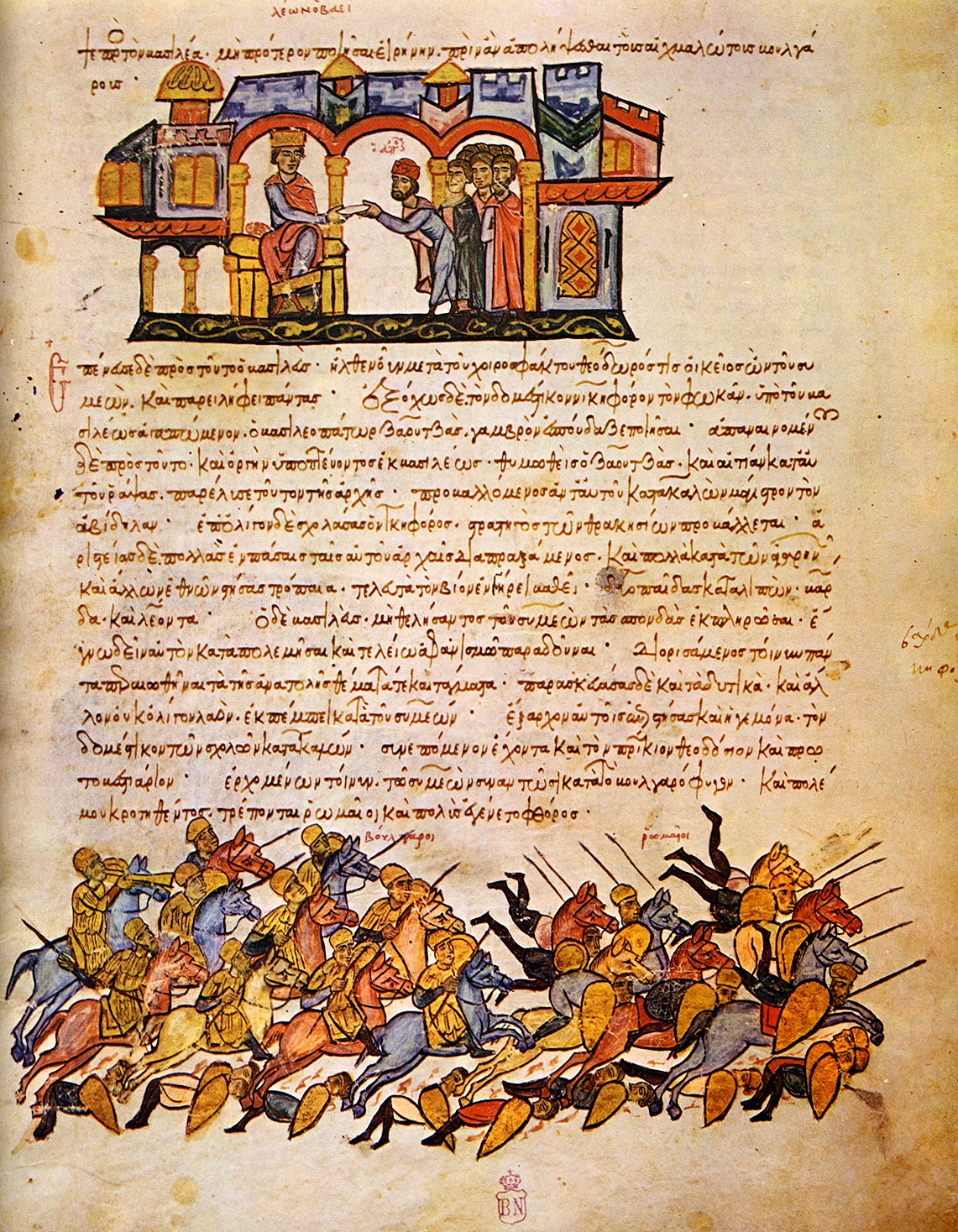
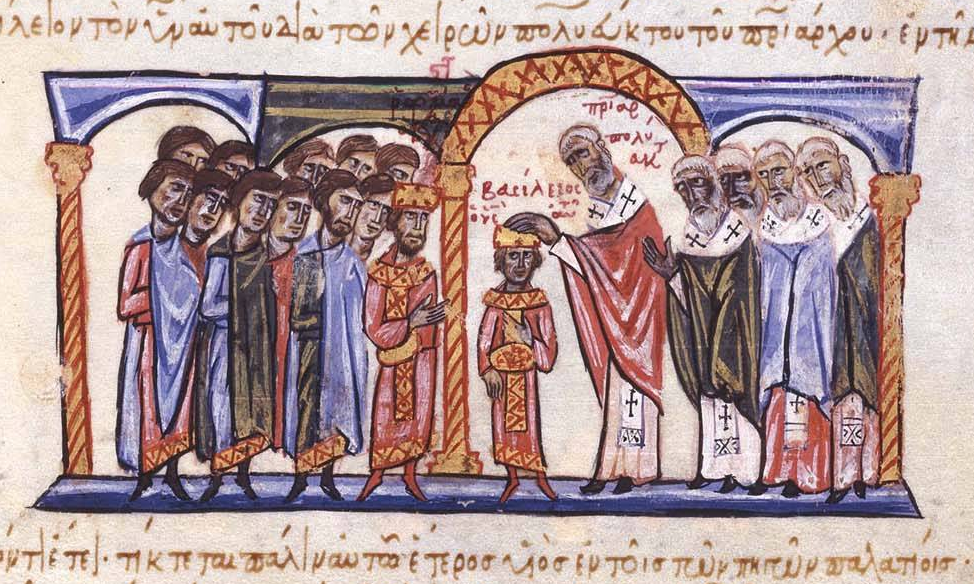
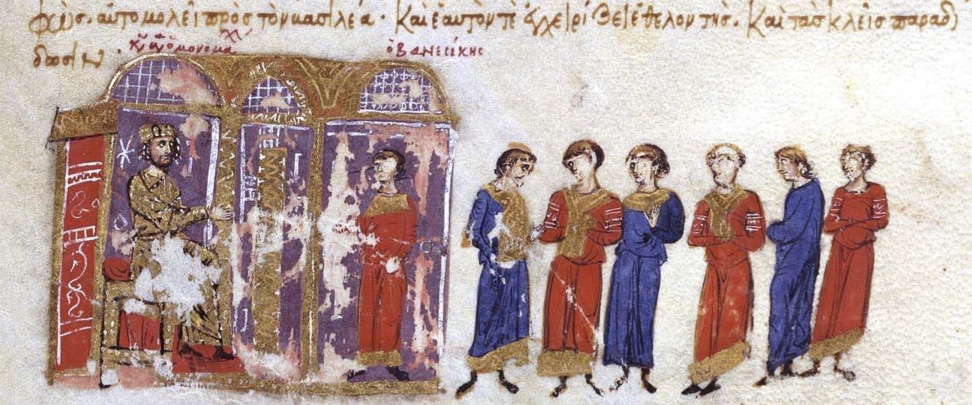
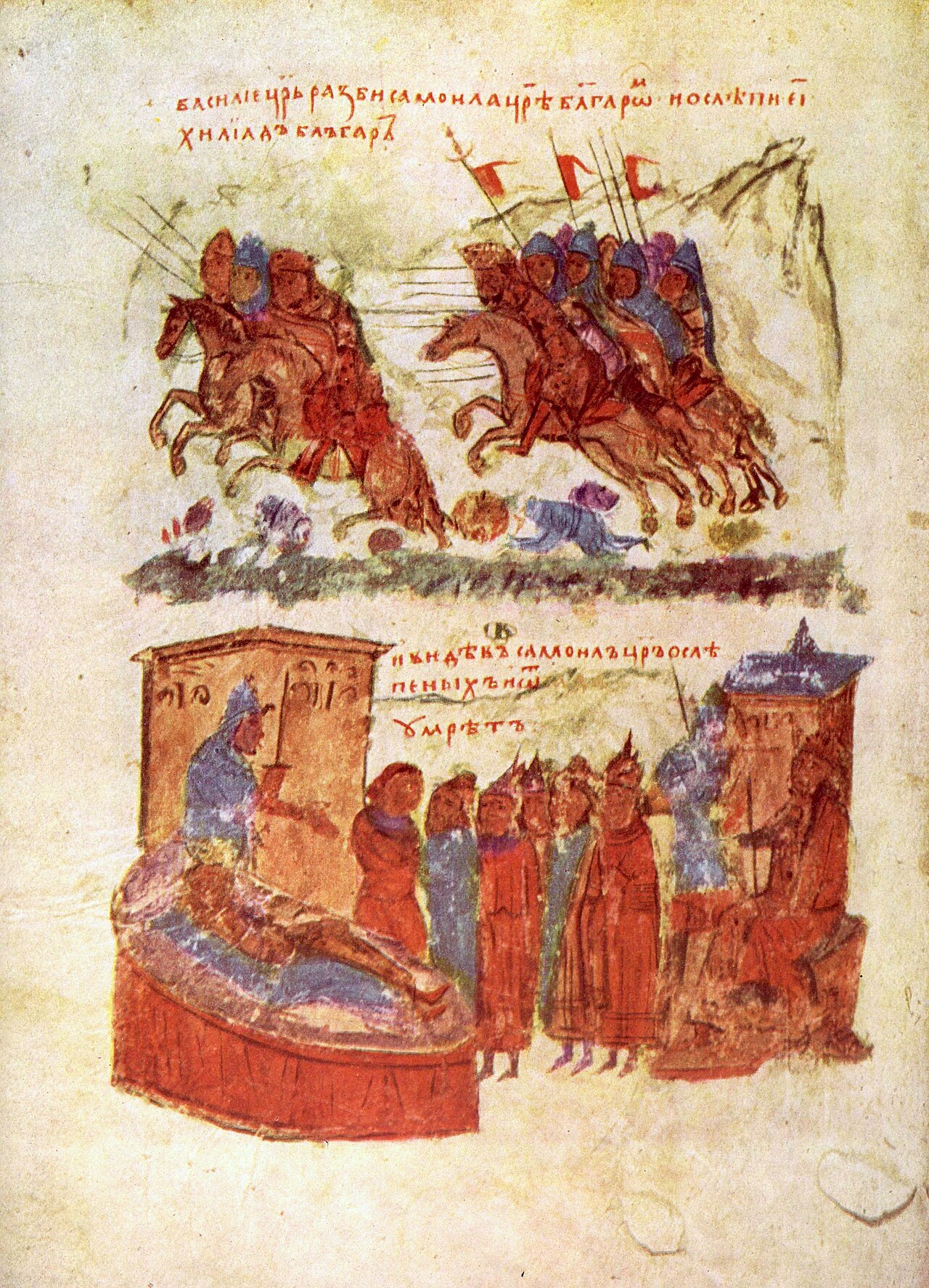
Madrid Skylitzes
John Skylitzes · 12th century
 Book
Primary source
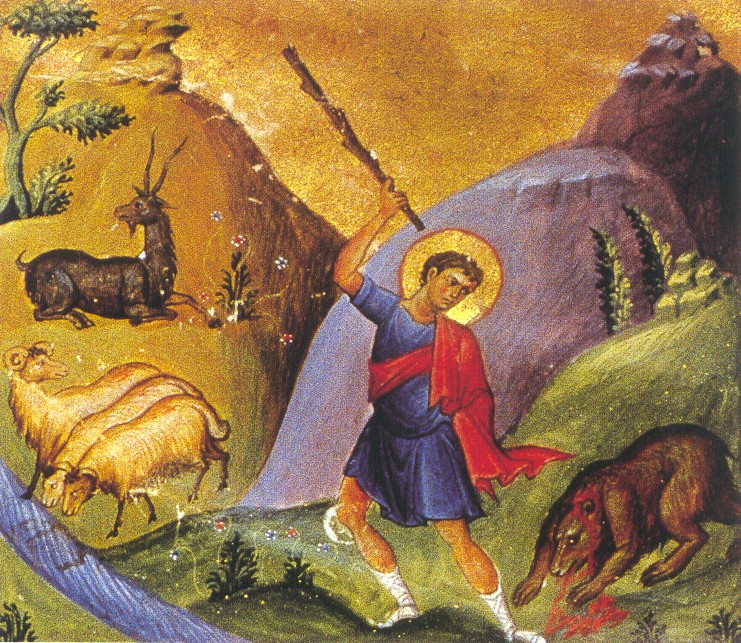
Psalter of Basil II
Unknown Byzantine artist · 1017
 Artifact
Primary source
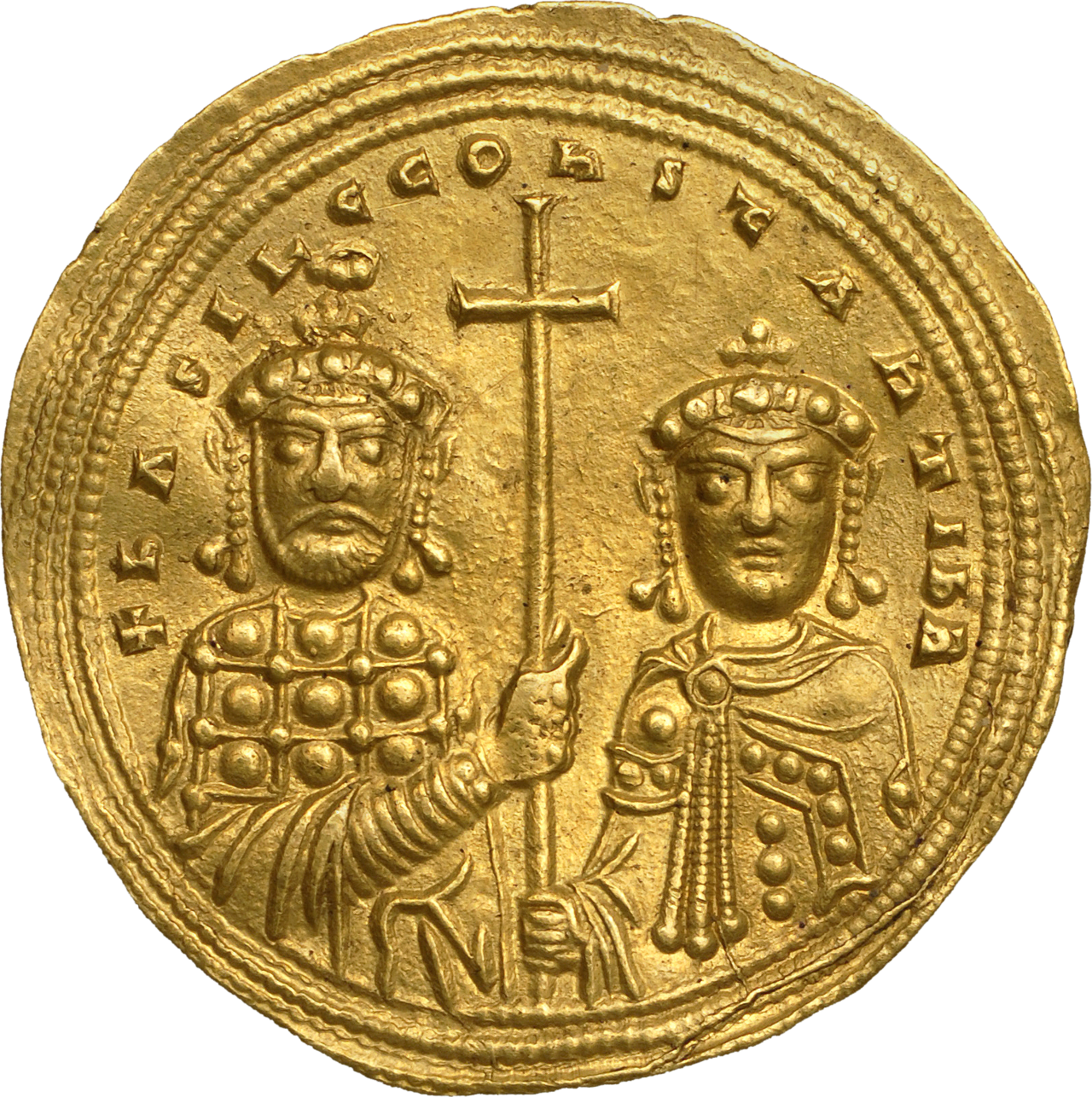
Gold histamenon of Basil II and Constantine VIII
Constantinople mint · 976–1025
Free account
Read every Basil II source
Sign up free →
Ready when you are
Start chatting with Basil II now.
20 messages free · No credit card · Available in 50+ languages.