


Primary sourceArtifact1016-1035
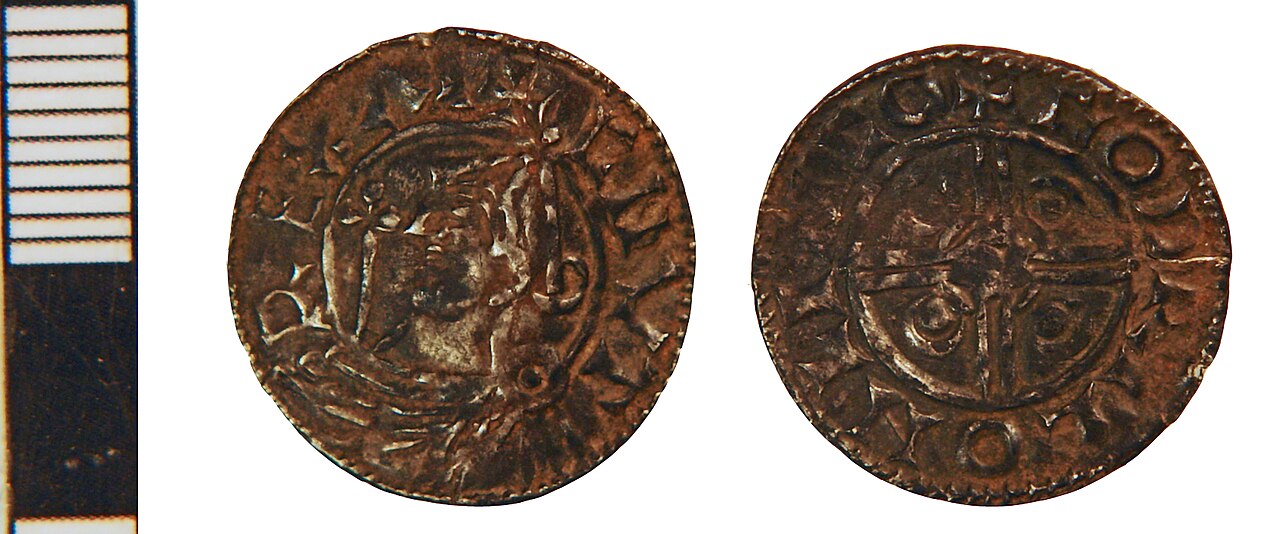
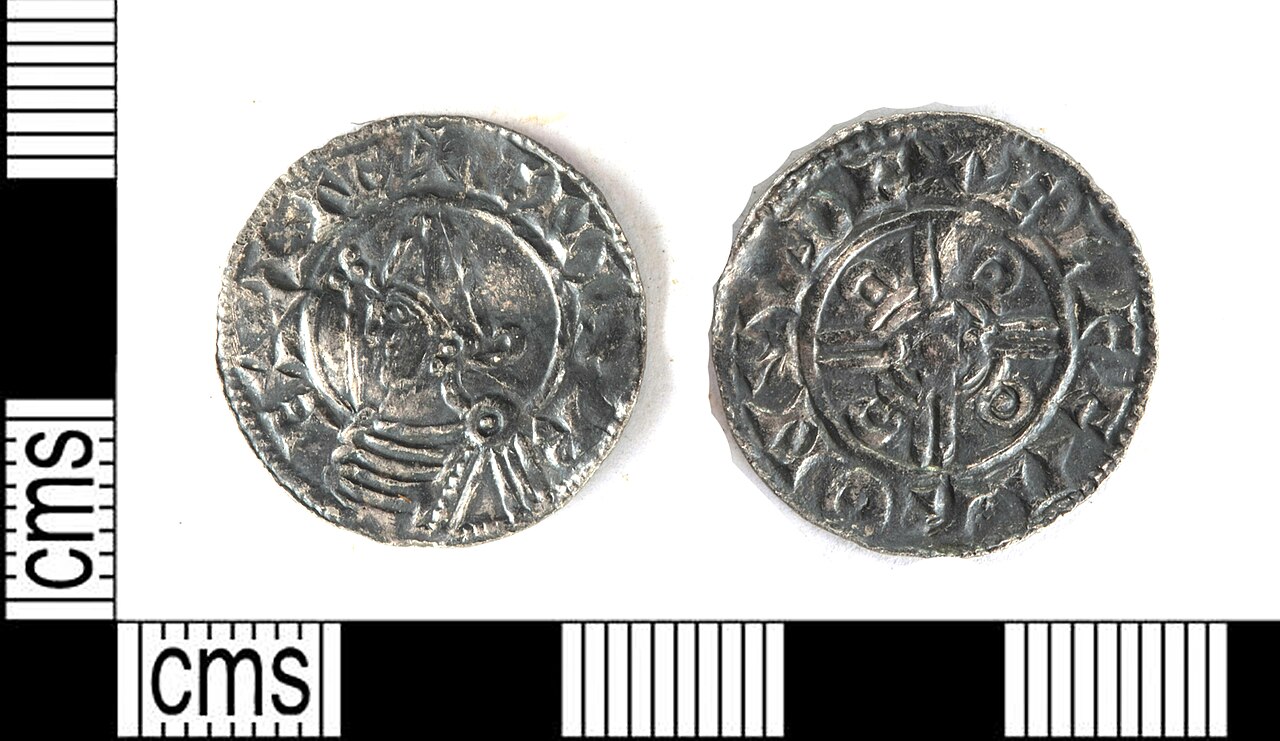
Silver Penny of Cnut, Lincoln Mint, Moneyer Godric
1016-1035
A small silver penny of Cnut struck at the Lincoln mint by the moneyer Godric. It shows how royal coins were produced by named local craftsmen.
Shows Cnut as the king named on the coin, with the moneyer Godric naming the Lincoln mint that struck it.
About this source
What it is
This is a silver penny of Cnut from the Lincoln mint, recorded by North Lincolnshire Museum. The obverse shows a helmeted, draped bust facing left with a sceptre, and the inscription reads CNVT REX. The reverse has a short cross and the inscription GODRIC ON LINCO, naming the moneyer Godric. The record dates it to 1016-1035 and gives its diameter as 18.7mm and its weight as 0.90 grams.
Why it matters
Pennies named the moneyer who struck them, so a coin like this connects the king to the local craftsman who made it. Godric's name on the reverse shows that minting was organised across many towns. The record notes that the identification was made by the finder and compared with a published catalogue.
Look closer
- Why do you think the moneyer's name was placed on the coin beside the king's?
- What does the bust and sceptre tell you about how the king wanted to be seen?
- What does the coin not show about the people who made it and used it?
This artifact is part of the curated material that grounds the AI version of Canute the Great on Humy.ai — when students ask about related events, the AI can quote it and cite it.
More Canute the Great sources
Browse all 75 →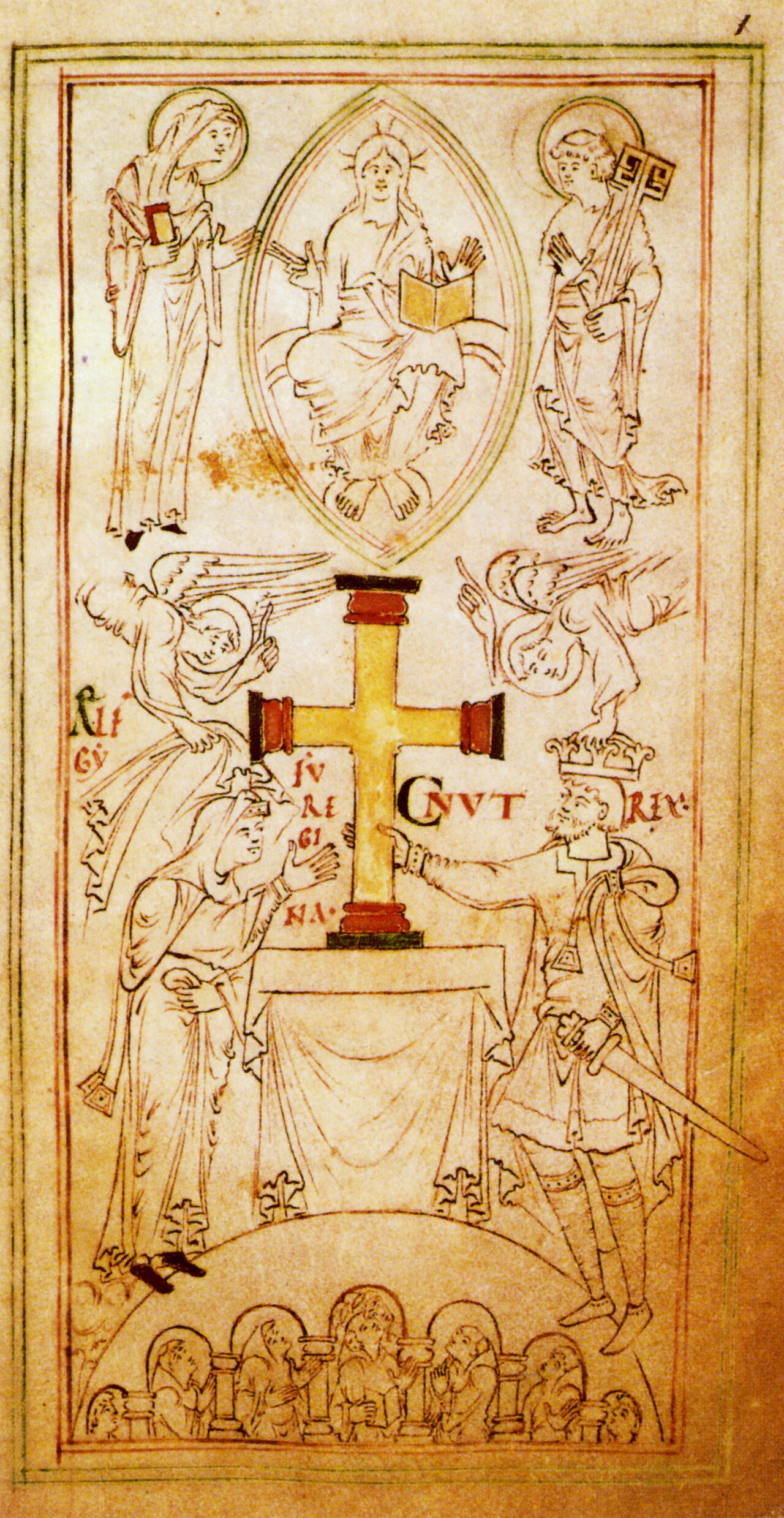 Painting
Primary source
Canute and Ælfgifu
c. 1031
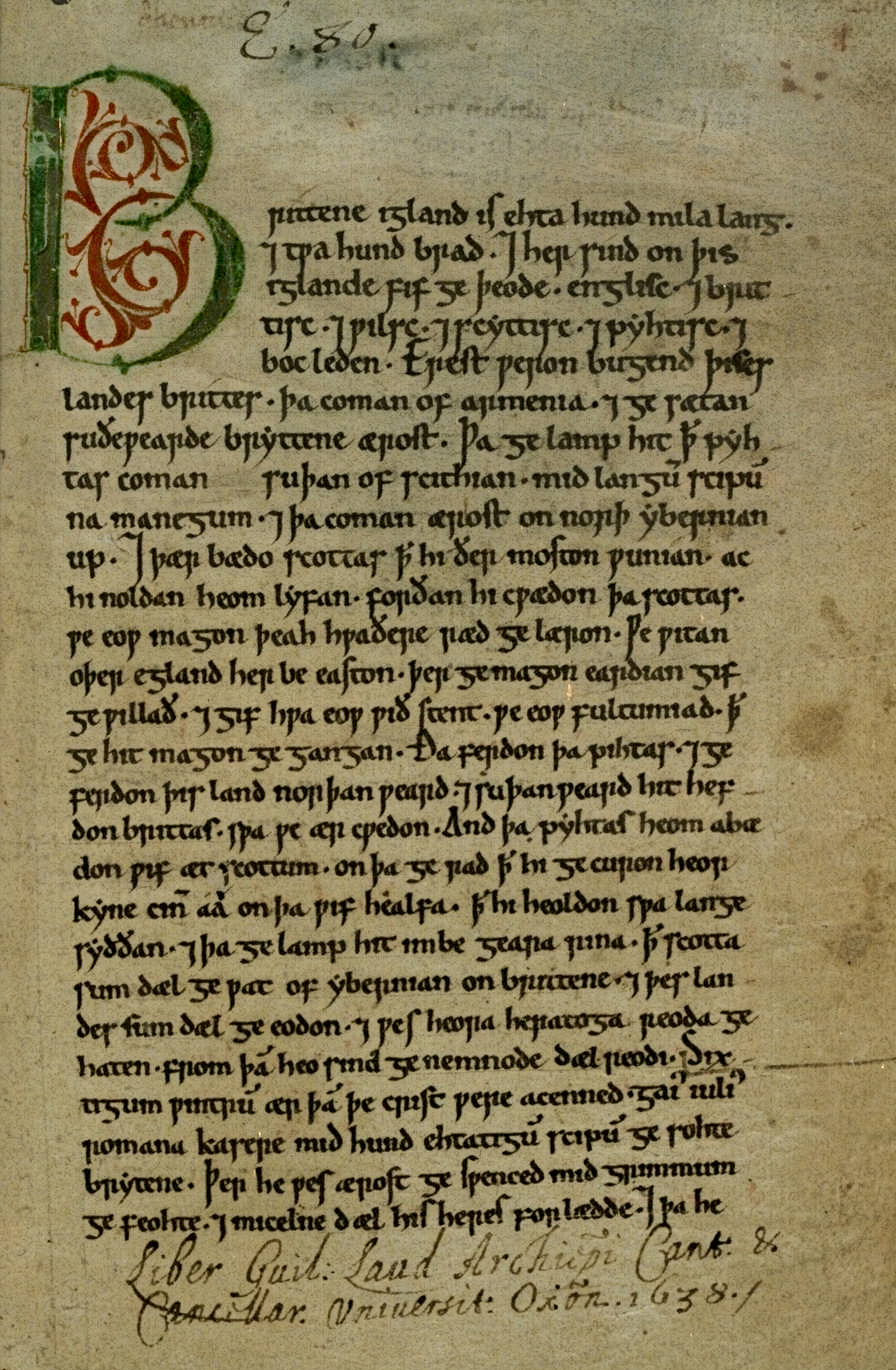 Document
Primary source
Anglo-Saxon Chronicle
c. 890 (Common Stock)
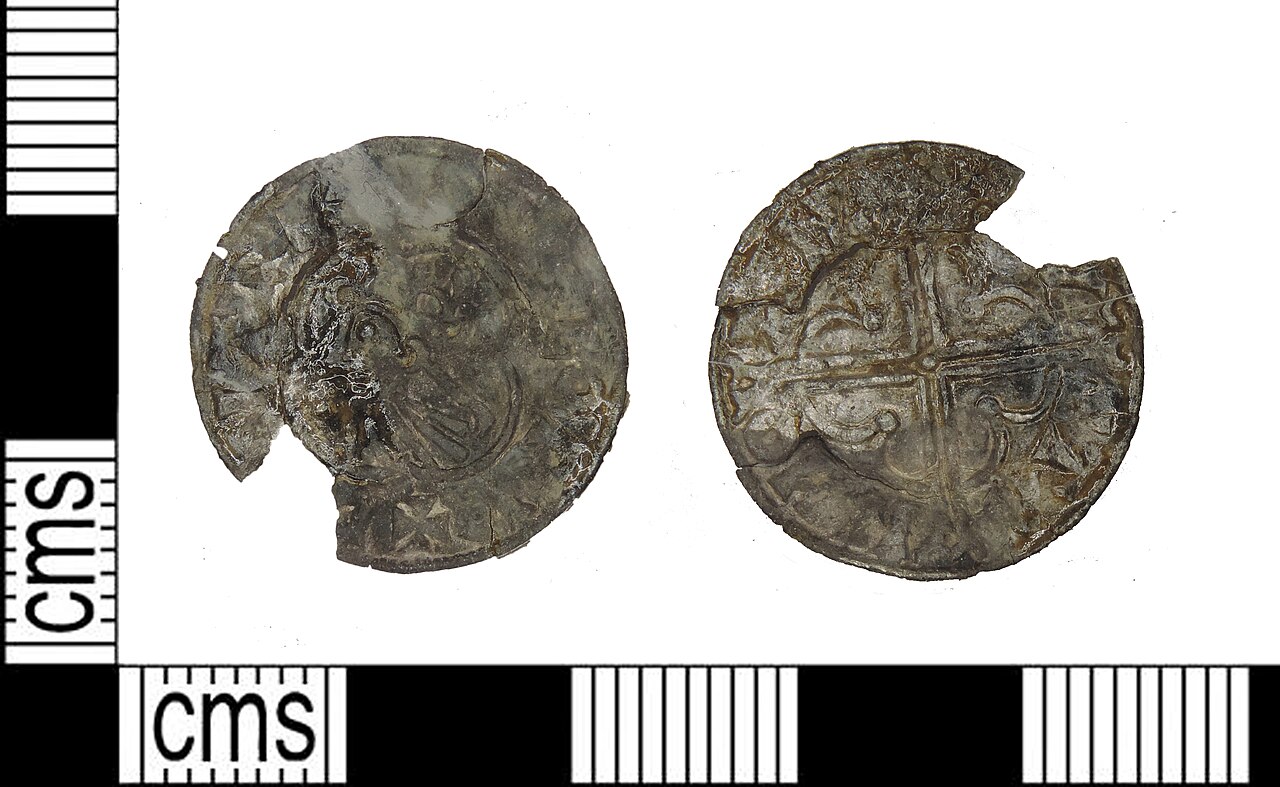 Artifact
Primary source
Silver Penny of Cnut (Quatrefoil Type)
English royal moneyers · c. 1017-1023
 Artifact
Primary source
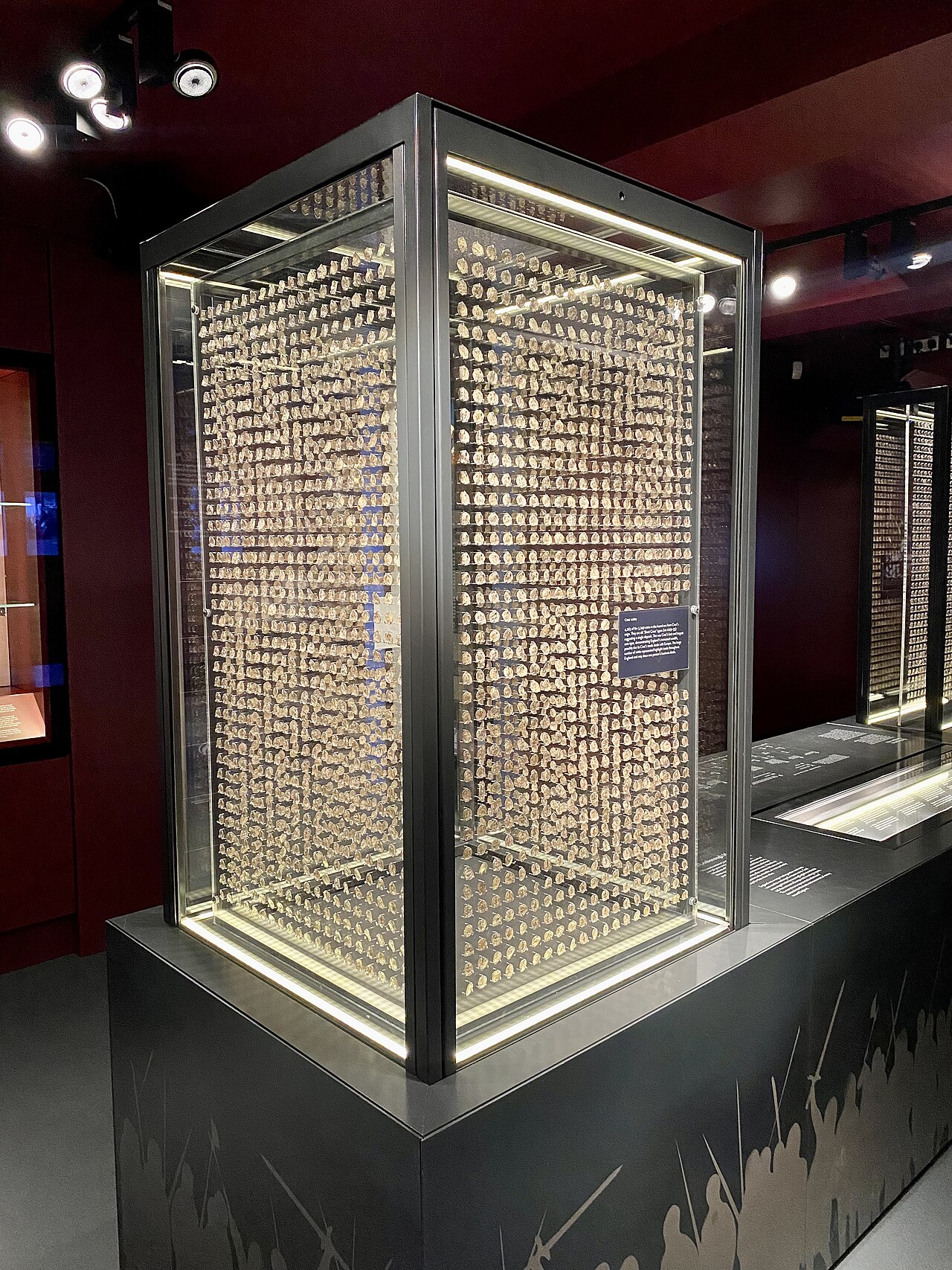
Lenborough Hoard
1020s (found 2014)

Free account
Read every Canute the Great source
Sign up free →
Ready when you are
Start chatting with Canute the Great now.
20 messages free · No credit card · Available in 50+ languages.