


Primary sourceArtifactbetween 1016 and 1035
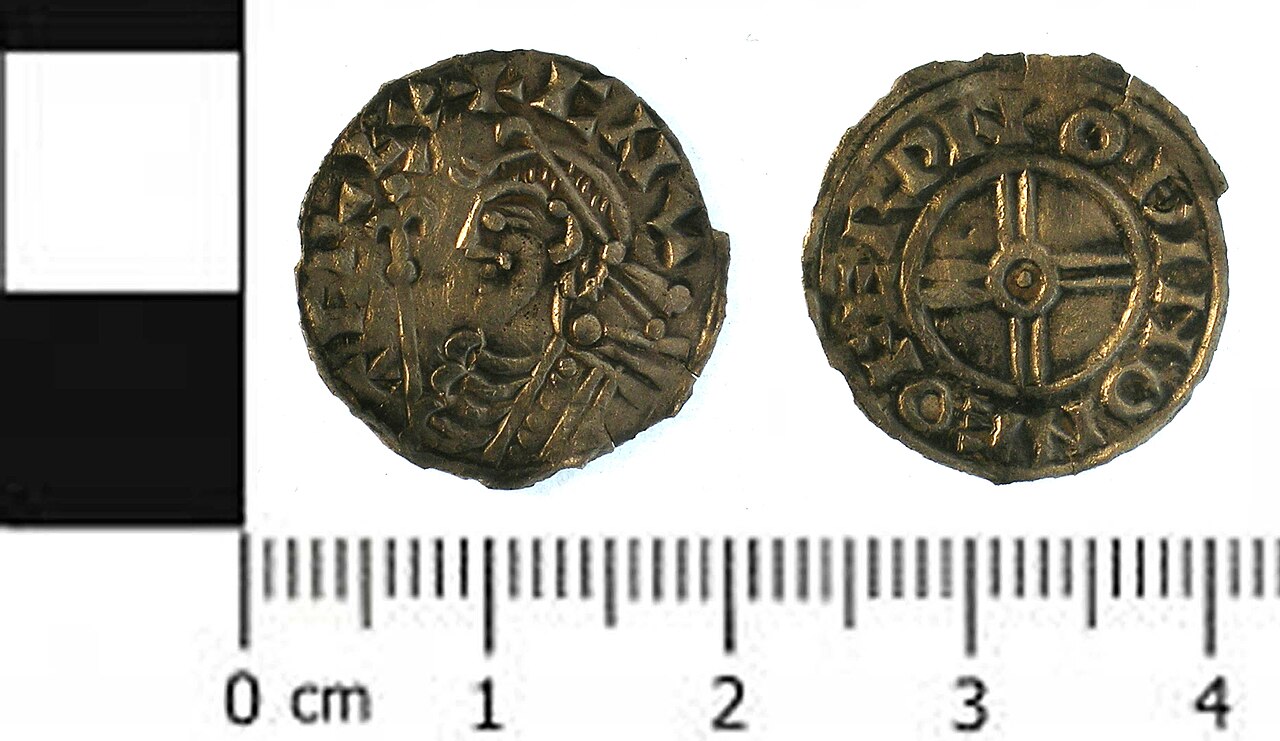
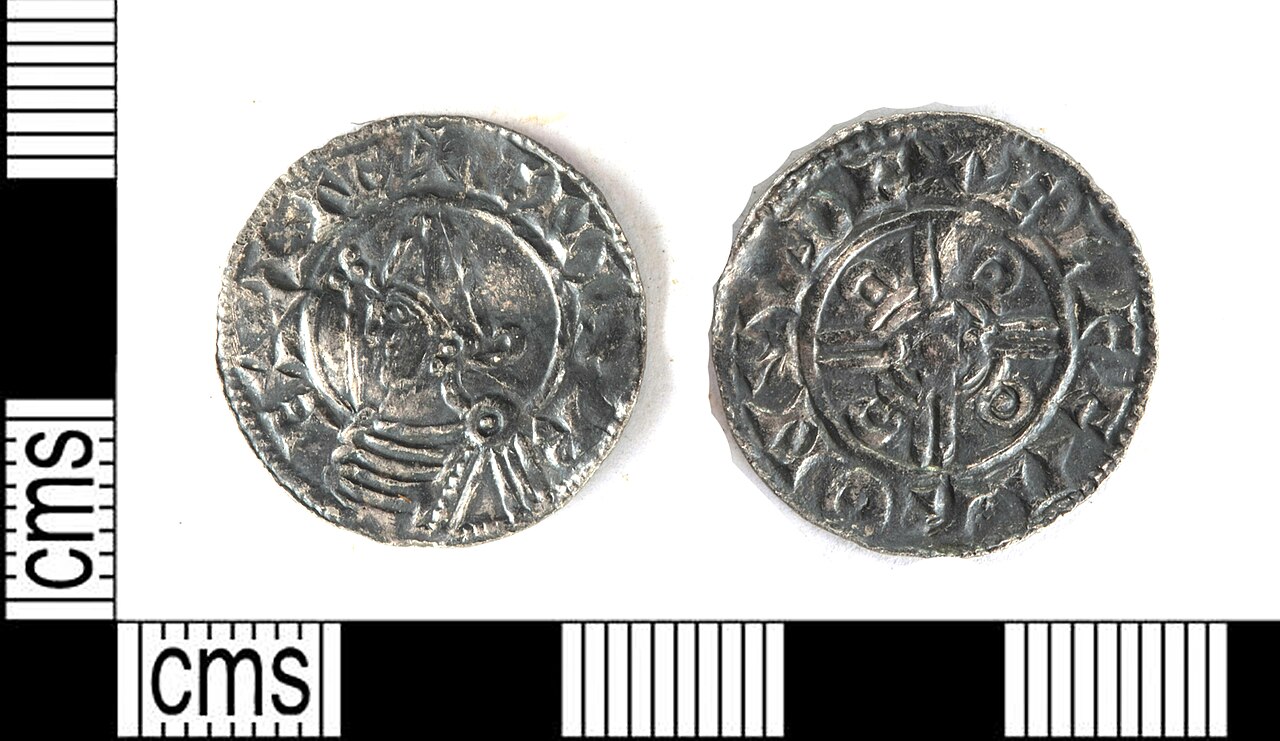
Silver Penny of Cnut, York Mint, Moneyer Othin
between 1016 and 1035
A worn silver penny minted under Cnut at York by the moneyer Othin, naming the king through his coinage.
This coin, struck at York under Cnut's name, is direct evidence of his royal coinage system in England.
About this source
What it is
This is a short cross type silver penny issued during the reign of King Cnut, struck at the York mint by a moneyer named Othin, sometime between 1016 and 1035. One side shows a crowned bust with a sceptre, the other a cross design with lettering.
Why it matters
Moneyers like Othin worked under royal licence, so this coin links the king's authority to a named individual craftsman, showing how royal power depended on a network of local officials across England.
Look closer
- What can the wear on this coin tell you about how long it may have circulated?
- Why would a king's government need moneyers in many different towns?
- What does naming a moneyer on a coin suggest about accountability in medieval coin-making?
This artifact is part of the curated material that grounds the AI version of Canute the Great on Humy.ai — when students ask about related events, the AI can quote it and cite it.
More Canute the Great sources
Browse all 75 →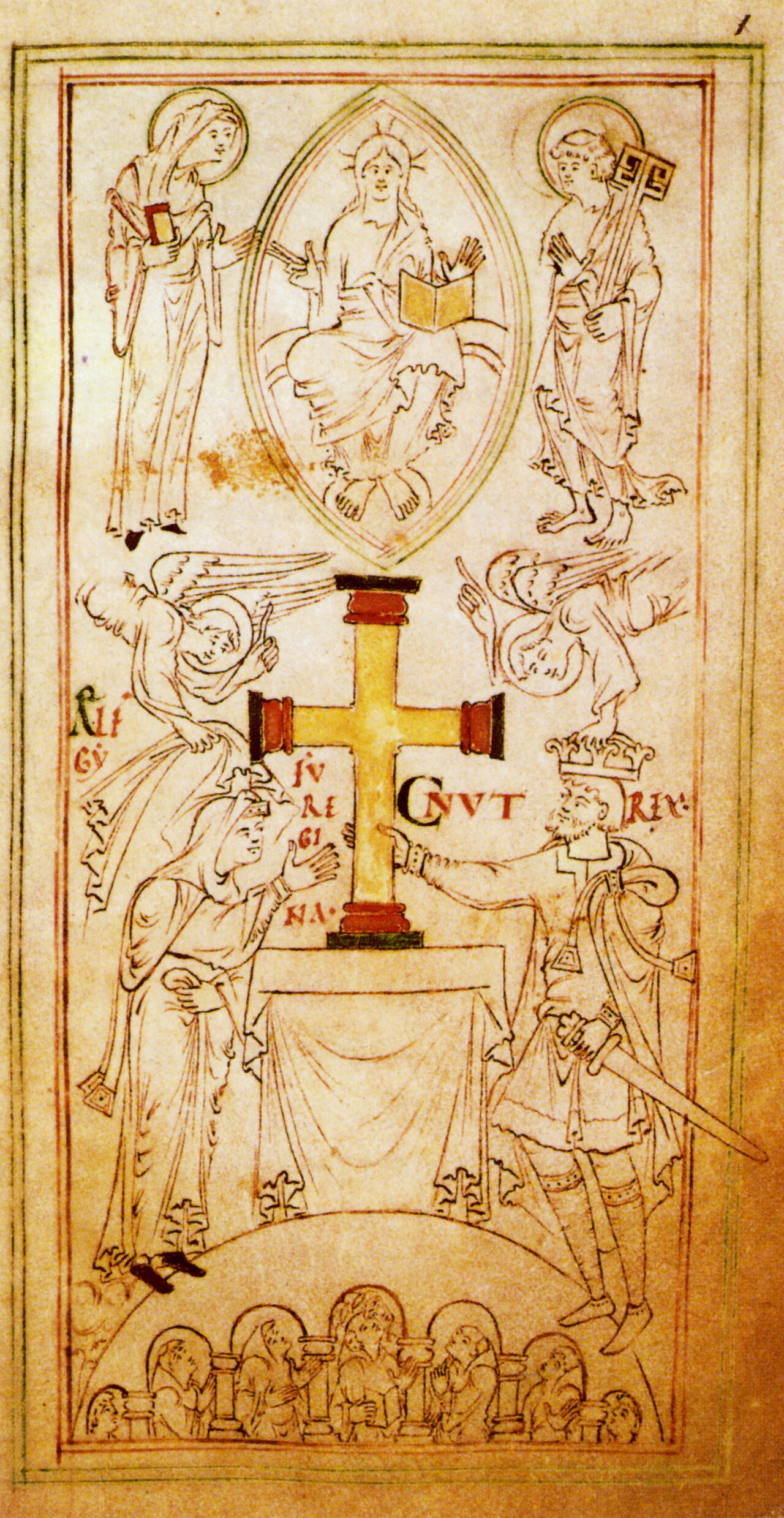 Painting
Primary source
Canute and Ælfgifu
c. 1031
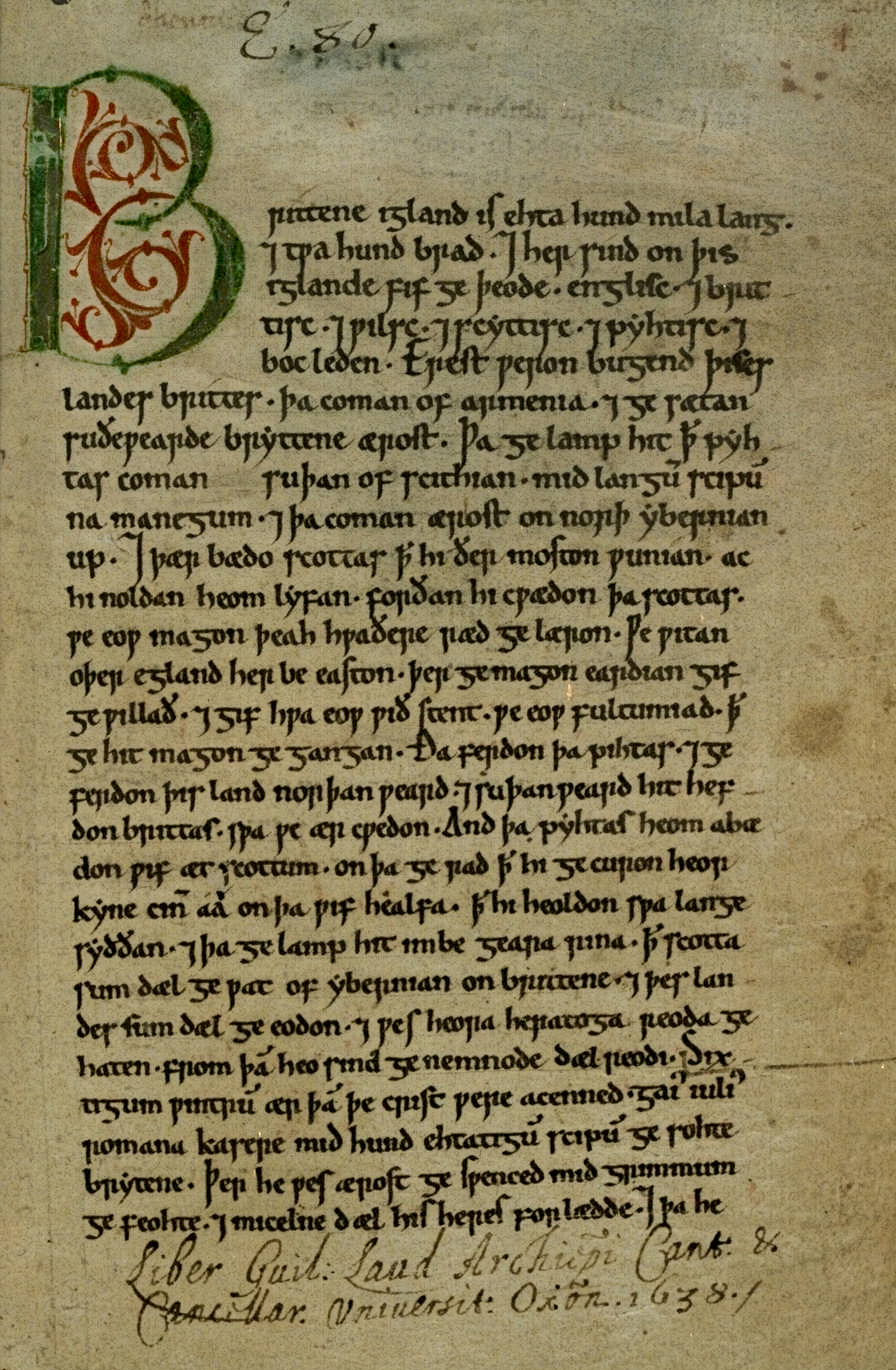 Document
Primary source
Anglo-Saxon Chronicle
c. 890 (Common Stock)
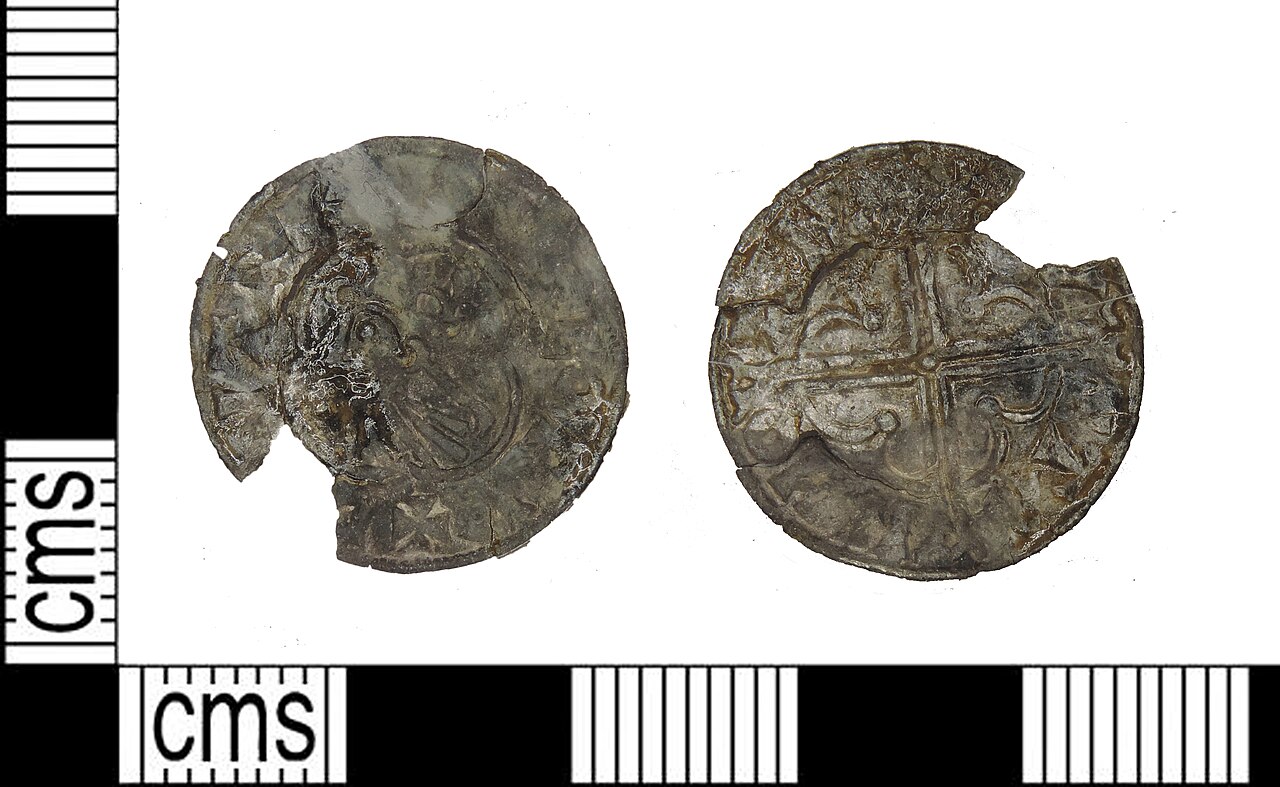 Artifact
Primary source
Silver Penny of Cnut (Quatrefoil Type)
English royal moneyers · c. 1017-1023
 Artifact
Primary source
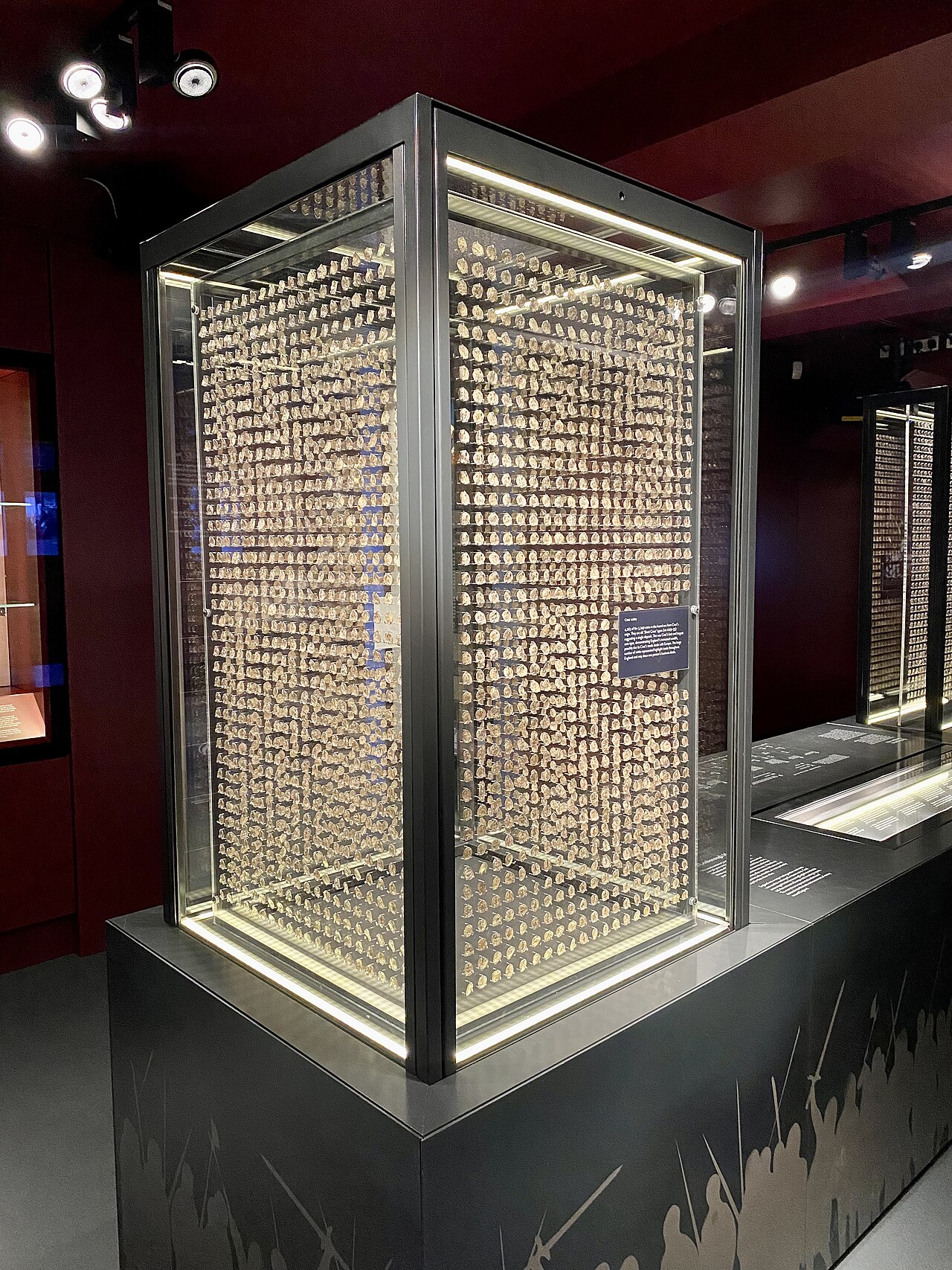
Lenborough Hoard
1020s (found 2014)

Free account
Read every Canute the Great source
Sign up free →
Ready when you are
Start chatting with Canute the Great now.
20 messages free · No credit card · Available in 50+ languages.