


Primary sourceArtifactc. 1089-1092
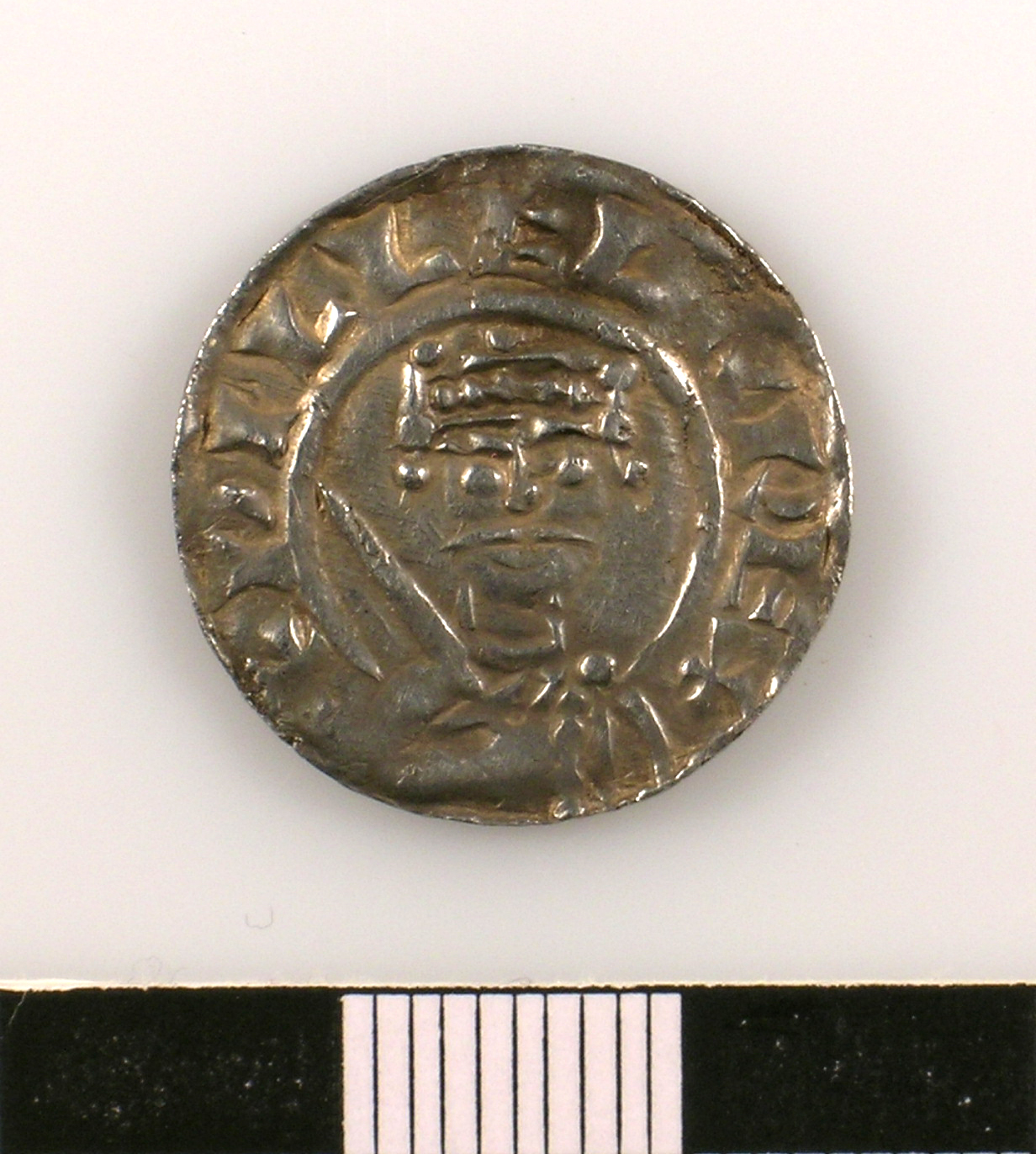
Silver Penny of William II Minted at Rochester
Aelstan (moneyer), Rochester mint · c. 1089-1092
A worn silver penny struck under William II (Rufus) at Rochester, part of the royal coinage issued in his name.
Struck in William II's name during his reign, this coin is direct physical evidence of his royal authority.
About this source
What it is
This is a silver penny struck during the reign of William II ('Rufus'), minted at Rochester by the moneyer Aelstan. It dates from around 1089–1092 and is held and photographed by the Sussex Archaeological Society.
Why it matters
Coins like this were official royal money, issued across many mints in the king's name. Because each coin names the moneyer and mint, historians use finds like this to map how royal authority reached into local towns under William Rufus, second son of William I.
Look closer
- What can you still make out in the worn design and inscription?
- Why might a king want his face and name stamped on every coin in his kingdom?
- What does a coin tell us that a letter or chronicle cannot?
This artifact is part of the curated material that grounds the AI version of William II of England on Humy.ai — when students ask about related events, the AI can quote it and cite it.
More William II of England sources
Browse all 71 →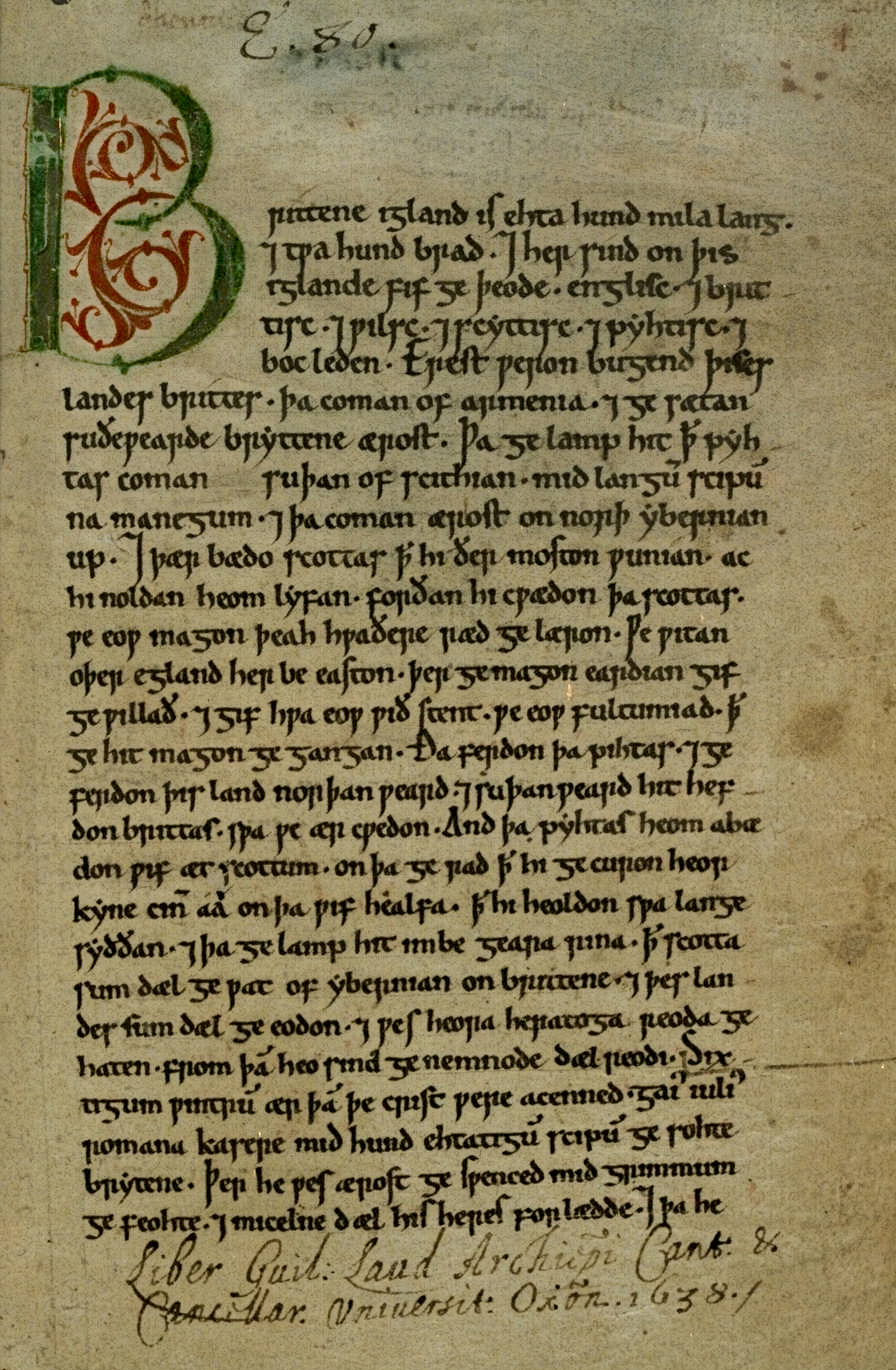 Book
Primary source
Peterborough Chronicle
c. 1130
 Artifact
Primary source
Westminster Hall
built 1097-1099, remodelled 1393
 Artifact
Primary source
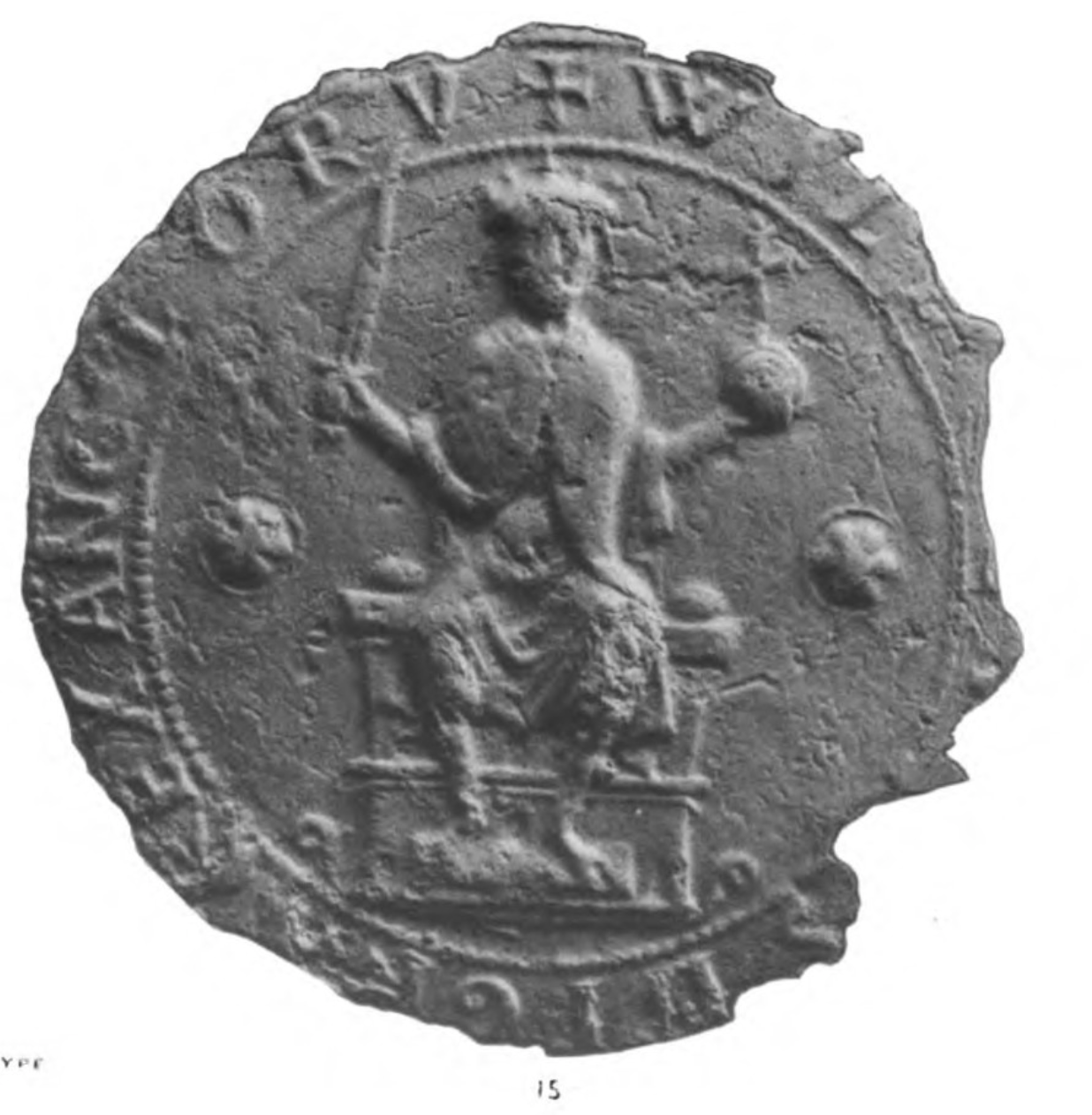
Great Seal of William II
Royal chancery of William II · c. 1087–1100
 Artifact
Primary source
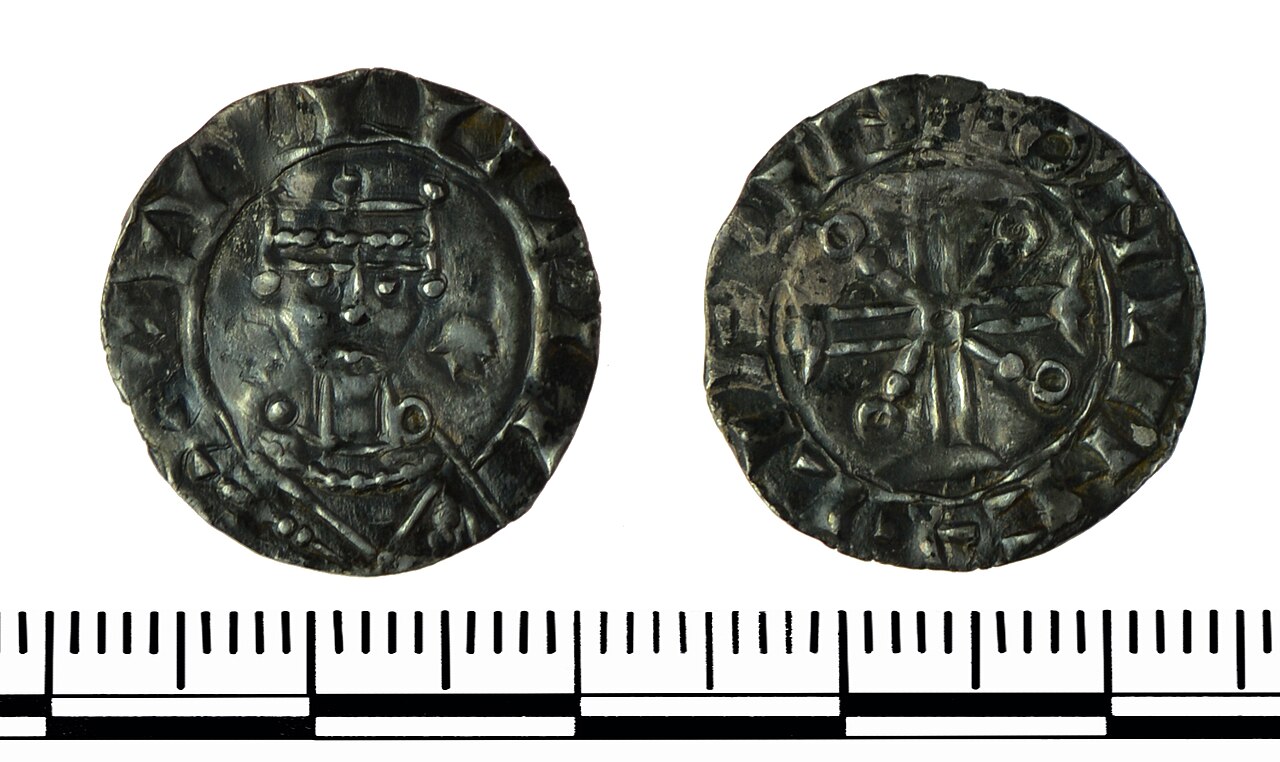
Silver pennies of William II
Royal moneyers under William II · 1087–1100
Free account
Read every William II of England source
Sign up free →
Ready when you are
Start chatting with William II of England now.
20 messages free · No credit card · Available in 50+ languages.